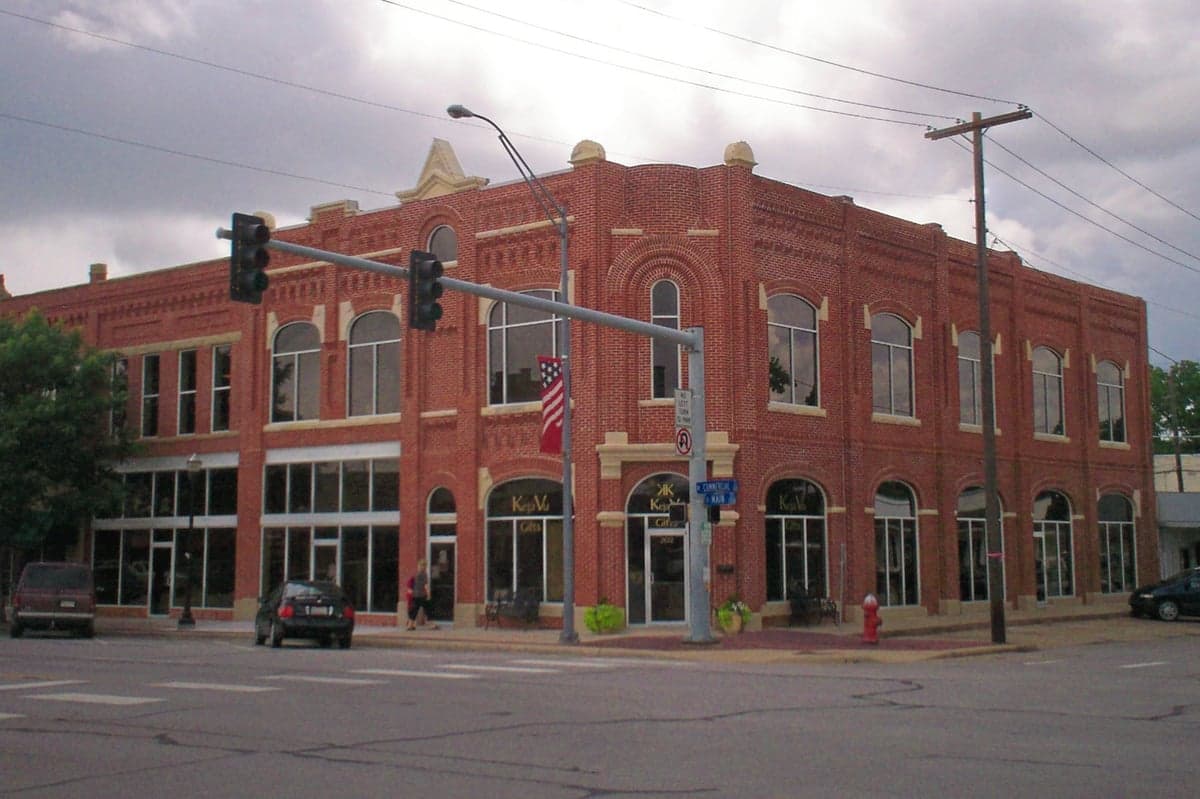
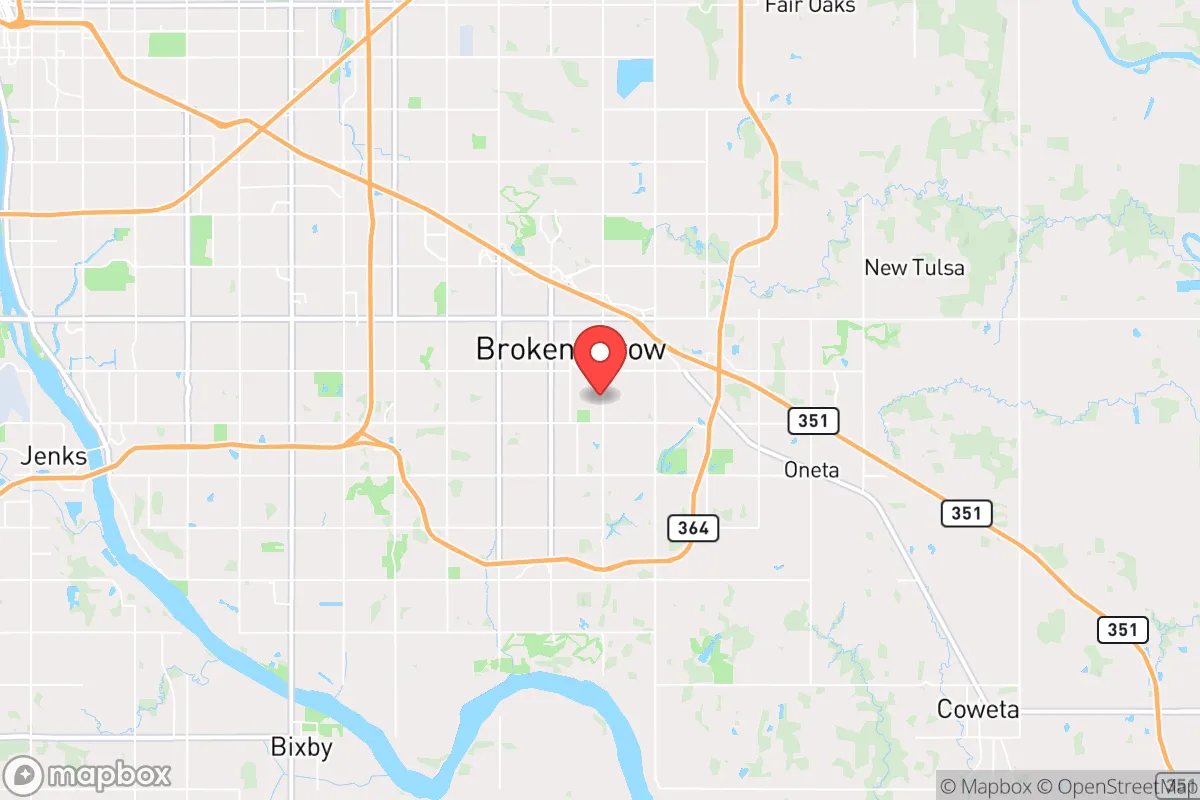
Photo: Wikipedia
Find The Best Places To Live
in Broken Arrow
PRO TIP! You can paste a Zillow or Redfin link to get info on that property.
What It's Like Living in Broken Arrow, OK
If you’ve heard of Broken Arrow, it’s probably as Tulsa’s big, safe suburb—the kind of place where people move when they want a yard, good schools, and a commute that doesn’t eat their day. And that’s mostly true. But spend a weekend here, and you’ll find a city that’s quietly its own thing: a place where Friday night high school football still packs bleachers, where the local coffee shop knows your order, and where you can be on a hiking trail in ten minutes or in downtown Tulsa in twenty. It’s not flashy, but for a lot of families and single professionals, that’s exactly the point.
The Daily Rhythm: What People Actually Do
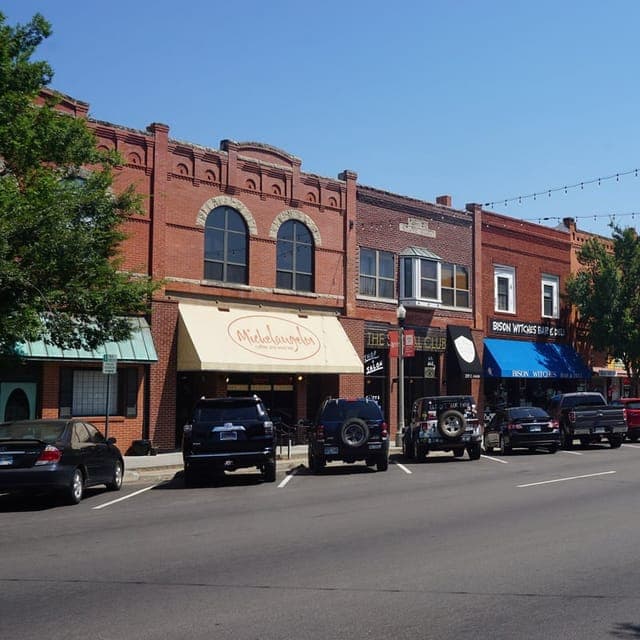
Most mornings in Broken Arrow start with a commute that averages just under 22 minutes—short enough that you can grab coffee at Topeca Coffee on Main Street or a breakfast burrito from El Rio Verde before heading to work. The biggest employers are local school districts, the city government, and manufacturing plants like FlightSafety International and Baker Hughes, so a lot of residents work in education, aerospace, or energy. After work, you’ll see families at Bass Pro Shops or the Broken Arrow Farmers Market (April through October, on Main Street), and on weekends, the Rhema Bible Church campus draws thousands—it’s a major community anchor, not just a Sunday thing.
For singles and young professionals, the social scene is quieter than Tulsa’s but not dead. Main Street Tavern and Stutts House are reliable spots for a beer and live music, while Andolini’s Pizza (a Tulsa-area chain) is where you’ll find groups of friends on a Friday night. The city’s median age is 37, and the median household income sits at $85,220—comfortably above the national average, which means people here have disposable income for weekend trips to the Ozarks (about two hours east) or a boat on Fort Gibson Lake (45 minutes southeast).
Sports, Schools, and Community Pride
Broken Arrow is obsessed with high school sports. The Broken Arrow Tigers football team regularly draws 8,000–10,000 fans to Tiger Stadium on Friday nights, and the marching band (one of the largest in the nation) is a point of pride. If you’re not a football person, the Broken Arrow High School wrestling and soccer programs are state powerhouses too. For pro sports, it’s a 20-minute drive to Tulsa for FC Tulsa (USL soccer) or Tulsa Oilers (hockey), but most locals are casual fans of the Oklahoma City Thunder or OU Sooners—college sports loyalty runs deep here.
The schools themselves are a huge part of the identity. Broken Arrow Public Schools consistently rank among the top districts in the state, and the Performing Arts Center on the high school campus hosts community theater and concerts year-round. For younger kids, the Broken Arrow Parks and Recreation leagues (soccer, baseball, flag football) are the default weekend activity—expect to spend Saturday mornings at Nienhuis Park or Central Park. The city’s 35% college-educated rate is slightly below the national average, but the schools are a major reason families choose to stay.
What’s There to Do: Festivals, Parks, and Quirks
Broken Arrow’s biggest annual event is Rooster Days, a five-day carnival and music festival held every May at Central Park. It’s been running since 1932, and it’s the kind of thing where you’ll see everyone—grandparents, toddlers, teenagers—eating funnel cake and watching a rodeo. Other standout events include the Broken Arrow Christmas Parade (early December, on Main Street) and the Art on Main festival each fall.
Outdoor options are solid for a suburb. Haikey Creek Park has 10 miles of mountain bike trails and a disc golf course, while Ray Harrell Nature Center offers easy walking paths and a small educational center. For something more ambitious, the Turkey Mountain Urban Wilderness in Tulsa (15 minutes away) has 300 acres of hiking and trail running. One quirk: the city has a strict noise ordinance after 10 p.m., so don’t expect late-night parties—this is a place where people value quiet evenings.
Cultural quirks? The city’s name comes from a Creek Nation settlement, and the Broken Arrow Historical Society Museum (housed in a former 1904 train depot) does a good job explaining the area’s Native American and oil-boom roots. You’ll also notice a lot of churches per capita—this is the Bible Belt, and faith-based community groups are a primary social network for many residents.
Pros and Cons of Living Here
- Pro: Low cost of living. The cost of living index is 97 (3% below the U.S. average), and the median home value is $229,300—you can buy a 3-bedroom house in a good school district for under $250K. Rent for a one-bedroom averages around $900–$1,100.
- Pro: Safety. The violent crime rate is 196.7 per 100,000, well below the national average of about 380. Property crime is higher (especially car break-ins near shopping centers), but most neighborhoods feel very safe.
- Con: Limited nightlife. If you want bars open past midnight or a diverse restaurant scene, you’ll be driving to Tulsa. Broken Arrow’s dining is heavy on chains (Chili’s, Olive Garden) with a handful of local gems like Bramble House (brunch) and Los Cabos (Mexican).
- Con: Summer heat. July and August regularly hit 95–100°F with high humidity. Outdoor activities shift to early mornings or evenings, and air conditioning is non-negotiable.
- Con: Traffic on 71st Street. The main commercial corridor (71st Street / Highway 51) gets congested during rush hour and weekends. Locals learn back roads like Kenosha Street or Elm Place to avoid it.
Seasonal rhythms are straightforward: mild springs and falls (perfect for patio dining at Main Street Tavern), hot summers (pool memberships at the Broken Arrow Aquatic Center are popular), and short, cold winters with occasional ice storms that shut schools for a day or two. Tornado season (March–June) means paying attention to weather alerts, but most homes have storm shelters or safe rooms.
Who fits in here? Broken Arrow works best for people who value predictability, community, and space—families raising kids, remote workers who want a yard and a short commute to Tulsa, or singles who don’t mind driving for a night out. It’s not for someone who wants urban energy or walkable nightlife. But if you want a place where your neighbors wave, the schools are solid, and you can afford a house without stretching, it’s hard to beat.

Similar small cities to Broken Arrow
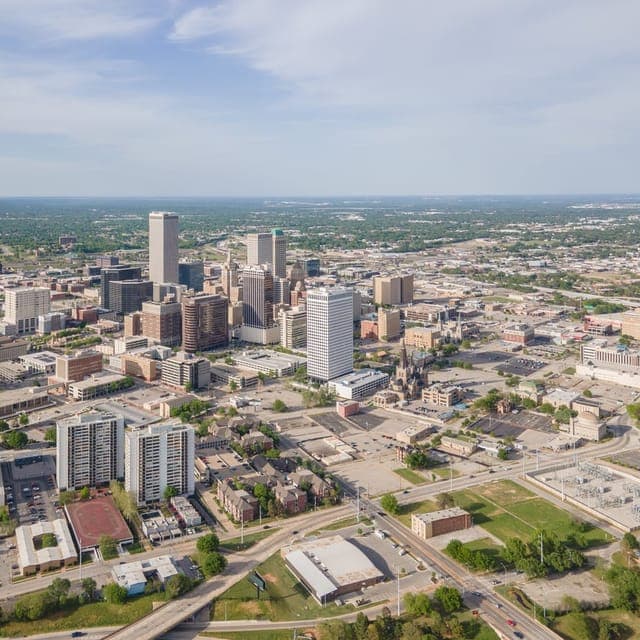
* Values derived from national, state, county, city and local statistics and may differ in a specific area. Last updated: 2026-04-22T08:40:57.000Z
Narrative content on this page is AI-generated and may contain mistakes. Verify any details that matter before acting on them.
ReloMaps may earn a commission from affiliate links at no extra cost to you.

