Photo: Wikipedia
Quality of Life in Saratoga Springs, UT
A high quality of life with strong walkability, manageable living costs, healthy neighborhood signals, and solid amenity access.
What does Quality of Life tell us?
Quality of Life blends cost of living, nearby amenities, socioeconomic signals, and neighborhood character. City-level scores represent the whole municipality; individual neighborhoods can differ.
What does this tell us?
Quality of Life blends cost of living, nearby amenities, socioeconomic signals, and neighborhood character. City-level scores represent the whole municipality; individual neighborhoods can differ.
Cost of Living
94% above national average
The Real Cost of Living in Saratoga Springs, UT for 2026
| Tier | Individual | Family (4) |
|---|---|---|
| Survival | $35k | $66k |
| Comfortable | $101k | $148k |
| Luxury | $148k+ | $229k+ |
| Elite (Top 5%) | $174k+ | $270k+ |
83%
The Area Signal
A metric tracking the socioeconomic signals of the area.
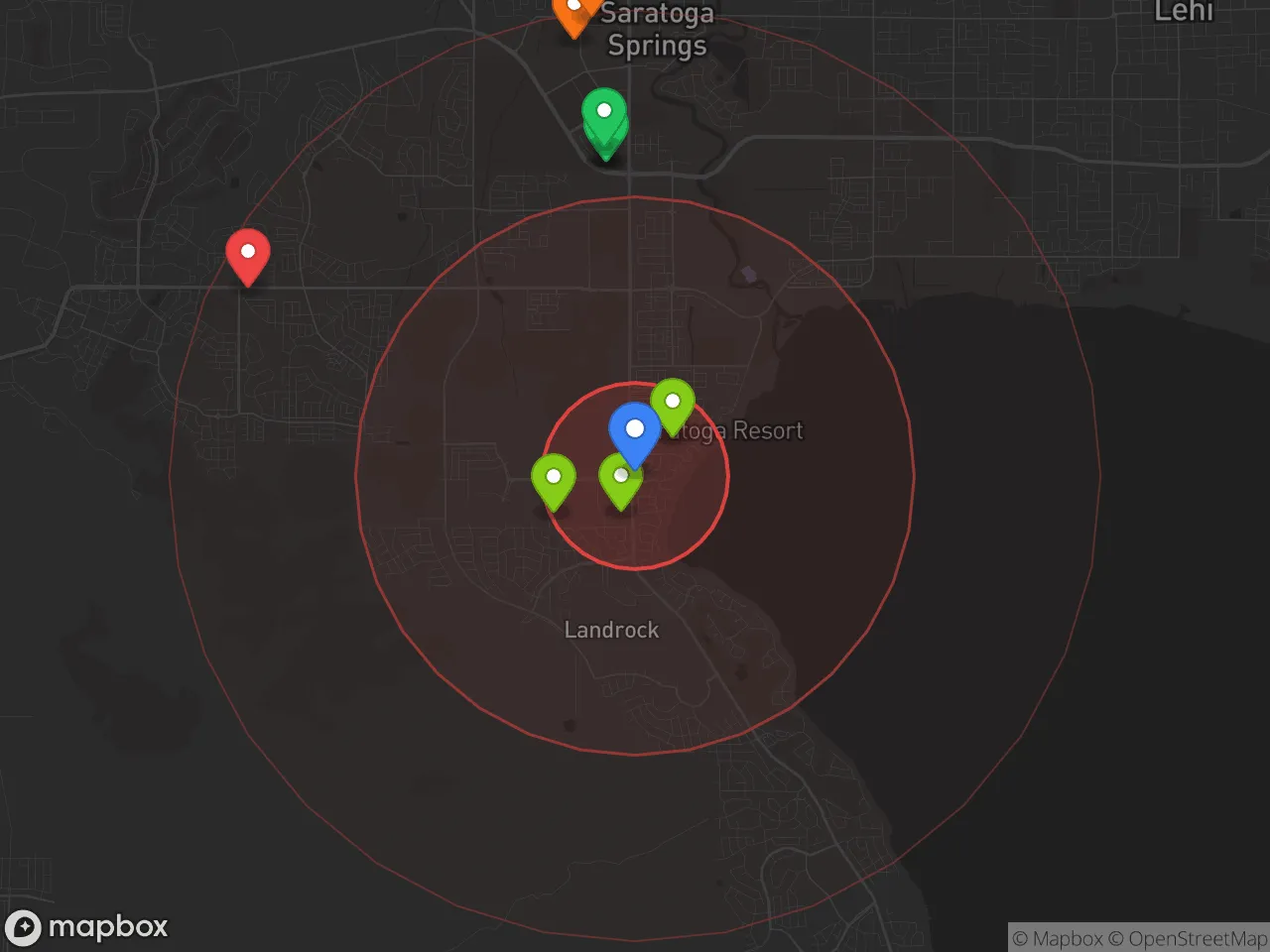
Hobbies
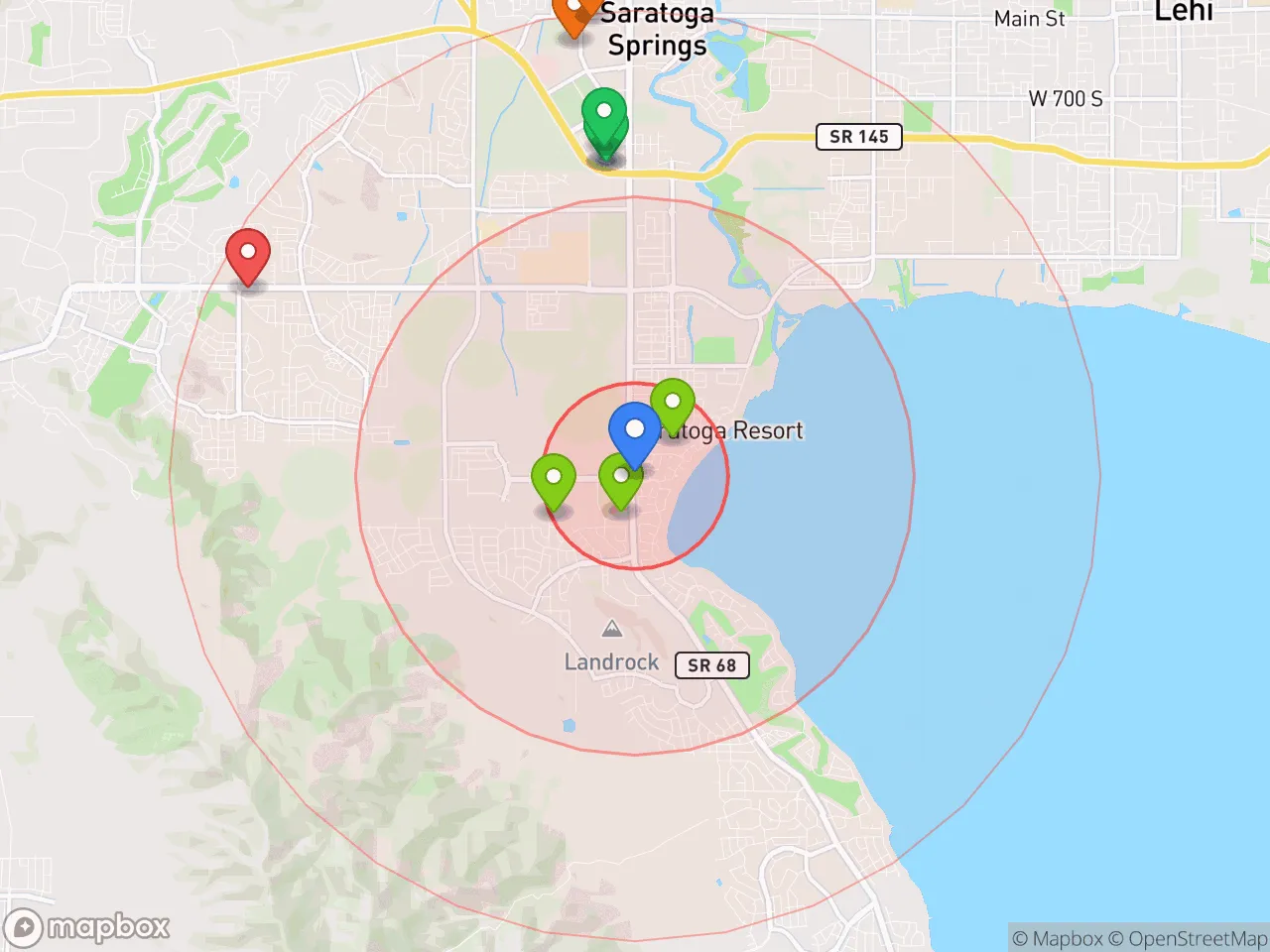
Explore the areaGroceries
3 within 10 miles
Gas
20 within 10 miles
Hospital
20 within 20 miles
Airport
SLC — Salt Lake City International
Post Office
USPS — Lehi, UT
Critical Amenities
Quality-of-Life Analysis
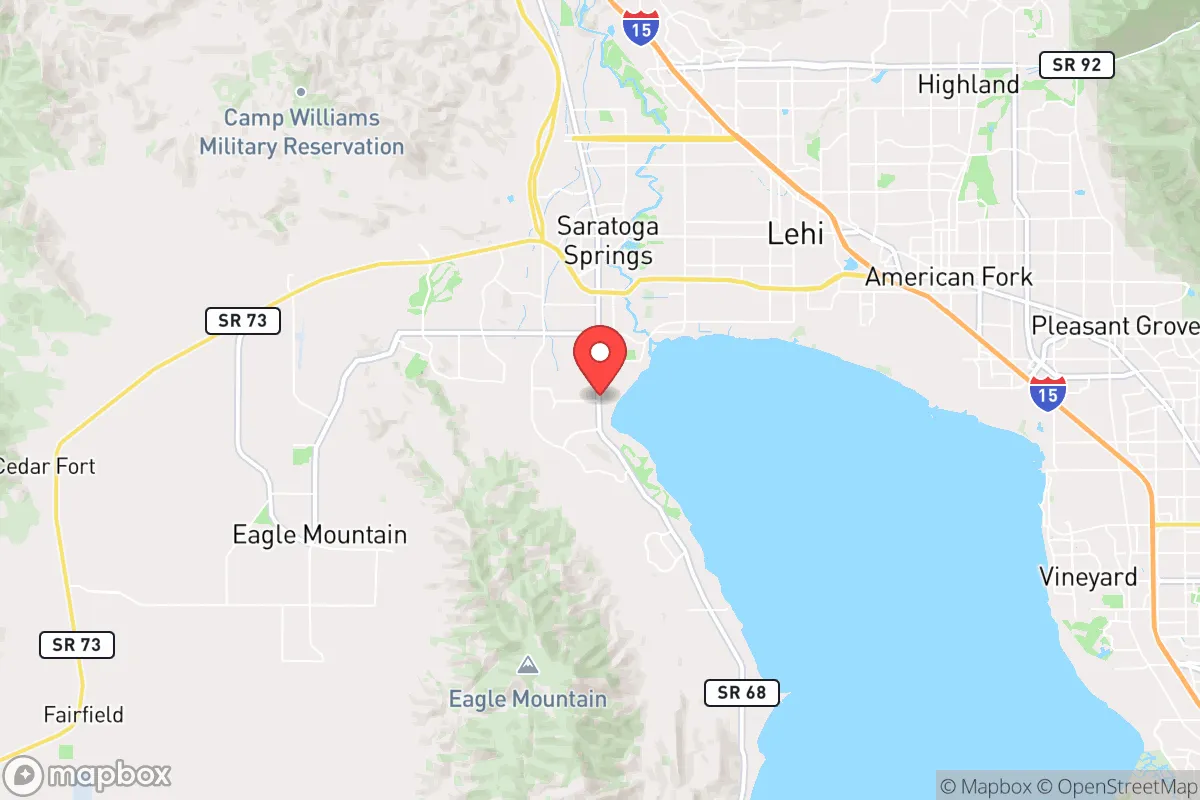
Saratoga Springs, Utah, is one of the most affluent and rapidly growing communities in Utah County, with a cost of living index of 194—nearly double the national average—reflecting a population of upper-middle-class professionals, large families, and remote workers drawn to its mountain views and newer housing stock. The city’s median home value of $567,200 and median rent of $2,206 place it among the priciest suburbs of Provo, attracting residents who prioritize space, newer construction, and a low-crime environment over urban convenience or affordability.
Cost of living, housing prices, and affordability compared to Provo and Lehi
Saratoga Springs’ cost of living index of 194 is significantly higher than the national baseline of 100, driven almost entirely by housing. The median home value of $567,200 is roughly 25% higher than the Utah County median of ~$450,000 and about 15% above neighboring Lehi’s median of ~$490,000. Renters face a median monthly cost of $2,206, which is $300–$400 more than comparable rentals in Provo or Orem. The average commute of 27 minutes is slightly longer than the county average of 22 minutes, reflecting the city’s position at the western edge of the Wasatch Front—many residents drive east to jobs in Lehi’s tech corridor (Adobe, Vivint, Domo) or south to Provo’s business district. Property taxes remain relatively low by national standards (roughly 0.6% of assessed value), but the high entry price means that only households earning above $120,000 annually can comfortably afford a mortgage here, making it a de facto exclusionary market for young renters or first-time buyers.
What daily life is like for families: schools, amenities, and commute rhythm
Daily life in Saratoga Springs revolves around its master-planned subdivisions, Utah Lake access, and a family-oriented pace. The city is served by the Alpine School District, with Saratoga Shores Elementary and Vista Heights Middle School both rated 8/10 or higher on GreatSchools, and Westlake High School offering strong STEM and AP programs. The city’s 20+ parks, the Saratoga Springs Library, and the newly expanded Utah Lake State Park boat ramp provide year-round outdoor recreation, though nightlife and dining options are limited—most residents drive 15 minutes to Lehi’s Thanksgiving Point area or 25 minutes to downtown Provo for restaurants and entertainment. The commute pattern is heavily west-to-east: over 60% of working residents commute eastward along SR-73 and I-15, with peak-hour traffic on Redwood Road and the I-15 interchange causing delays that push the average commute to 27 minutes. The city’s rapid growth (population doubled from 2010 to 2020 to over 40,000) means ongoing construction and occasional infrastructure strain, but the overall rhythm is quiet, suburban, and oriented around school schedules and weekend lake trips.
Families seeking a safe, spacious, and amenity-rich suburb with strong schools will find Saratoga Springs a natural fit, especially if they can afford the housing premium. Remote workers and tech professionals commuting to Lehi or Provo will appreciate the newer homes and lower crime rates compared to older Utah County suburbs, though the 27-minute commute and limited local retail may frustrate those accustomed to walkable urban environments. Empty-nesters and retirees are less common here—the median age is 30—so the city is best suited for households with children or plans to start a family. For anyone priced out of Park City or Draper but still wanting a high-quality suburban lifestyle, Saratoga Springs offers a compelling, if expensive, alternative.

Crime in Saratoga Springs, UT
Lower crime rates than 94% of comparable U.S. locations.
Violent CrimeViolent Crime Analysis
Property CrimeProperty Crime Analysis
Crime Analysis
Saratoga Springs, Utah, is a notably safe city by both national and statewide standards, with violent and property crime rates that are a fraction of the U.S. averages. The city's 2024 reported violent crime rate of 67.7 incidents per 100,000 residents is roughly one-fifth the national median, while its property crime rate of 432.7 per 100,000 is less than half the typical U.S. figure. These low numbers reflect a community that benefits from strong local law enforcement and a conservative legal environment, a contrast to the higher crime rates often seen in large metro areas with progressive district attorneys and lenient sentencing policies.
Crime in context
To understand Saratoga Springs' safety, it helps to compare it to broader trends. The national violent crime rate hovers around 380 per 100,000, and property crime averages near 1,950 per 100,000. Saratoga Springs' violent crime rate of 67.7 is 82% lower than the national average, and its property crime rate of 432.7 is 78% lower. The city also outperforms Utah's statewide violent crime rate of roughly 240 per 100,000. This safety record is typical of Utah County, where conservative judicial philosophies and community-oriented policing keep recidivism low and public confidence high. In contrast, residents moving from large metro areas—especially those where progressive prosecutors have deprioritized certain offenses—often notice a dramatic improvement in perceived safety and police responsiveness.
What residents experience
Daily life in Saratoga Springs is marked by a low likelihood of encountering serious crime. The most common incidents are minor property crimes like vehicle break-ins and package thefts, particularly near retail corridors like Redwood Road. Violent crime is rare and typically isolated to domestic incidents rather than random attacks. The city's full-time police force maintains a visible presence, and neighborhood watch programs are active in subdivisions like the Ranches and Harvest Hills. Residents consistently report feeling safe walking at night and letting children play outdoors—a quality of life that is increasingly hard to find in jurisdictions where soft-on-crime policies have led to rising theft and open-air drug use.
Neighborhood-level variation is minimal but worth noting. Newer developments on the west side of the city, such as those near the Utah Lake shoreline, report near-zero crime, while areas closer to the I-15 corridor see slightly higher property crime rates due to easier access for transients. Overall, Saratoga Springs exemplifies the safety advantages of a community that prioritizes law and order, standing in stark contrast to the deteriorating conditions in many large metro areas where progressive justice reforms have emboldened repeat offenders and eroded public trust.
* Values derived from national, state, county, city and local statistics and may differ in a specific area. Last updated: 2026-04-21T10:30:41.000Z
Narrative content on this page is AI-generated and may contain mistakes. Verify any details that matter before acting on them.
ReloMaps may earn a commission from affiliate links at no extra cost to you.

