
Photo: Wikipedia
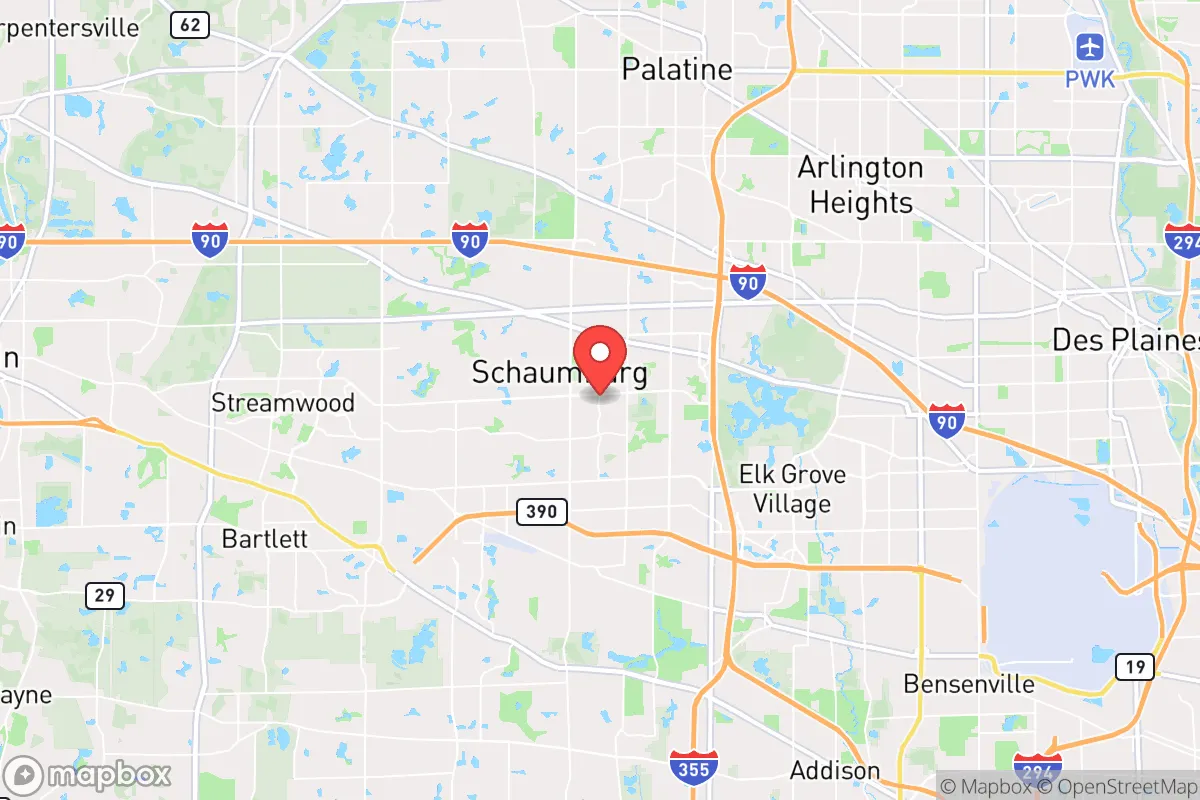
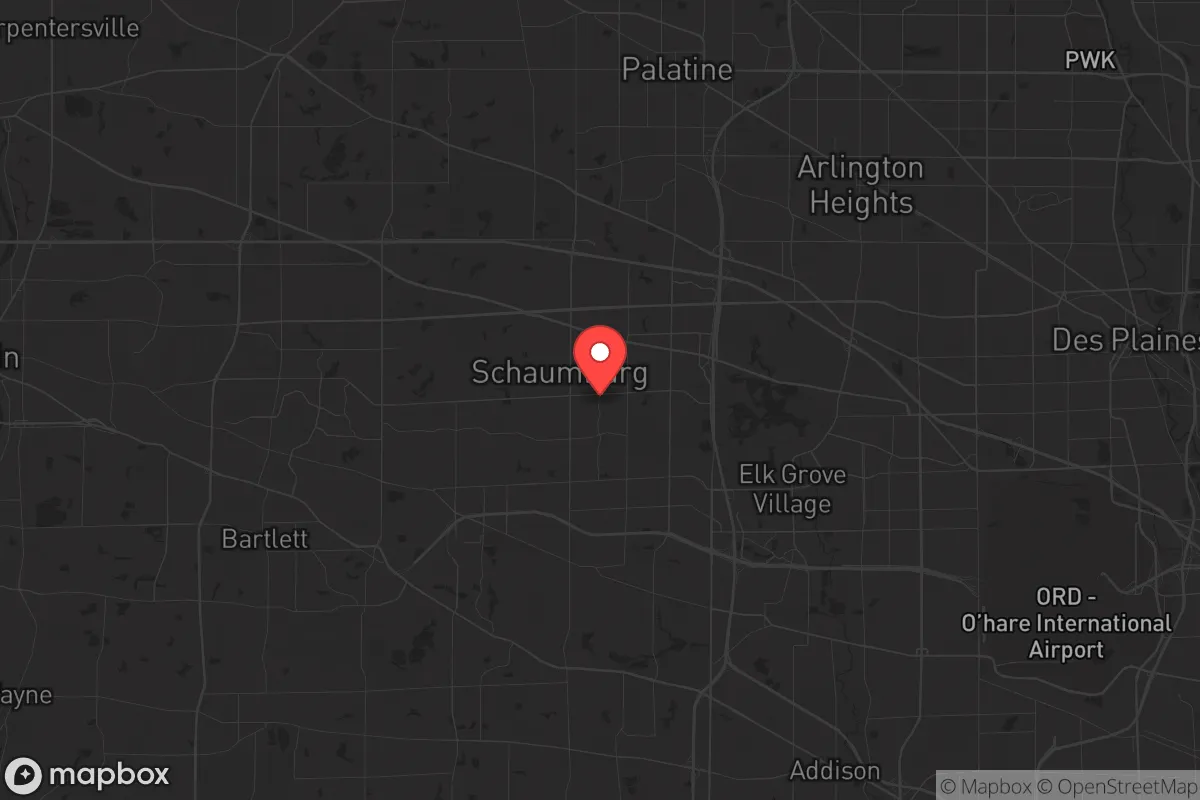
Strategic Assessment of Schaumburg, IL
Multiple tactical vulnerabilities. Population density, target proximity, or disaster risk are likely compounding. A retreat property and exit planning is required.
What does the Strategic Assessment tell us?
Our Strategic Assessment grades tactical survivability of an area. Major population centers, military targets, fallout zones, natural disasters, and border exposure all drive risk — lower exposure means a more defensible position in a crisis.
This is heavily inspired by Joel Skousen's Strategic Relocation book. Highly recommended you checkout the book ($)What does this tell us?
Our Strategic Assessment grades tactical survivability of an area. Major population centers, military targets, fallout zones, natural disasters, and border exposure all drive risk — lower exposure means a more defensible position in a crisis.
This is heavily inspired by Joel Skousen's Strategic Relocation book. Highly recommended you checkout the book ($)Strategic Pillars

Key Distances
Regional Safe Places
Below is our recommended "safe zones" in Illinois and the surrounding area based on our strategic heuristics. For most people, it's unrealistic to live in a “safe zone” full-time due to work, family or other personal reasons. They tend to be more rural. However, many of these areas are perfect for second homes and retreat properties that double as a vacation home or even a short-term rental.
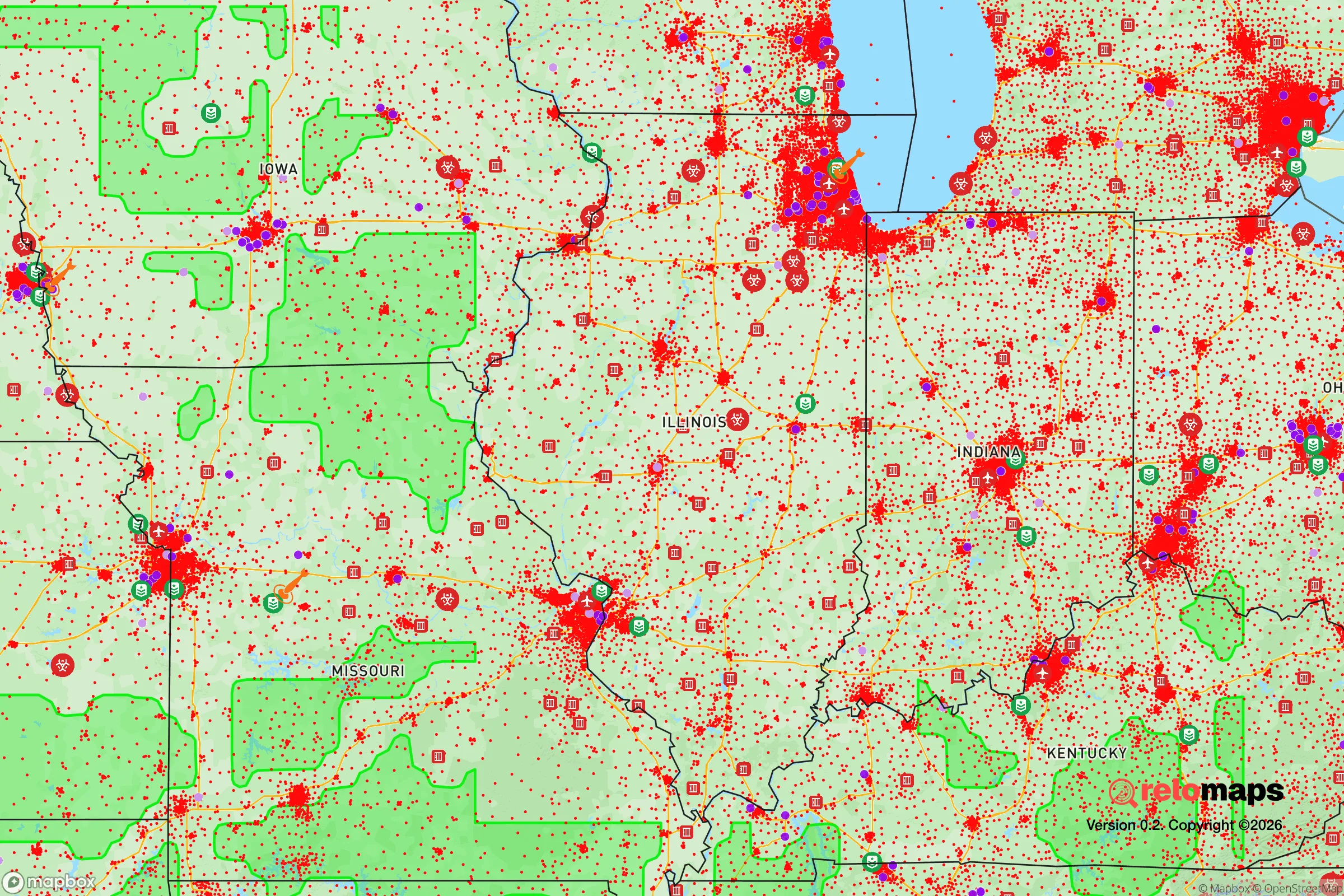
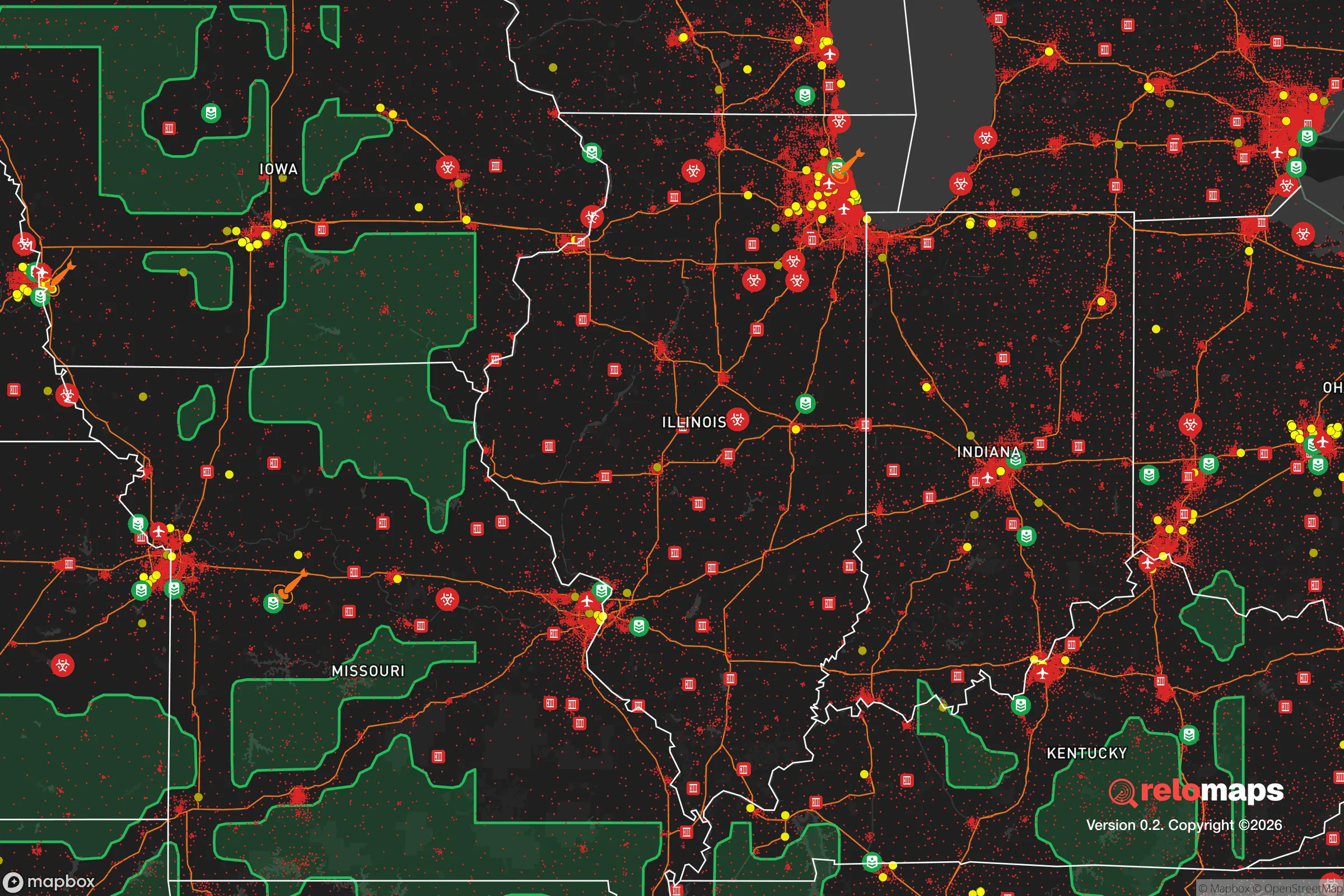


Important Note: For informational purposes only. This does not mean nothing bad ever happens in the green zones. Please use common sense. This is based on public data and modeled with AI. We tried to take a conservative approach but mistakes happen. We update this regularly as new information becomes available.
Solar Generator Recommendations
Backup power matters more here than in safer locations. We've picked three solar generators across budgets and capacity tiers — start with the budget unit if you only need a few essentials, or step up if you want to run a fridge and HVAC for days at a time.

Jackery Portable Power Station Explorer 300
Budget OptionPower on the Go: Weighing only 11 lbs, it's convenient to set up and store with book-sized foldable solar panels

BLUETTI Portable Power Station AC180
Designed for both indoor and outdoor scenarios, AC180 is highly capable as it has a robost capacity and continuous output power.

EF ECOFLOW DELTA Pro Ultra Power Station
Upgraded PickEcoFlow DELTA Pro Ultra is a whole-home energy system designed to grow with your family. Integrated with the Smart Home Panel 2, it scales to meet your evolving energy needs — keeping your home powered, intelligent, and secure through every stage of life.
We earn a commission, at no additional cost to you.
Strategic Assessment Analysis
Schaumburg, Illinois, presents a complex strategic picture for the conservative prepper. On the surface, it’s a classic suburban success story—a planned community with robust infrastructure, a strong tax base, and a central location that has historically insulated it from the worst of Chicago’s urban decay. However, for the relocator thinking in terms of long-term resilience, civic unrest, and mass casualty events, Schaumburg’s strengths are tightly coupled with significant vulnerabilities. Its position as a major suburban employment hub and transportation nexus means it offers immediate logistical advantages, but those same features make it a potential target or chokepoint during a crisis. The key question isn’t whether Schaumburg is a nice place to live—it is—but whether its strategic location and built environment can support a survivalist mindset when the systems fail.
Geographic position and natural advantages for long-term survival
Schaumburg sits roughly 28 miles northwest of Chicago’s Loop, placing it squarely in the suburban ring that benefits from proximity to the city’s economic engine while maintaining a degree of separation. The village is bisected by Interstate 90 (the Jane Addams Memorial Tollway) and Illinois Route 53, giving residents multiple egress routes in multiple directions—critical for evacuation scenarios. Unlike many Chicago suburbs that are landlocked by dense development, Schaumburg has access to the Poplar Creek and Salt Creek watersheds, which provide natural water sources and green corridors. The surrounding area is part of the greater Fox River Valley, meaning there are viable agricultural zones within a 15-20 minute drive, particularly to the west in places like Elgin and Hampshire. The terrain is flat but not featureless; the presence of forest preserves like the Ned Brown Preserve (Busse Woods) offers both a natural buffer and a potential source of forage and game, though it’s heavily trafficked in normal times. For the prepper, the key natural advantage is that Schaumburg is not a floodplain—the village sits on relatively high ground compared to the Des Plaines River valley to the east—and it has a reliable aquifer system that feeds municipal wells, though dependence on that system is a vulnerability we’ll address shortly.
Risks, exposures, and proximity to fallout-relevant landmarks
This is where the strategic picture darkens. Schaumburg’s greatest asset—its economic vitality—is also its greatest liability in a crisis. The village is home to the Woodfield Mall, one of the largest shopping centers in the United States, drawing tens of thousands of visitors daily. In a civil unrest or mass casualty event, that mall becomes a primary target for looting, a gathering point for desperate crowds, and a logistical nightmare for first responders. Similarly, Schaumburg hosts major corporate campuses for companies like Zurich Insurance, Motorola Solutions, and Paylocity, meaning it’s a high-value target for any coordinated attack on critical infrastructure or economic nodes. The village is also within a 20-mile radius of O’Hare International Airport, a Tier 1 national security asset that would be a primary target in any large-scale attack or disruption. The fallout from an event at O’Hare—whether a dirty bomb, a cyber attack on air traffic control, or a conventional strike—would ripple directly into Schaumburg. Additionally, the village is crisscrossed by high-voltage power lines and natural gas pipelines feeding the suburban grid. A coordinated attack on the electrical grid, which is a realistic scenario in modern threat assessments, would leave Schaumburg dark and dependent on backup generators that most residents don’t have. The proximity to Chicago also means that any large-scale civil unrest in the city—think 2020-level riots but sustained—would push refugees and criminal elements outward along the I-90 and Route 53 corridors. Schaumburg is not a defensible position; it’s a flat, open suburb with multiple entry points and no natural barriers to slow an advancing crowd.
Practical resilience for a relocator: food, water, energy, and defensibility
For the individual or family looking to hunker down, Schaumburg presents a mixed bag. On the positive side, the village has a robust municipal water system fed by Lake Michigan via the Chicago water supply system, but that’s a double-edged sword—it’s a single point of failure. If the water treatment plants or pumping stations are compromised, Schaumburg has no backup. The aquifer I mentioned earlier is tapped for some municipal wells, but most residents rely on the lake water system. A prepper would need to invest in a deep well on private property, which is feasible in some of the older neighborhoods but not in the dense apartment complexes or newer subdivisions. Food storage is easier: Schaumburg has multiple big-box stores (Costco, Sam’s Club, Walmart) that can be used for last-minute stocking, but in a crisis, those will be stripped within hours. The better play is to establish relationships with local farms to the west—there are several u-pick operations and CSA programs in the Fox River Valley that can provide fresh produce and eggs. Energy resilience is a challenge. Schaumburg is served by ComEd, and the grid here is reliable in normal times but vulnerable to both weather events (ice storms, derechos) and targeted attacks. Solar is viable—the village gets about 190 sunny days per year, which is average for the Midwest—but HOA restrictions in many subdivisions can be a barrier. A whole-house generator running on propane or natural gas is the standard prepper solution, but natural gas lines are also vulnerable to disruption. Defensibility is the weakest link. Schaumburg is a classic suburban sprawl design: cul-de-sacs, wide streets, and open sightlines that make it easy for authorities to patrol but also easy for a determined group to move through. There are no natural chokepoints like rivers or hills to funnel traffic. The best defensive strategy here is to live in a smaller, less visible neighborhood on the village’s western edge, closer to the forest preserves and farther from the mall and interstate interchanges. The Schaumburg Police Department is well-funded and professional, with a response time of under 5 minutes in normal conditions, but in a widespread event, they will be overwhelmed. You are largely on your own.
The overall strategic picture for Schaumburg is one of calculated risk. It is not a survivalist’s paradise—it lacks the remoteness, defensible terrain, and self-sufficiency of a rural compound. But for the relocator who needs to stay within commuting distance of a job or family obligations in the Chicago area, it offers a reasonable middle ground. The key is to treat Schaumburg as a base of operations, not a final redoubt. Stockpile supplies, establish a retreat location further west (say, in the Galena or Mississippi River bluffs region), and maintain a vehicle capable of a 200-mile bug-out. The village’s infrastructure and economic strength make it a good place to ride out short-term disruptions, but for a long-term collapse scenario—whether from civil war, pandemic, or economic unraveling—the smart play is to have a plan to leave. Schaumburg is a suburb that works when the system works. When the system breaks, it becomes a trap. The conservative prepper should view it as a staging ground, not a sanctuary.

* Values derived from national, state, county, city and local statistics and may differ in a specific area. Last updated: 2026-04-19T10:27:51.000Z
Narrative content on this page is AI-generated and may contain mistakes. Verify any details that matter before acting on them.
ReloMaps may earn a commission from affiliate links at no extra cost to you.

