 Popular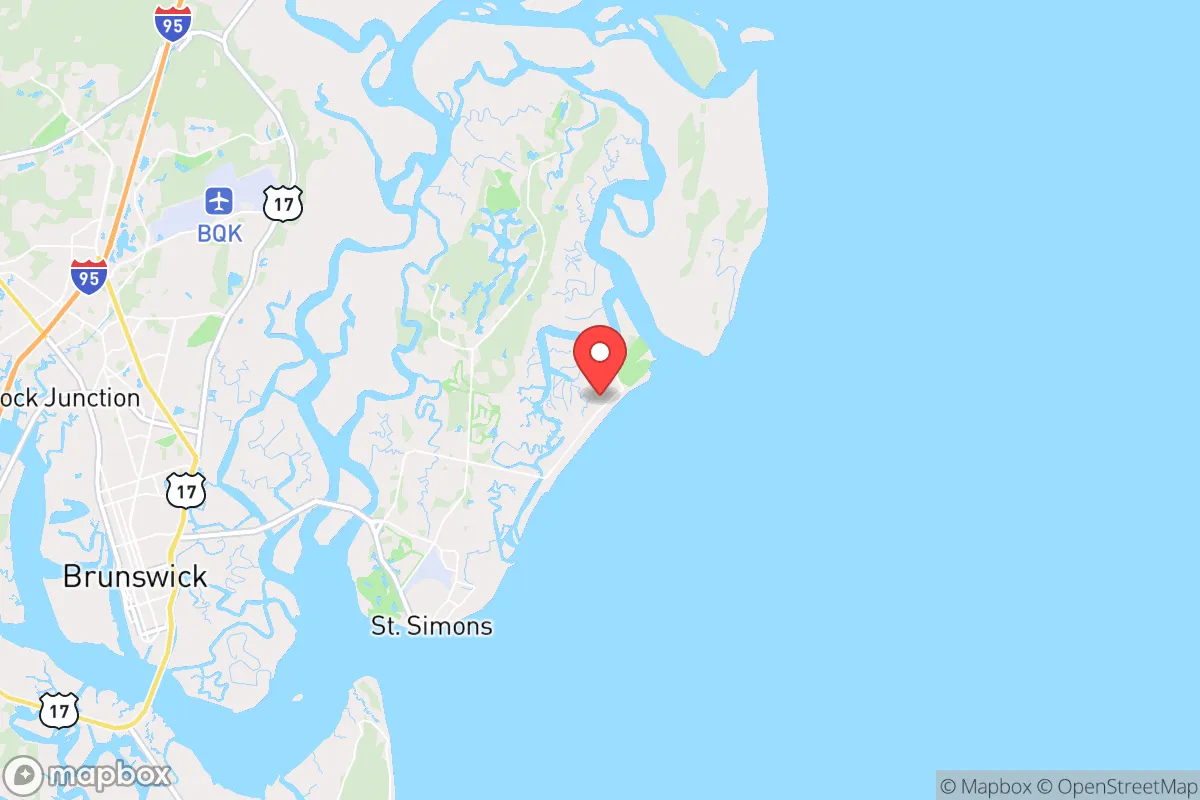
Strategic Assessment of Sea Island, GA
Meaningful friction. Expect exposure to either population pressure, blast zones, or natural disaster risk. Consider buying a retreat property.
What does the Strategic Assessment tell us?
Our Strategic Assessment grades tactical survivability of an area. Major population centers, military targets, fallout zones, natural disasters, and border exposure all drive risk — lower exposure means a more defensible position in a crisis.
This is heavily inspired by Joel Skousen's Strategic Relocation book. Highly recommended you checkout the book ($)What does this tell us?
Our Strategic Assessment grades tactical survivability of an area. Major population centers, military targets, fallout zones, natural disasters, and border exposure all drive risk — lower exposure means a more defensible position in a crisis.
This is heavily inspired by Joel Skousen's Strategic Relocation book. Highly recommended you checkout the book ($)Strategic Pillars

Key Distances
Regional Safe Places
Below is our recommended "safe zones" in Georgia and the surrounding area based on our strategic heuristics. For most people, it's unrealistic to live in a “safe zone” full-time due to work, family or other personal reasons. They tend to be more rural. However, many of these areas are perfect for second homes and retreat properties that double as a vacation home or even a short-term rental.
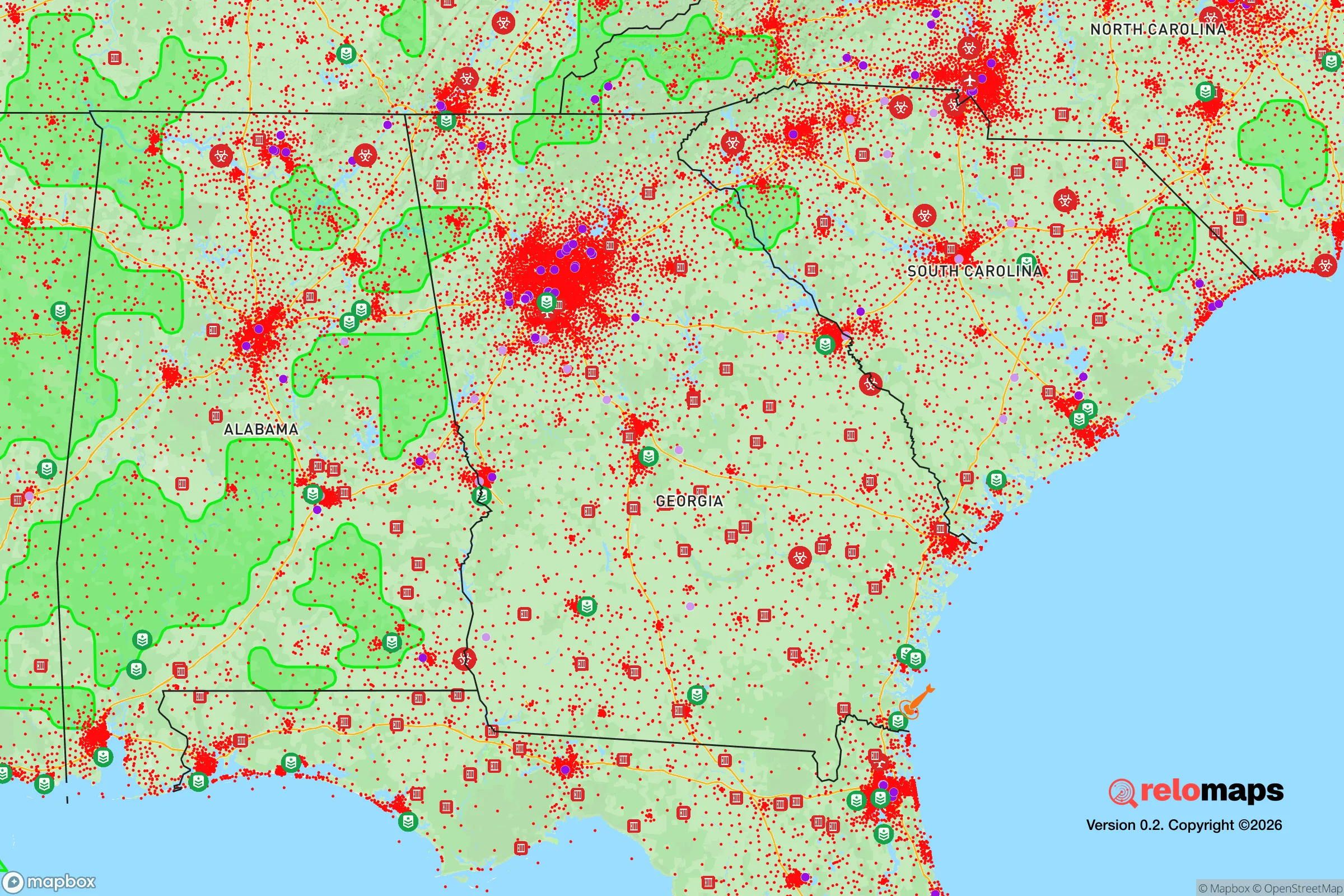
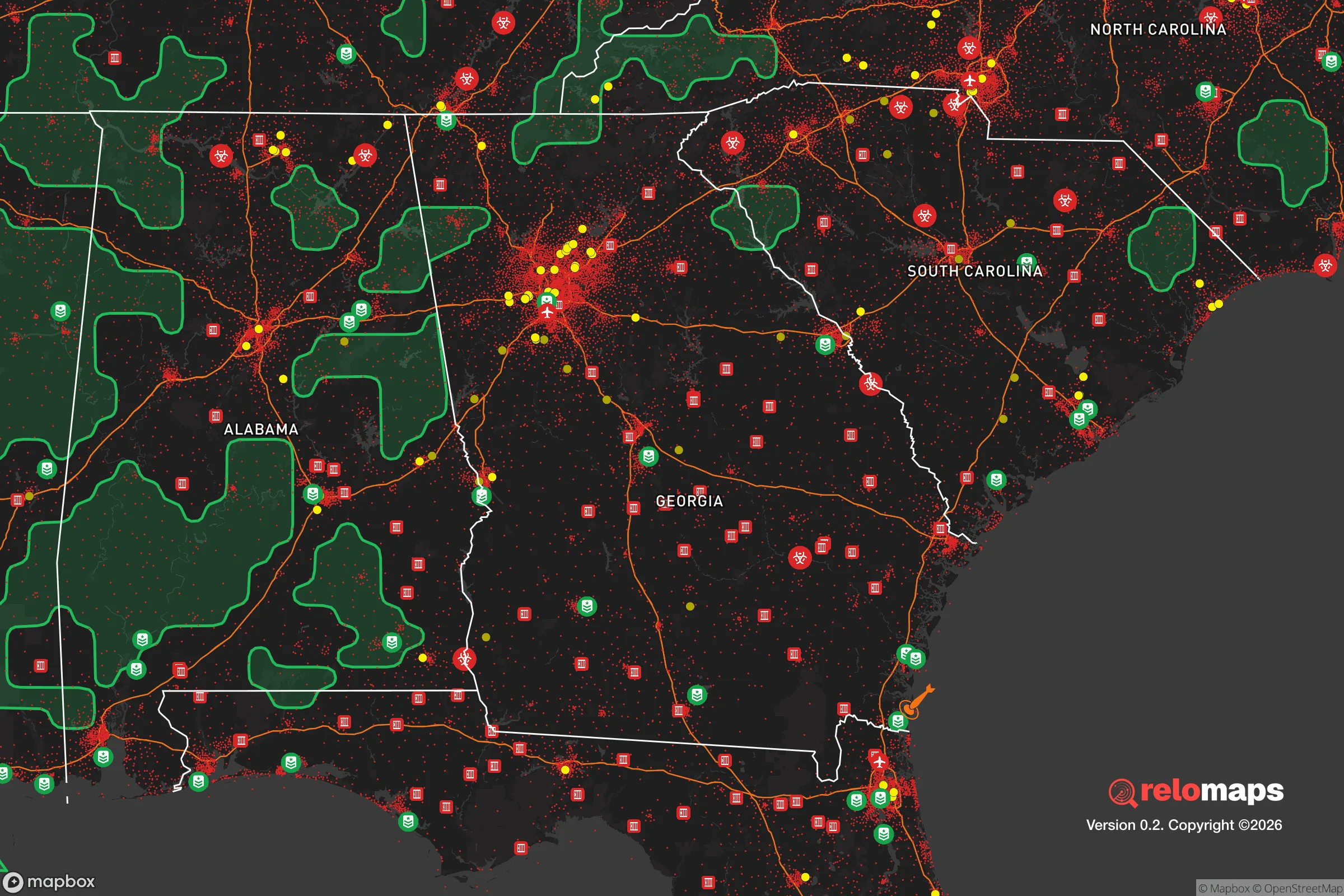


Important Note: For informational purposes only. This does not mean nothing bad ever happens in the green zones. Please use common sense. This is based on public data and modeled with AI. We tried to take a conservative approach but mistakes happen. We update this regularly as new information becomes available.
Solar Generator Recommendations
Backup power matters more here than in safer locations. We've picked three solar generators across budgets and capacity tiers — start with the budget unit if you only need a few essentials, or step up if you want to run a fridge and HVAC for days at a time.

Jackery Portable Power Station Explorer 300
Budget OptionPower on the Go: Weighing only 11 lbs, it's convenient to set up and store with book-sized foldable solar panels

BLUETTI Portable Power Station AC180
Designed for both indoor and outdoor scenarios, AC180 is highly capable as it has a robost capacity and continuous output power.

EF ECOFLOW DELTA Pro Ultra Power Station
Upgraded PickEcoFlow DELTA Pro Ultra is a whole-home energy system designed to grow with your family. Integrated with the Smart Home Panel 2, it scales to meet your evolving energy needs — keeping your home powered, intelligent, and secure through every stage of life.
We earn a commission, at no additional cost to you.
Strategic Assessment Analysis
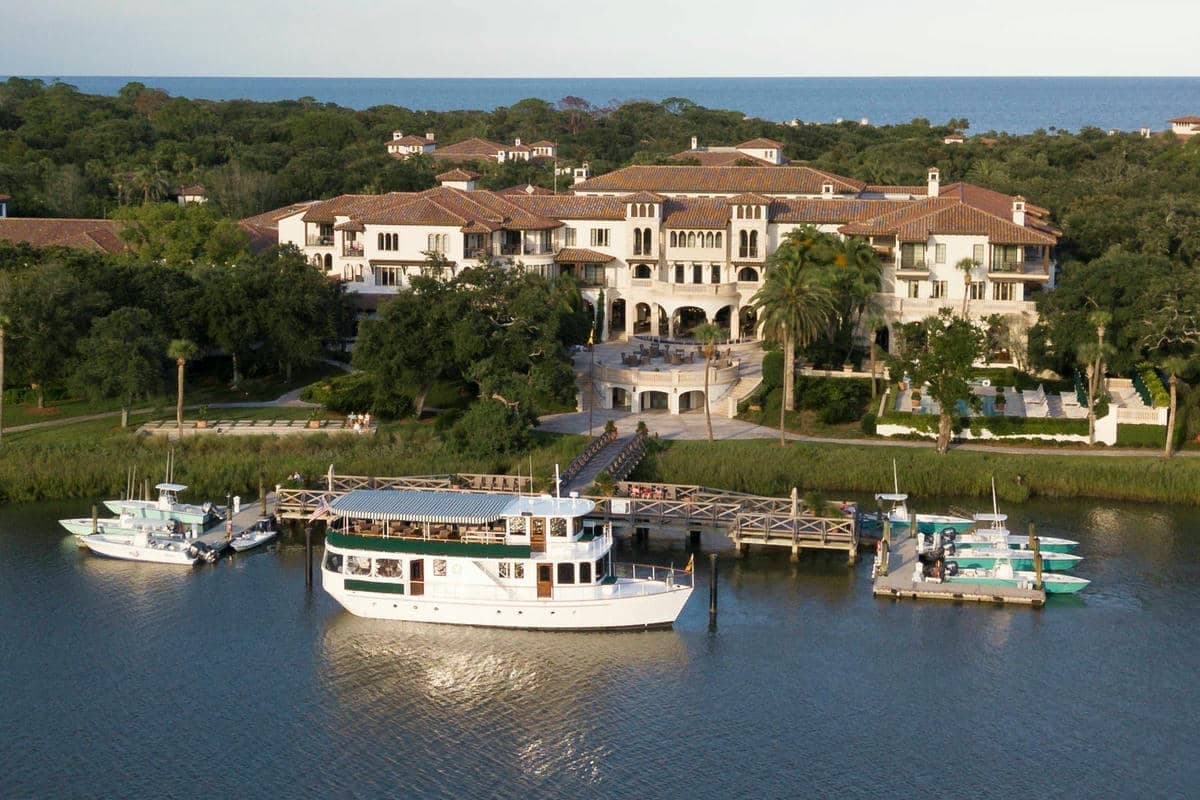
Sea Island, Georgia, offers a unique strategic proposition for those prioritizing resilience and long-term stability, but it comes with significant trade-offs that demand careful consideration. Located on a barrier island just off the coast of Glynn County, this enclave is physically separated from the mainland by the Marshes of Glynn, providing a natural buffer against the chaos of urban centers. However, its proximity to the Port of Brunswick—a major economic hub and potential target—and its exposure to Atlantic hurricane threats mean that any relocation here must be paired with a serious, layered preparedness plan. For the conservative-minded relocator seeking a defensible, low-profile base, Sea Island is a high-potential but high-maintenance option.
Geographic position and natural advantages for long-term stability
Sea Island’s geography is its strongest asset for those thinking in terms of strategic depth. The island is accessible only via a single causeway (Sea Island Causeway) from St. Simons Island, which itself is reached by the F.J. Torras Causeway from Brunswick. This creates a natural chokepoint that can be monitored and, if necessary, controlled—a critical factor for maintaining security during periods of civic unrest. The surrounding salt marshes and tidal creeks form a formidable natural barrier, making unauthorized approach by land or water difficult. The island’s low population density (roughly 1,000 year-round residents) further reduces the risk of social friction and resource competition. For those concerned with being near large cities, Sea Island sits roughly 70 miles from Savannah and 80 miles from Jacksonville—close enough for supply runs but far enough to avoid the immediate fallout of urban collapse. The subtropical climate supports year-round growing seasons, and the area’s abundant rainfall (averaging 50 inches annually) means freshwater availability is less of a concern than in drier regions. The island’s elevation, however, is a weak point—most of it sits at 10 feet or less above sea level, which directly ties into the next concern.
Risks, exposures, and proximity to fallout-relevant landmarks
The most glaring vulnerability for Sea Island is its exposure to Atlantic hurricanes and storm surge. The island has been directly impacted by major storms, including Hurricane Irma in 2017 and Hurricane Matthew in 2016, both of which caused significant flooding and infrastructure damage. For a prepper, this means any long-term plan must include robust storm hardening, elevated storage, and a reliable evacuation route—though the single causeway creates a potential bottleneck during mass evacuations. Beyond weather, the proximity to the Port of Brunswick is a double-edged sword. The port is a critical node for the nation’s supply chain, handling over 600,000 vehicles annually, and is a high-value target for both state-level adversaries and domestic disruption. A major incident at the port—whether from sabotage, cyberattack, or a mass casualty event—could ripple through the region, straining local resources and creating refugee flows. The nearby Federal Law Enforcement Training Center (FLETC) in Glynco, just 10 miles away, is another potential flashpoint; while it houses federal agents, it could also draw unwanted attention during periods of unrest. The Kings Bay Naval Submarine Base, 40 miles north, is a strategic nuclear asset that could be a target in a broader conflict. For the conservative relocator, these landmarks mean Sea Island is not a remote bunker but a location within the blast radius of national-level risks.
Practical resilience for a relocator: food, water, energy, and defensibility
For daily life and crisis scenarios, Sea Island requires a proactive approach to self-sufficiency. The island’s water supply comes from the Floridan Aquifer, which is generally reliable, but a prolonged power outage would disrupt pumping—so a backup generator and at least a two-week water cache are non-negotiable. The local power grid is served by Georgia Power, which has improved storm hardening but still experiences outages during major weather events. Solar panels are a viable option given the region’s sun exposure, but homeowners’ associations on Sea Island are restrictive, so any energy independence plan must be discreet or negotiated in advance. Food resilience is moderate: the island has no major grocery stores (the nearest are on St. Simons or in Brunswick), so a deep pantry and knowledge of coastal foraging (oysters, crabs, fish) are valuable. The surrounding marshes offer game like deer and feral hogs, but hunting is limited by private land ownership. Defensibility is the island’s standout feature—the single causeway and marsh barriers make it easy to monitor approach routes, and the small year-round community means fewer unknowns. However, the island’s high-end real estate (average home prices exceed $2 million) could make it a target for looting during widespread breakdown, so a low-profile lifestyle and good relations with neighbors are essential. For families, the Glynn County School System is adequate but not exceptional; many residents opt for private or homeschool options, which aligns with a conservative preference for educational autonomy.
The overall strategic picture for Sea Island is one of calculated risk. It offers a rare combination of natural isolation, low population density, and proximity to essential resources—but it is not a standalone fortress. The threats from hurricanes, port-related incidents, and nearby military assets mean that a relocator must treat this as a base that requires active management, not a passive retreat. For the conservative prepper who values community ties, coastal living, and a defensible position, Sea Island can work—but only with a serious investment in infrastructure, a solid evacuation plan, and a clear-eyed acceptance that no location is immune to the broader instability of the times. If you’re looking for a place to ride out the storm while staying connected to the outside world, this island is worth a hard look. Just don’t expect it to be a safe harbor without doing the work.

* Values derived from national, state, county, city and local statistics and may differ in a specific area. Last updated: 2026-04-23T05:13:01.000Z
Narrative content on this page is AI-generated and may contain mistakes. Verify any details that matter before acting on them.
ReloMaps may earn a commission from affiliate links at no extra cost to you.

