 Popular
Photo: Wikipedia
Find The Best Places To Live
in Atlanta
PRO TIP! You can paste a Zillow or Redfin link to get info on that property.
What It's Like Living in Atlanta, GA
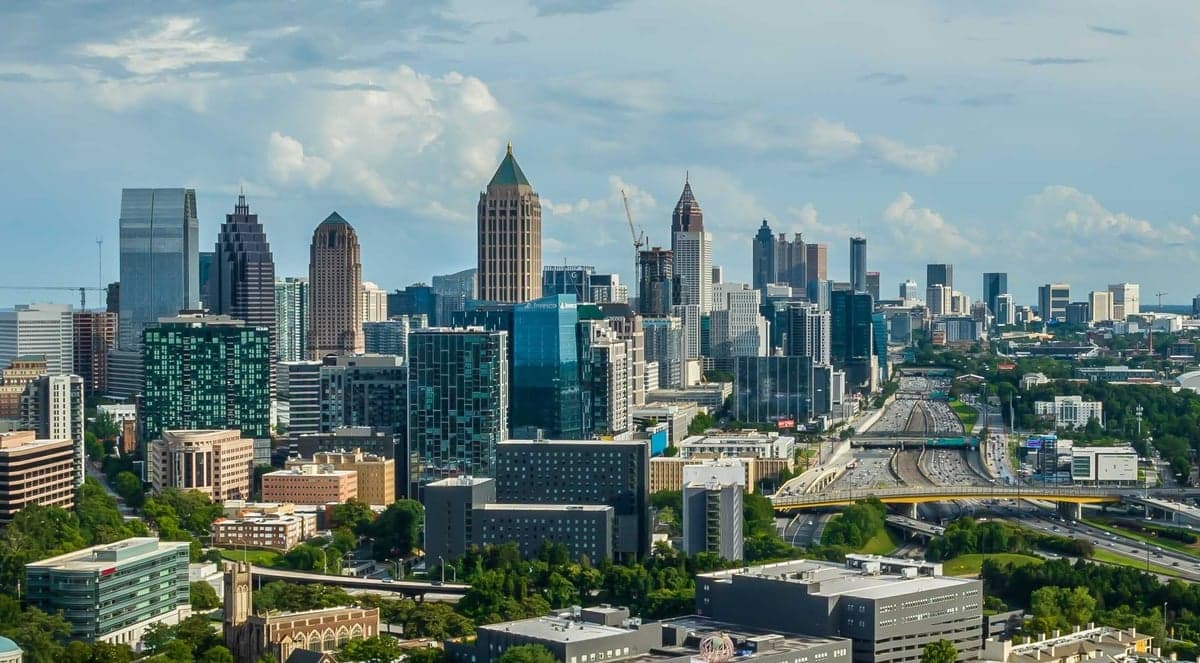
Living in Atlanta means signing up for a city that’s equal parts Southern charm, corporate ambition, and unapologetic chaos. It’s a place where you can grab barbecue at a gas station joint one night and catch a Broadway show the next, all while sitting in traffic that will test your patience like nothing else. With roughly 499,000 people inside city limits and a metro area pushing 6 million, Atlanta feels like a collection of small towns that happen to share a skyline and a notoriously busy airport.
Daily Rhythm: What People Actually Do
Most Atlantans spend their weekdays commuting—the average drive clocks in around 27 minutes, but that number can double if you’re crossing town during rush hour. The city’s layout is sprawling, so where you live dictates your routine. Inside the Perimeter (ITP), neighborhoods like Virginia-Highland, Decatur, and Inman Park offer walkable strips with coffee shops, farmers markets, and dog-friendly patios. Outside the Perimeter (OTP), you’ll find subdivisions, big-box shopping, and a more family-oriented pace. Grocery shopping often means a mix of Publix for convenience and the local Dekalb Farmers Market for serious bulk produce. Weekends revolve around brunch (Murphy’s in Virginia-Highland is a standby), hiking at Sweetwater Creek or Stone Mountain, or catching a show at the Fox Theatre. The median age is 34, so the city leans young and professional, but families are common in the suburbs and in intown neighborhoods like Morningside.
Who Fits In Here
Atlanta works best for people who are career-driven but don’t want to sacrifice a social life. The median income sits at about $82,000, and with 58% of adults holding a college degree, the workforce is educated and competitive. You’ll find a heavy concentration of jobs in film (Tyler Perry Studios, Pinewood Atlanta), logistics (UPS, Delta Air Lines), and tech (Mailchimp, NCR, and a growing startup scene). The cost of living index is 143—well above the national average—and median home values are around $420,600, so you’ll need a solid salary to buy in the desirable intown neighborhoods. Renting is common among singles and young couples, with one-bedrooms in popular areas running $1,600 to $2,200. The kind of person who thrives here is someone who can handle a little chaos, doesn’t mind a long commute for a good job, and values access to culture over square footage.
Sports & Community: More Than Just the Braves
Sports are a big deal in Atlanta, but not in the obsessive way you see in, say, Boston or Philadelphia. The Braves are the crown jewel—they draw huge crowds to Truist Park in Cobb County, and the 2021 World Series win cemented their place in local lore. The Falcons play in Mercedes-Benz Stadium downtown, and while they’ve had their ups and downs, game days still bring a party atmosphere. College football is massive: the Georgia Bulldogs (just up the road in Athens) have a fanbase that bleeds red and black, and you’ll see “Go Dawgs” flags on porches year-round. High school football is a big deal in the suburbs, with programs like Buford and Grayson drawing thousands on Friday nights. For a more low-key scene, Atlanta United FC (MLS) has a rabid following—games at the Benz are loud, diverse, and family-friendly. If you’re not into sports, you’ll still hear about them constantly; they’re a default conversation starter.
What’s There to Do: Festivals, Food, and Green Space
Atlanta punches above its weight in entertainment. The music scene is legendary—from the Fox Theatre’s ornate shows to the intimate Earl in East Atlanta, you can find live music every night. Festivals are a year-round thing: the Atlanta Dogwood Festival in Piedmont Park, the SweetWater 420 Fest, and the massive Music Midtown draw tens of thousands. Food is a highlight, with a deep bench of soul food (try Busy Bee Cafe), Korean BBQ in Duluth, and inventive Southern cuisine at places like Miller Union. The BeltLine—a former railway corridor turned multi-use trail—is the city’s social spine, connecting parks, breweries, and art installations. Piedmont Park is the central green space, perfect for pickup soccer, concerts, or just lying in the sun. Outdoor types also head to the Chattahoochee River for kayaking or tubing, and the North Georgia mountains are a 90-minute drive for hiking and waterfalls.
Pros and Cons of Living Here
- What residents love: The diversity—both racial and cultural—is genuine, not performative. You can find any cuisine, any music, any community here. The job market is strong, especially in film and logistics. The airport (ATL) is a global hub, making travel easy. The weather is mild enough for outdoor activities most of the year, though summers are humid.
- What frustrates them: Traffic is the number one complaint—it’s not just a meme, it’s a daily reality. The violent crime rate is 722.7 per 100,000, which is high, though it’s concentrated in specific areas and not a constant worry for most residents in safer neighborhoods. Public transit (MARTA) is limited and doesn’t serve the suburbs well. Schools are a mixed bag—some of the best in the state are in the suburbs, but Atlanta Public Schools have struggled with consistency, leading many families to go private or move OTP.
Cultural Quirks & Practical Realities
Atlanta has a few quirks that newcomers notice fast. The city is obsessed with its “peach” identity, but the actual fruit is from South Carolina—nobody cares. “OTP” vs. “ITP” is a real social divide, with intown residents often looking down on suburban sprawl. The weather is unpredictable: you’ll get 70-degree days in January and sudden thunderstorms in July. Schools play a huge role in community identity—parents bond over school zones, PTA meetings, and weekend soccer tournaments. The city’s history is ever-present, from the Martin Luther King Jr. National Historical Park to the legacy of the 1996 Olympics. It’s a place that’s constantly reinventing itself, but the traffic and crime are stubborn realities that no amount of new development seems to fix. If you can roll with the punches, Atlanta rewards you with opportunity, community, and a surprising amount of green space for a major city.

Similar mid-size cities to Atlanta
* Values derived from national, state, county, city and local statistics and may differ in a specific area. Last updated: 2026-04-15T23:38:18.000Z
Narrative content on this page is AI-generated and may contain mistakes. Verify any details that matter before acting on them.
ReloMaps may earn a commission from affiliate links at no extra cost to you.

