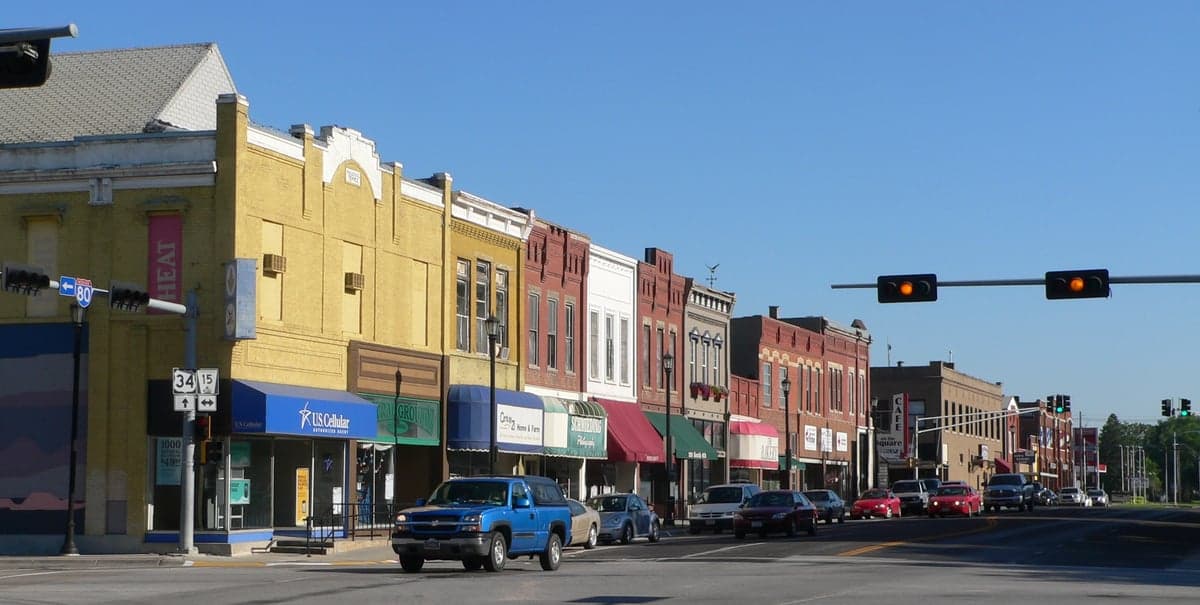
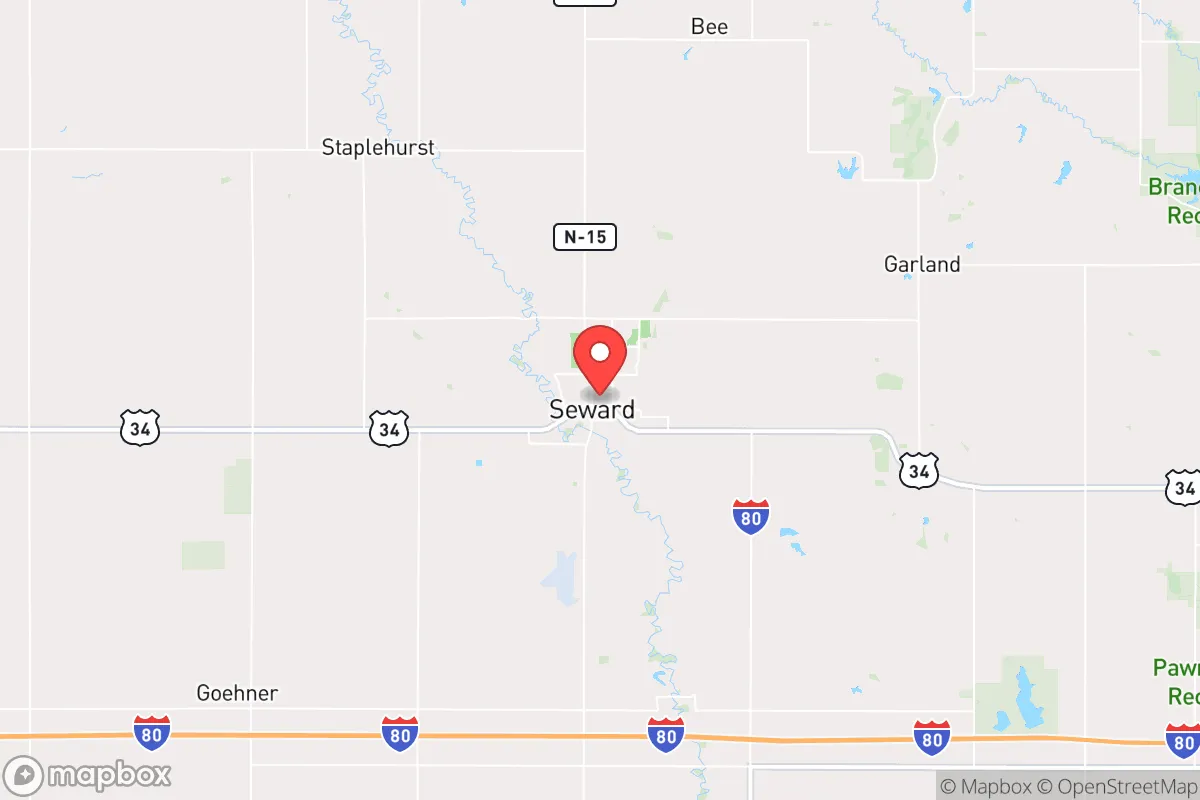
Photo: Wikipedia
Quality of Life in Seward, NE
A high quality of life with strong walkability, manageable living costs, healthy neighborhood signals, and solid amenity access.
What does Quality of Life tell us?
Quality of Life blends cost of living, nearby amenities, socioeconomic signals, and neighborhood character. City-level scores represent the whole municipality; individual neighborhoods can differ.
What does this tell us?
Quality of Life blends cost of living, nearby amenities, socioeconomic signals, and neighborhood character. City-level scores represent the whole municipality; individual neighborhoods can differ.
Cost of Living
16% below national average
The Real Cost of Living in Seward, NE for 2026
| Tier | Individual | Family (4) |
|---|---|---|
| Survival | $16k | $30k |
| Comfortable | $45k | $66k |
| Luxury | $101k+ | $157k+ |
| Elite (Top 5%) | $119k+ | $185k+ |
105%
The Area Signal
A metric tracking the socioeconomic signals of the area.
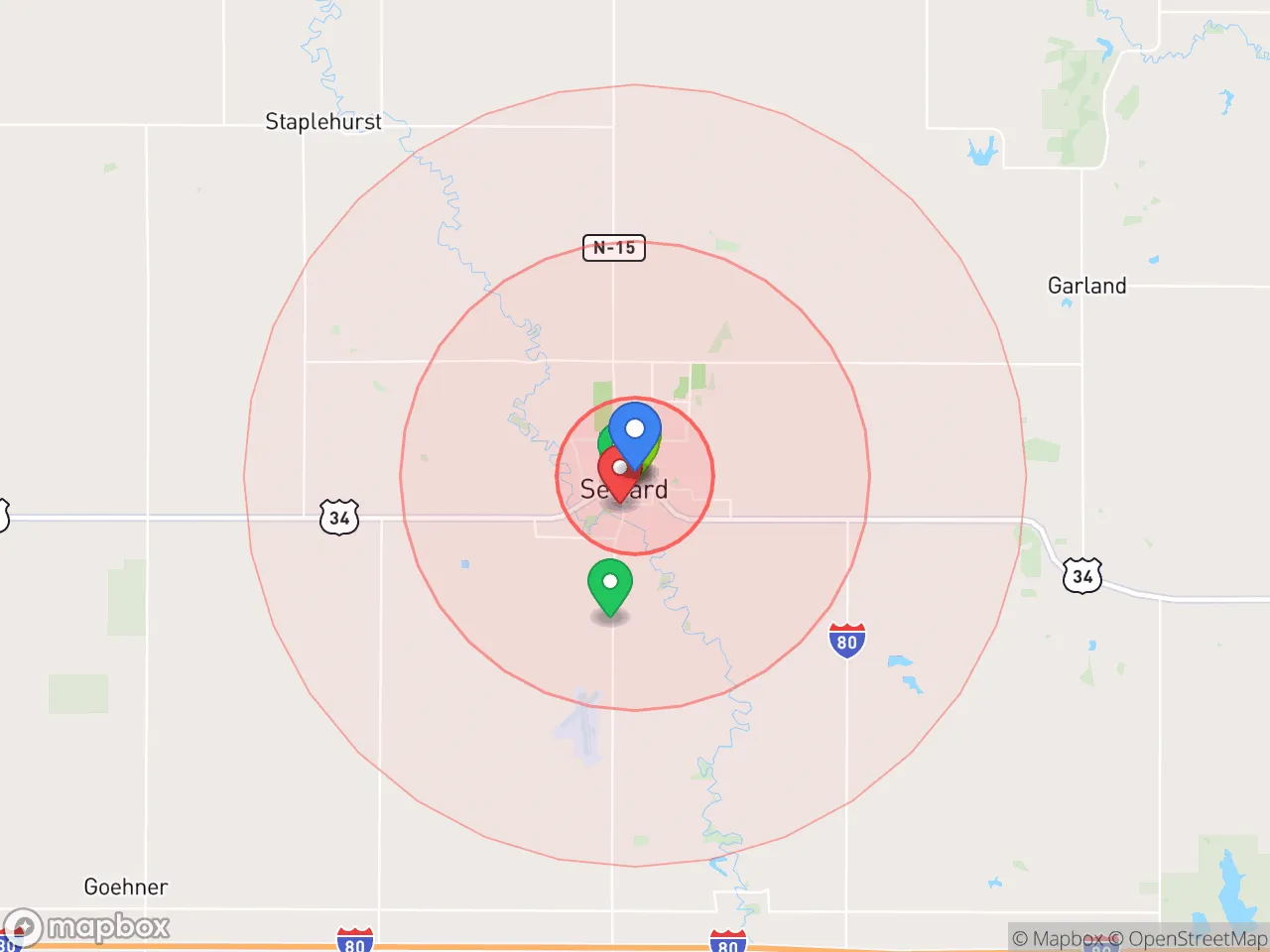
Hobbies
Explore the areaGroceries
1 within 10 miles
Gas
8 within 10 miles
Hospital
1 within 20 miles
Airport
MCI — Kansas City International
Post Office
USPS — Seward, NE
Critical Amenities
Quality-of-Life Analysis
Seward, Nebraska, presents a quality of life defined by small-town stability, strong civic engagement, and a cost of living that significantly undercuts national averages. With a cost of living index of 84 (where 100 equals the U.S. average), the city attracts a mix of young families seeking affordable homeownership, professionals commuting to Lincoln, and retirees drawn to the quiet, low-stress environment. The population, around 7,600, is notably educated and civically active, anchored by Concordia University and a robust local school system, creating a community that values tradition, education, and neighborly connection.
Cost of living, housing, and how Seward compares to Lincoln
Seward’s affordability is its most tangible quality-of-life advantage. The median home value of $232,500 is roughly 30% lower than the median in Lincoln (approximately $330,000), while the median rent of $986 undercuts Lincoln’s average by about $200 per month. This price gap allows residents to own a single-family home on a larger lot than they could afford in the state capital. The average commute of just 18 minutes is a key differentiator: most residents work within Seward or make the 25-minute drive to Lincoln, avoiding the congestion and longer travel times common in larger metro areas. Property taxes in Seward County are moderate for Nebraska, and the overall low cost of living means disposable income stretches further for dining, recreation, and savings.
Amenities, schools, and what daily life feels like
Daily life in Seward revolves around a walkable downtown square, the campus of Concordia University, and a calendar of community events that includes the renowned Nebraska State 4-H Horse Expo and the Seward County Fair. The Seward Public Schools system is a major draw, consistently rated above state averages in test scores and offering strong extracurricular programs. For everyday needs, residents have access to a full-service grocery store, a public library, and a regional hospital (Seward Memorial Hospital). Dining options are limited to local cafes and family-style restaurants, but Lincoln’s broader retail and entertainment scene is a short drive away. Outdoor recreation centers on the Blue River and the 40-acre Seward City Park, which features a disc golf course, sports fields, and a fishing pond. The pace is unhurried—neighbors know each other, traffic is negligible, and the biggest weekly decision is often which local event to attend.
Seward is best suited for those who prioritize affordability, safety, and community connection over urban nightlife or career diversity. Young families will find a strong school system and a housing market that rewards first-time buyers. Commuters to Lincoln or Grand Island will appreciate the short drive and lower stress. Retirees and remote workers will value the low cost of living and quiet, walkable downtown. The trade-off is limited job variety outside of education, healthcare, and manufacturing, and a social scene that relies heavily on university and church events. For anyone seeking a stable, low-cost, and genuinely neighborly Nebraska town, Seward delivers a quality of life that is hard to match at this price point.

Crime in Seward, NE
Lower crime rates than 96% of comparable U.S. locations.
Violent CrimeViolent Crime Analysis
Property CrimeProperty Crime Analysis
Crime Analysis
Seward, Nebraska, presents a notably safe environment compared to national benchmarks, though its property crime rate warrants attention from prospective residents. With a violent crime rate of just 25.8 incidents per 100,000 residents and a property crime rate of 631 per 100,000, the city offers a level of security that stands in stark contrast to the risks found in larger metropolitan areas. This data positions Seward as a low-crime community within the state, a significant factor for those relocating from regions with higher crime indices.
Crime in context
When placed against state and national averages, Seward’s crime statistics are exceptionally favorable. The violent crime rate of 25.8 per 100,000 is roughly 85% lower than the national average of approximately 380 per 100,000, and well below Nebraska’s state average of around 250 per 100,000. The property crime rate of 631 per 100,000 is also significantly lower than the national average of about 1,950 per 100,000, though it is closer to Nebraska’s state average of roughly 1,500 per 100,000. This indicates that while Seward is not crime-free, its risk profile is dramatically lower than that of large metro areas, where progressive prosecutorial policies often correlate with higher recidivism and reduced public safety. In Seward, the justice system operates with a focus on accountability, contributing to these favorable outcomes.
What residents experience
Daily life in Seward is characterized by a strong sense of security. Residents commonly report feeling safe walking downtown, using local parks, and leaving doors unlocked during the day. The low violent crime rate means incidents like assault, robbery, and homicide are extremely rare, making the city particularly attractive for families and retirees. Property crime, while more common, typically involves theft from vehicles or minor burglaries rather than organized or violent property offenses. The local police department maintains a visible presence and a community-oriented approach, which further reinforces public trust. This environment is a direct result of local governance that prioritizes victim rights and public order over lenient offender-centric policies.
Neighborhood-level variation in Seward is minimal, with crime concentrated in a few specific areas rather than being widespread. The downtown commercial district and areas near the Seward Municipal Airport see slightly higher rates of minor property crime, such as vehicle break-ins, but these remain low in absolute terms. Residential neighborhoods, particularly those west of Highway 15 and around Concordia University, are exceptionally safe. Prospective residents should note that the city’s small size and cohesive community make it easy to identify and avoid any higher-risk pockets, which are far less dangerous than typical urban neighborhoods. Overall, Seward offers a level of safety that is increasingly rare in the United States, particularly when compared to large metro areas with progressive criminal justice systems.
* Values derived from national, state, county, city and local statistics and may differ in a specific area. Last updated: 2026-09-21T19:02:24.000Z
Narrative content on this page is AI-generated and may contain mistakes. Verify any details that matter before acting on them.
ReloMaps may earn a commission from affiliate links at no extra cost to you.

