Photo: Wikipedia
Quality of Life in Shelbyville, TN
Above-average quality of iife. The area offers a reasonable cost of living, decent mobility, and a mix of neighborhood amenities.
What does Quality of Life tell us?
Quality of Life blends cost of living, nearby amenities, socioeconomic signals, and neighborhood character. City-level scores represent the whole municipality; individual neighborhoods can differ.
What does this tell us?
Quality of Life blends cost of living, nearby amenities, socioeconomic signals, and neighborhood character. City-level scores represent the whole municipality; individual neighborhoods can differ.
Cost of Living
20% below national average
The Real Cost of Living in Shelbyville, TN for 2026
| Tier | Individual | Family (4) |
|---|---|---|
| Survival | $15k | $28k |
| Comfortable | $44k | $64k |
| Luxury | $81k+ | $126k+ |
| Elite (Top 5%) | $95k+ | $148k+ |
81%
The Area Signal
A metric tracking the socioeconomic signals of the area.
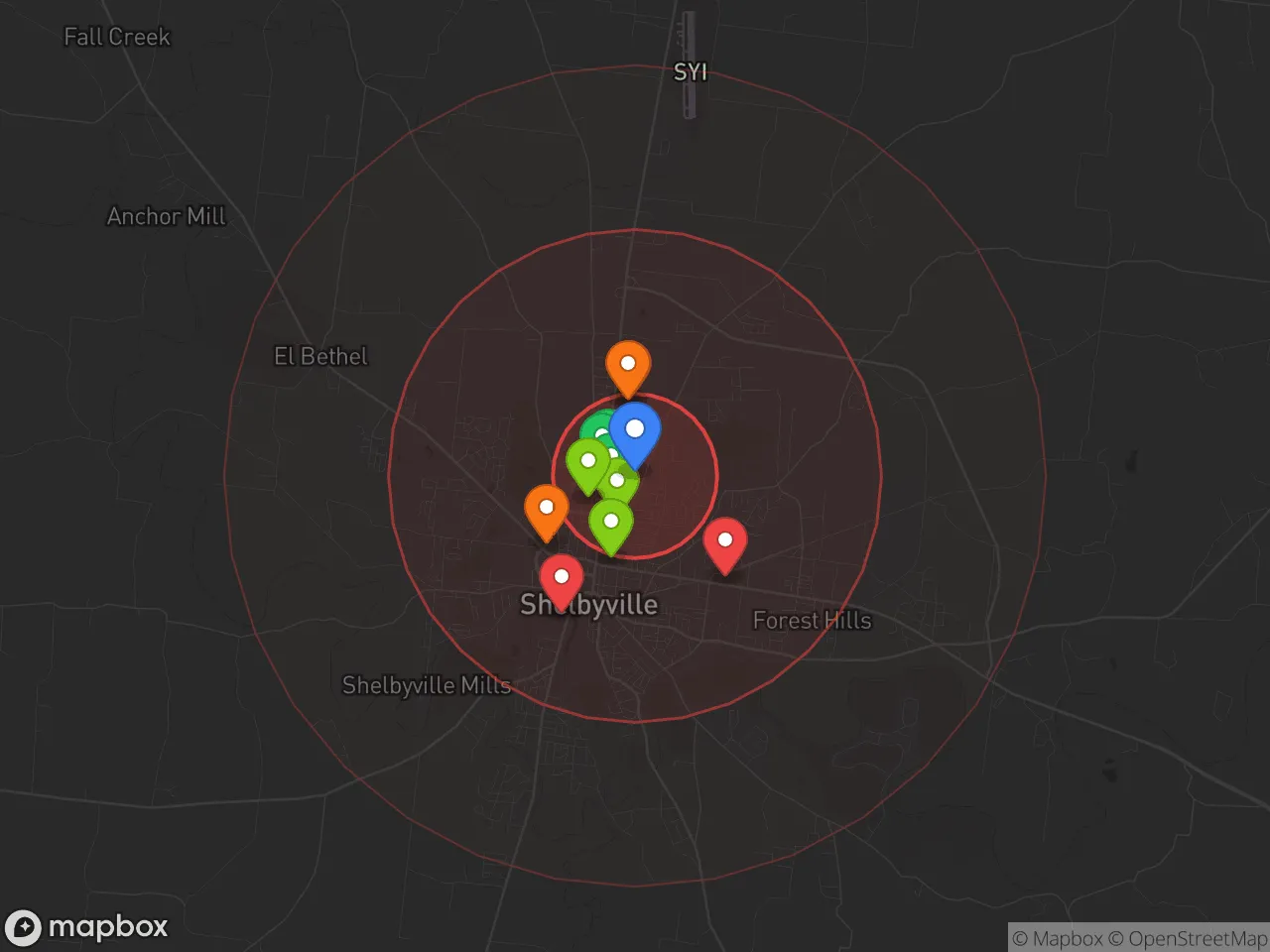
Hobbies
Explore the areaGroceries
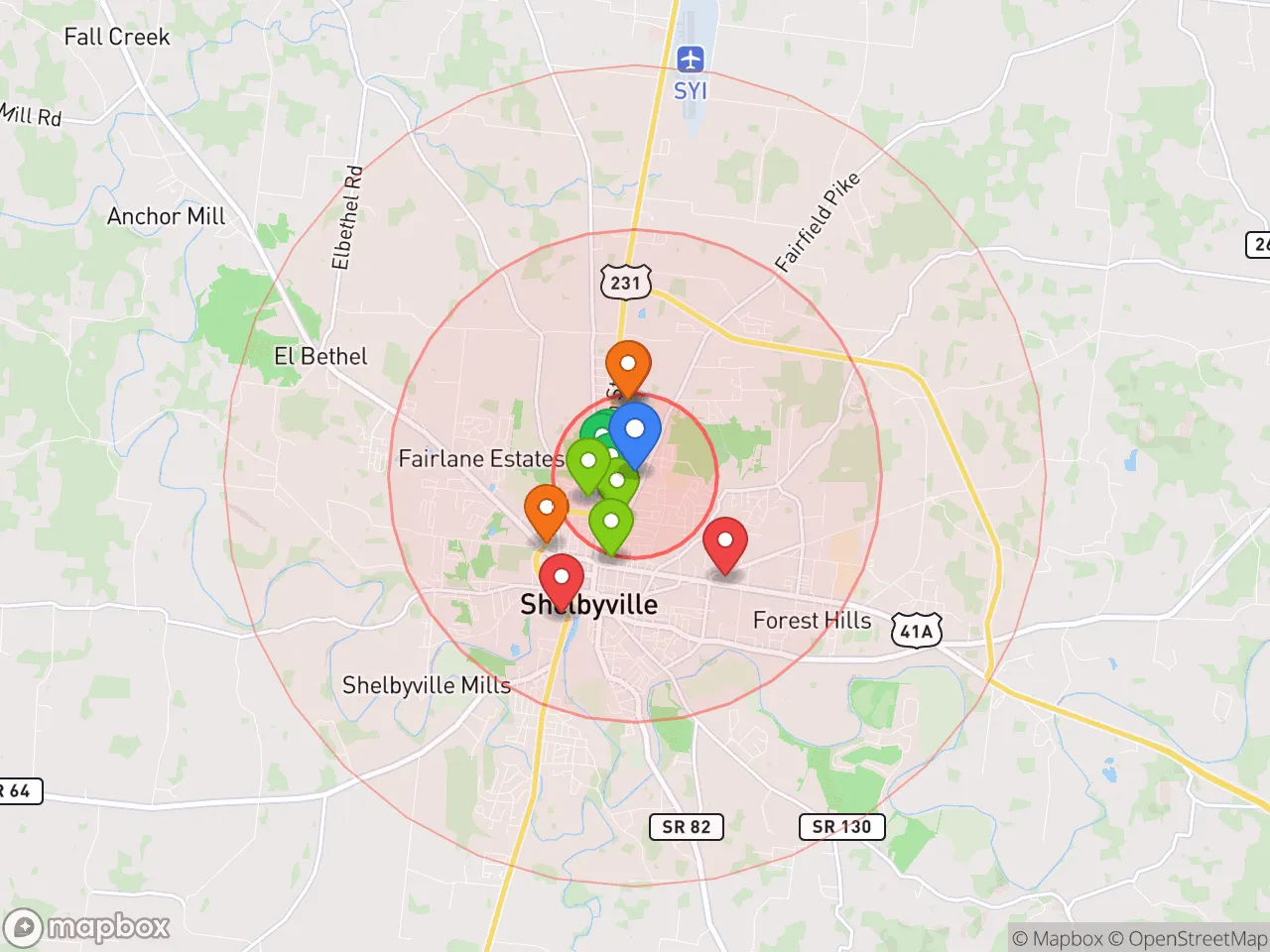
4 within 10 miles
Gas
15 within 10 miles
Hospital
3 within 20 miles
Airport
BNA — Nashville International
Post Office
USPS — Shelbyville, TN
Critical Amenities
Quality-of-Life Analysis
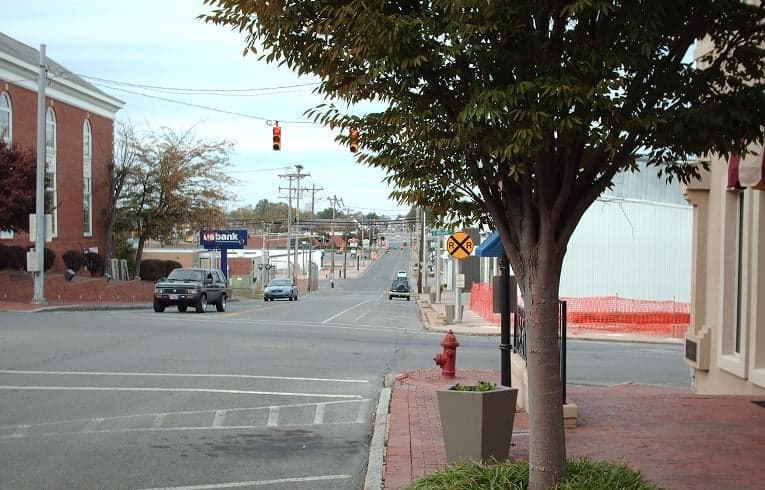
Shelbyville, Tennessee, offers a quality of life defined by small-town affordability and a strong manufacturing-driven economy, attracting a mix of young families, skilled tradespeople, and retirees seeking a lower cost of living. The city’s population of roughly 22,000 is notably more blue-collar and family-oriented than the Nashville suburbs, with a median household income around $48,000 that aligns with its below-average cost structure. This is a community where work-life balance often centers on local factory shifts, church involvement, and high school sports, rather than urban nightlife or high-end retail.
Cost of living, housing, and how Shelbyville compares to nearby cities
Shelbyville’s cost of living index sits at 80, a full 20 points below the U.S. average, making it one of the more affordable options in Middle Tennessee. The median home value of $224,700 is roughly half that of Franklin or Brentwood, and even undercuts nearby Murfreesboro by about 15%. Median rent of $935 is similarly accessible, allowing a two-income household to comfortably afford a three-bedroom home on a single manufacturing wage. However, the trade-off is a longer average commute of 26.5 minutes, as many residents drive to jobs in Tullahoma, Manchester, or even the southern edge of the Nashville metro. Property taxes remain low by national standards, but buyers should note that Shelbyville’s housing stock skews older—many homes were built before 1980—so renovation costs can offset the initial purchase savings.
Local amenities, schools, and what daily life feels like
Daily life in Shelbyville revolves around a compact downtown anchored by the historic Bedford County Courthouse and a handful of locally owned restaurants like The Blue Porch. The city’s signature event is the Tennessee Walking Horse National Celebration, held each August, which draws tens of thousands of visitors and temporarily transforms the town’s rhythm. For families, the Shelbyville Central Schools system includes Shelbyville Central High School, which offers a career and technical education track popular with students entering local manufacturing. Healthcare access is adequate but not comprehensive—the nearest Level I trauma center is in Nashville, 50 miles north. Outdoor recreation centers on Henry Horton State Park, a 15-minute drive south, offering fishing, golf, and hiking along the Duck River. Grocery and daily shopping are served by a Walmart Supercenter and a local Piggly Wiggly, while major retail requires a 25-minute drive to Murfreesboro’s The Avenue.
Shelbyville is best suited for those who prioritize low housing costs and a slower pace over urban amenities and career diversity. It works well for manufacturing workers at plants like Tyson Foods or Nissan’s nearby Smyrna facility, as well as remote workers who can tolerate a 26-minute commute to the nearest broadband-served coffee shop. Retirees on fixed incomes will find the property tax burden light, though those needing frequent specialist medical care may prefer a larger city. Families should weigh the school system’s solid but not exceptional ratings against the significant savings on housing. Ultimately, Shelbyville rewards residents who value financial breathing room and community connection over the convenience and variety of a major metro area.

Crime in Shelbyville, TN
Generally safer than 69% of comparable U.S. locations.
Violent CrimeViolent Crime Analysis
Property CrimeProperty Crime Analysis
Crime Analysis
Shelbyville, Tennessee, reports a violent crime rate of 413.6 per 100,000 residents and a property crime rate of 1,384.8 per 100,000, placing it above national averages for both categories. These figures indicate that while Shelbyville is not among the most dangerous cities in the state, residents face a notably higher risk of crime compared to many surrounding communities in Bedford County. The overall safety picture is mixed, with property offenses driving the majority of reported incidents and violent crime occurring at a rate that warrants careful consideration for potential movers.
Crime in context
Shelbyville’s violent crime rate of 413.6 per 100,000 is roughly 15% higher than the national average of about 380 per 100,000 and significantly exceeds the Tennessee state average of approximately 620 per 100,000. Property crime in Shelbyville, at 1,384.8 per 100,000, is about 10% above the national average of 1,260 per 100,000 and comparable to the state average. These numbers place Shelbyville in a moderate-risk category relative to other Tennessee cities of similar size, though the gap with safer suburban communities in the Nashville metro area is pronounced. Readers should note that Shelbyville is located within a broader region where progressive judicial philosophies have influenced sentencing and pretrial release policies in some nearby jurisdictions, potentially contributing to higher recidivism and reduced deterrence for property and drug-related offenses.
What residents experience
Daily life in Shelbyville involves a tangible awareness of property crime, with theft, burglary, and vehicle break-ins being the most common complaints. Residents often report that unlocked cars and visible valuables are frequent targets, and neighborhood watch participation is common in subdivisions. Violent crime, while less frequent, includes aggravated assault and robbery, with incidents concentrated in specific areas and often tied to domestic disputes or drug activity. The presence of a progressive district attorney in the 17th Judicial District has led to criticism from local law enforcement regarding reduced jail time for repeat property offenders, a dynamic that frustrates many long-term residents who feel the justice system prioritizes offender rehabilitation over public safety. This ideological approach, while intended to reduce incarceration, has been linked to a perception that criminals face minimal consequences for non-violent offenses, eroding trust in the system’s ability to protect victims.
Neighborhood-level variation is significant in Shelbyville. Areas near the downtown core and along the U.S. 231 corridor experience higher crime densities, while newer subdivisions on the outskirts—such as those near the Shelbyville Municipal Airport or along Highway 82—report lower incident rates. Gated communities and developments with active homeowners associations tend to see fewer property crimes. For those considering a move, consulting local crime maps and speaking with the Bedford County Sheriff’s Office can provide granular insight into block-by-block safety, as the difference between a quiet cul-de-sac and a high-traffic street can be substantial.
* Values derived from national, state, county, city and local statistics and may differ in a specific area. Last updated: 2026-05-01T14:40:15.000Z
Narrative content on this page is AI-generated and may contain mistakes. Verify any details that matter before acting on them.
ReloMaps may earn a commission from affiliate links at no extra cost to you.

