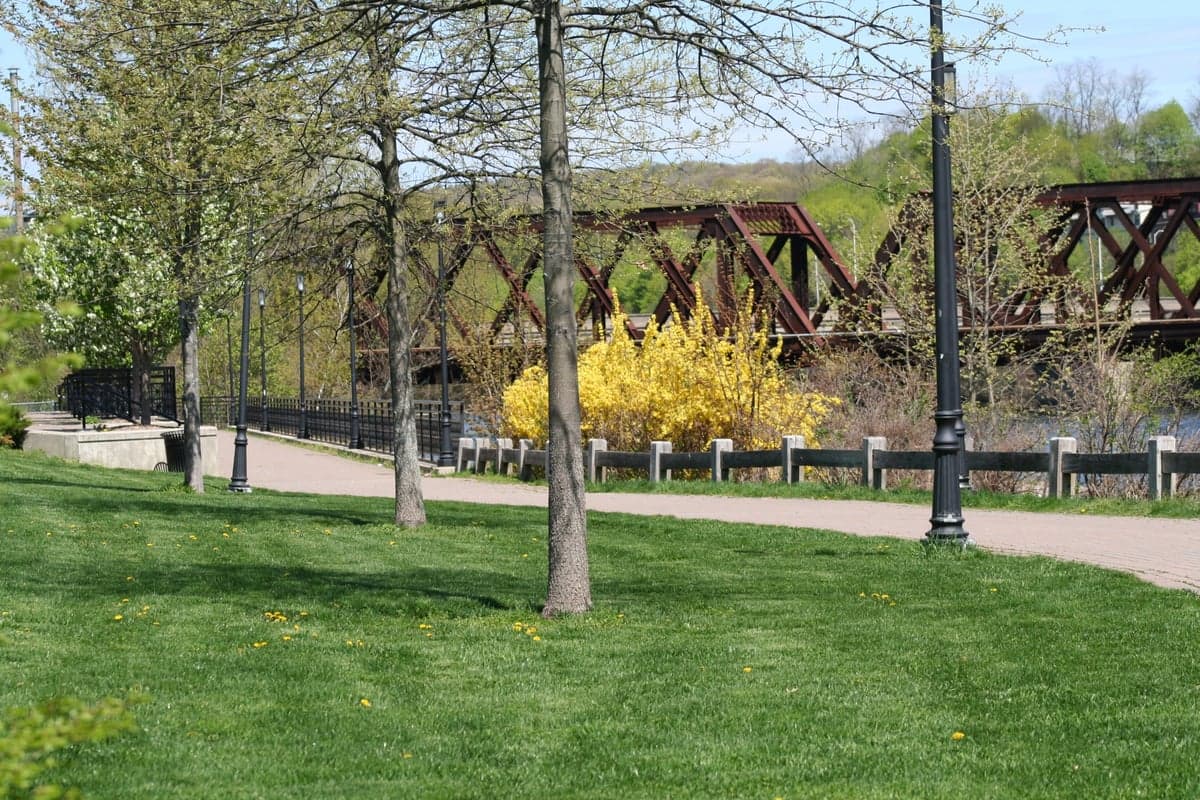
Photo: Wikipedia
Quality of Life in Shelton, CT
A high quality of life with strong walkability, manageable living costs, healthy neighborhood signals, and solid amenity access.
What does Quality of Life tell us?
Quality of Life blends cost of living, nearby amenities, socioeconomic signals, and neighborhood character. City-level scores represent the whole municipality; individual neighborhoods can differ.
What does this tell us?
Quality of Life blends cost of living, nearby amenities, socioeconomic signals, and neighborhood character. City-level scores represent the whole municipality; individual neighborhoods can differ.
Cost of Living
48% above national average
The Real Cost of Living in Shelton, CT for 2026
| Tier | Individual | Family (4) |
|---|---|---|
| Survival | $27k | $50k |
| Comfortable | $85k | $124k |
| Luxury | $184k+ | $286k+ |
| Elite (Top 5%) | $217k+ | $336k+ |
92%
The Area Signal
A metric tracking the socioeconomic signals of the area.


Hobbies
Explore the areaGroceries
3 within 10 miles
Gas
0 within 10 miles
Hospital
3 within 20 miles
Airport
JFK — John F. Kennedy International
Post Office
USPS — New Haven, CT
Critical Amenities
Quality-of-Life Analysis
Shelton, Connecticut, presents a quality of life defined by suburban affluence and a strong sense of community, attracting a mix of young professionals, established families, and long-time residents who value its blend of natural beauty and proximity to major employment hubs. With a cost of living index of 148—well above the national average of 100—the city commands a premium that reflects its desirable location in Fairfield County, yet it remains a more attainable alternative to pricier neighbors like Darien or Westport. The population skews toward college-educated homeowners, drawn by top-rated schools and a slower pace of life that still offers quick access to New York City via the Metro-North Railroad from nearby Bridgeport or Derby.
Cost of living and housing affordability compared to Fairfield County
Shelton’s housing market is the primary driver of its elevated cost of living, with a median home value of $435,700 and a median rent of $1,661. While these figures are steep against the national median, they represent a significant discount compared to the Fairfield County average, where median home values often exceed $600,000. For buyers, this means a single-family home in Shelton’s Huntington or White Hills neighborhoods can be had for roughly 30% less than a comparable property in Stamford or Greenwich. Renters face a tighter market, with the $1,661 median rent still below the county average of around $1,900, though inventory is limited. The average commute of 28.8 minutes—shorter than the regional norm—is a key trade-off: residents save time and money traveling to jobs in Bridgeport, Danbury, or New Haven, while those commuting to Manhattan face a 90-minute door-to-door trip via train and subway. Property taxes in Shelton are moderate for Connecticut, with a mill rate of roughly 23.5 mills, adding roughly $10,000 annually on a median-priced home, which is competitive with neighboring towns like Monroe or Trumbull.
What daily life is like for families: schools, parks, and local amenities
Daily life in Shelton revolves around its strong public school system—Shelton High School and intermediate schools consistently rank in the top 30% of Connecticut schools—and an abundance of outdoor recreation. The city’s 1,500-acre Shelton Lakes Recreation Path offers hiking, biking, and fishing along the Housatonic River, while Indian Well State Park provides swimming and camping just minutes from downtown. The downtown area along Howe Avenue and Bridgeport Avenue is a mix of local diners, chain retailers, and small businesses, with the Shelton Farmers Market running from June to October. For families, the rhythm is suburban: kids walk to neighborhood elementary schools, weekend mornings are spent at the Shelton Community Center or the Plumb Memorial Library, and evenings often involve dinner at a local Italian spot like Rosalinda’s or a quick trip to the Trumbull Mall. The city lacks a vibrant nightlife scene, but its low violent crime rate—roughly 1.2 incidents per 1,000 residents, well below the national average—makes it a safe, quiet choice for raising children. Commuters appreciate the Shelton train station on the Waterbury Branch line, though service is less frequent than on the New Haven Line, prompting many to drive to Bridgeport for express trains.
Shelton is best suited for those who prioritize space, safety, and schools over urban energy. Young families will find a strong return on investment in the housing market and a community-oriented environment, while remote workers and retirees benefit from the lower cost relative to coastal Fairfield County. Professionals who need a short commute to Bridgeport or Danbury will thrive, but those seeking a 24-hour city lifestyle or a direct, fast train to Manhattan may find the trade-offs frustrating. For anyone looking for a balanced, family-first suburb with genuine natural assets, Shelton offers a compelling, if premium-priced, quality of life.

Crime in Shelton, CT
Lower crime rates than 91% of comparable U.S. locations.
Violent CrimeViolent Crime Analysis
Property CrimeProperty Crime Analysis
Crime Analysis
Shelton, Connecticut, reports a violent crime rate of 32.3 incidents per 100,000 residents and a property crime rate of 650.8 per 100,000, placing it among the safer communities in Fairfield County. These figures are significantly lower than both the Connecticut state average and national benchmarks, particularly for violent offenses. However, as a small city within the New York metropolitan orbit, Shelton is not immune to the broader regional challenges posed by progressive criminal justice policies that can prioritize offender rehabilitation over public safety and victim restitution.
Crime in context
Shelton’s violent crime rate of 32.3 per 100,000 is roughly one-quarter of the national average of about 380 per 100,000, and well below the Connecticut state average of approximately 190 per 100,000. Property crime in Shelton, at 650.8 per 100,000, also falls below the national average of roughly 1,950 per 100,000 and is comparable to other suburban Fairfield County towns. These numbers reflect a community where serious violent incidents are rare, but property offenses—such as theft and burglary—remain the primary concern for residents. The city benefits from its own police department, which maintains a visible presence in commercial and residential areas.
What residents experience
For most Shelton residents, daily life involves very low exposure to violent crime. The city’s low homicide and assault rates mean that random street violence is uncommon. Property crime, however, is a more tangible issue. Residents commonly report package thefts, unlocked vehicle entries, and occasional residential burglaries, particularly in neighborhoods near major roads like Route 8 or the Huntington Green area. The broader context of Connecticut’s justice system is a factor: the state has enacted bail reform and sentencing guidelines that critics argue reduce accountability for repeat property offenders. In practice, this can mean that individuals arrested for theft or burglary in Shelton may face minimal detention, potentially cycling back into the community quickly. This dynamic is especially relevant for residents living near transit hubs or commercial corridors, where transient property crime is more concentrated.
Neighborhood-level variation in Shelton is notable. The more affluent, hillside areas such as White Hills and the Pine Rock Park section experience virtually no violent crime and very low property crime. In contrast, the downtown and Huntington areas, which have denser housing and more commercial activity, see higher rates of theft and vandalism. The Shelton Lakes recreation area and the city’s industrial zones along the Housatonic River are generally safe during daylight hours but can attract occasional trespassing or vehicle break-ins. Overall, Shelton is a low-crime community by national standards, but the regional influence of progressive prosecutorial policies means that residents should remain vigilant about property security and support local law enforcement efforts to maintain accountability.
* Values derived from national, state, county, city and local statistics and may differ in a specific area. Last updated: 2026-04-19T09:30:31.000Z
Narrative content on this page is AI-generated and may contain mistakes. Verify any details that matter before acting on them.
ReloMaps may earn a commission from affiliate links at no extra cost to you.

