Photo: Wikipedia
Political ClimatePolitical Climate in Shepherdstown, WV
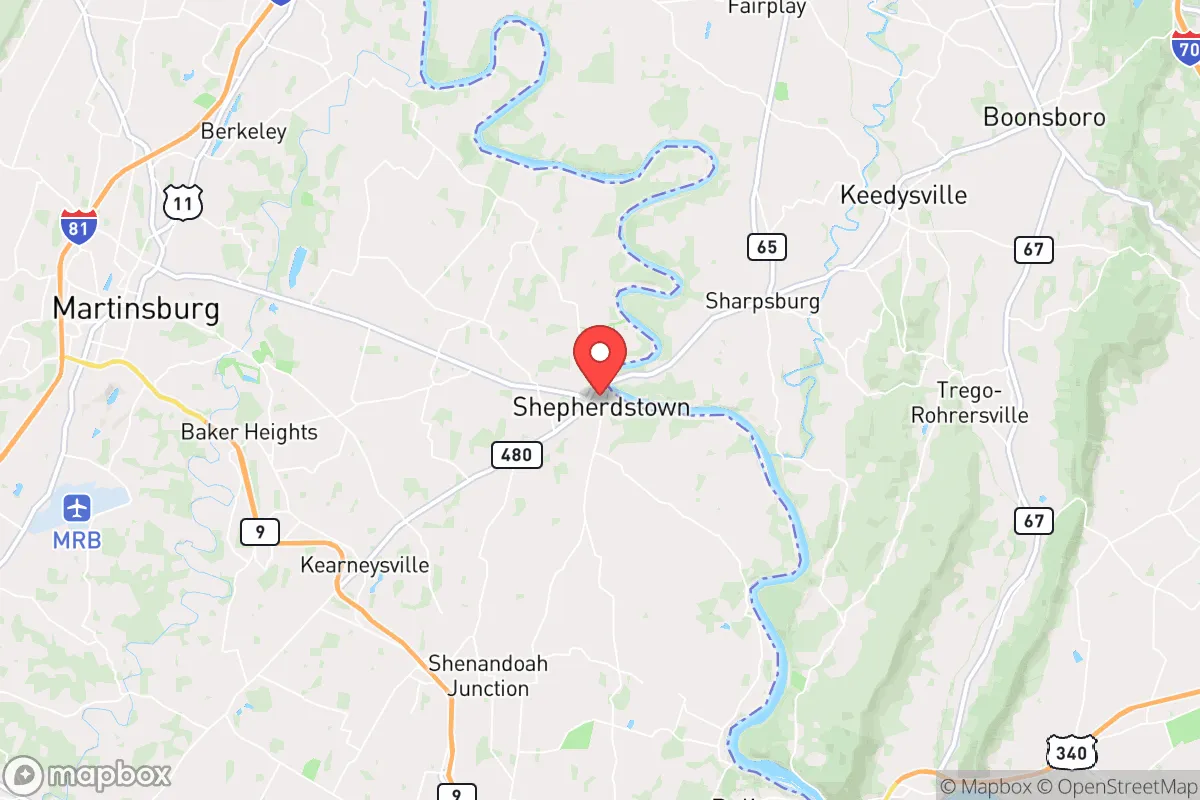
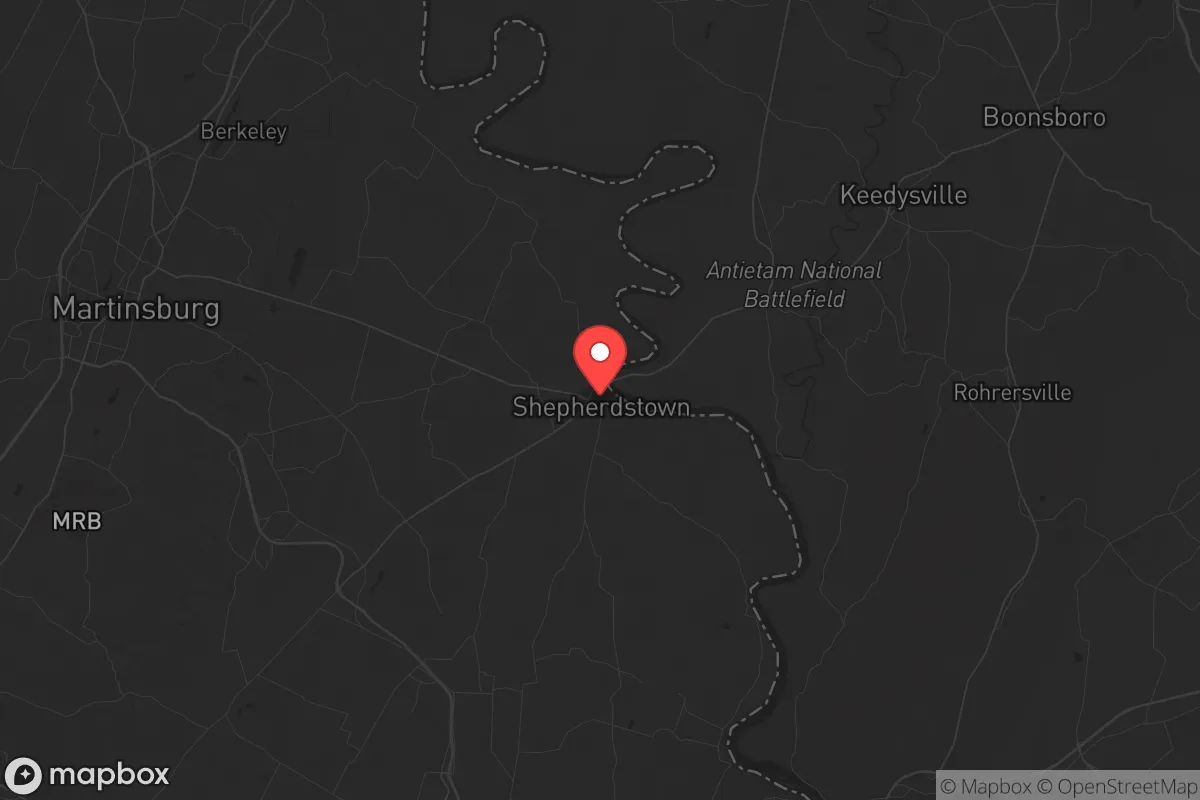
District shown is the primary district for this city’s centroid. Cities may span multiple districts.
Local Political AnalysisPolitical Analysis of Shepherdstown, WV
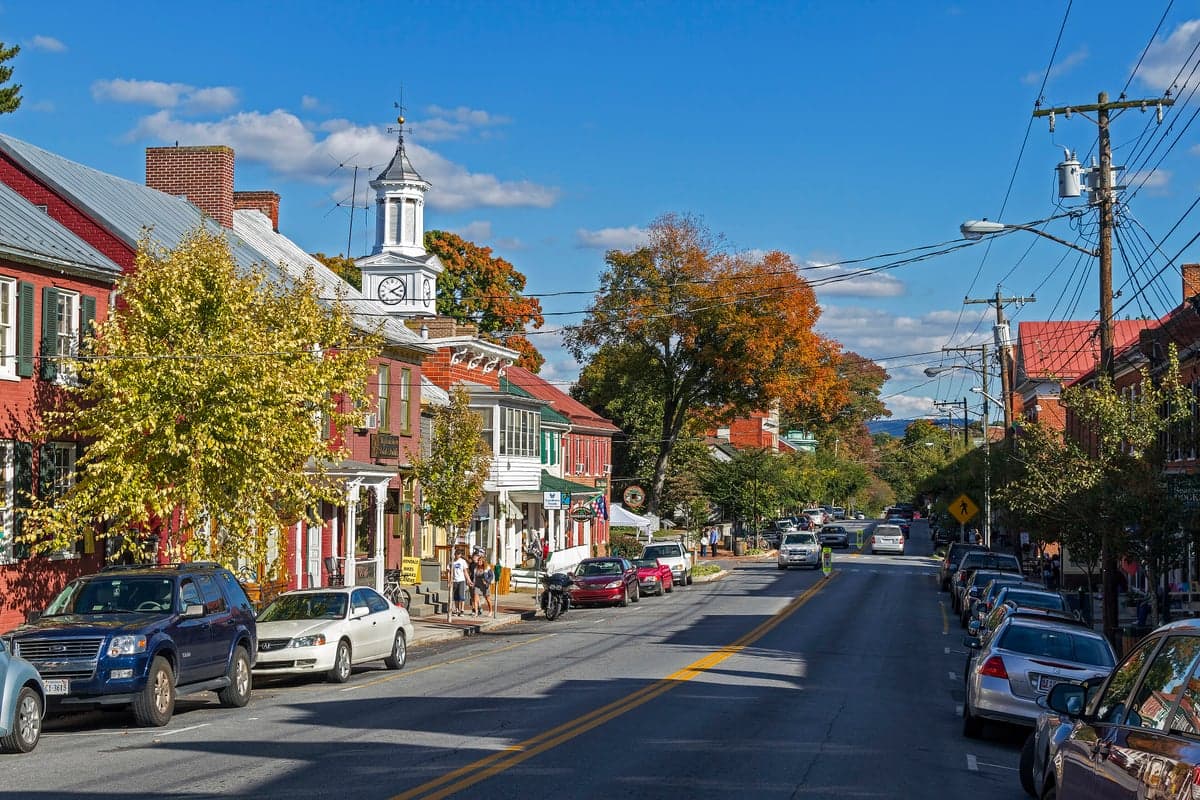
Shepherdstown, West Virginia, sits in Jefferson County, which carries a Cook PVI of R+20, meaning it leans heavily Republican in federal elections. But if you’ve lived here as long as I have, you know that local politics tell a different story—one that’s been shifting in ways that raise eyebrows for folks who value personal freedoms and limited government. The town itself, with its college vibe from Shepherd University, has become a bit of a blue dot in a deep red county, and that tension is something you feel in everything from zoning debates to school board meetings. While the surrounding areas like Martinsburg and Charles Town still vote solidly conservative, Shepherdstown has seen a slow creep of progressive influence that feels out of step with the rest of the state.
How it compares
Drive ten minutes east to Charles Town, and you’re in a place where the local government still keeps its nose out of your business—property taxes are lower, gun rights are respected without fuss, and the county commission isn’t pushing green energy mandates that jack up your utility bills. Shepherdstown, by contrast, has a town council that’s increasingly cozy with state-level progressive policies, like the push for electric vehicle mandates and stricter building codes that make it harder to add a workshop or a garage on your own land. Up in Martinsburg, the vibe is more “live and let live,” with a focus on keeping taxes low and government small. Here in Shepherdstown, you’ll hear talk about “sustainability” and “equity” at public meetings, which often translates to more regulations and higher fees for small business owners and homeowners alike. It’s a stark contrast, and one that makes you wonder if the town is listening to the people who actually pay the bills.
What this means for residents
For those of us who moved here to escape the overreach we saw in places like Maryland or Northern Virginia, the changes in Shepherdstown are concerning. The town’s recent push for a “complete streets” plan, for example, sounds nice on paper but effectively limits where you can park your truck or how you can use your own driveway—a classic case of government deciding what’s best for you. Property taxes have crept up faster than in the rest of the county, and there’s chatter about implementing a local income tax, which would hit families and retirees hard. If you’re a gun owner, you’ll find Shepherdstown’s local ordinances more restrictive than the state’s preemption laws allow, and you might need to drive to Ranson just to find a range that isn’t hassled by noise complaints. The school board has also seen a shift, with more emphasis on DEI training than on reading and math scores, which is a red flag for parents who want their kids taught how to think, not what to think.
Looking ahead, I see Shepherdstown becoming more of an outlier in Jefferson County. The university brings in a transient population that votes differently than the lifelong residents, and that demographic shift is likely to continue. If you’re considering a move here, I’d say keep an eye on the town council elections—they’re where the real battles over your rights will play out. The good news is that the county as a whole remains a stronghold for conservative values, so if Shepherdstown gets too heavy-handed, you’re never more than a short drive from communities that still believe in personal responsibility and limited government. Just don’t expect the local coffee shop to be a safe space for those views—you’ll get some side-eye if you bring up the Second Amendment or property rights at the table next to the organic bakery.

State Political ClimatePolitical Climate in West Virginia
State Political AnalysisPolitical Environment in the State
West Virginia has long been one of the most reliably Republican states in the nation, but that wasn’t always the case. As recently as the 1990s, it was a Democratic stronghold at the state and local level, voting for Bill Clinton twice. The shift began in earnest around 2000, accelerated by the national Democratic Party’s move left on energy, gun rights, and cultural issues. By 2024, Donald Trump carried the state by nearly 40 points, and Republicans now hold supermajorities in both chambers of the legislature, all three U.S. House seats, and both U.S. Senate seats. The state’s political identity is now defined by a deep distrust of federal overreach, a fierce defense of the Second Amendment, and a cultural conservatism rooted in Appalachian tradition.
Urban vs. rural divide
The political map of West Virginia is starkly divided between a few small urban centers and the vast rural expanse. The state’s largest city, Charleston, and its surrounding Kanawha County lean more moderate, but even there, Republicans have made inroads. In 2024, Kanawha County voted for Trump by about 18 points, a far cry from the 30+ point margins in rural counties. Morgantown, home to West Virginia University, is the state’s most liberal enclave, with Monongalia County often being the only county to vote Democratic in statewide races. Huntington and Cabell County are more competitive but still lean Republican, driven by working-class voters who feel abandoned by the national Democratic Party. The real engine of the GOP’s dominance is the rural, small-town vote in places like Beckley, Parkersburg, and Wheeling, where coal, manufacturing, and family farms define the economy and culture. The eastern panhandle, including Martinsburg and Charles Town, has seen an influx of former D.C. area residents, but even there, the political shift has been toward the GOP, as newcomers often bring a preference for lower taxes and less regulation.
Policy environment
West Virginia’s policy environment is aggressively conservative, with a focus on reducing the footprint of government. The state has no personal income tax on Social Security benefits and has been phasing down its personal income tax rate, which was cut by 21.25% in 2023 with a trigger for further reductions as revenue allows. The corporate net income tax is a flat 6.5%, and the state has a right-to-work law, making it one of the most business-friendly states in the region. On education, the state passed a robust school choice law in 2021, creating the Hope Scholarship program, which allows parents to use state education dollars for private school tuition, homeschooling, or other educational expenses. The program has grown rapidly, with over 12,000 students participating as of 2025. Healthcare policy is dominated by a strong anti-abortion stance; the state passed a near-total abortion ban in 2022, with exceptions only for rape, incest, or to save the mother’s life. Election laws have been tightened, with voter ID requirements and restrictions on mail-in voting, though the state has not gone as far as some others in requiring proof of citizenship. The state also has a constitutional carry law, allowing permitless concealed carry for adults 21 and older.
Trajectory & freedom
West Virginia is on a clear trajectory toward greater personal freedom in many areas, but with some concerning caveats. The state has expanded gun rights significantly, passing permitless carry in 2016 and preempting local gun ordinances in 2015, meaning a city like Charleston cannot impose its own restrictions. Parental rights were strengthened in 2023 with a law requiring schools to notify parents of any material changes to a student’s health or well-being, effectively banning secret gender transitions at school. Medical autonomy took a hit, however, with the near-total abortion ban and a 2023 law restricting gender-affirming care for minors. Property rights have been bolstered by the state’s strong eminent domain protections, and the legislature has repeatedly rejected efforts to adopt a statewide property tax. On the taxation front, the income tax cuts are a clear win for freedom, but the state’s heavy reliance on severance taxes on coal and natural gas makes it vulnerable to energy policy shifts at the federal level. The biggest red flag for liberty-minded residents is the state’s aggressive use of civil asset forfeiture, which has been criticized by both left- and right-leaning reform groups.
Civil unrest & political movements
West Virginia has a history of political activism that is both passionate and, at times, disruptive. The 2018 teachers’ strike shut down schools across the state for nine days, leading to a 5% pay raise, but it also galvanized a new wave of conservative activism focused on school choice and parental rights. The state has seen a strong Second Amendment sanctuary movement, with over 40 counties passing resolutions declaring themselves sanctuaries from any future federal gun control. Immigration politics are relatively quiet, as the state has a very small foreign-born population, but there have been efforts to ban sanctuary cities, though none exist. Election integrity has been a flashpoint, with the state’s Republican secretary of state, Mac Warner, pushing for stricter voter ID laws and purging inactive voters, which drew lawsuits from the left. The most visible political movement in recent years has been the rise of the “Mountain State” wing of the GOP, which is more populist and anti-establishment, often clashing with the more business-friendly faction. There have been no serious secession or nullification movements, but the state’s deep distrust of the federal government is a constant undercurrent in political discourse.
Projection
Over the next 5-10 years, West Virginia is likely to become even more conservative, but with some demographic headwinds. The state’s population is aging and shrinking, with the 2020 census showing a 3.2% decline, the largest of any state. Young people continue to leave for better job opportunities, though the remote work boom has brought some new residents to the eastern panhandle and Morgantown. These newcomers tend to be more moderate, but they are also often attracted by the state’s low taxes and rural lifestyle, which aligns with conservative values. The biggest wildcard is the energy transition; if coal continues to decline, the state’s economy will struggle, potentially fueling more populist anger. The Republican supermajority is unlikely to be seriously challenged, but internal fights between the establishment and the populist wing will intensify. For a new resident, the state will feel freer than most on guns, taxes, and school choice, but less free on medical decisions and local control, as the state legislature continues to preempt local ordinances.
For someone moving to West Virginia, the bottom line is this: you’ll find a state that fiercely protects your right to own guns, keep more of your paycheck, and choose your child’s education. But you’ll also be living in a place where the government has a heavy hand in medical decisions and where the local economy is tied to industries that are under constant attack from the federal government. If you value cultural conservatism, low taxes, and a slower pace of life, you’ll feel at home. Just be prepared for the trade-offs, and keep an eye on the statehouse, because the fight over what freedom means is far from over.
* Values derived from national, state, county, city and local statistics and may differ in a specific area. Last updated: 2026-10-10T16:28:57.000Z
Narrative content on this page is AI-generated and may contain mistakes. Verify any details that matter before acting on them.
ReloMaps may earn a commission from affiliate links at no extra cost to you.

