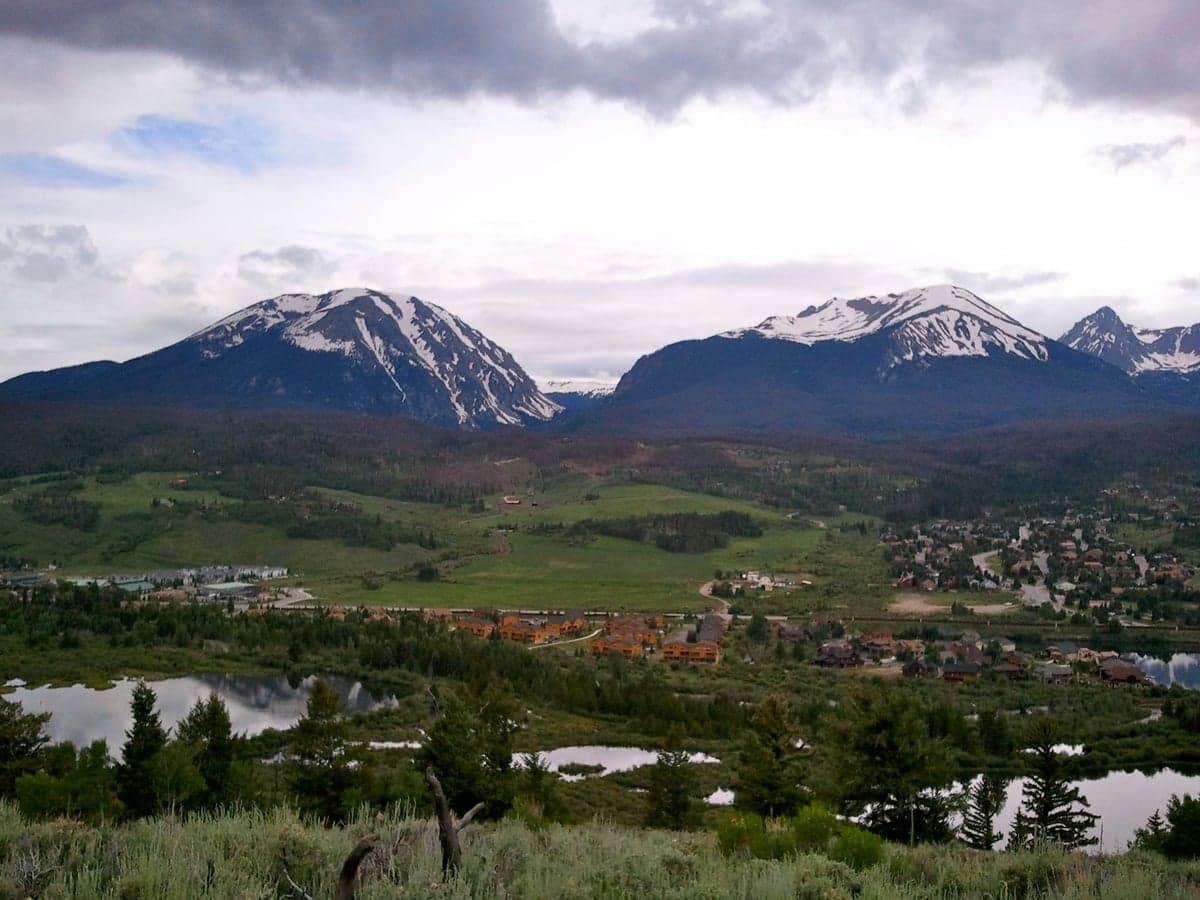
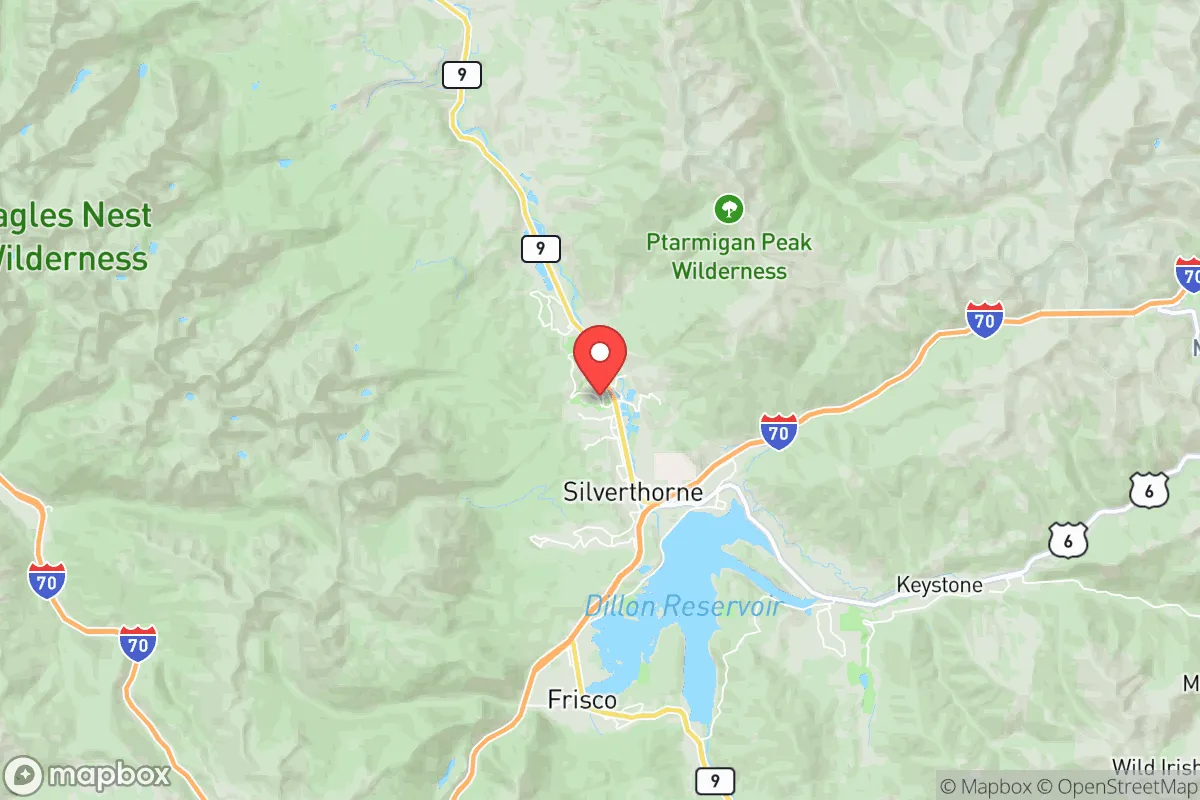
Photo: Wikipedia
Quality of Life in Silverthorne, CO
A high quality of life with strong walkability, manageable living costs, healthy neighborhood signals, and solid amenity access.
What does Quality of Life tell us?
Quality of Life blends cost of living, nearby amenities, socioeconomic signals, and neighborhood character. City-level scores represent the whole municipality; individual neighborhoods can differ.
What does this tell us?
Quality of Life blends cost of living, nearby amenities, socioeconomic signals, and neighborhood character. City-level scores represent the whole municipality; individual neighborhoods can differ.
Cost of Living
91% above national average
The Real Cost of Living in Silverthorne, CO for 2026
| Tier | Individual | Family (4) |
|---|---|---|
| Survival | $29k | $54k |
| Comfortable | $125k | $183k |
| Luxury | $183k+ | $283k+ |
| Elite (Top 5%) | $215k+ | $333k+ |
62%
* top-5% income substituted from county-level data — local Census figures unavailable for small populations
The Area Signal
A metric tracking the socioeconomic signals of the area.
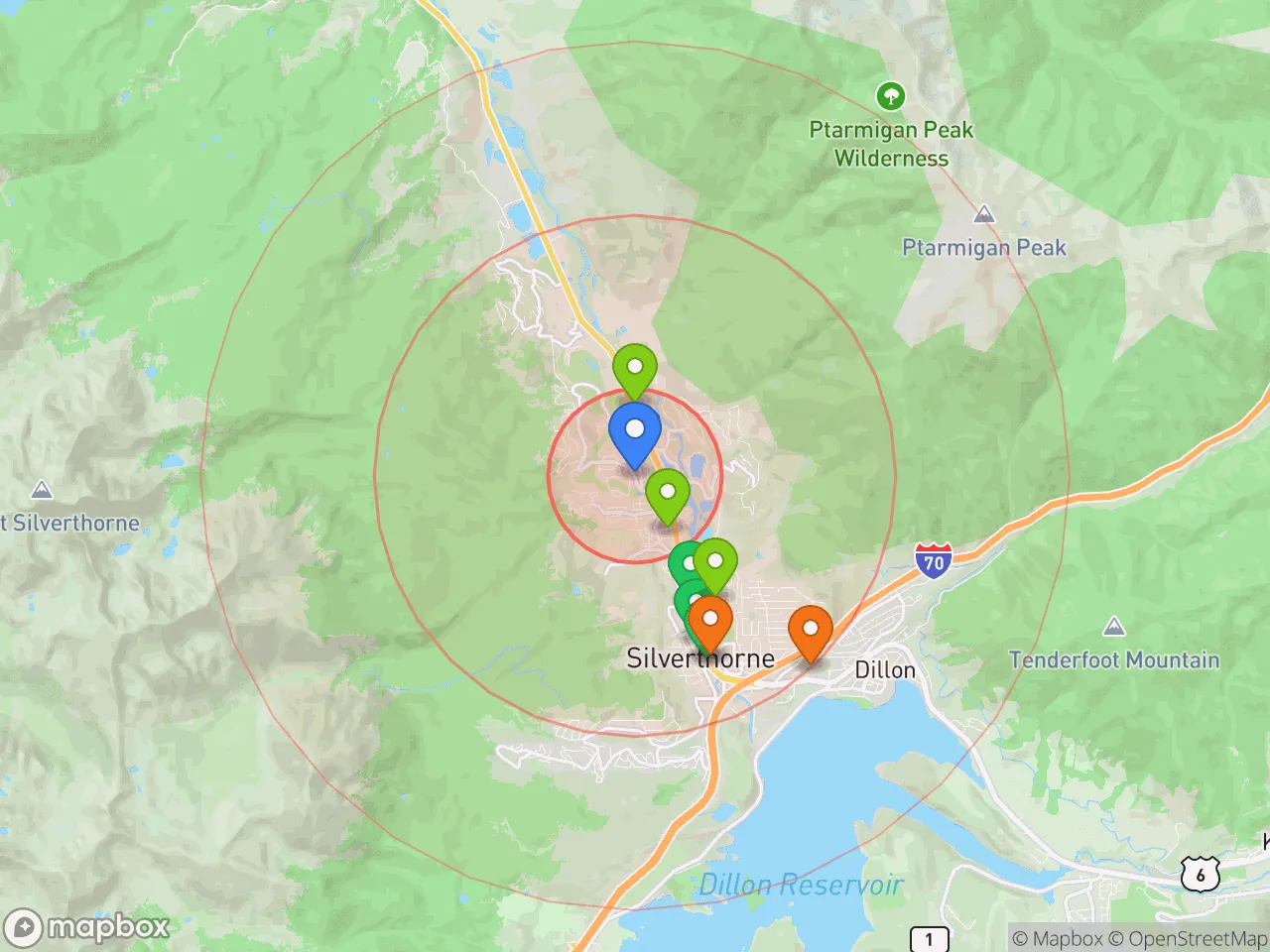
Hobbies
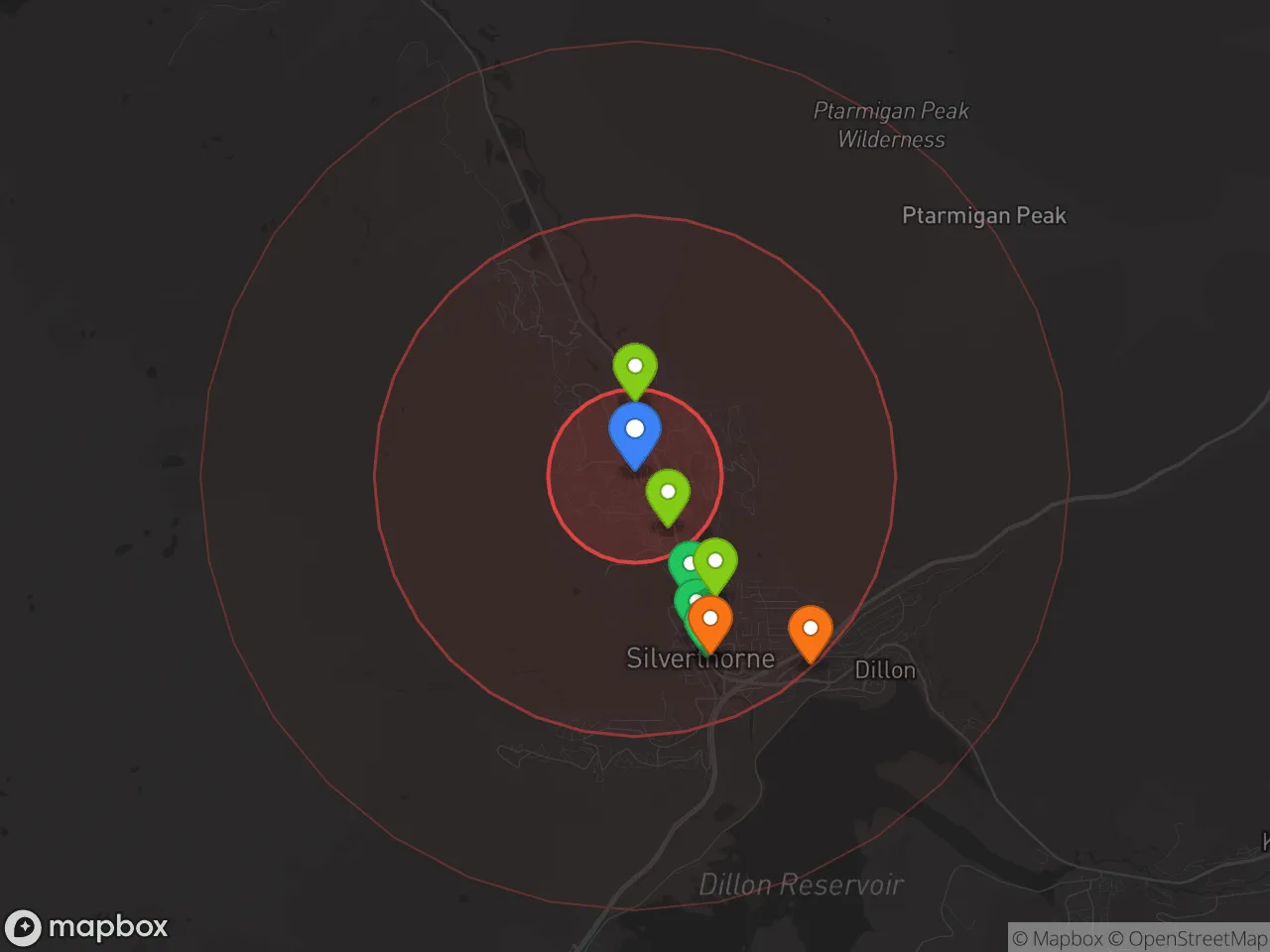
Explore the areaGroceries
4 within 10 miles
Gas
10 within 10 miles
Hospital
2 within 20 miles
Airport
DEN — Denver International
Post Office
USPS — Silverthorne, CO
Critical Amenities
Quality-of-Life Analysis
Silverthorne, Colorado, is an affluent mountain town where the cost of living index sits at 191—nearly double the national average—reflecting a community shaped by outdoor recreation, remote work, and second-home ownership. The town’s 4,800 year-round residents are a mix of ski-industry professionals, telecommuters drawn by Summit County’s fiber-optic infrastructure, and retirees who prioritize trail access over urban convenience. Median household income hovers around $82,000, but the housing market tilts heavily toward higher earners and part-time residents, creating a demographic profile that is younger, more active, and more transient than the Colorado average.
Cost of living, housing affordability, and how Silverthorne compares to Breckenridge and Frisco
Silverthorne’s cost of living index of 191 is driven almost entirely by housing. The median home value of $691,300 is roughly 20% lower than Breckenridge’s $860,000 median and about 10% below Frisco’s $765,000, making Silverthorne the most attainable option in the central Summit County corridor. Median rent of $1,804 is similarly more affordable than Breckenridge’s $2,200 average, though still 80% above the national median. For buyers, the trade-off is clear: Silverthorne offers newer construction and larger lots than its historic neighbors, but prices have risen 38% since 2020, pushing many service workers to commute from Dillon or even Kremmling. Property taxes remain low by national standards—roughly 0.5% of assessed value—but the lack of rent control and a tight vacancy rate below 1% mean affordability is a growing concern for middle-income households.
What daily life is like for families: schools, amenities, and the local rhythm
Daily life in Silverthorne revolves around the outdoors and a compact, walkable core. The Summit School District serves the town with Silverthorne Elementary and Summit Middle School, both rated above average on state assessments, while Summit High School in nearby Frisco offers International Baccalaureate options. The town’s recreation center, the Silverthorne Recreation Center, includes an indoor pool, climbing wall, and fitness classes that serve as a de facto community hub. The Blue River Trail runs through town, connecting to the 63-mile Summit County bike path network, and the nearby Eagles Nest Wilderness provides backcountry access within a 10-minute drive. The average commute of 21 minutes is notably short for a mountain town—most residents work within Summit County, and the I-70 corridor to Denver takes about 90 minutes. The local rhythm is seasonal: summer brings fly-fishing and mountain biking crowds, winter shifts to skiers heading for Keystone and Copper Mountain, and shoulder seasons offer a quieter, more neighborly pace.
Silverthorne is best suited for outdoor-oriented professionals and families who can absorb the high housing costs in exchange for immediate trail access and a tight-knit community. Remote workers with stable incomes above $100,000 will find the town’s fiber internet and short commute appealing, while second-home buyers benefit from lower prices than Breckenridge without sacrificing ski proximity. Service workers and young renters may struggle with the rent-to-income ratio, but those who secure housing often stay for the lifestyle. For anyone prioritizing affordability over recreation, Silverthorne is a stretch—but for those who can afford the premium, it delivers a quality of life that few mountain towns can match.

Crime in Silverthorne, CO
Lower crime rates than 85% of comparable U.S. locations.
Violent CrimeViolent Crime Analysis
Property CrimeProperty Crime Analysis
Crime Analysis
Silverthorne, Colorado, reports a violent crime rate of 110.5 per 100,000 residents, which is significantly lower than both the national average and the Colorado state average, making it one of the safer mountain communities in Summit County. However, the town’s property crime rate of 1,601.6 per 100,000 is notably higher than the national median, driven largely by thefts from vehicles and seasonal burglaries tied to its tourism-driven economy. This combination of low violent crime and elevated property crime creates a specific safety profile that residents and visitors should understand before relocating.
Crime in context
Silverthorne’s violent crime rate is roughly 70% lower than the national average, with incidents of assault, robbery, and homicide being rare events in the town. By contrast, the property crime rate sits approximately 15% above the national median, though it remains lower than in Colorado’s Front Range urban centers like Denver or Aurora. The town benefits from a well-funded Summit County Sheriff’s Office and Silverthorne Police Department, which maintain a visible presence in commercial corridors like the Silverthorne Outlets and along Highway 9. However, as part of Summit County—a region that has leaned progressively in recent elections—some residents express concern that local judicial policies may prioritize diversion programs over incarceration for property offenders, potentially contributing to repeat thefts in the area.
What residents experience
Daily life in Silverthorne feels safe for most residents, with the primary safety nuisance being vehicle break-ins and package thefts, particularly in condo complexes and trailhead parking lots. The town’s violent crime is almost entirely non-random, typically involving disputes between known individuals rather than stranger-on-stranger attacks. Families with children generally feel comfortable walking downtown and using the Blue River Trail system after dark, though the police department advises locking car doors and removing valuables at all times. The seasonal influx of tourists during ski season and summer festivals correlates with a measurable uptick in property crime, as transient populations create more opportunities for theft. Some long-term residents note that progressive district attorney policies in the 5th Judicial District have led to shorter sentences for repeat property offenders, which they believe undermines deterrence and frustrates victims seeking accountability.
Neighborhood-level crime data in Silverthorne shows that the highest property crime concentrations occur near the Interstate 70 interchange and the Silverthorne Outlets, where tourist traffic is heaviest. Residential areas like the Mesa Cortina and Angler Mountain Ranch subdivisions report very low crime rates, with most incidents limited to unlocked vehicles. The town’s affordable housing developments and workforce neighborhoods near the Blue River have slightly higher incident reports, though violent crime remains negligible across all areas. For those considering relocation, the practical takeaway is that Silverthorne offers strong personal safety but requires vigilance against property crime, with local governance philosophies being a factor some politically conservative buyers weigh when choosing between Silverthorne and more conservative-leaning mountain towns like Granby or Buena Vista.
* Values derived from national, state, county, city and local statistics and may differ in a specific area. Last updated: 2026-08-03T16:05:47.000Z
Narrative content on this page is AI-generated and may contain mistakes. Verify any details that matter before acting on them.
ReloMaps may earn a commission from affiliate links at no extra cost to you.

