Photo: Wikipedia
Find The Best Places To Live
in Breckenridge
PRO TIP! You can paste a Zillow or Redfin link to get info on that property.
What It's Like Living in Breckenridge, CO
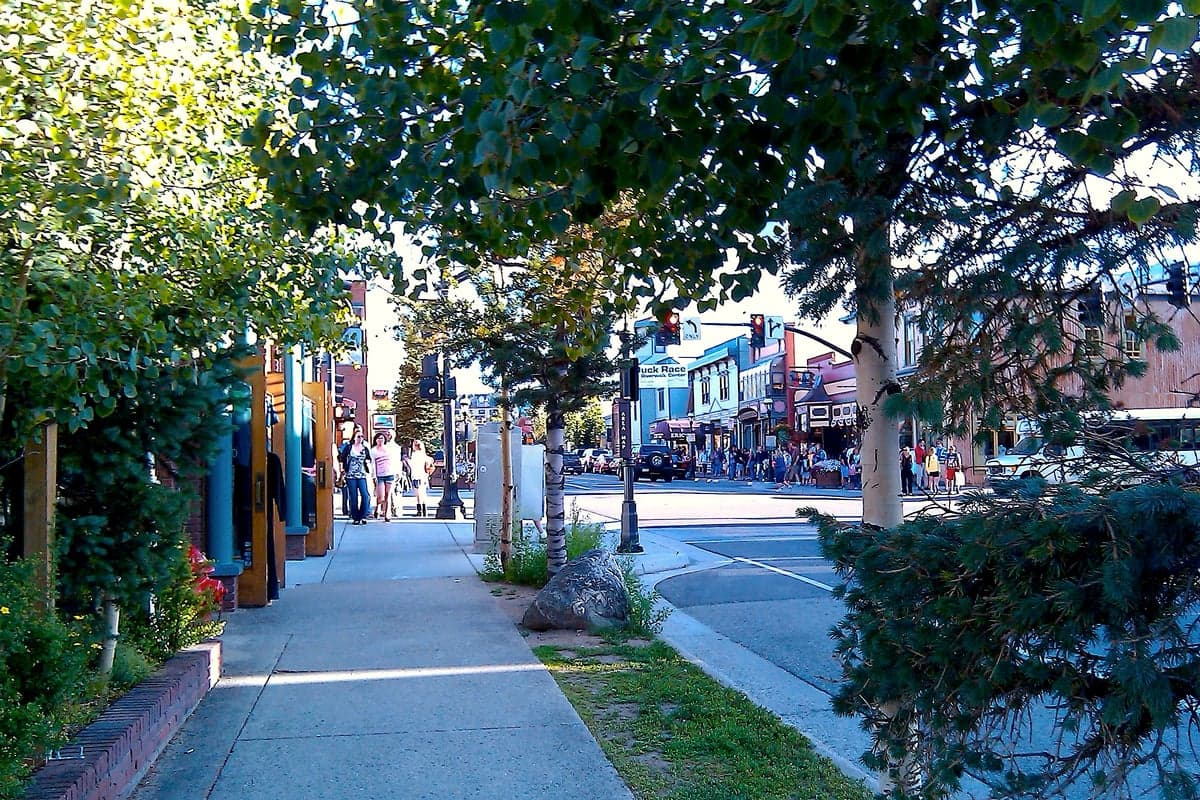
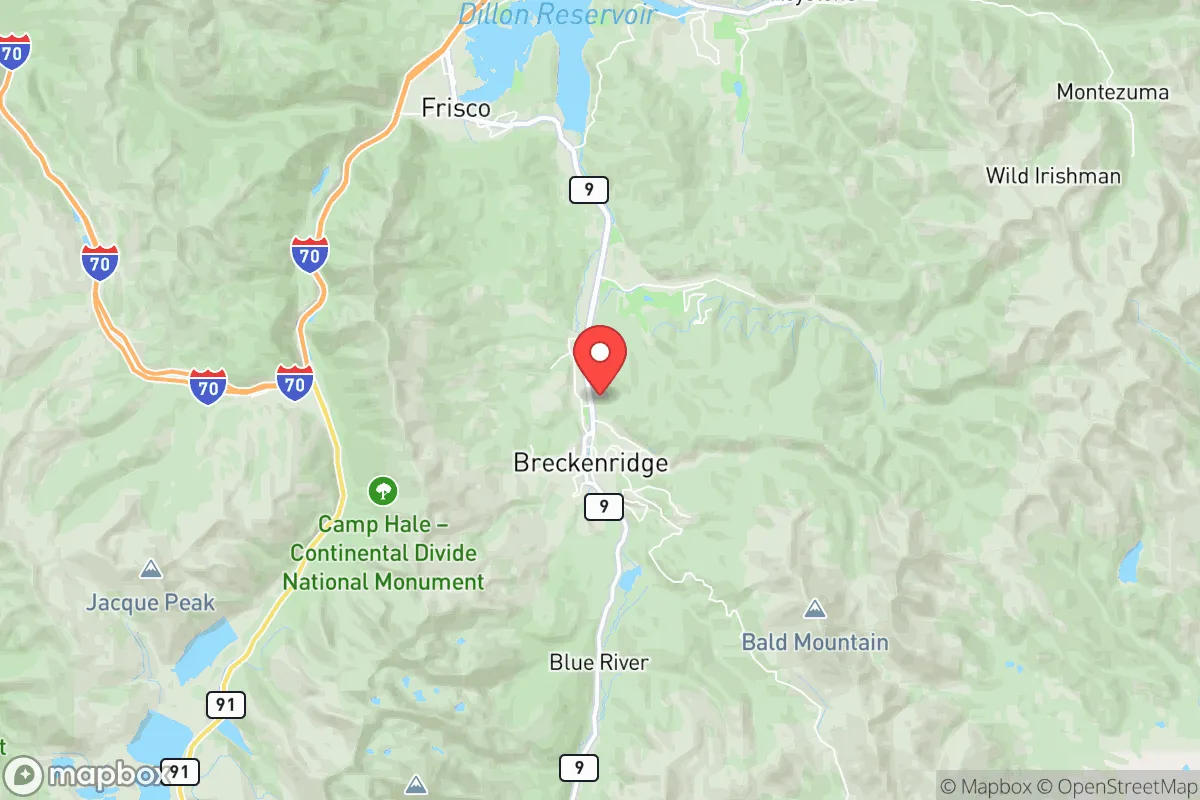
Breckenridge is a high-altitude mountain town that feels more like a year-round playground than a typical small community, but the people who actually live here know it’s a place of serious trade-offs. With a permanent population just over 5,000, it’s small enough that you’ll recognize faces at the grocery store, yet big enough to draw crowds from Denver and beyond every weekend. The vibe is outdoorsy, affluent, and slightly transient—many residents are either second-home owners or service workers tied to the tourism economy, and the median income of $132,666 reflects a town where you either own property or rent a room with three roommates.
Daily Rhythm: What People Actually Do Here
Life in Breckenridge revolves around the mountain and the clock. A typical weekday starts early—locals hit the slopes before the 9 AM chairlift lines form, or they’re commuting an average of 25 minutes to jobs in Frisco, Silverthorne, or even Dillon. The town’s main employer is the ski resort (Vail Resorts), followed by hospitality, construction, and remote tech work. You’ll see a lot of Subarus and sprinter vans, and the grocery store—City Market on Airport Road—is the social hub where you run into neighbors. Weekend routines are almost always outdoors: hiking the McCullough Gulch trail in summer, mountain biking on the Colorado Trail, or ice skating on the rink at the Stephen C. West Ice Arena. There’s no mall, no movie theater, and no chain restaurants beyond a few fast-food spots—locals eat at Empire Burger for a post-ski burger, Hearthstone for a nicer dinner, or Cool River Coffee House for a morning caffeine fix. The town’s median age of 38.3 skews younger than many Colorado mountain towns, but it’s not a party scene for 20-somethings—it’s a place for people who want to be outside every day and can afford the lifestyle.
Sports, Community, and the High School Factor
Sports here are less about pro teams and more about personal achievement. There’s no major league franchise within two hours, but the Breckenridge High School Tigers are a genuine community anchor—football and basketball games draw crowds of parents and locals, and the school’s small size (around 400 students K-12) means everyone knows everyone. The real sports culture, though, is participatory: the town hosts the Breckenridge International Snow Sculpture Championships in January, the Copper Mountain ski races just up the road, and the Breck Epic mountain bike race in August. For spectators, the Breckenridge Music Festival brings classical and bluegrass acts to the Riverwalk Center, and the Ullr Fest in January is a week-long celebration of Norse mythology with a bonfire, parade, and plenty of beer. The local bar scene is low-key—Breck Brewery on Main Street is the after-work hangout, and Motherloaded Tavern is where you go for live music and a late-night burger. If you’re a parent, the school system is a major draw: 59.9% of adults hold a college degree, and the schools are well-funded, but the trade-off is that many families live in more affordable nearby towns like Frisco or Dillon and commute in.
Pros and Cons of Living in Breckenridge
Let’s be honest: Breckenridge is not for everyone. The biggest pro is the access—you’re steps from world-class skiing, hiking, and biking, and the air is clean, the views are stunning, and the community is tight-knit if you make an effort. The biggest con is the cost. The median home value of $757,100 and a cost of living index of 182 (82% above the national average) mean that homeownership is out of reach for most service workers. Rent for a one-bedroom apartment often exceeds $2,000 a month, and many locals live in shared housing or commute from Summit County’s cheaper pockets. Traffic is another frustration: Main Street can gridlock on weekends, and the average commute of 25 minutes hides the fact that a 10-mile drive to Silverthorne can take 45 minutes during peak tourist season. The weather is a double-edged sword—winters are long (October to May), with heavy snow and subzero nights, but summers are mild and perfect. Violent crime is relatively low at 267.9 per 100,000, but property crime—especially bike theft and car break-ins—is a real nuisance, particularly near the resort base. The cultural quirk that surprises newcomers: the town is fiercely protective of its “locals only” vibe, and you’ll hear people complain about “tourons” (tourist morons) with a mix of affection and irritation. If you’re a single professional or a parent who values outdoor lifestyle over urban amenities, Breckenridge can be a dream—but you need a solid income, a flexible schedule, and a tolerance for crowds and cold.

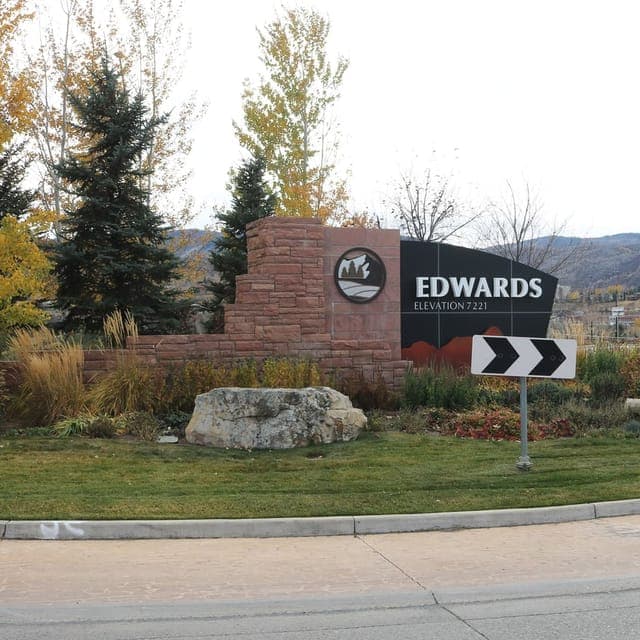
Similar small towns to Breckenridge
* Values derived from national, state, county, city and local statistics and may differ in a specific area. Last updated: 2026-04-29T00:29:45.000Z
Narrative content on this page is AI-generated and may contain mistakes. Verify any details that matter before acting on them.
ReloMaps may earn a commission from affiliate links at no extra cost to you.

