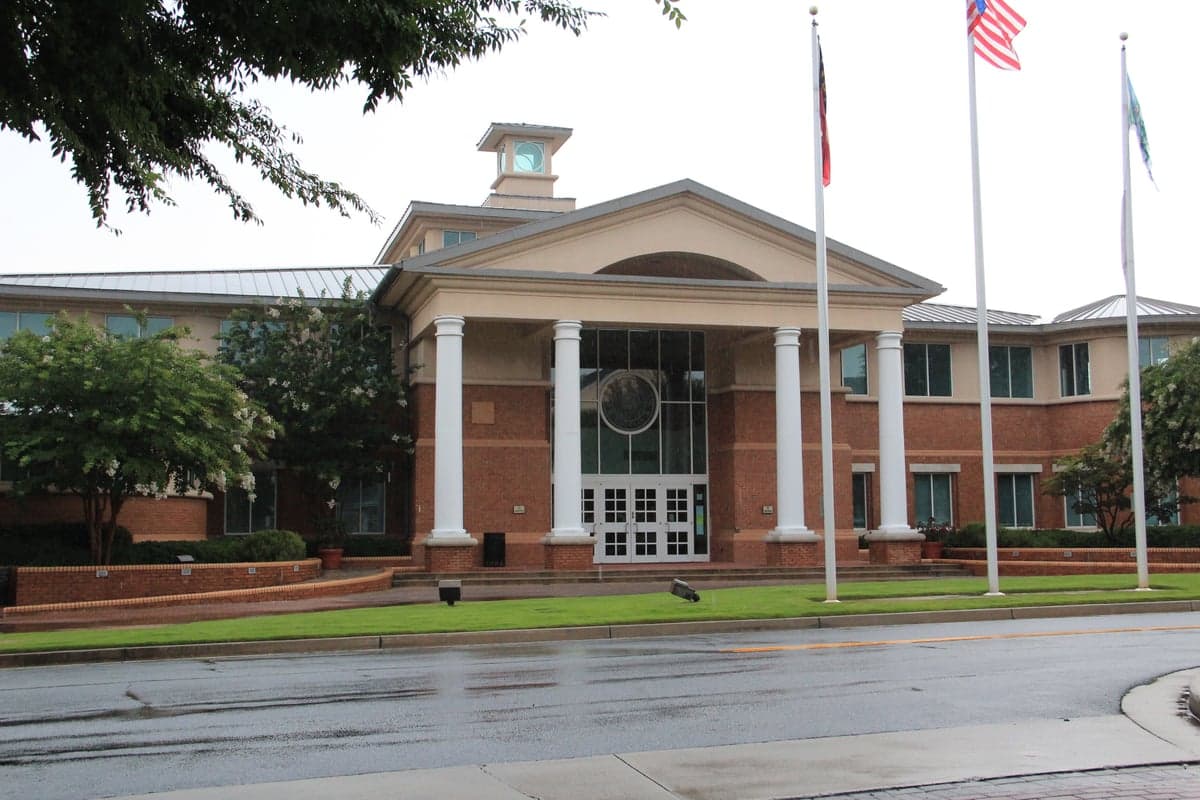
Photo: Wikipedia
Strategic Assessment of Smyrna, GA
Multiple tactical vulnerabilities. Population density, target proximity, or disaster risk are likely compounding. A retreat property and exit planning is required.
What does the Strategic Assessment tell us?
Our Strategic Assessment grades tactical survivability of an area. Major population centers, military targets, fallout zones, natural disasters, and border exposure all drive risk — lower exposure means a more defensible position in a crisis.
This is heavily inspired by Joel Skousen's Strategic Relocation book. Highly recommended you checkout the book ($)What does this tell us?
Our Strategic Assessment grades tactical survivability of an area. Major population centers, military targets, fallout zones, natural disasters, and border exposure all drive risk — lower exposure means a more defensible position in a crisis.
This is heavily inspired by Joel Skousen's Strategic Relocation book. Highly recommended you checkout the book ($)Strategic Pillars

Key Distances
Regional Safe Places
Below is our recommended "safe zones" in Georgia and the surrounding area based on our strategic heuristics. For most people, it's unrealistic to live in a “safe zone” full-time due to work, family or other personal reasons. They tend to be more rural. However, many of these areas are perfect for second homes and retreat properties that double as a vacation home or even a short-term rental.
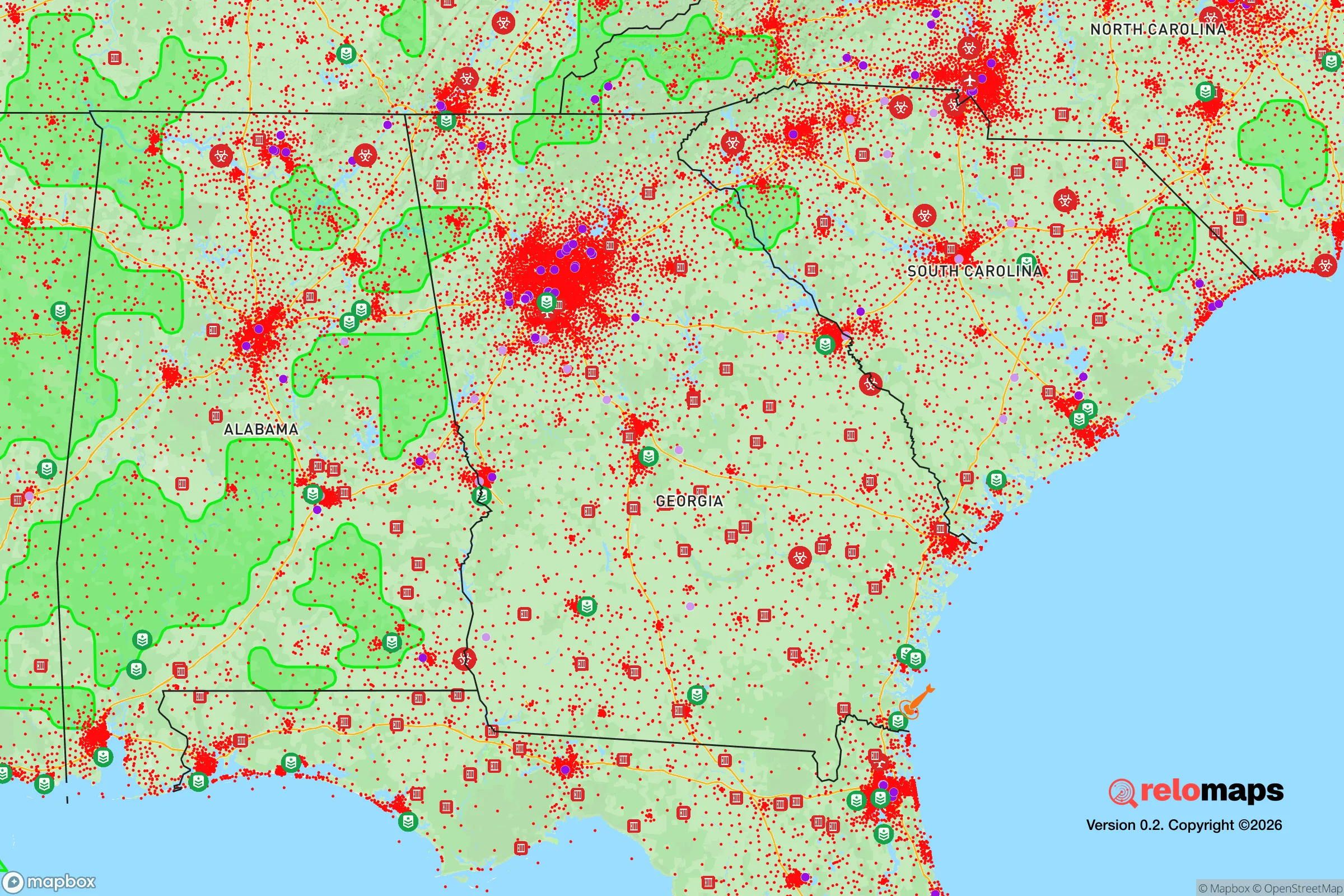
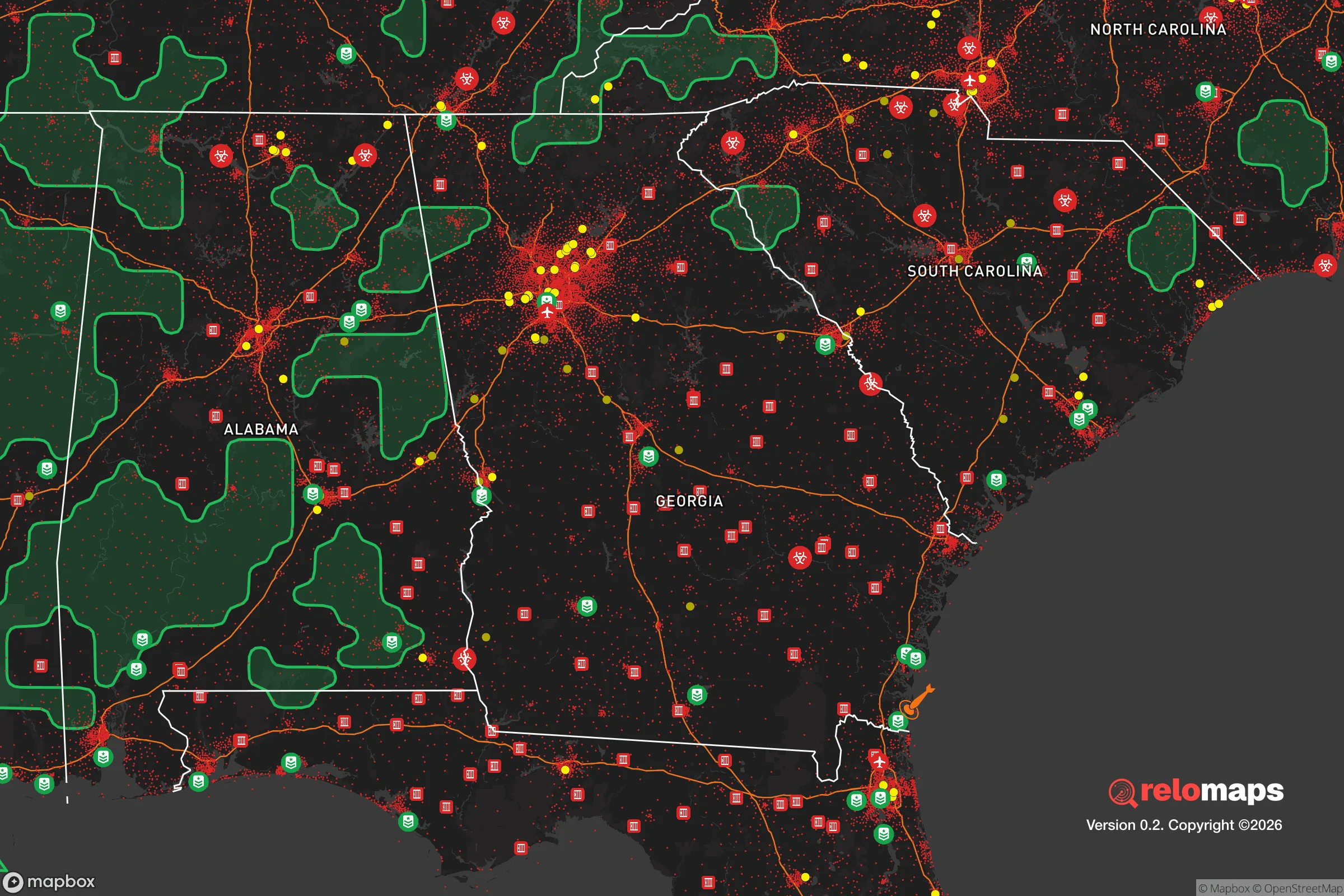


Important Note: For informational purposes only. This does not mean nothing bad ever happens in the green zones. Please use common sense. This is based on public data and modeled with AI. We tried to take a conservative approach but mistakes happen. We update this regularly as new information becomes available.
Solar Generator Recommendations
Backup power matters more here than in safer locations. We've picked three solar generators across budgets and capacity tiers — start with the budget unit if you only need a few essentials, or step up if you want to run a fridge and HVAC for days at a time.

Jackery Portable Power Station Explorer 300
Budget OptionPower on the Go: Weighing only 11 lbs, it's convenient to set up and store with book-sized foldable solar panels

BLUETTI Portable Power Station AC180
Designed for both indoor and outdoor scenarios, AC180 is highly capable as it has a robost capacity and continuous output power.

EF ECOFLOW DELTA Pro Ultra Power Station
Upgraded PickEcoFlow DELTA Pro Ultra is a whole-home energy system designed to grow with your family. Integrated with the Smart Home Panel 2, it scales to meet your evolving energy needs — keeping your home powered, intelligent, and secure through every stage of life.
We earn a commission, at no additional cost to you.
Strategic Assessment Analysis
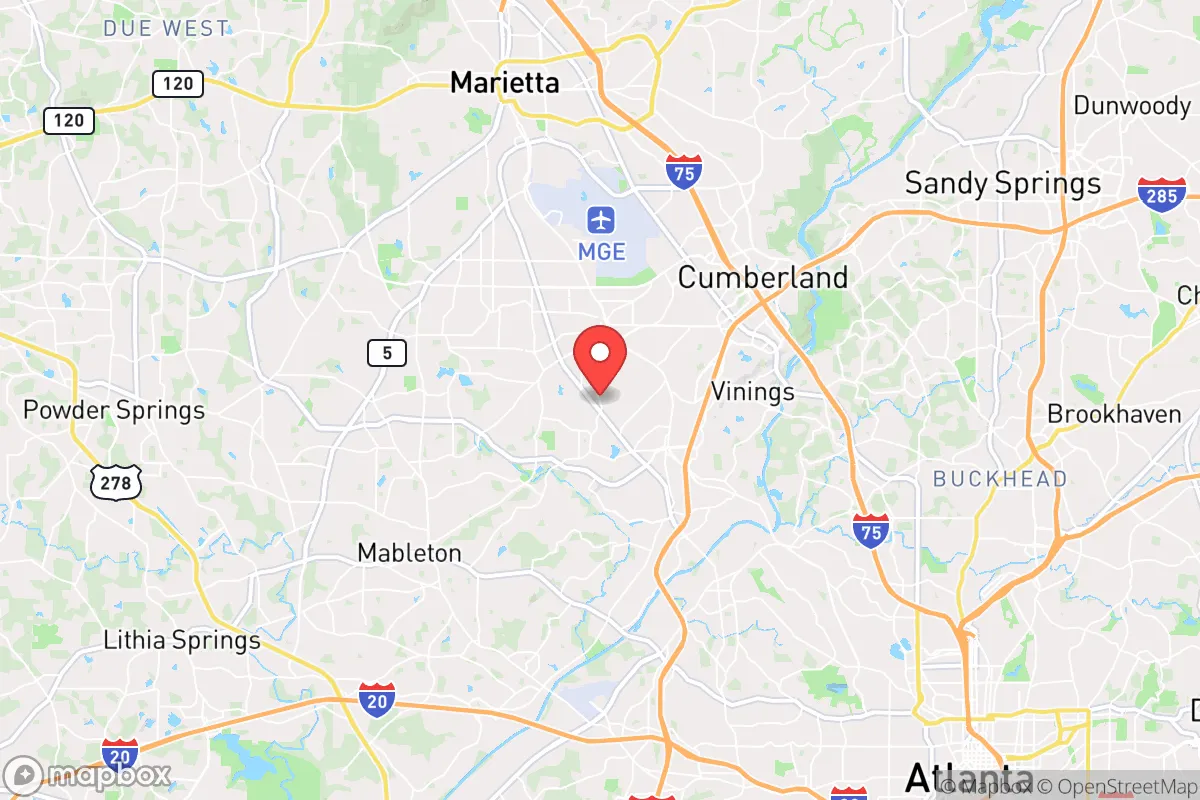
Smyrna, Georgia, sits in a precarious strategic position that demands serious consideration for anyone prioritizing long-term resilience and self-sufficiency. While its location within the Atlanta metropolitan area offers immediate economic and logistical advantages, the same proximity to a major urban center introduces significant vulnerabilities in the event of widespread civic unrest, infrastructure collapse, or a mass casualty event. For the conservative-minded relocator, Smyrna presents a mixed picture: it is not a remote bug-out location, but it is not a high-risk urban core either. The city’s resilience hinges on its ability to serve as a transitional zone—close enough to resources, yet far enough from the worst fallout zones—provided one understands the trade-offs and prepares accordingly.
Geographic position and natural advantages for long-term stability
Smyrna’s geography is defined by its position roughly 15 miles northwest of downtown Atlanta, placing it in the suburban ring of Cobb County. This location offers several natural advantages for a prepper-minded individual. The area sits on the Piedmont plateau, with rolling hills and mixed hardwood forests that provide decent cover and natural water drainage. The Chattahoochee River, a major water source for the region, flows roughly 5 miles to the east, offering a potential secondary water supply if municipal systems fail. The local topography is not mountainous, but it is not flat either—this makes the area less prone to flooding than low-lying parts of the metro, and the gentle slopes can aid in defensible positioning if you choose a property on higher ground. The climate is humid subtropical, with mild winters and hot summers, which means year-round growing seasons for food production, though you will need to contend with humidity and pests. The soil in Cobb County is primarily clay-based, which is poor for gardening without amendment, but raised beds and container gardening can overcome this. Overall, the natural environment is moderate—not ideal, but workable for a determined relocator who values access to Atlanta’s resources without living in the blast radius of a major target.
Risks, exposures, and proximity to fallout-relevant landmarks
The most significant risk for Smyrna is its proximity to Atlanta, a Tier 1 target for any large-scale conflict or terrorist event. Hartsfield-Jackson Atlanta International Airport, roughly 20 miles south, is a prime target for an EMP strike or conventional attack. The Centers for Disease Control and Prevention (CDC) headquarters, just 12 miles east in DeKalb County, is another high-value asset that could draw secondary effects—biological or chemical incidents, or simply the chaos of a mass evacuation. Smyrna itself is not a primary target, but it lies within the fallout zone of any major event in Atlanta. The city is also bisected by Interstate 285 (the Perimeter) and Interstate 75, major evacuation routes that would become gridlocked within hours of a crisis. This means that if you need to leave, you will likely be stuck in traffic with hundreds of thousands of others. Additionally, Smyrna is within 30 miles of two nuclear power plants: Plant Vogtle (southeast) and Plant Hatch (southwest). While both are far enough to avoid direct blast damage, a catastrophic failure could result in airborne contamination depending on wind patterns. Cobb County has a moderate risk of tornadoes, but no significant earthquake or hurricane threats. The real exposure here is human: a dense suburban population of roughly 56,000 within city limits, and over 760,000 in Cobb County, means competition for resources—food, water, fuel, medical supplies—will be fierce in any prolonged emergency.
Practical resilience for a relocator: food, water, energy, and defensibility
For a single individual or family looking to establish a resilient foothold in Smyrna, the practical considerations are mixed. Water is the most critical concern. Smyrna’s municipal water comes from the Chattahoochee River via the Cobb County-Marietta Water Authority, but this system is vulnerable to contamination, power loss, or sabotage. A well is not feasible in most suburban lots due to zoning and depth requirements, so you must stockpile at least 2-3 gallons per person per day for a minimum of two weeks, and invest in high-quality filtration (Berkey or similar) plus a backup source like a rain barrel system. Food is more manageable: Smyrna has multiple grocery stores (Publix, Kroger, Walmart) within a 10-minute drive, but these will empty within 48 hours of a crisis. A 90-day supply of non-perishables is the baseline. Local gardening is possible but limited by clay soil and HOA restrictions in many neighborhoods—look for properties with no HOA or a tolerant one, and consider community garden plots at places like the Smyrna Community Garden. Energy is a weak point. Georgia Power’s grid is aging and prone to outages during storms or high demand. Solar panels with battery storage (e.g., Tesla Powerwall) are a wise investment, but Cobb County’s tree cover can reduce efficiency. A dual-fuel generator (propane/gasoline) is a more practical backup, with propane stored in 100-lb tanks. Defensibility is the hardest factor. Smyrna’s suburban layout—cul-de-sacs, single-family homes with yards, and a mix of older and newer construction—offers some natural chokepoints, but it is not a fortress. A home on a corner lot or near a main road is a liability. Prioritize a property with a fenced backyard, reinforced doors, and a safe room. The local police force is competent (Cobb County has a strong sheriff’s department), but in a widespread collapse, response times will stretch to hours or days. Your best defense is a low profile: do not advertise supplies, keep vehicles nondescript, and build relationships with like-minded neighbors. The Smyrna community is generally conservative-leaning, with a strong military and veteran presence (Dobbins Air Reserve Base is just north), which can be an asset for mutual aid networks.
The overall strategic picture for Smyrna is one of calculated risk. It is not a survivalist paradise—you will not find remote mountains, abundant game, or off-grid seclusion here. What you will find is a suburban environment with decent infrastructure, a conservative-leaning population, and proximity to Atlanta’s resources without being in the kill zone. The key is to treat Smyrna as a base of operations, not a final redoubt. Have a bug-out plan for a secondary location (north Georgia mountains, 2-3 hours away) if the situation deteriorates beyond local control. Stockpile supplies for 90 days, harden your home, and build a network of trusted neighbors. If you can do that, Smyrna offers a viable middle ground for the relocator who wants to stay connected to the modern world while maintaining the capacity to weather a storm. But do not mistake it for a safe haven—it is a staging ground, and your preparation will determine whether it becomes a trap or a launchpad.

* Values derived from national, state, county, city and local statistics and may differ in a specific area. Last updated: 2026-04-30T02:33:07.000Z
Narrative content on this page is AI-generated and may contain mistakes. Verify any details that matter before acting on them.
ReloMaps may earn a commission from affiliate links at no extra cost to you.

