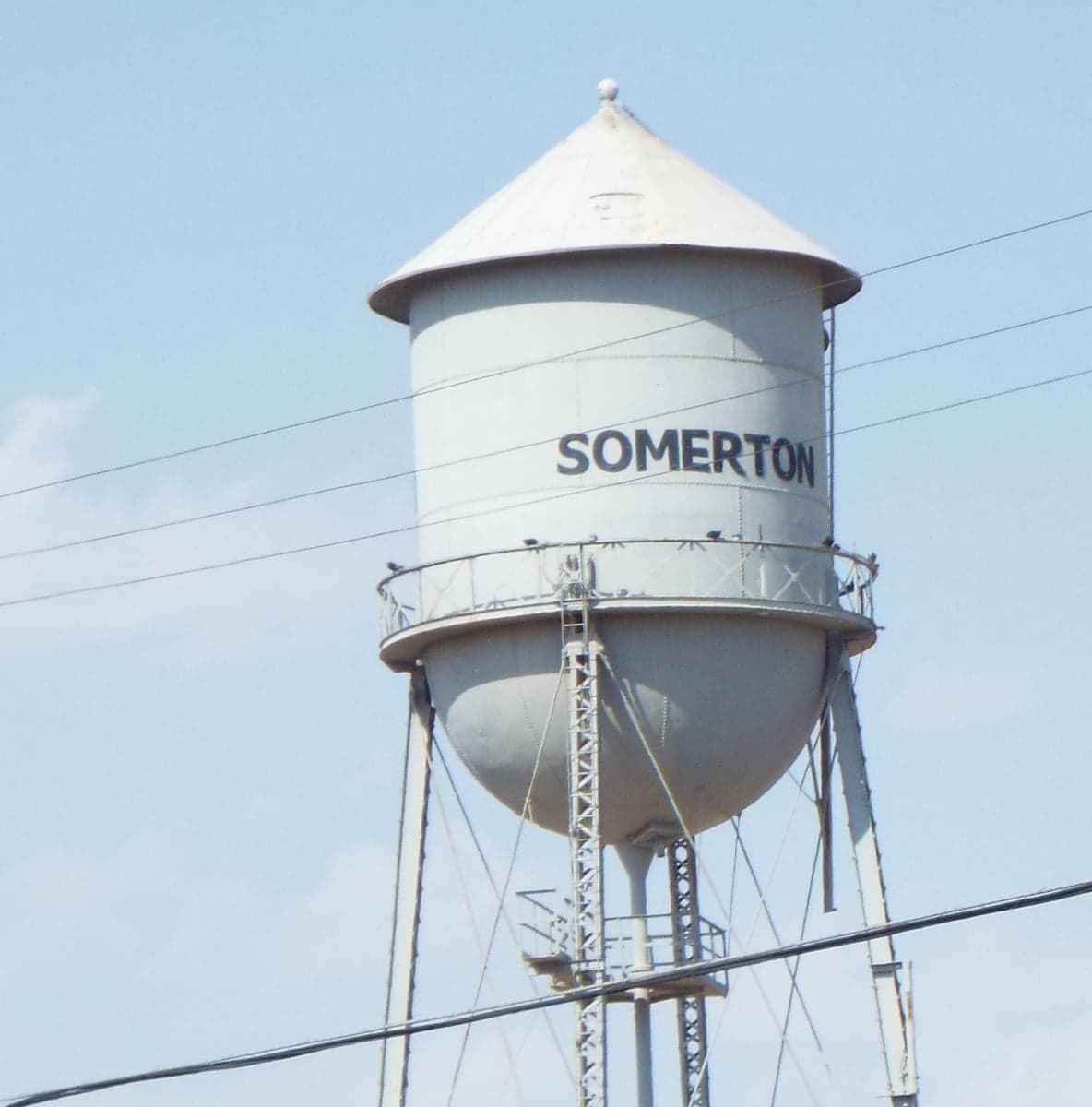
Photo: Wikipedia
Strategic Assessment of Somerton, AZ
Multiple tactical vulnerabilities. Population density, target proximity, or disaster risk are likely compounding. A retreat property and exit planning is required.
What does the Strategic Assessment tell us?
Our Strategic Assessment grades tactical survivability of an area. Major population centers, military targets, fallout zones, natural disasters, and border exposure all drive risk — lower exposure means a more defensible position in a crisis.
This is heavily inspired by Joel Skousen's Strategic Relocation book. Highly recommended you checkout the book ($)What does this tell us?
Our Strategic Assessment grades tactical survivability of an area. Major population centers, military targets, fallout zones, natural disasters, and border exposure all drive risk — lower exposure means a more defensible position in a crisis.
This is heavily inspired by Joel Skousen's Strategic Relocation book. Highly recommended you checkout the book ($)Strategic Pillars

Key Distances
Regional Safe Places
Below is our recommended "safe zones" in Arizona and the surrounding area based on our strategic heuristics. For most people, it's unrealistic to live in a “safe zone” full-time due to work, family or other personal reasons. They tend to be more rural. However, many of these areas are perfect for second homes and retreat properties that double as a vacation home or even a short-term rental.
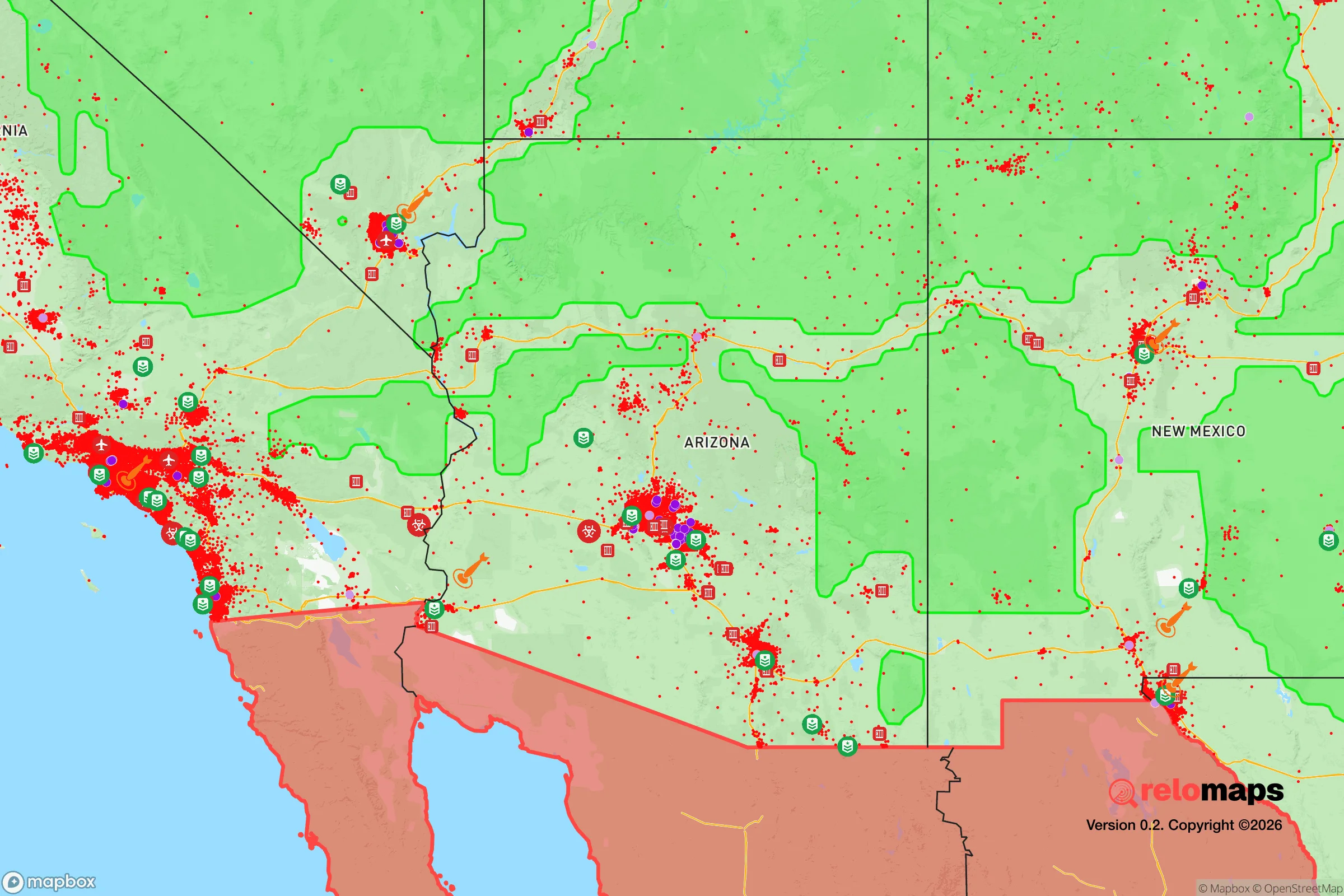
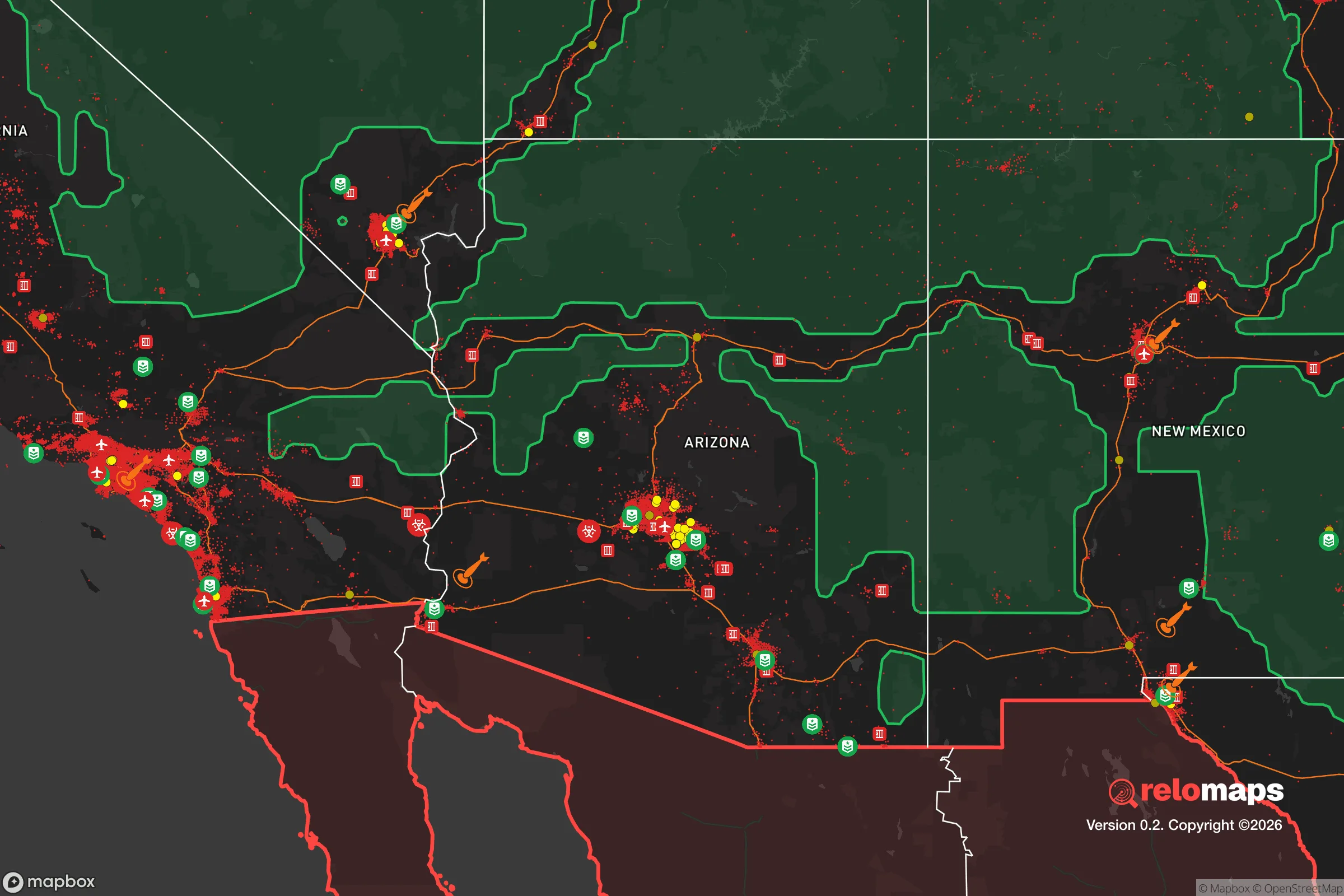


Important Note: For informational purposes only. This does not mean nothing bad ever happens in the green zones. Please use common sense. This is based on public data and modeled with AI. We tried to take a conservative approach but mistakes happen. We update this regularly as new information becomes available.
Solar Generator Recommendations
Backup power matters more here than in safer locations. We've picked three solar generators across budgets and capacity tiers — start with the budget unit if you only need a few essentials, or step up if you want to run a fridge and HVAC for days at a time.

Jackery Portable Power Station Explorer 300
Budget OptionPower on the Go: Weighing only 11 lbs, it's convenient to set up and store with book-sized foldable solar panels

BLUETTI Portable Power Station AC180
Designed for both indoor and outdoor scenarios, AC180 is highly capable as it has a robost capacity and continuous output power.

EF ECOFLOW DELTA Pro Ultra Power Station
Upgraded PickEcoFlow DELTA Pro Ultra is a whole-home energy system designed to grow with your family. Integrated with the Smart Home Panel 2, it scales to meet your evolving energy needs — keeping your home powered, intelligent, and secure through every stage of life.
We earn a commission, at no additional cost to you.
Strategic Assessment Analysis
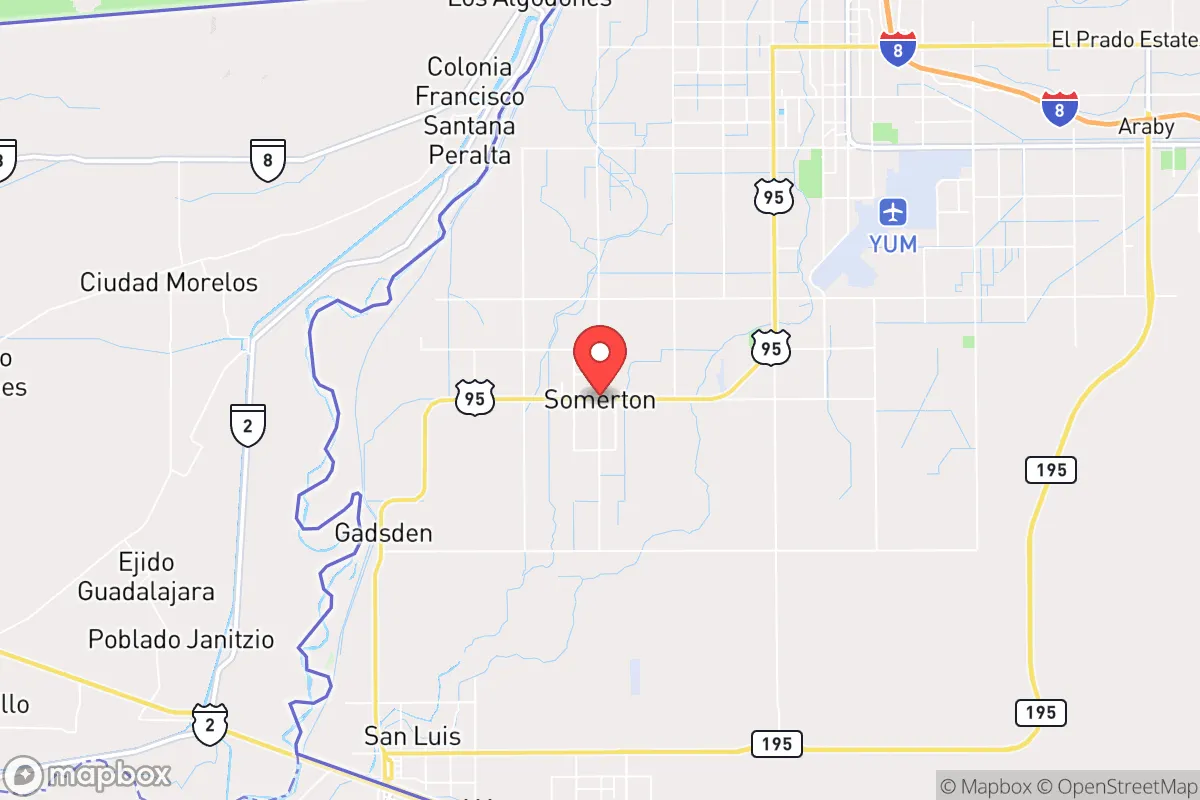
Somerton, Arizona, presents a mixed strategic picture for the conservative prepper. Its location in the far southwestern corner of the state, just north of the Mexican border and a short drive from Yuma, offers genuine advantages in terms of isolation from major population centers and access to critical water resources, but it also introduces unique vulnerabilities that a serious relocator must weigh. The town’s small population—roughly 14,000—and its position away from the interstate highway system provide a degree of natural buffering, but the proximity to the San Luis Port of Entry and the broader Yuma metropolitan area means that any large-scale disruption in the region will ripple through Somerton quickly. For a family or individual prioritizing long-term resilience, this is not a slam-dunk location, but it is one that rewards careful planning and a clear-eyed understanding of both its strengths and its liabilities.
Geographic position and natural advantages for long-term security
Somerton sits in the Lower Colorado River Valley, a region defined by extreme heat and scarce rainfall, but also by its access to the Colorado River itself. The town is roughly 10 miles from the river, which feeds the massive irrigation canals that make the Yuma area one of the most productive agricultural zones in the United States. For a prepper, this means that local food production is not a theoretical possibility—it is the dominant economic reality. The surrounding farmland grows lettuce, broccoli, citrus, and melons year-round, and the presence of the Yuma County Water Users' Association ensures that water rights are a tangible, legally protected asset. This is not a place where you will starve if supply chains falter, provided you can secure a direct relationship with a local grower or acquire land with water access. The region’s flat terrain and sparse population density also mean that a well-chosen property outside of town limits offers genuine defensibility—few natural chokepoints, but also few neighbors to worry about. The downside is the climate: summer temperatures routinely exceed 110°F, and any off-grid power system must be oversized to handle continuous air conditioning loads. Solar is excellent here—over 300 sunny days per year—but battery storage becomes a non-negotiable expense.
Risks, exposures, and proximity to fallout-relevant landmarks
The most significant strategic liability for Somerton is its proximity to the U.S.-Mexico border. The San Luis Port of Entry, just 8 miles to the south, is a major commercial crossing that sees thousands of trucks and vehicles daily. In a scenario involving civil unrest, mass migration, or a public health crisis, this border crossing becomes a potential point of failure. The town itself is not a primary target for any conventional military or terrorist strike—there are no major military bases, nuclear facilities, or critical infrastructure hubs within Somerton’s immediate vicinity—but the Yuma area as a whole is home to the Yuma Proving Ground, a U.S. Army test range that handles everything from artillery to drone operations. That facility is roughly 30 miles northeast of Somerton. While it is not a nuclear target in the traditional sense, any large-scale conflict involving the U.S. military could see increased activity and potential spillover effects. Additionally, the nearby Interstate 8 corridor, which connects Yuma to San Diego and Phoenix, is a logical route for both military logistics and refugee movement during a crisis. Somerton’s location off the main highway provides some insulation, but it is not far enough to avoid secondary effects entirely. The biggest natural risk is extreme heat and drought—wildfire risk is low due to the lack of fuel, but a multi-year drought or a failure of the Colorado River water delivery system would devastate the local economy and food supply.
Practical resilience for a relocator: food, water, energy, and defensibility
For a family or individual serious about self-sufficiency, Somerton offers a few concrete advantages that are hard to find elsewhere. Water is the most critical: the Colorado River allocation for the Yuma area is among the most senior and legally protected in the entire Southwest. If you can secure a property with a well or a water right tied to the irrigation district, you have a resource that most of Arizona and California will be fighting over in a prolonged crisis. The local water table is also relatively high, though it is saline in places, so testing is essential. Food resilience is strong: the Yuma area produces 90% of the nation’s leafy greens during the winter months, and local farmers’ markets and direct-to-consumer sales are well-established. A prepper with a few acres can realistically grow a significant portion of their own food, though the intense summer heat limits the growing season to fall through spring. Energy resilience is straightforward: solar is abundant, and net metering policies in Arizona are favorable, though the state’s grid is increasingly stressed during summer heat waves. A battery backup system is not optional—it is the difference between comfort and danger during a multi-day outage. Defensibility is a mixed bag. The flat terrain offers no natural cover, but a rural property with a good perimeter fence, clear sightlines, and a well-stocked armory can be made secure. The local culture is heavily agricultural and Hispanic, with a strong sense of community and a general distrust of federal overreach—traits that align well with a conservative prepper mindset. However, the proximity to the border means that law enforcement and Border Patrol presence is constant, which can be a double-edged sword: it provides security against cartel activity but also means that any defensive preparations will be noticed.
The overall strategic picture for Somerton is one of calculated trade-offs. It is not a bunker location—it is too hot, too exposed to border dynamics, and too dependent on a single water source to be considered a true retreat. But for a relocator who wants to stay within driving distance of the West Coast while maintaining a low profile and access to abundant food and water, it is a viable option. The key is to buy land with water rights, invest heavily in solar and battery storage, and build a home that can withstand extreme heat without grid dependency. The community is small enough that a newcomer can integrate, but large enough that you will not be the only prepper in town. If the goal is to be prepared for civic unrest, supply chain collapse, or a major disaster, Somerton offers a foundation—but it is a foundation that requires active, ongoing investment to become truly resilient. The border is a risk, but it is also a reality of life in this part of the country, and for those willing to accept that, the rewards are real.

* Values derived from national, state, county, city and local statistics and may differ in a specific area. Last updated: 2026-04-19T08:54:48.000Z
Narrative content on this page is AI-generated and may contain mistakes. Verify any details that matter before acting on them.
ReloMaps may earn a commission from affiliate links at no extra cost to you.

