
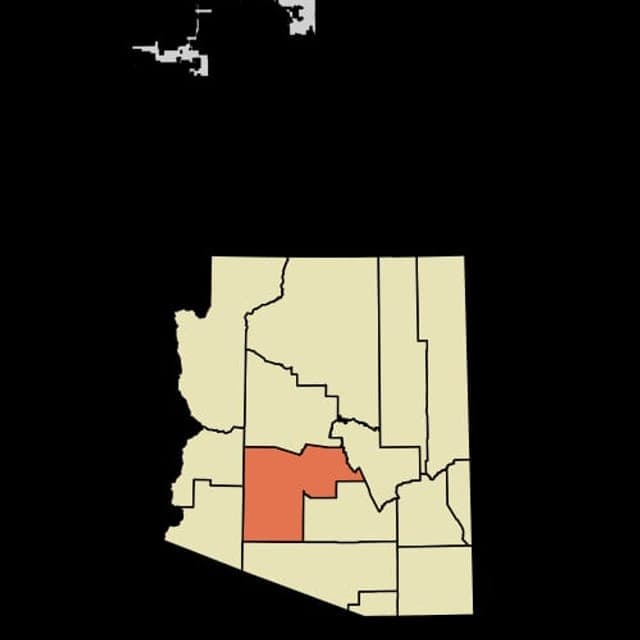
Photo: Wikipedia
Find The Best Places To Live
in San Luis
PRO TIP! You can paste a Zillow or Redfin link to get info on that property.
What It's Like Living in San Luis, AZ
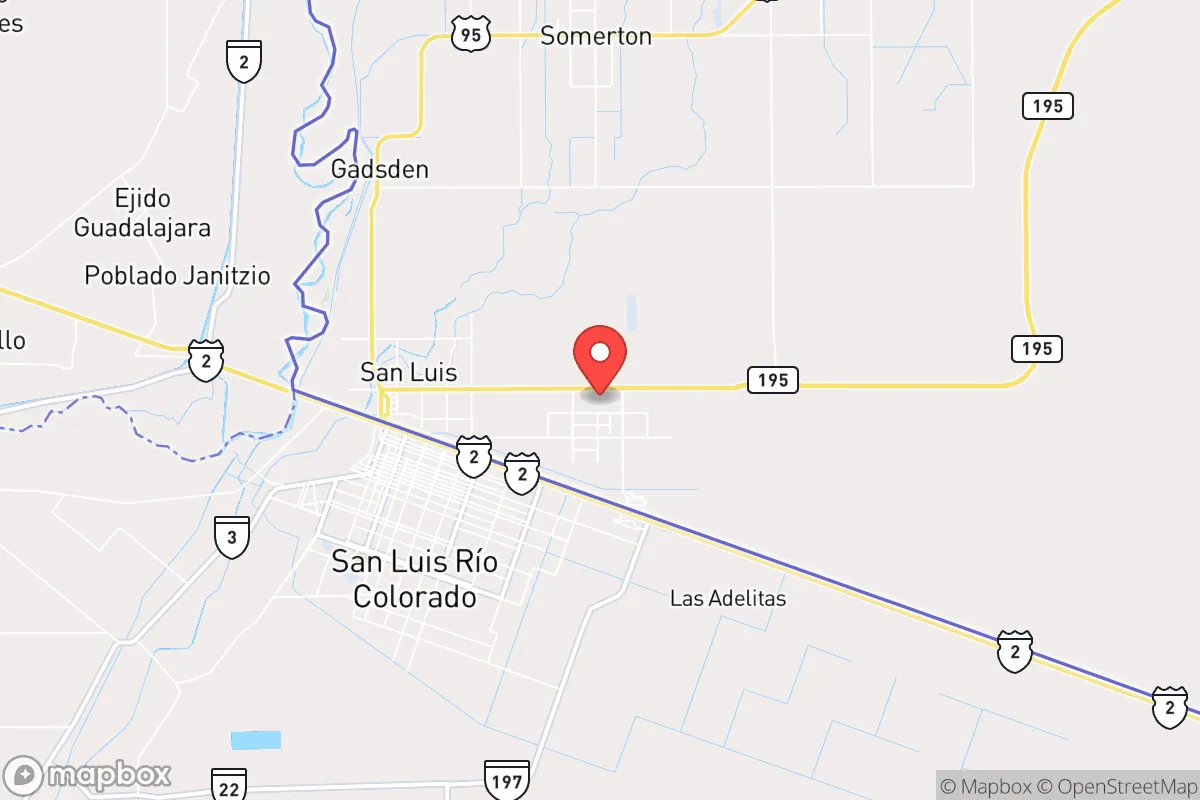
San Luis, Arizona, feels less like a typical American border town and more like a living bridge between two countries, where daily life runs on a binational rhythm that’s both practical and deeply cultural. With a population just shy of 36,000, it’s a compact, family-oriented community where Spanish is the default language in grocery aisles and the smell of Sonoran-style cooking drifts from backyard grills on any given evening. This isn’t a place for people seeking nightlife or corporate career ladders—it’s a town built for those who value affordability, close-knit family ties, and the convenience of stepping into Mexico as easily as crossing the street.
Daily Rhythm: A Border Town’s Practical Pace
Life in San Luis revolves around a simple, steady cadence. Most residents commute an average of 27 minutes to work, often heading west to Yuma for jobs in agriculture, logistics, or retail, while others cross daily into San Luis Río Colorado, Sonora, for lower-cost groceries, dental work, or family visits. The median age here is 33.2, reflecting a population of young families and working-age adults rather than retirees. Weekends are spent at the San Luis Community Park, where soccer leagues dominate the fields and parents gather for birthday parties under shaded ramadas, or at the San Luis Plaza shopping center, where locals grab tacos at Taquería El Pueblito and shop for household goods at Walmart—the town’s primary big-box anchor. There’s no downtown strip of bars or craft breweries; the social scene is more about family cookouts, church events, and weekend trips to the Colorado River for fishing or jet skiing.
Who Fits In: The Working-Family Core
San Luis is overwhelmingly a town for people who prioritize affordability and family proximity over career ambition or cultural variety. With a median household income of $57,364 and a cost of living index of 66—well below the national average of 100—a single-income family can own a home here. The median home value sits at $197,400, making it one of the most affordable housing markets in Arizona. The trade-off is that only 9.4% of adults hold a college degree, and high-paying professional jobs are scarce; most employment is in farming, packing plants, border security, or retail. The kind of person who thrives here is someone who doesn’t mind a 30-minute commute to Yuma for a decent job, values extended family living nearby, and is comfortable in a community where nearly everyone shares a similar cultural background and life stage.
Sports & Community: High School Loyalty Runs Deep
There are no professional sports teams within 100 miles of San Luis, and college sports fandom tends to lean toward the University of Arizona or Arizona State, depending on family ties. What does matter is high school athletics. San Luis High School and Cibola High School (just across the line in Yuma) draw passionate crowds for Friday night football games, and the San Luis Sidewinders soccer program is a point of genuine pride. The town’s identity is wrapped up in its youth sports—baseball, basketball, and especially soccer, which is played year-round at the community park and local school fields. For adults, the San Luis Recreation Center offers pickup basketball and fitness classes, but the real community gathering happens at the annual San Luis Fiesta in October, where carnival rides, live banda music, and food stalls take over the main plaza.
What’s There to Do: Modest but Meaningful
Entertainment options are limited but intentional. The San Luis Regional Park offers walking trails, a fishing pond, and picnic areas—popular for Sunday afternoon outings. For a change of pace, residents drive 15 minutes to the Colorado River for boating or kayaking, or head into Yuma for the Yuma Territorial Prison State Historic Park and the Yuma Art Center. Nightlife is essentially nonexistent; the closest thing to a bar scene is a handful of small cantinas in San Luis Río Colorado, just across the border. The biggest cultural quirk is the town’s reliance on Mexico for everyday services—many residents cross for cheaper prescriptions, fresh produce, and even haircuts, treating the border crossing as a routine errand rather than a special trip. The San Luis Port of Entry is a constant presence, with wait times that can stretch 30–60 minutes during peak hours.
Pros and Cons of Living Here
- Pro: Unbeatable affordability. A median home under $200,000 and a cost of living 34% below the national average mean families can actually save money or live on a single income.
- Pro: Strong community bonds. With a median age of 33.2 and a shared cultural identity, neighbors know each other, and kids grow up in a safe, watchful environment.
- Pro: Binational lifestyle. Access to Mexico for affordable healthcare, dining, and shopping is a genuine perk that lowers everyday costs.
- Con: Limited job market. Most work is in agriculture, retail, or border services; professional careers require a commute to Yuma or beyond.
- Con: Thin entertainment options. No movie theater, bowling alley, or live music venue in town—weekend plans often mean driving 20–30 minutes.
- Con: Extreme summer heat. From June through September, temperatures regularly hit 110°F, making outdoor activities miserable and air conditioning a necessity.
- Con: Border wait times. The daily crossing into Mexico can add unpredictability to errands, especially during holidays or peak travel seasons.
Practical Realities: Weather, Traffic, and Schools
Summers are brutal—temperatures above 105°F from June through August, with monsoon humidity in July and August that makes the heat feel heavier. Winters are mild and pleasant, with highs in the 60s and 70s, drawing snowbirds to nearby Yuma but not so much to San Luis itself. Traffic is minimal by any standard; the main congestion happens at the border crossing and along Main Street during school drop-off and pickup. San Luis High School and Arizona Desert Elementary are the primary public schools, and they function as community hubs—hosting sports events, parent meetings, and holiday festivals. The San Luis Police Department keeps a visible presence, and the violent crime rate of 84.9 per 100,000 residents is notably lower than the national average, reinforcing the town’s reputation as a safe place to raise kids. For families and singles who value low cost, strong community, and a slower pace, San Luis offers a straightforward, no-frills life—just be ready for the heat and the commute.

Similar towns to San Luis


* Values derived from national, state, county, city and local statistics and may differ in a specific area. Last updated: 2026-05-01T08:53:36.000Z
Narrative content on this page is AI-generated and may contain mistakes. Verify any details that matter before acting on them.
ReloMaps may earn a commission from affiliate links at no extra cost to you.

