Photo: Wikipedia
Personal Sovereignty in Somerville, MA
Viable for self-reliance. Generally workable, though some barriers may limit total independence.
What does Personal Sovereignty tell us?
Personal Sovereignty measures your capacity for self-reliance and independence with minimal government friction. Higher scores mean fewer barriers between you and the way you want to live... but it assumes you have the space you need and good neighbors.
What does this tell us?
Personal Sovereignty measures your capacity for self-reliance and independence with minimal government friction. Higher scores mean fewer barriers between you and the way you want to live... but it assumes you have the space you need and good neighbors.
State Policy
Energy independence: Importer (5% of energy produced in-state)
Personal Liberty
Homesteading

Personal Liberty Analysis
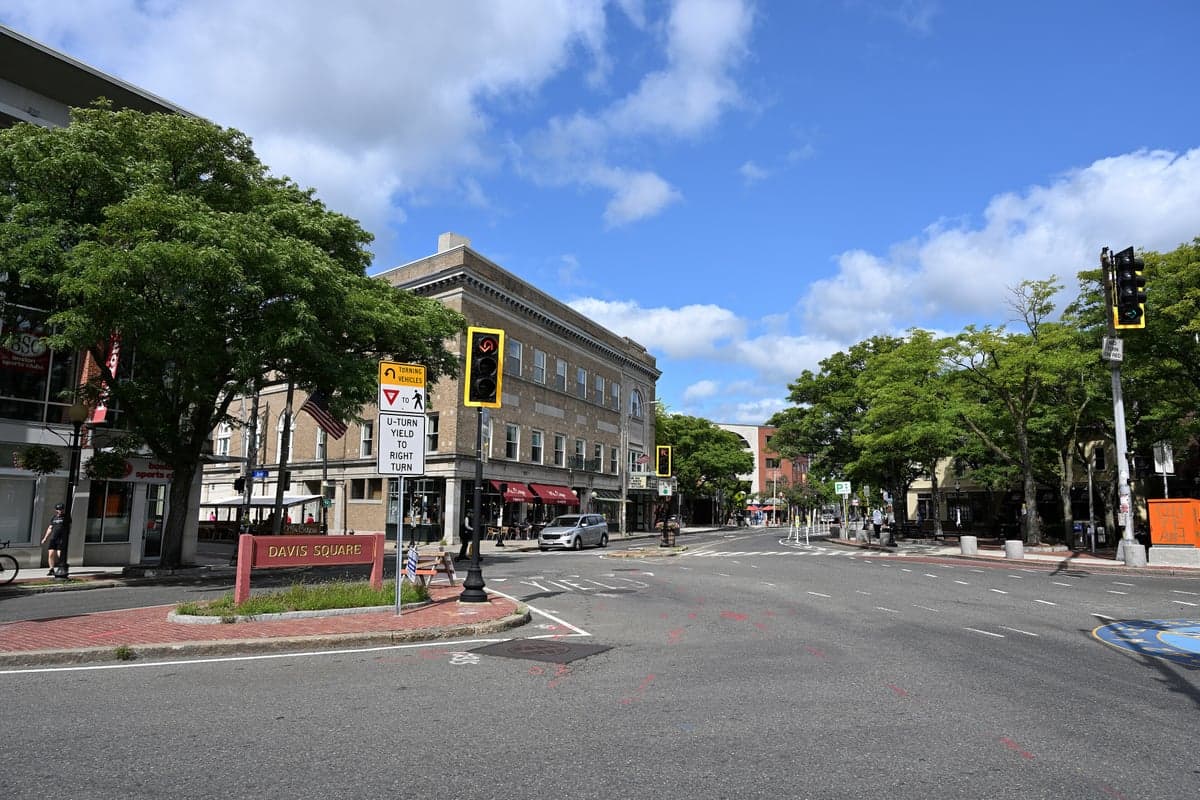
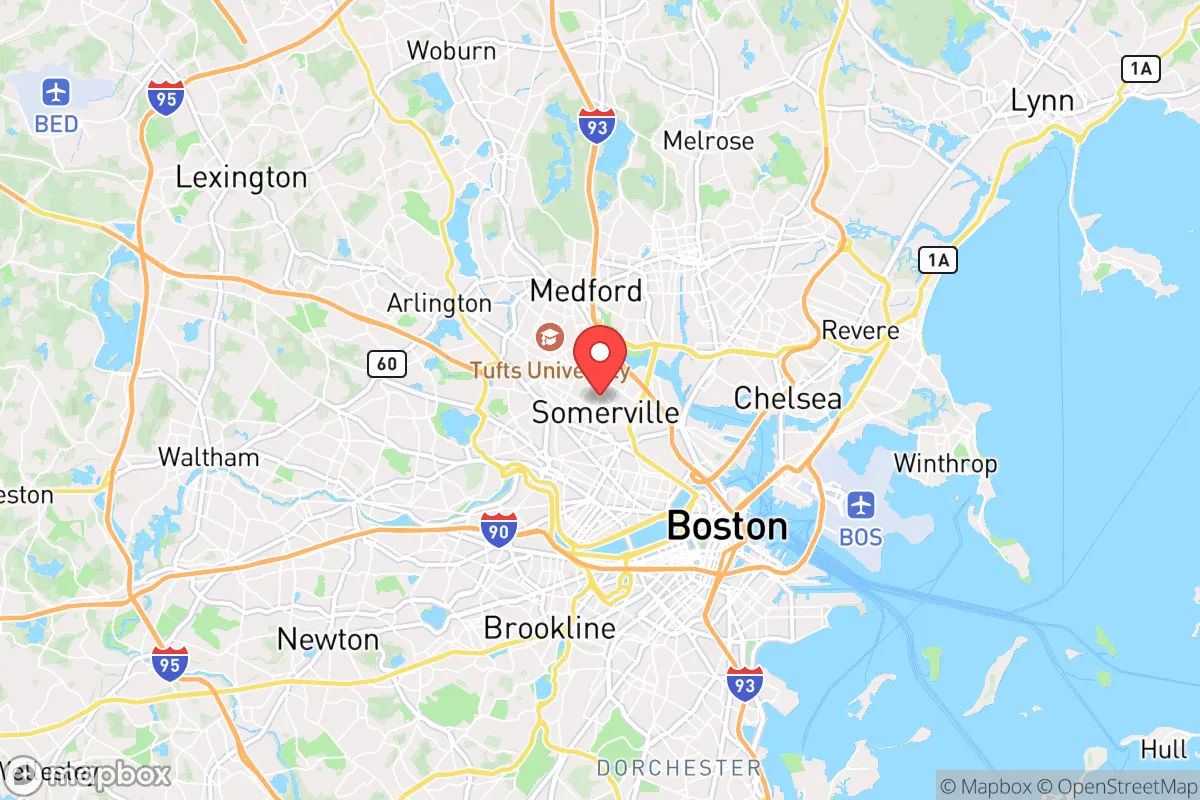
For a conservative-leaning individual or family evaluating personal sovereignty, Somerville, Massachusetts presents a challenging environment where state-level authority consistently overrides local autonomy. As a densely packed urban city of roughly 81,000 people just northwest of Boston, Somerville operates under the full weight of Massachusetts’ progressive governance, which heavily regulates everything from firearms to property use. The practical reality here is that personal sovereignty is significantly constrained by state preemption laws, high taxation, and a political culture that prioritizes collective mandates over individual choice. This analysis examines the specific factors that determine how much control you can actually maintain over your life, property, and family in this jurisdiction.
Tax burden and regulatory posture: what you pay and what you can do
Massachusetts imposes one of the heaviest tax burdens in the nation, and Somerville residents feel it acutely. The state’s flat income tax rate is 5.0% as of 2025, but this is paired with a 6.25% sales tax and some of the highest property taxes in the country. Somerville’s effective property tax rate is approximately 1.1% of assessed value, which on a median home value of roughly $800,000 translates to an annual bill near $8,800. For renters, these costs are passed through as higher monthly payments. The regulatory posture is equally dense: Massachusetts has a statewide building code, strict environmental regulations (including Title 5 septic requirements that effectively ban off-grid wastewater systems), and a powerful state-level Department of Environmental Protection that can halt any land-use change. Zoning in Somerville is urban and dense—minimum lot sizes are typically 3,000 to 5,000 square feet for single-family homes, but most parcels are smaller. The city’s zoning code heavily restricts accessory dwelling units, home-based businesses, and any non-conforming use. If you want to run a small workshop, keep livestock, or modify your property without permits, you will face immediate pushback from both city inspectors and neighbors. The regulatory environment here is designed for compliance, not independence.
Self-defense and gun law specifics: what you can and cannot own
Massachusetts has some of the strictest gun laws in the United States, and Somerville offers no local relief. The state requires a License to Carry (LTC) for any handgun possession, which is issued by local police chiefs with significant discretion. In practice, Somerville’s police department is not hostile to LTC applications, but the process is lengthy—often 4-6 months—and requires a state-approved safety course, fingerprints, and a $100 fee. The state bans “assault weapons” by name and feature, effectively prohibiting AR-15s, AK-pattern rifles, and many popular semi-automatic pistols with threaded barrels or magazine capacities over 10 rounds. Magazine capacity is capped at 10 rounds for rifles and pistols. Constitutional carry does not exist; open carry is effectively illegal, and carrying a firearm without an LTC is a felony. Stand-your-ground laws are absent; Massachusetts imposes a duty to retreat in public spaces before using deadly force. For preppers, this means your defensive options are limited to handguns and shotguns with low capacity, and you must navigate a permitting system that can be revoked at any time. The state also maintains a firearm roster that restricts which models can be sold, and private sales require a background check through a licensed dealer. If self-defense is a priority, this jurisdiction will feel restrictive.
Self-reliance and homesteading viability: lot sizes, zoning, and off-grid feasibility
Homesteading in Somerville is essentially impossible within city limits. The average lot size is less than 0.1 acres, and zoning prohibits agricultural uses, livestock (chickens are allowed with a permit but limited to 4 hens, no roosters), and any structure not connected to municipal water and sewer. Off-grid living is not feasible because Massachusetts law requires all dwellings to be connected to public utilities where available, and Somerville has full municipal water, sewer, and electric service. Rainwater collection is legal but limited to 250 gallons per property without a permit, and solar panels require building permits and utility interconnection agreements. The city’s tree canopy and dense development mean most roofs get limited sun exposure. For a prepper seeking food independence, community garden plots are available through the city’s Groundwork Somerville program, but waitlists are long and plots are small (typically 4x8 feet). The nearest rural land for actual homesteading is 30-45 minutes west in towns like Harvard or Bolton, where lot sizes of 1-5 acres are common and zoning allows chickens, goats, and small-scale farming. But even there, Massachusetts’ Title 5 septic laws and wetland protection rules make off-grid systems expensive and often impossible. The bottom line: if you want to grow your own food, store water, or generate your own power, Somerville is not the place.
Personal liberties: parental rights, medical autonomy, speech, and property
Massachusetts has a strong record of state intervention in personal and family matters. On parental rights, the state mandates that all children attend school from age 6 to 16, with strict homeschooling requirements: you must submit a curriculum plan, provide annual standardized test results, and have your home visited by a school official if requested. Medical autonomy is heavily restricted: the state has mandatory vaccination laws for school attendance (with only medical exemptions, no religious or philosophical exemptions), and during public health emergencies, the governor has broad powers to mandate treatments. The 2020-2021 COVID period saw Massachusetts impose some of the nation’s longest-lasting mask mandates and business closures, with little local opt-out. On speech, Massachusetts has a strong anti-SLAPP law that protects citizens from frivolous lawsuits, but it also has a strict hate crimes statute that can be used to prosecute certain types of speech. Property rights are constrained by the state’s rent control ban repeal (Somerville has a local rent stabilization ordinance that was challenged in court), and by the state’s Chapter 40B law, which allows developers to override local zoning for affordable housing projects. For a conservative concerned with government overreach, the cumulative effect is that the state holds the upper hand in nearly every domain of personal life. The city’s political culture is overwhelmingly progressive—Somerville voted 84% for Joe Biden in 2020—so local officials are unlikely to push back against state mandates.
In the broader context of personal sovereignty, Somerville ranks among the most restrictive environments in the United States for a survivalist or prepper mindset. The combination of high taxes, strict gun control, impossible homesteading conditions, and state preemption of parental and medical autonomy creates a situation where individual choice is consistently secondary to government directive. If you are considering relocation and value the ability to defend yourself, raise your family according to your values, and live independently of state systems, you would find far more latitude in states like New Hampshire (where income tax is zero, gun laws are permissive, and homesteading is viable) or even rural western Massachusetts. Somerville is a vibrant, walkable city with strong community ties, but for those prioritizing personal sovereignty, it is a place to visit, not to plant roots.

* Values derived from national, state, county, city and local statistics and may differ in a specific area. Last updated: 2026-05-01T07:51:02.000Z
Narrative content on this page is AI-generated and may contain mistakes. Verify any details that matter before acting on them.
ReloMaps may earn a commission from affiliate links at no extra cost to you.

