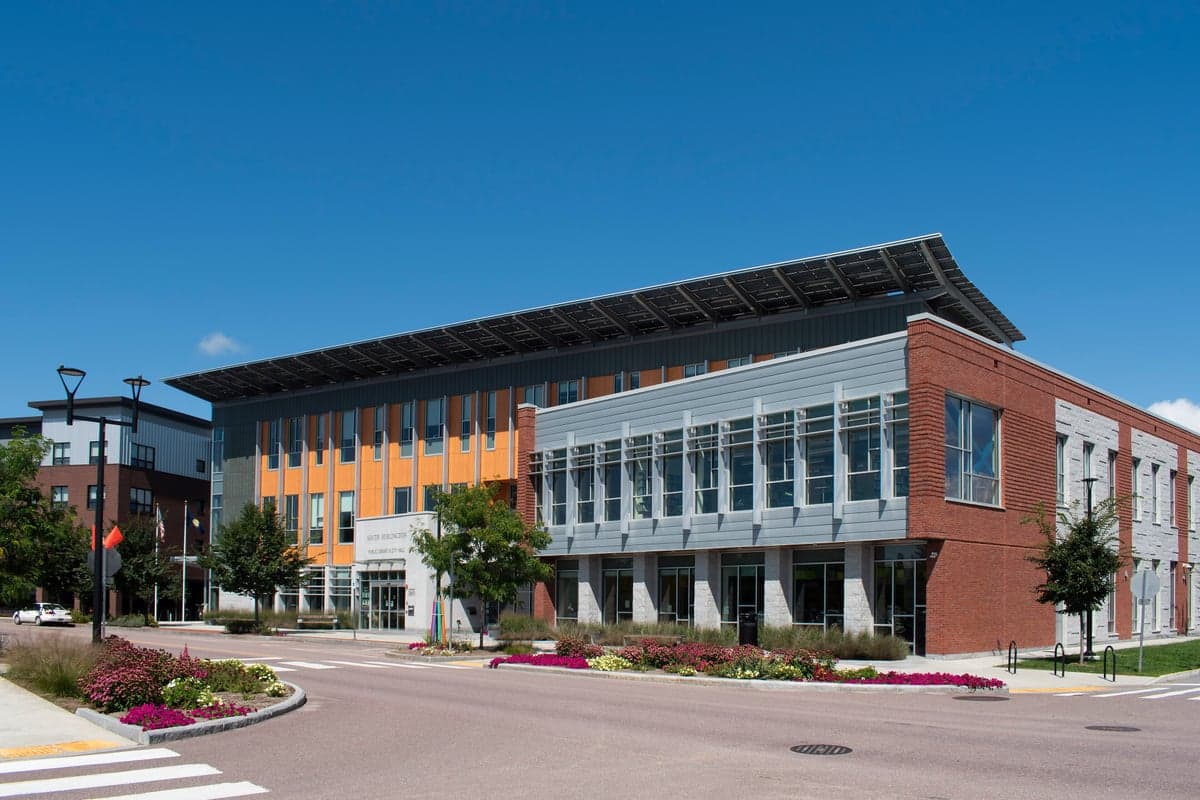
Photo: Wikipedia
Political ClimatePolitical Climate in South Burlington, VT
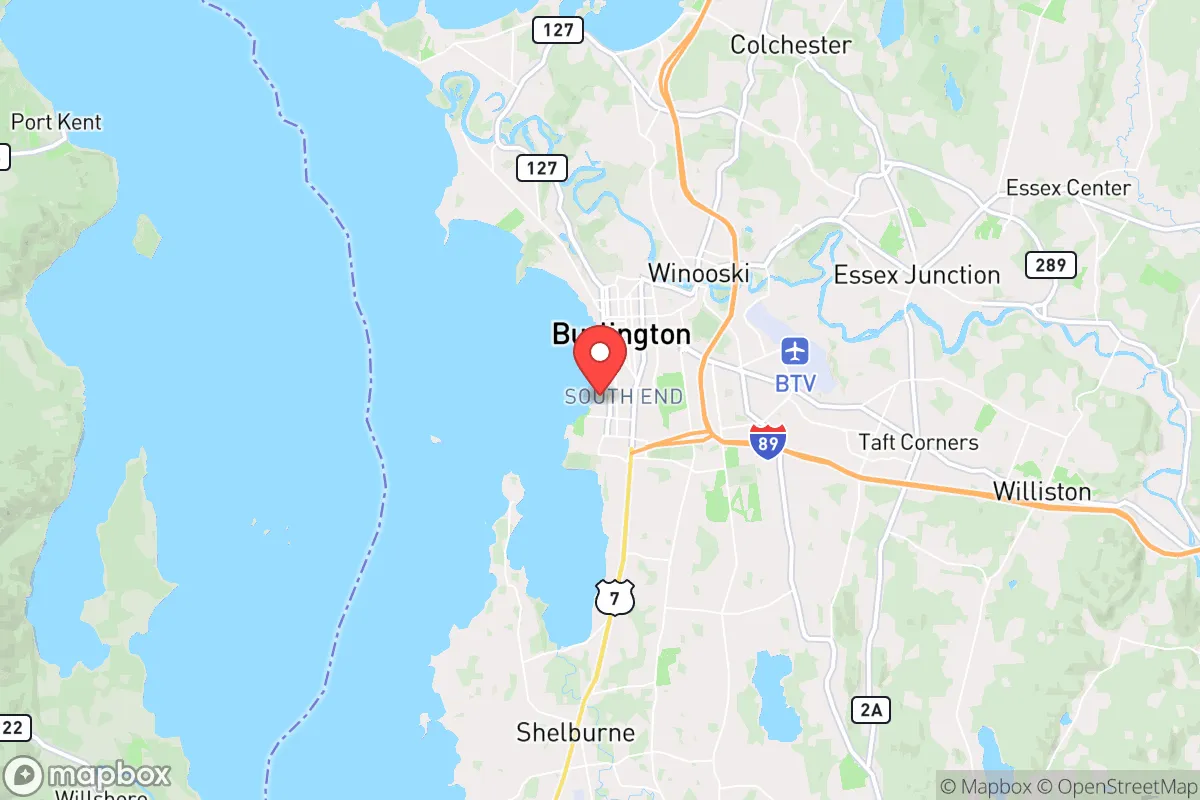
District shown is the primary district for this city’s centroid. Cities may span multiple districts.
Inherited from parent state — no local data available.
Local Political AnalysisPolitical Analysis of South Burlington, VT
South Burlington leans heavily Democrat, with a Cook PVI of D+17, and it’s been trending that way for a while now. I’ve lived here long enough to remember when the city was more of a mix—you’d see as many “Don’t Tread on Me” bumper stickers as “Coexist” ones. These days, the local elections and town meetings are dominated by progressive voices, and the shift has been pretty steady since the early 2010s. If you’re looking for a place where your vote on local issues might actually balance out the state’s leftward drift, this isn’t it—but it’s worth knowing what you’re getting into.
How it compares
South Burlington is the progressive heart of Chittenden County, and it stands in stark contrast to the more conservative towns just a short drive away. Head east to Milton or Georgia, and you’ll find a lot more folks who value limited government and personal freedom—places where the Second Amendment isn’t a debate topic. Even Burlington itself, while also left-leaning, has a more activist, sometimes chaotic energy; South Burlington’s progressivism feels more institutional, like it’s baked into the school board and city council decisions. The surrounding rural towns like Hinesburg and Richmond still have a libertarian streak, but South Burlington has become a hub for policies that can feel like government overreach—think strict land-use regulations and a push for higher taxes to fund social programs.
What this means for residents
For someone who values personal freedoms, living here means navigating a local government that’s pretty comfortable telling you how to live. The city council has been aggressive on mandates—from mask requirements that lasted longer than state guidelines to zoning rules that make it hard to do anything on your own property without a permit. Property taxes are high, and they keep climbing to fund initiatives like universal pre-K and climate action plans that not everyone asked for. If you’re a small business owner, you’ll feel the weight of regulations that favor larger, established players over the mom-and-pop shops that used to define this area. The school system is excellent, no doubt, but it comes with a price tag and a curriculum that leans heavily into social justice frameworks—something to consider if you want your kids to get a more traditional education.
What sets South Burlington apart culturally
Culturally, South Burlington has a “we know best” vibe that can rub longtime residents the wrong way. The city was one of the first in Vermont to ban plastic bags and Styrofoam, and it’s been a leader in pushing for carbon taxes and renewable energy mandates that drive up utility costs. There’s a strong sense of community, but it’s often defined by activism—neighbors organizing around climate change or racial equity initiatives, which can feel like peer pressure if you’re not on board. The local paper and city meetings are dominated by these issues, and dissent is often met with social shaming rather than debate. If you’re coming from a place where personal liberty is a core value, you’ll find South Burlington’s culture increasingly at odds with that—and the trajectory suggests it’s only going to get more so in the next decade.

State Political ClimatePolitical Climate in Vermont
State Political AnalysisPolitical Environment in the State
Vermont has long been a deep blue state, but its political climate is far more complex than the national headlines suggest. The state has voted for the Democratic presidential candidate in every election since 1992, with margins often exceeding 30 points, but this Democratic dominance masks a fierce urban-rural split and a libertarian streak that runs through many of its small towns. Over the past 20 years, the state has shifted from a moderate, fiscally conservative New England model to a more aggressively progressive policy environment, driven largely by the Chittenden County metro area and the influx of out-of-state transplants, particularly from New York and Massachusetts.
Urban vs. rural divide
The political map of Vermont is a study in contrasts. Burlington and its surrounding Chittenden County suburbs—like South Burlington, Winooski, and Essex Junction—are the engine of the state’s progressive politics. These areas reliably deliver 70-80% of the vote for Democratic candidates and are home to the University of Vermont, which amplifies the leftward tilt. In contrast, the rural counties tell a different story. Orleans County in the Northeast Kingdom, Rutland County, and Franklin County in the northwest have trended Republican in recent cycles, with Donald Trump winning Orleans County by 20 points in 2020. The town of St. Johnsbury in Caledonia County is a notable swing area, where local races often hinge on gun rights and property taxes. The divide is stark: drive 30 minutes from Burlington to Milton or Georgia, and you’ll see Trump signs still nailed to barns, while the city itself flies Pride flags year-round.
Policy environment
Vermont’s policy environment is where the rubber meets the road for a conservative considering relocation. The state has the highest combined state and local tax burden in the nation, according to the Tax Foundation, with income taxes topping 8.75% and property taxes among the highest per capita. The education funding system is a single-payer model—Act 60 and its successor Act 127—that redistributes property tax revenue from wealthier towns to poorer ones, meaning a family in Charlotte pays a higher rate to fund schools in Newport. Healthcare is dominated by the state’s all-payer model, which caps hospital revenue growth and has led to longer wait times and limited specialist access in rural areas. On election law, Vermont has universal mail-in voting and same-day voter registration, which critics argue weakens ballot security. The state also passed a paid family leave program in 2023, funded by a payroll tax, and has some of the strictest environmental regulations in the country, including a ban on new fossil fuel infrastructure that has driven up heating costs.
Trajectory & freedom
Over the past five years, Vermont has moved decisively in a direction that many conservatives view as a contraction of personal freedom. The 2023 passage of Act 14, a gun control law, banned the sale of many semi-automatic firearms, limited magazine capacity to 10 rounds, and raised the purchase age to 21. This came after a 2018 law that already required universal background checks and a 72-hour waiting period. On parental rights, the state’s Act 1 (2024) removed the requirement for schools to notify parents if a child changes their gender identity or pronouns, a flashpoint that has driven families to consider leaving. Medical autonomy took a hit with the state’s strict vaccine mandates for schoolchildren, which were expanded during COVID and never rolled back. Property rights are under pressure from the state’s Act 250 land-use law, which gives regional commissions veto power over development, making it difficult to build new homes or businesses without years of permitting. The state’s Clean Heat Standard, set to take effect in 2025, will require homeowners to pay for carbon credits on their heating fuel, effectively a new tax on rural living.
Civil unrest & political movements
Vermont has seen its share of political flashpoints. The 2020 racial justice protests in Burlington turned violent, with property damage downtown and a statue of a Civil War general toppled. The Yellow Vests of Vermont, a libertarian-leaning group, have held regular rallies at the Statehouse against vaccine mandates and gun control, drawing hundreds. The state’s sanctuary policies are among the most aggressive in the nation: a 2017 law prohibits state and local law enforcement from cooperating with federal immigration authorities, and Burlington has explicitly declared itself a sanctuary city. Election integrity has been a recurring concern, with the 2020 election seeing widespread use of ballot drop boxes and no voter ID requirement, leading to a 2023 lawsuit from the Vermont Republican Party that challenged the state’s mail-in voting system. The Second Vermont Republic, a secessionist movement, has a small but vocal following, advocating for a return to the state’s independent roots, though it remains fringe.
Projection
Looking ahead five to ten years, the trajectory is clear: Vermont will continue to deepen its progressive policies, driven by in-migration from blue states and the out-migration of native-born conservatives. The state’s population is aging and shrinking, with the Northeast Kingdom losing residents while Chittenden County grows. The 2024 election saw Republicans flip a few state house seats in rural districts, but the Democratic supermajority in the legislature remains intact. Expect further gun restrictions, expansion of the healthcare single-payer model, and more environmental mandates that will increase the cost of living. The property tax system is unsustainable, and a crisis is likely within five years, but the political will to reform it is absent. For a conservative, the state will become increasingly hostile to traditional values, with school choice virtually nonexistent and homeschooling facing new regulatory scrutiny.
For a new resident, the bottom line is this: Vermont offers stunning natural beauty and a slower pace of life, but it comes with a heavy price tag in taxes, regulations, and a political culture that is actively hostile to conservative principles. If you value low taxes, gun rights, parental control over education, and the freedom to live without government mandates, this is not the state for you. If you can afford the cost and are willing to fight for your values in local town meetings and school board elections, you’ll find a small but resilient conservative community in places like Derby, Fair Haven, and Shoreham. But the tide is against you, and the state’s leadership shows no sign of turning back.
* Values derived from national, state, county, city and local statistics and may differ in a specific area. Last updated: 2026-04-30T18:26:34.000Z
Narrative content on this page is AI-generated and may contain mistakes. Verify any details that matter before acting on them.
ReloMaps may earn a commission from affiliate links at no extra cost to you.

