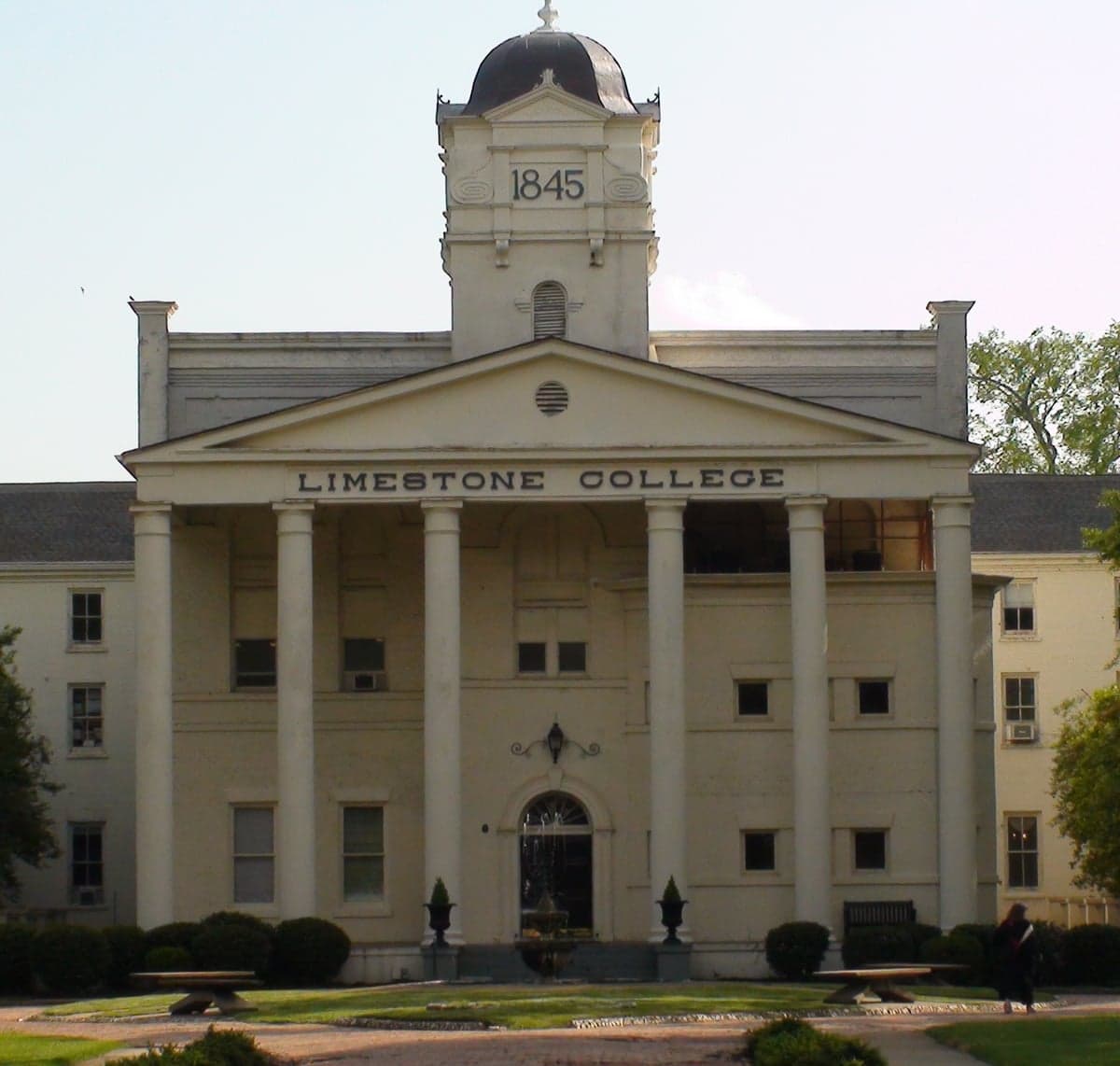
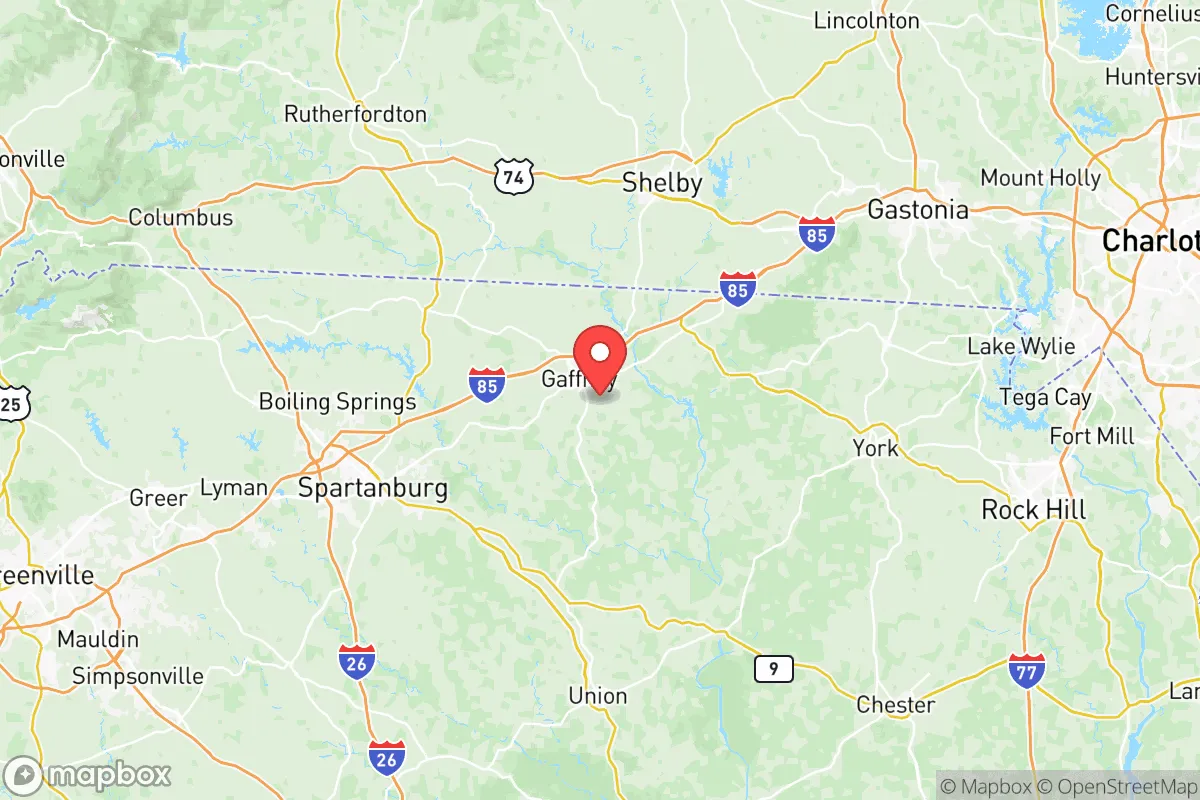
Photo: Wikipedia
Find The Best Places To Live in Cherokee County
PRO TIP! You can paste a Zillow or Redfin link to get info on that property.
Best Places to Live in Cherokee County
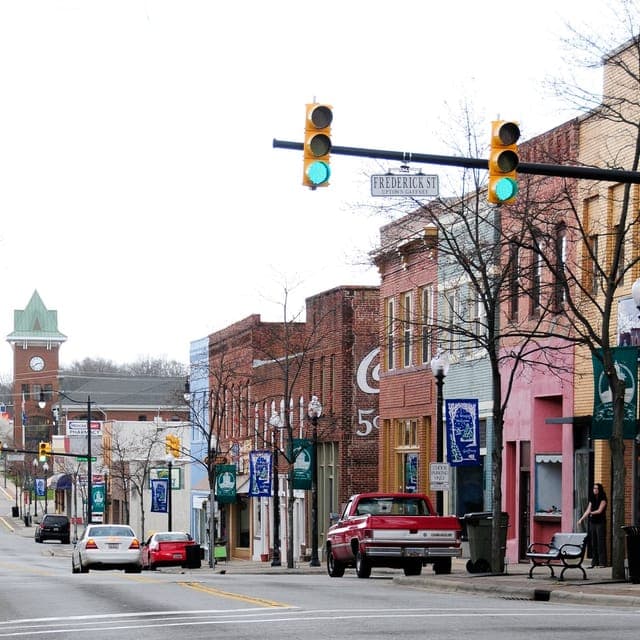
Cities & Towns in Cherokee County
Cities in Cherokee County
What It's Like Living in Cherokee County, SC
Living in Cherokee County, South Carolina, feels like being part of a place that’s still figuring out its own story—caught between the quiet rhythms of small-town life and the pull of bigger cities like Spartanburg and Charlotte. The county’s anchor, Gaffney, is where most people run errands and grab a bite, but the real character shows up in places like Blacksburg, Cowpens, and the rural stretches in between. It’s a county where you’ll see Confederate flags flying next to “Welcome Home” signs, where the high school football stadium is the social hub on Friday nights, and where the cost of living is low enough that a median income of $49,047 actually stretches further than you’d expect.
Daily Rhythm and Where People Actually Go
Most mornings in Cherokee County start with a short commute—the average is just under 25 minutes, which means you can live on a quiet road outside of Gaffney and still get to work at the local textile plants, distribution centers, or the Cherokee Medical Center without losing your morning. People shop at the Gaffney Walmart or the Ingles on Cherokee Avenue, and for anything bigger, they drive 30 minutes east to Spartanburg or an hour north to Charlotte. Weekend afternoons often mean a trip to the Peachoid water tower (yes, the giant peach) for a photo, or a hike at Kings Mountain National Military Park just over the line in Blacksburg. The real social scene, though, revolves around food: locals swear by the fried chicken at The Beacon Drive-In in Spartanburg, but closer to home, you’ll find folks at El Parral in Gaffney for Mexican or at the Gaffney Little Theatre for a community play. The vibe is unhurried—people wave at each other on backroads, and it’s not unusual to see a tractor sharing the road with a pickup truck.
Sports, Community, and the High School Factor
If you want to understand Cherokee County, look at its high school sports. Gaffney High School football is practically a religion—the Indians play at a stadium that seats over 10,000, and on game nights, the whole county shows up. The rivalry with Spartanburg High is the kind of thing that gets talked about at church and the hardware store. For college sports, Clemson is about an hour and a half away, and you’ll see plenty of orange on Saturdays, but the day-to-day pride is local. Blacksburg High and Broome High (in Cowpens) also draw loyal crowds. Beyond sports, the county’s identity is tied to its history: the Cowpens National Battlefield is a quiet, well-kept site where you can walk the actual ground of a Revolutionary War victory. The annual Gaffney Peach Festival in July is a big deal—parades, a pageant, and enough peach cobbler to feed an army. There’s no major music venue or pro team, so entertainment is DIY: barbecues, church socials, and the occasional concert at the Gaffney Amphitheater.
Who Fits In Here—and Who Might Struggle
This county works best for people who want space, quiet, and a low cost of living without needing urban amenities. The median home value is $135,200, and with a cost of living index of 61 (well below the national average of 100), a single person or a young family can actually buy a house here on a modest salary. The median age is 40.3, which leans older, but you’ll see young families in subdivisions around Gaffney and rural homesteads near Blacksburg. The trade-off is that only 18.4% of adults have a college degree, so the job market is heavy on manufacturing, retail, and healthcare—not tech or professional services. People who thrive here are self-reliant, comfortable with a slower pace, and okay with driving 20 minutes for a decent sit-down restaurant. What frustrates longtime residents? The violent crime rate is 372.5 per 100,000, which is higher than the national average and a real concern in parts of Gaffney. Property crime is also an issue, especially around the interstate exits. Locals will tell you to lock your car and not leave valuables visible, but they’ll also say the county feels safe in the daytime and in the smaller towns.
Practical Realities: Weather, Traffic, and Schools
Summers are hot and humid—think 90-degree days with afternoon thunderstorms—and winters are mild enough that snow is a rare, exciting event that shuts things down for a day. Traffic is only bad during school pickup and around the I-85 exits near Gaffney, but otherwise, you’re rarely stuck. The Cherokee County School District is the main educational provider, and while it’s not top-ranked statewide, schools like Gaffney High and Blacksburg High are community anchors. Parents are involved, and the schools host everything from fall festivals to fundraisers. For groceries, you’ve got a few local options like the Gaffney Farmers Market in season, but most people rely on the chain stores. The biggest practical downside is that healthcare options are limited—for specialists or serious care, you’re driving to Spartanburg or Greenville. But if you value affordability, space, and a community where people still know your name, Cherokee County offers a version of Southern life that’s increasingly hard to find.

* Values derived from national, state, county, city and local statistics and may differ in a specific area. Last updated: 2026-05-21T02:28:19.000Z
Narrative content on this page is AI-generated and may contain mistakes. Verify any details that matter before acting on them.
ReloMaps may earn a commission from affiliate links at no extra cost to you.

