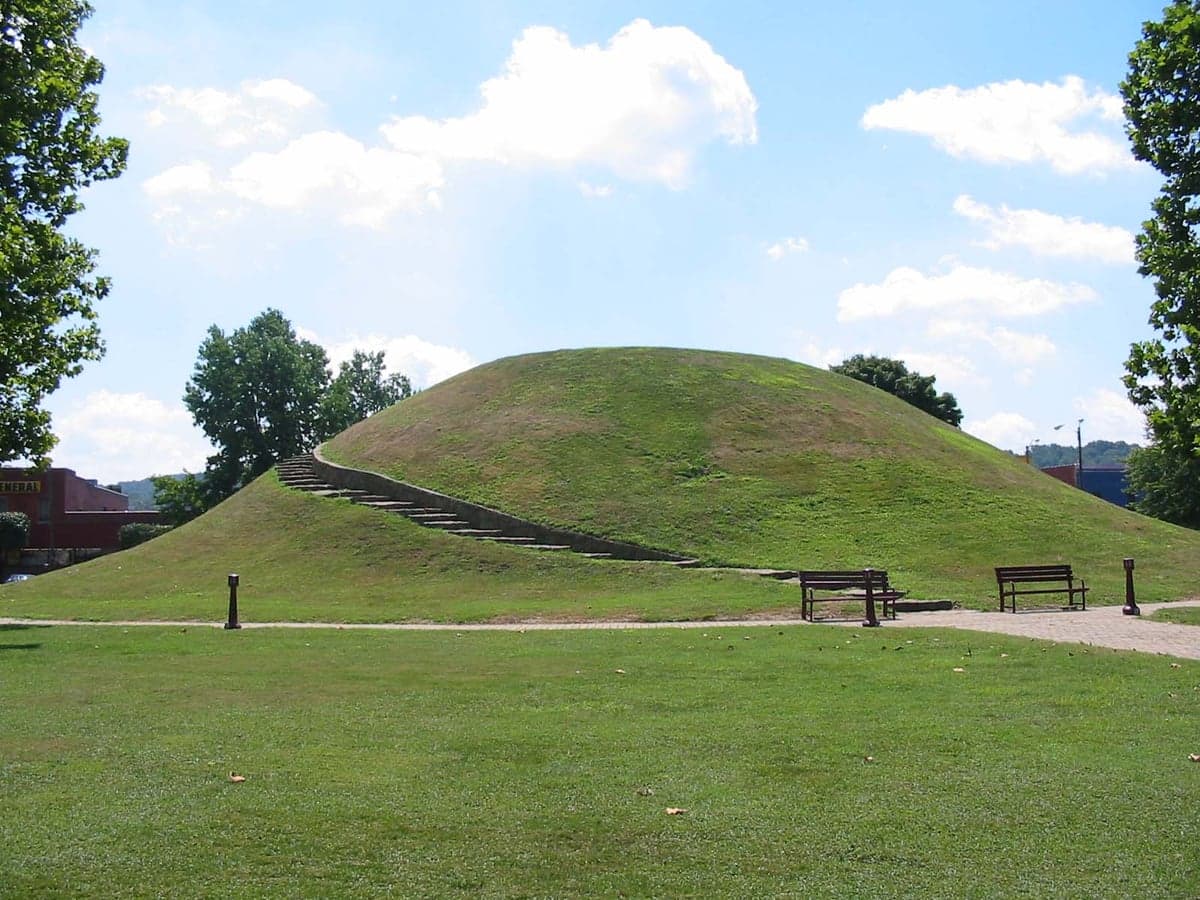
Photo: Wikipedia
Quality of Life in South Charleston, WV
A high quality of life with strong walkability, manageable living costs, healthy neighborhood signals, and solid amenity access.
What does Quality of Life tell us?
Quality of Life blends cost of living, nearby amenities, socioeconomic signals, and neighborhood character. City-level scores represent the whole municipality; individual neighborhoods can differ.
What does this tell us?
Quality of Life blends cost of living, nearby amenities, socioeconomic signals, and neighborhood character. City-level scores represent the whole municipality; individual neighborhoods can differ.
Cost of Living
35% below national average
The Real Cost of Living in South Charleston, WV for 2026
| Tier | Individual | Family (4) |
|---|---|---|
| Survival | $14k | $26k |
| Comfortable | $28k | $41k |
| Luxury | $101k+ | $156k+ |
| Elite (Top 5%) | $119k+ | $184k+ |
144%
The Area Signal
A metric tracking the socioeconomic signals of the area.
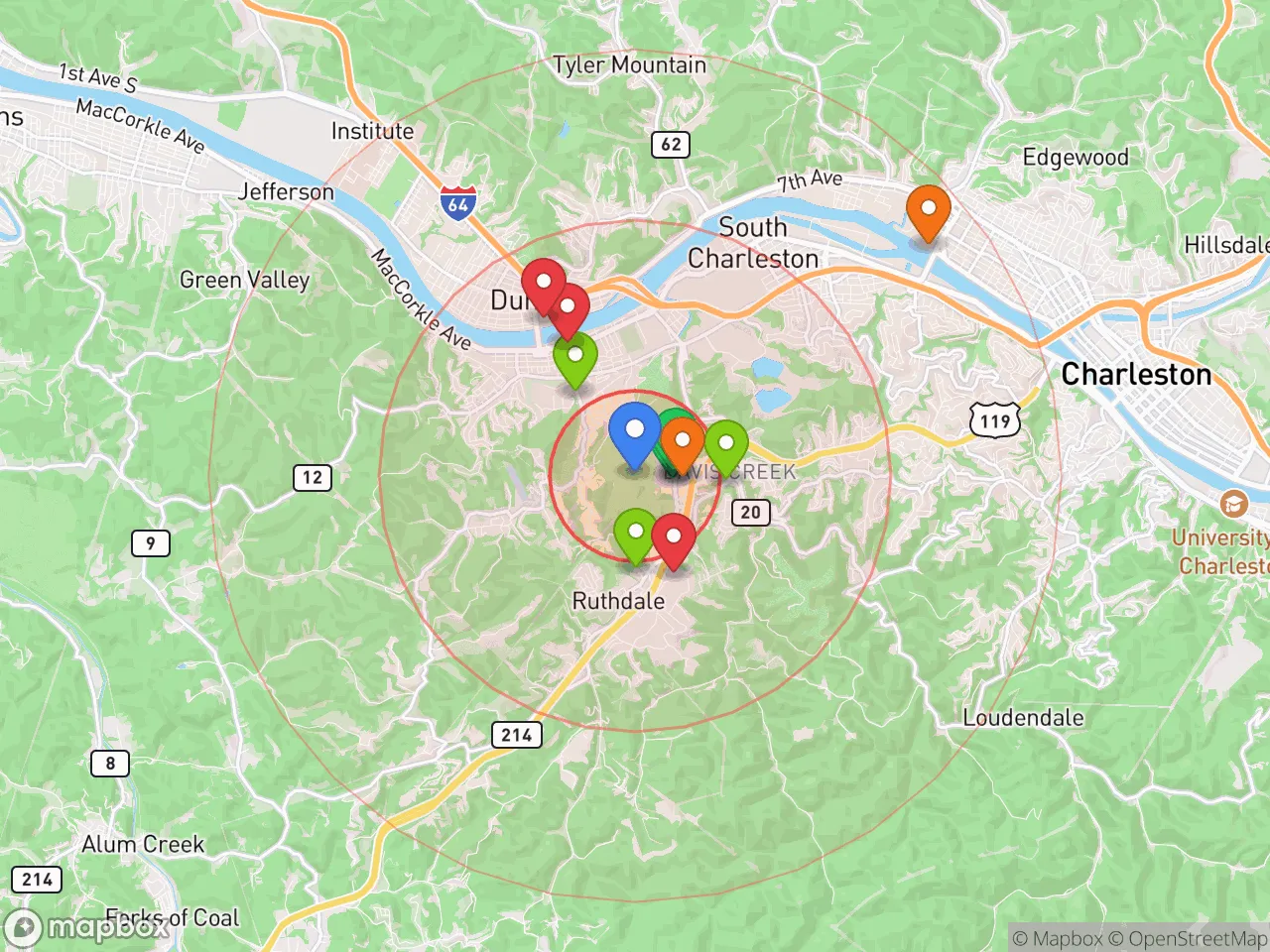
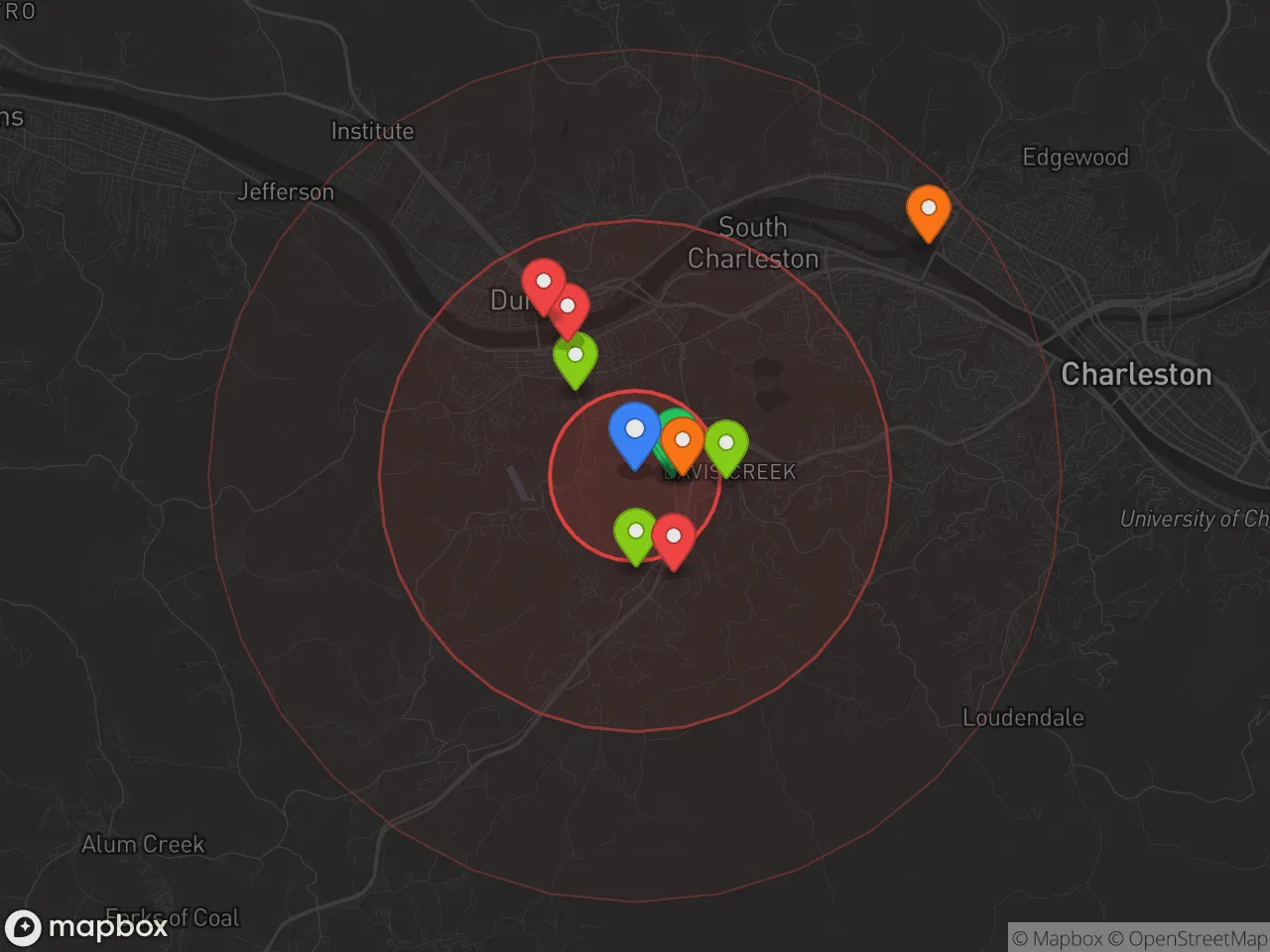
Hobbies
Explore the areaGroceries
6 within 10 miles
Gas
20 within 10 miles
Hospital
9 within 20 miles
Airport
John Glenn Columbus International Airport
Post Office
USPS — South Charleston, WV
Critical Amenities
Quality-of-Life Analysis
South Charleston, West Virginia, presents a notably affordable quality of life that attracts a mix of long-term residents, state government employees, and workers commuting to nearby Charleston. With a cost of living index of 65—well below the national average of 100—the city offers a financial ease that is increasingly rare in the United States. The median home value of $144,800 and median rent of $857 position South Charleston as a practical choice for families and professionals seeking stability without the housing pressures found in larger metro areas.
Cost of living, housing, and how affordability compares to nearby areas
South Charleston’s cost of living is roughly 35% lower than the U.S. average, making it one of the more budget-friendly communities in the Kanawha Valley. The median home value of $144,800 is significantly below the national median of roughly $350,000, and even undercuts nearby Charleston’s median of about $160,000. Renters also benefit: the median rent of $857 is well below the national median of $1,200 and undercuts comparable units in downtown Charleston by $100–$200 per month. The average commute of just under 19 minutes is notably shorter than the national average of 27 minutes, meaning residents spend less time and money on transportation. This combination of low housing costs and a short commute makes South Charleston especially attractive for workers employed at the West Virginia State Capitol complex, local hospitals, or industrial sites along the Kanawha River.
What daily life is like for families: amenities, schools, and local rhythm
Daily life in South Charleston centers on a compact, walkable downtown core along MacCorkle Avenue, with local staples like the South Charleston Public Library, the South Charleston Community Center, and the annual South Charleston Sternwheel Regatta. The city is served by Kanawha County Schools, with South Charleston High School and South Charleston Middle School being the primary public options; the district also offers several elementary schools within city limits. For shopping and dining, residents typically drive a few minutes to the Charleston Town Center mall or the Corridor G retail strip. The city’s parks, including the 40-acre Little Creek Park with its walking trails and sports fields, provide outdoor recreation without requiring a long drive. The overall pace is slower than suburban sprawl areas—most errands can be completed within a 10-minute drive, and the lack of heavy traffic reinforces a relaxed, small-city feel.
South Charleston is best suited for budget-conscious families, state and local government workers, and retirees who value low housing costs and a short commute over urban nightlife or high-end retail. The city’s affordability and proximity to Charleston’s employment base make it a practical base for those working in healthcare, education, or public administration. However, residents seeking a vibrant arts scene, diverse dining, or extensive job opportunities outside government and healthcare may find the area limited. For those who prioritize financial breathing room and a quiet, predictable routine, South Charleston delivers a stable, low-stress environment.

Crime in South Charleston, WV
Generally safer than 61% of comparable U.S. locations.
Violent CrimeViolent Crime Analysis
Property CrimeProperty Crime Analysis
Crime Analysis
South Charleston, West Virginia, reports a violent crime rate of 445.6 incidents per 100,000 residents and a property crime rate of 5,362.2 per 100,000, placing it above both state and national averages for overall crime risk. While the city benefits from its proximity to Charleston’s economic base and state government presence, its crime statistics reflect challenges common to small-to-mid-sized urban centers in the Kanawha Valley. Prospective residents should weigh these figures carefully, particularly given the broader regional context of property crime and the influence of local justice system policies.
Crime in context
South Charleston’s violent crime rate is roughly 20% higher than the national average of approximately 370 per 100,000, while its property crime rate is nearly double the U.S. median of around 2,500 per 100,000. Compared to West Virginia’s statewide violent crime rate of about 320 per 100,000, South Charleston is significantly elevated. Property crime—including theft, burglary, and motor vehicle theft—is the dominant concern, with a rate that places the city in a higher-risk tier among similar Appalachian communities. These numbers align with patterns seen in other Kanawha County municipalities, where economic pressures and population density contribute to elevated theft and larceny rates.
What residents experience
Residents commonly report that property crime, particularly vehicle break-ins and package theft, is the most visible safety issue in daily life. Violent crime, while less frequent, includes aggravated assault and robbery, often concentrated in specific areas rather than distributed evenly across the city. The local judicial environment is a critical factor: Kanawha County has seen progressive prosecutors and judges who emphasize diversion programs and reduced sentencing for non-violent offenders. While intended to reduce incarceration, these policies can result in repeat property offenders cycling quickly back onto the streets, undermining deterrence and frustrating victims. For families and professionals, this means that even low-crime neighborhoods may experience spillover from nearby hotspots where enforcement and prosecution are less aggressive.
Neighborhood-level variation is notable. Areas closer to the Southridge commercial corridor and newer subdivisions tend to report lower crime rates, while older residential zones near the Kanawha River and along the MacCorkle Avenue corridor see higher incident densities. Prospective renters and buyers should examine block-level crime maps and consider visiting at different times of day. The presence of the South Charleston Police Department’s community policing unit has helped in some districts, but overall, the city’s crime profile demands vigilance, especially for those accustomed to suburban safety levels in more conservative judicial jurisdictions.
* Values derived from national, state, county, city and local statistics and may differ in a specific area. Last updated: 2026-04-23T06:05:34.000Z
Narrative content on this page is AI-generated and may contain mistakes. Verify any details that matter before acting on them.
ReloMaps may earn a commission from affiliate links at no extra cost to you.

