Photo: Wikipedia
Find The Best Places To Live in Brule County
PRO TIP! You can paste a Zillow or Redfin link to get info on that property.
Best Places to Live in Brule County
Cities & Towns in Brule County
Cities in Brule County
What It's Like Living in Brule County, SD
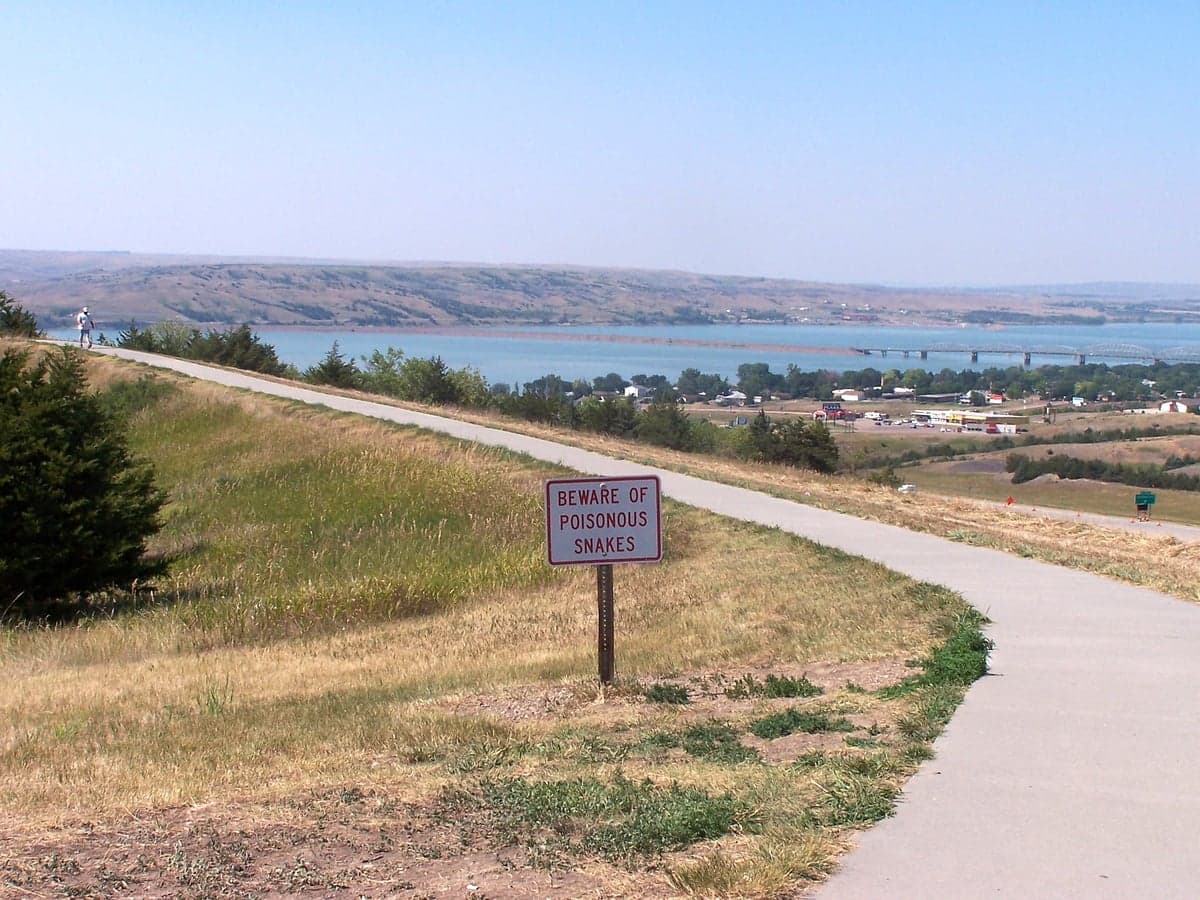
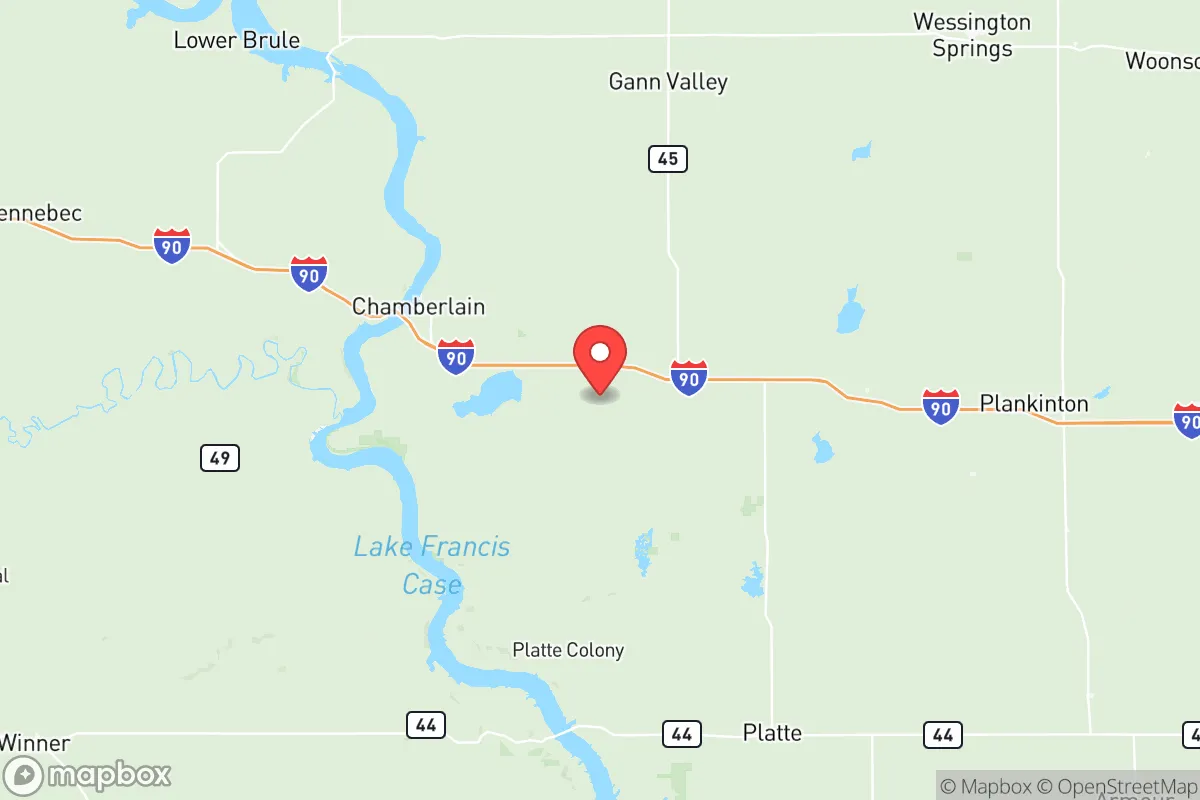
Living in Brule County, South Dakota, feels a lot like stepping into a slower, more deliberate chapter of American life. This is a place where the Missouri River cuts through the landscape, where the town of Chamberlain serves as the county’s social and commercial hub, and where the pace of life is dictated more by the harvest season than by rush-hour traffic. With a population just over 5,200 spread across towns like Kimball, Pukwana, and rural stretches, it’s a county that rewards self-reliance and a love for open space.
Daily Rhythm: River, Roads, and Routine
Most mornings in Brule County start early. The average commute here is just over 14 minutes, which means people actually have time for breakfast with their kids or a quick stop at a local gas station in Chamberlain before heading to work. The biggest employers are in healthcare and education—Sanford Chamberlain Medical Center and the Chamberlain School District are anchors—along with agriculture and the nearby Dakota Ethanol plant in Pukwana. You’ll see a lot of pickup trucks, a lot of Carhartt jackets, and a lot of people who know their neighbors by name. Shopping is practical: grocery runs happen at the local Fareway or Sunshine Foods in Chamberlain, and for anything bigger, people drive the hour east to Mitchell or the hour and a half to Sioux Falls. The Missouri River isn’t just a scenic backdrop; it’s a working river, and the Big Bend Dam near Fort Thompson shapes both the local economy and the recreation scene.
Sports, Community, and the Friday Night Lights
If you want to understand Brule County, go to a Chamberlain Cubs football game on a crisp October Friday. High school sports are the social calendar here—football, basketball, and volleyball draw crowds that include grandparents, local business owners, and former players. The rivalry with Kimball High School (now part of the Kimball-White Lake co-op) is genuine and long-standing. For outdoor enthusiasts, the county is a quiet paradise. Lake Francis Case, the reservoir formed by the Big Bend Dam, offers walleye fishing, boating, and camping at places like American Creek Campground in Chamberlain. The annual Chamberlain Oahe Days festival in June brings a parade, live music, and a carnival to the riverfront—it’s the one weekend a year when the whole county seems to converge on one spot. Hunting is a serious pastime, too: deer, pheasant, and waterfowl draw hunters from across the region, and many locals take a week off in November for deer season.
What It Costs and Who Fits In
The cost of living index here is 65—well below the national average of 100—and that’s the single biggest draw for people moving from pricier states. The median home value sits at $205,500, and with a median household income of $74,043, homeownership is genuinely attainable for a single person or a young family. You can buy a three-bedroom house in Chamberlain or Kimball for what a studio apartment costs in Denver or Minneapolis. The trade-off is that about 30% of adults hold a college degree, which is below the national average, and the job market is narrow. If you’re not in healthcare, education, agriculture, or a trade, you’ll likely be commuting or working remotely. The median age of 41.4 reflects a community that’s solidly middle-aged—there are young families, but many kids move away after high school for college or jobs in Sioux Falls or Rapid City. The kind of person who thrives here is someone who values quiet, knows how to fix things themselves, and doesn’t need a new restaurant opening every month.
Pros and Cons of Living in Brule County
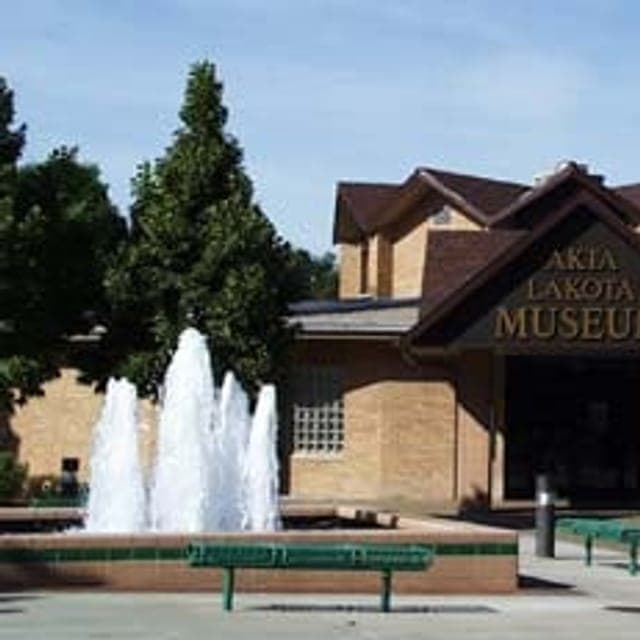
Let’s be honest about the trade-offs. On the upside: the violent crime rate is 293.6 per 100,000, which is higher than the national average—but that number is skewed by a few incidents in Chamberlain, and most residents will tell you they feel safe leaving their doors unlocked in Kimball or Pukwana. Property crime is more of a real concern, especially around the lake during tourist season. The weather is classic South Dakota: summers are hot and humid, winters are brutally cold with wind chill, and spring can bring tornado watches. The isolation is real—the nearest Target or movie theater is in Mitchell, and if you want a concert or an airport with regular flights, you’re driving two hours to Sioux Falls. But the flip side is that you can own land, raise kids without the constant pressure of urban life, and actually know your mail carrier’s name. The St. Joseph’s Indian School in Chamberlain is a notable local institution, and the Akta Lakota Museum there offers a meaningful look at the region’s Native American heritage—a cultural depth that surprises many newcomers.
In the end, Brule County isn’t for everyone, and it doesn’t pretend to be. It’s for people who want a life measured in seasons, not in traffic lights. If you’re looking for a place where your kids can play outside without constant supervision, where you can afford a home on a single income, and where the biggest decision of the week is whether to fish the river or hunt the fields, this corner of South Dakota might feel like home.

* Values derived from national, state, county, city and local statistics and may differ in a specific area. Last updated: 2026-05-22T12:32:59.000Z
Narrative content on this page is AI-generated and may contain mistakes. Verify any details that matter before acting on them.
ReloMaps may earn a commission from affiliate links at no extra cost to you.

