Photo: Wikipedia
Political ClimatePolitical Climate in Brule County
Showing state-level results — no local-only data available.
Local Political AnalysisPolitical Analysis of Brule County
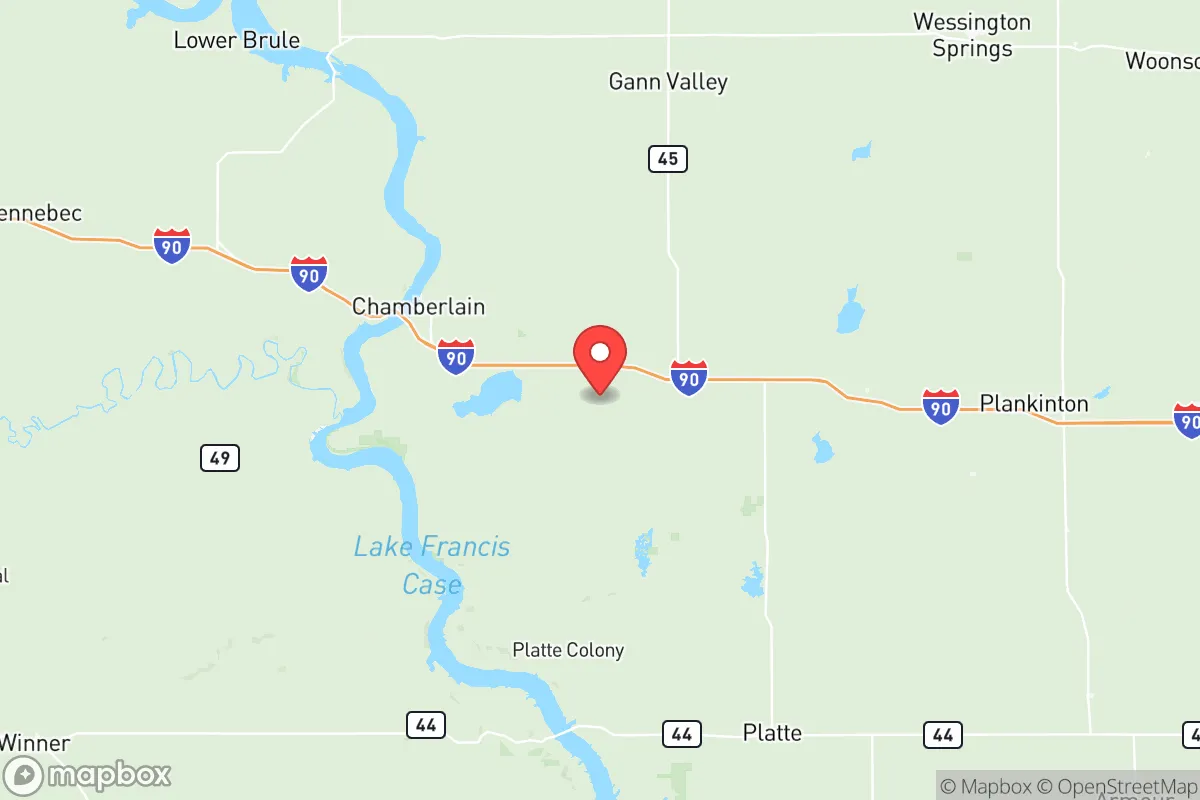
You want the real deal on Brule County politics? I’ve been around here long enough to watch the shifts, and I can tell you straight up — this county is about as red as they come. Cook PVI is R+15, and that number hasn’t budged because the folks here don’t mess with changing what works. Chamberlain is the county seat, and while it has a handful of precincts that lean a little more moderate (mostly around the college area or the hospital), the heavy rural precincts out toward Kimball and Pukwana vote deeper red than the state average. I’ve seen ballots go 70-30 or even 80-20 Republican in some of those precincts during presidential years. But don’t let the solid numbers fool you — there’s a quiet unease creeping in, especially with younger families moving in from Sioux Falls and bringing those progressive ideas with them. Nothing alarming yet, but I keep an eye on the school board and city council races; those are where the undercurrents show up first.
How it compares
On paper, Brule County matches South Dakota’s statewide R+15 PVI exactly, but you have to remember the state’s number gets dragged around by that growing bubble of blue around Rapid City and Minnehaha County. Out here in Brule, we don’t have those dilution points. It’s straight rural conservative — fewer than 5,500 voting-age residents, most of whom know their neighbors and aren’t shy about sharing opinions at the gas station. When you look at how Kimball votes compared to, say, the more suburban parts of Harrisburg, it’s night and day. We don’t have the same kind of boutique liberal activism because there’s no critical mass for it. That said, the comparison reveals a concern: if statewide demographics keep shifting toward urban centers, Brule County could become even more of an island. The legislature up in Pierre already feels further away every session, and I worry that our rural voice gets drowned out by the growing clamor from the east. So while the PVI looks identical, the lived experience is that we’re the bedrock of the conservative vote — and that bedrock is getting harder to hold steady as outside influences seep in.
What this means for residents
For anyone living here — or thinking of moving here — the political climate means you get to keep your personal freedoms mostly intact. Taxes stay low, gun rights are respected, and the county commission doesn’t meddle with local business unless absolutely necessary. There’s no city council trying to regulate what you do on your own land or pushing woke policies into schools. But here’s the thing: that’s not guaranteed forever. I’ve watched the rural Republican base get complacent, and that’s exactly how liberty slips away. If you care about keeping government out of your life, you need to stay engaged. Show up to the school board meetings when they talk curriculum, keep tabs on county planning and zoning proposals, and vote in every primary. The town of Chamberlain had a rezoning fight two years ago that almost allowed a high-density development with county-backed subsidies — that’s the kind of creeping government overreach that starts small. So yes, it’s a great place to be if you value freedom, but you can’t take your foot off the gas.
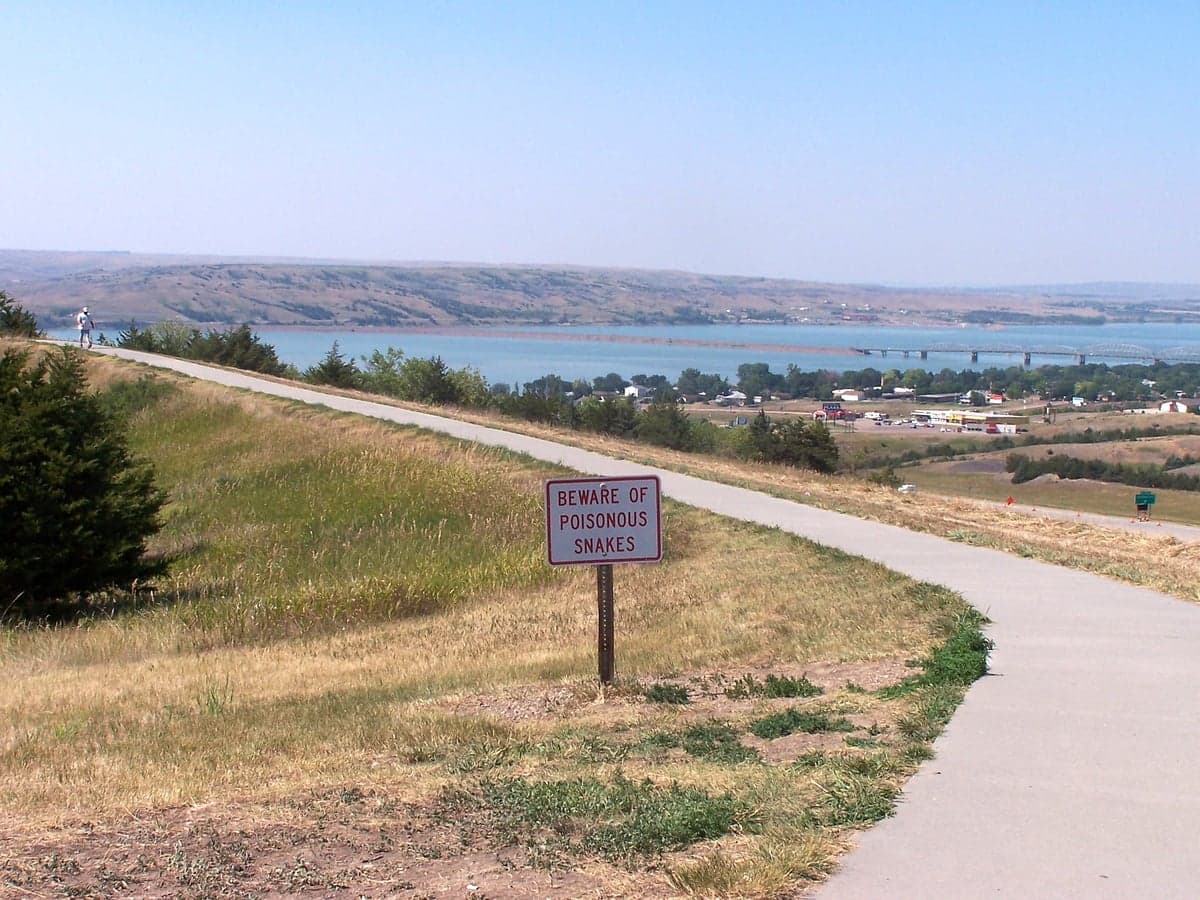
Culturally, Brule County is still built on the old values — neighbor helping neighbor, church at the center of the community, and a deep distrust of federal mandates. The Missouri River runs through it, and that shapes a lot of the lifestyle: hunting, fishing, and family gatherings are the norm. You won’t find much appetite for social engineering or identity politics. Most folks just want to be left alone to live their lives without some bureaucrat telling them how to heat their home or what to teach their kid. That’s the Brule County way, and as long as the conservative majority holds, that’s the way it’ll stay. But I’ll tell you one thing: if the progressive current rising in places like Brookings and Sioux Falls ever starts reaching out here in force, we’ll have a real fight on our hands. For now, it’s still home — and still worth defending.

State Political ClimatePolitical Climate in South Dakota
State Political AnalysisPolitical Environment in the State
South Dakota is about as reliably conservative as a state can get, with a Cook Partisan Voting Index of R+15 that has only deepened over the last 10 to 20 years. The dominant coalition is a mix of old-school prairie populists, evangelical voters, and a growing wave of out‑of‑state transplants fleeing blue states — all united around low taxes, gun rights, and minimal government interference. The state hasn't voted for a Democratic presidential candidate since 1964, and the GOP holds a supermajority in the legislature. But don't mistake solid red for monolithic: the political map tells a more interesting story, with Sioux Falls moderating things just a bit, while places like Rapid City and the rural counties anchor the right.
Urban vs. rural divide
If you draw a line east‑west around the Missouri River, the state splits into two political worlds. The eastern third, from Sioux Falls up to Brookings and Watertown, is where most people live and where the state's economic engine hums. Sioux Falls itself is the biggest city and the most politically moderate corner — it still votes Republican, but it’s where you’ll find the highest concentration of college‑educated professionals, healthcare workers, and younger families who sometimes split tickets. Minnehaha County (Sioux Falls) went about 57% for Trump in 2024, which is right of the nation but left of the rest of the state. Drive an hour west to places like Mitchell or Huron, and you’re back in deep red territory. Out west, Rapid City anchors Pennington County, which is strongly Republican but not quite as conservative as the rural counties around it — think Custer, Lawrence, and Meade counties, where Trump often pulled 70% or more. The Native American reservations — Pine Ridge, Rosebud, Cheyenne River — are reliably Democratic, but their populations are small and turnout is inconsistent. For a relocating conservative, the practical reality is that almost any town outside of the immediate Sioux Falls metro will feel like a political safe space, and even inside Sioux Falls you’re not dealing with Austin‑style progressive activism.
Policy environment
South Dakota’s policy playbook reads like a wish list for a freedom‑minded resident. There is no state income tax — individual or corporate — and the sales tax is 4.5%, with local options that push it up to maybe 6.5% in some towns. Property taxes are moderate, and the state has no estate or inheritance tax. The regulatory posture is hands‑off: no business license required for most sole proprietors, no state‑level OSHA plan, and environmental permitting is streamlined. On education, Governor Kristi Noem fought hard for school choice expansion, including a 2025 bill that created Education Savings Accounts for families — a major win for parental rights. Healthcare is a mixed bag; the state expanded Medicaid under a 2023 ballot measure (59% yes), which rankled many conservatives, but the legislature has kept certificate‑of‑need laws weak, allowing more independent clinics. Election laws are among the most secure in the nation: voter ID is required, same‑day registration is not allowed, and the state has resisted mail‑in ballot expansions. For a conservative moving in, South Dakota feels like a place that has largely held the line against progressive policy creep — for now.
Trajectory & freedom
The trajectory over the last five years has been unmistakably toward more personal liberty, but with a few warning signs. On the plus side, South Dakota became a constitutional carry state in 2019 — no permit needed to carry a concealed firearm. In 2021, the legislature passed a critical race theory ban in schools and a law protecting medical freedom (no vaccine mandates, no passport systems). In 2024, a parental bill of rights was enacted, giving moms and dads explicit authority over their kids’ curriculum and medical decisions. Property rights got a boost with a 2023 law limiting eminent domain for carbon‑pipeline projects — a direct response to the Summit Carbon Solutions fight that drew libertarians and farmers together. The concerning trend is a slow trickle of federal‑style thinking: the Medicaid expansion mentioned above, and a 2025 law that banned gender‑affirming care for minors (a win for conservatives, but it signaled the state is willing to use government power to enforce morality — a double‑edged sword). Also, a 2024 sales tax increase for teacher pay (from 4.2% to 4.5%) bothered fiscal conservatives. On balance, South Dakota is still one of the freest states in the union, but the freedom didn’t happen by accident — it took constant vigilance against proposals that nibble at liberty.
Civil unrest & political movements
South Dakota is not known for street protests or political violence. The most visible flashpoints have been over Native American sovereignty (the Wounded Knee anniversary events, the pipeline protests in 2016 that briefly hit the state’s southern edge) and, more recently, the carbon‑pipeline battles. In 2022 and 2023, farmers and ranchers in Hutchinson, Turner, and Lincoln counties organized large rallies against Summit Carbon Solutions’ CO₂ pipeline, arguing it violated property rights. That movement forced the legislature to act — a rare instance of grassroots populism winning against corporate interests. On the left, there’s been very little organized pushback; a small group in Sioux Falls tried to push a sanctuary city resolution in 2024, but it died quickly. Immigration politics are quiet — South Dakota has a tiny foreign‑born population (under 5%), and the state passed a 2023 law that effectively bans sanctuary policies. Election integrity controversies are almost nonexistent: no major fraud cases, no county‑level refusals to certify. A new resident will see a politically stable environment where most people vote and move on with their lives.
Projection
Over the next 5–10 years, South Dakota is likely to become *more* conservative at the state level, even as its biggest city drifts slightly leftward. The in‑migration wave — people from California, Minnesota, Illinois, and Colorado — is accelerating. Many of them are politically moderate or conservative, but some bring a more suburban, government‑dependent worldview that could shift Sioux Falls. Already, the city added 20,000 people between 2020 and 2025, and its housing prices have risen 35%. If that growth continues, expect local school board races and city council elections to become the new battlegrounds. The rural areas, meanwhile, are emptying out, which could dilute the GOP’s base if the shift isn’t offset. Congressional representation will stay solidly red, but the legislature might see a few more competitive seats around Sioux Falls. The biggest wildcard is the federal government: if the next administration pushes carbon‑capture subsidies or mandates, South Dakota will be on the front lines of a property‑rights fight. For someone moving in now, expect to find a state that is fiercely independent but not immune to outside pressure — pay attention to the local races, especially in rapidly growing suburban towns like Harrisburg, Tea, and Brandon.
Bottom line for a new resident: South Dakota delivers the closest thing to a low‑tax, low‑regulation, personal‑freedom environment you’ll find in the continental U.S. today. The political climate is stable and conservative, with a practical, rural‑minded majority that has so far resisted the progressive wave. Your biggest adjustment won’t be the politics — it’s the winters. But if you value your rights and want a place where the government mostly stays out of your way, this is the right move. Just keep an eye on Sioux Falls’ growth and the pipeline fights; those are the two forces that could reshape the landscape.
* Values derived from national, state, county, city and local statistics and may differ in a specific area. Last updated: 2026-05-22T12:32:59.000Z
Narrative content on this page is AI-generated and may contain mistakes. Verify any details that matter before acting on them.
ReloMaps may earn a commission from affiliate links at no extra cost to you.

