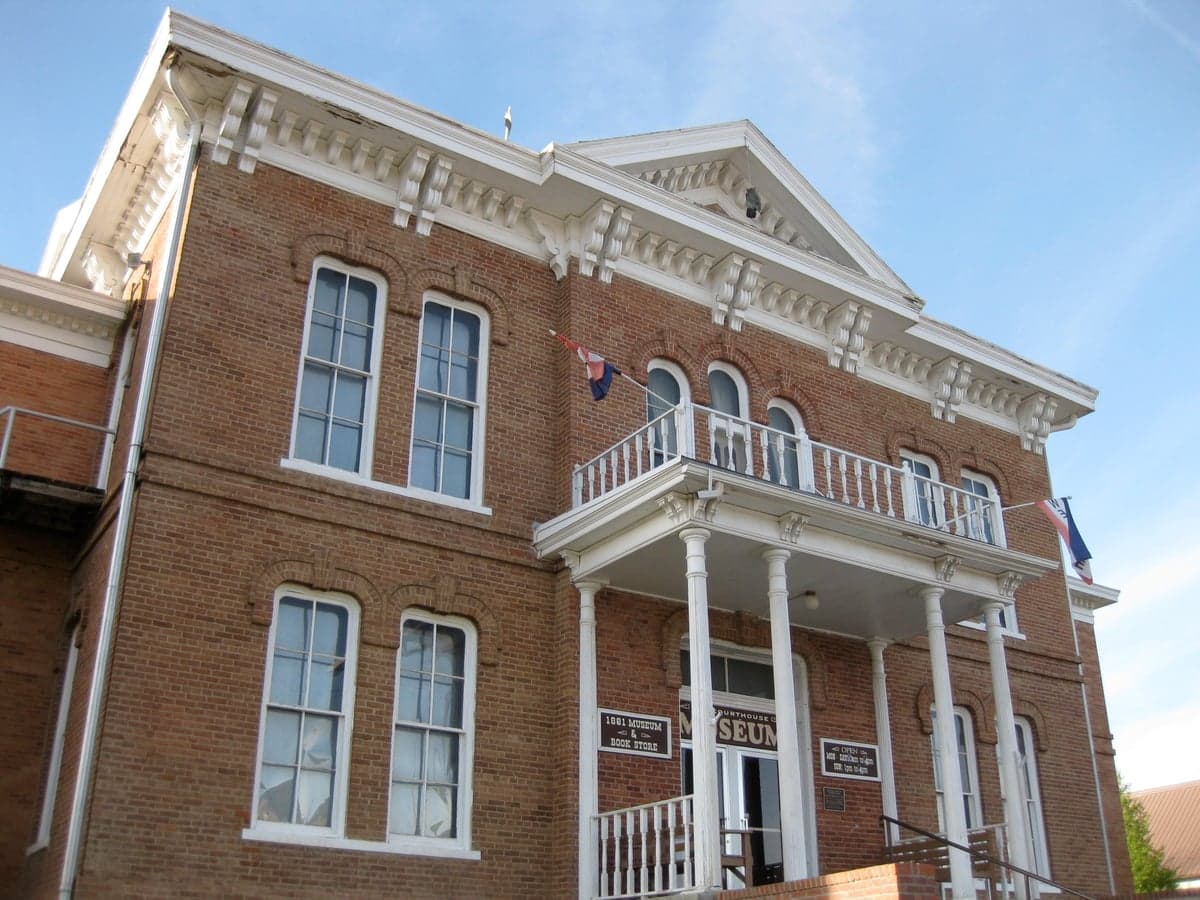
Photo: Wikipedia
Quality of Life in Custer County
A livable area that tracks near national norms for affordability, walkability, and neighborhood health.
What does Quality of Life tell us?
Quality of Life measures an area by evaluating factors like cost of living, nearby amenities, country club access, airport proximity, socioeconomic signals and neighborhood character. For large states, this is a general average — quality of life can vary dramatically between metro areas, suburbs, and rural communities within the same state.
What does this tell us?
Quality of Life measures an area by evaluating factors like cost of living, nearby amenities, country club access, airport proximity, socioeconomic signals and neighborhood character. For large states, this is a general average — quality of life can vary dramatically between metro areas, suburbs, and rural communities within the same state.
Cost of Living
4% above national average
88%
The Real Cost of Living in Custer County for 2026
| Tier | Individual | Family (4) |
|---|---|---|
| Survival | $18k | $34k |
| Comfortable | $64k | $93k |
| Luxury | $146k+ | $226k+ |
| Elite (Top 5%) | $172k+ | $266k+ |
Quality-of-Life Analysis
Custer County, South Dakota, offers a striking quality-of-life spectrum that ranges from the tourist-driven, amenity-rich hub of Custer City to the quiet, unincorporated ranching pockets of the southern plains. The county’s character is defined by its position at the edge of the Black Hills, drawing outdoor enthusiasts, second-home buyers, and remote workers to its western towns, while its eastern and southern reaches attract those seeking solitude, land, and a lower cost of living. With a cost-of-living index of 104 (just above the national average) and a median home value of $327,200, the county balances accessibility with the premium attached to its scenic setting.
Largest town(s) & population centers
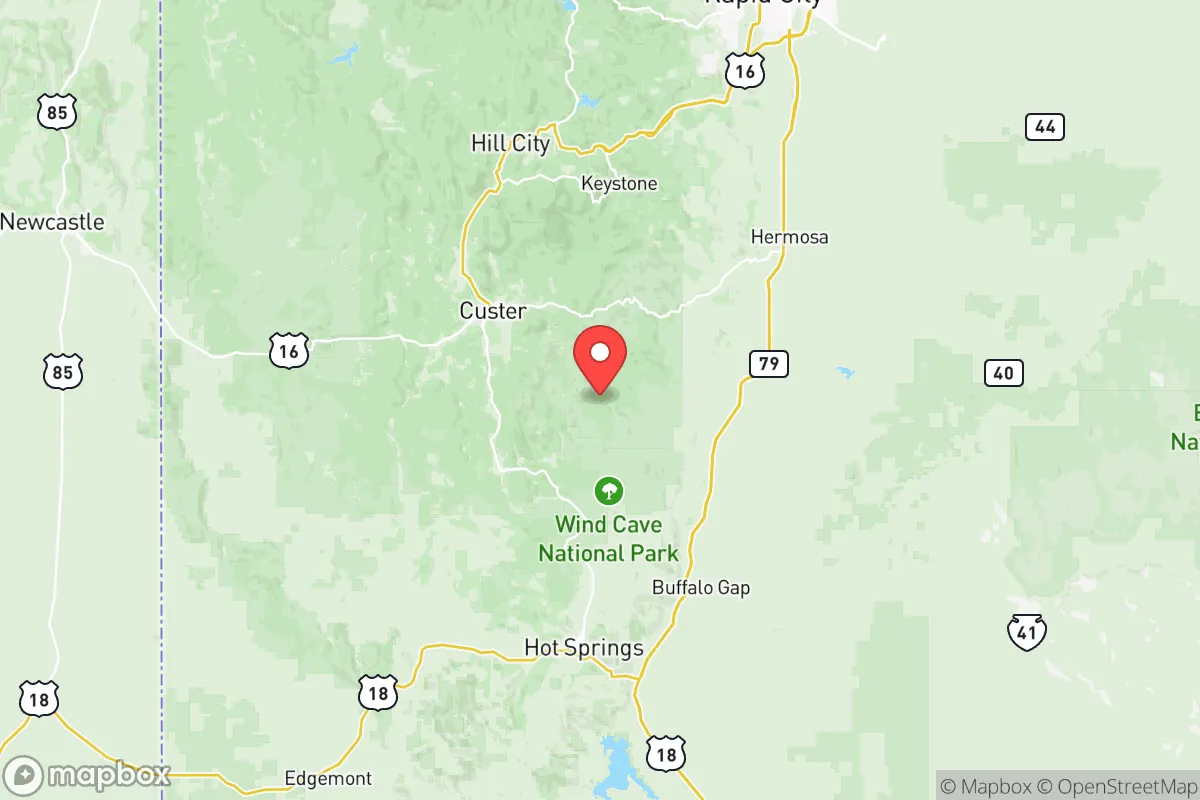
Custer City, the county seat and largest municipality, is the commercial and cultural heart of the area. Daily life here revolves around tourism tied to Custer State Park and Mount Rushmore, with a walkable downtown featuring local galleries, outfitters, and seasonal events. The town’s population of roughly 2,000 swells in summer, but year-round residents benefit from a full-service grocery, a modern hospital (Custer Regional Hospital), and a K-12 school system. The median rent of $1,117 reflects the demand for housing near the park, though inventory is tight. A smaller but notable population center is Hermosa, located along U.S. Highway 79, which serves as a quieter bedroom community for workers commuting to Rapid City (about 30 minutes north) and offers its own access to the Battle Creek area and the southern edge of the Black Hills National Forest.
Smaller towns & rural pockets
Beyond the main towns, Custer County is dotted with unincorporated communities and rural subdivisions that define its quieter side. Pringle, a tiny crossroads settlement south of Custer City, is home to a handful of ranching families and a historic general store, with no commercial services beyond a post office. Fairburn, even smaller, sits near the county’s eastern border and consists largely of scattered homes on acreage, appealing to those who want land without the tourist traffic. The Argyle area, near the southern county line, is almost entirely open ranchland, with the nearest grocery store a 25-minute drive away in Custer City. These pockets offer a stark contrast to the town centers: no streetlights, gravel roads, and a reliance on well water and septic systems. The average commute of 29 minutes is driven largely by these rural residents traveling to jobs in Custer City, Rapid City, or the tourist corridor along U.S. Highway 16.
Cost & lifestyle range
The cost of living varies noticeably across the county. At the high end, homes in the Custer City limits and the Sky Lake subdivision (a lakefront community just west of town) often exceed the county median, with many properties above $400,000 due to proximity to Custer State Park and recreational amenities. At the lower end, the Fairburn and Pringle areas offer homes on 5-40 acre parcels for $200,000–$280,000, though buyers trade convenience for space. Rentals are scarce countywide, but the median rent of $1,117 is manageable for dual-income households, especially those commuting to higher-paying jobs in Rapid City. Lifestyle differences are pronounced: Custer City residents can walk to restaurants and the library, while those in Hermosa enjoy a slower pace with easy highway access. Rural residents in Argyle or Fairburn must plan trips for supplies, but gain privacy, wildlife viewing, and lower property taxes (the county’s mill levy is among the lowest in the Black Hills region).
This county works best for people who value direct access to the outdoors and are comfortable with trade-offs between convenience and space. Remote workers and retirees with vehicles thrive in the rural pockets, while families and professionals who need schools and healthcare within a short drive gravitate to Custer City or Hermosa. The county’s mix of tourist energy and agricultural quiet means newcomers should visit both ends of the spectrum—spend a weekend in a Custer City rental and a day driving the gravel roads near Pringle—before deciding which version of Black Hills life fits them.

Crime in Custer County
Generally safer than 61% of comparable U.S. locations.
Violent CrimeViolent Crime Analysis
Property CrimeProperty Crime Analysis
Crime Analysis
Custer County, South Dakota, presents a mixed safety profile for potential residents. The county’s violent crime rate of 293.6 per 100,000 residents is notably higher than the national average, while its property crime rate of 1,281 per 100,000 also exceeds national benchmarks. However, safety varies significantly across the county’s communities, from the tourist-heavy town of Custer to quieter rural areas like Hermosa and Pringle.
Crime in context
When compared to state and national figures, Custer County’s violent crime rate is roughly 20% higher than the U.S. average of approximately 240 per 100,000. Property crime in the county is also elevated, running about 15% above the national rate of roughly 1,100 per 100,000. These numbers place Custer County among the higher-crime areas in western South Dakota, though still below the rates seen in larger regional hubs like Rapid City (Pennington County). The county’s crime is heavily concentrated in the town of Custer itself, which serves as the county seat and primary commercial center. Smaller communities like Buffalo Gap and Fairburn report far fewer incidents, largely due to their small populations and limited commercial activity. The Custer County Sheriff’s Office and the Custer Police Department share jurisdiction, with the sheriff’s office covering the unincorporated areas and smaller towns.
What residents experience
For those living in Custer County, the most common safety concerns are property crimes—theft, burglary, and vehicle break-ins—particularly in areas frequented by tourists. The town of Custer, especially near the downtown historic district and around the Custer State Park entrances, sees a spike in these incidents during the summer tourism season. Violent crime, while less frequent, is a real concern: the county’s rate is driven by aggravated assaults and a small number of robberies. Residents in Hermosa and Pringle generally report feeling safer, with lower crime volumes and a stronger sense of community watchfulness. The judicial system in Custer County operates under the Seventh Judicial Circuit, which covers several western counties. While South Dakota as a whole maintains a conservative approach to criminal justice, some residents express concern about progressive sentencing trends in nearby Rapid City that can spill over into the county’s court dockets. The local district attorney’s office has historically taken a firm stance on violent offenders, but property crime cases sometimes result in lighter sentences or diversion programs, which can frustrate victims and contribute to repeat offenses.
Neighborhood-level variation is pronounced in Custer County. The town of Custer itself has distinct pockets: the area around Mount Rushmore Road and the commercial corridor sees the highest property crime, while residential neighborhoods west of Highway 16 tend to be quieter. Hill City, another tourist hub in the county, experiences similar seasonal spikes but maintains a lower violent crime rate than Custer town. For those seeking the safest environments, the unincorporated areas around Pringle and Fairburn offer the lowest crime rates, though residents there must travel farther for services and rely on the sheriff’s office for response. Overall, newcomers should weigh the trade-off between living in a more active, tourist-oriented town with higher crime and choosing a remote rural setting with greater security but fewer amenities.
* Values derived from national, state, county, city and local statistics and may differ in a specific area. Last updated: 2026-05-28T12:05:13.000Z
Narrative content on this page is AI-generated and may contain mistakes. Verify any details that matter before acting on them.
ReloMaps may earn a commission from affiliate links at no extra cost to you.

