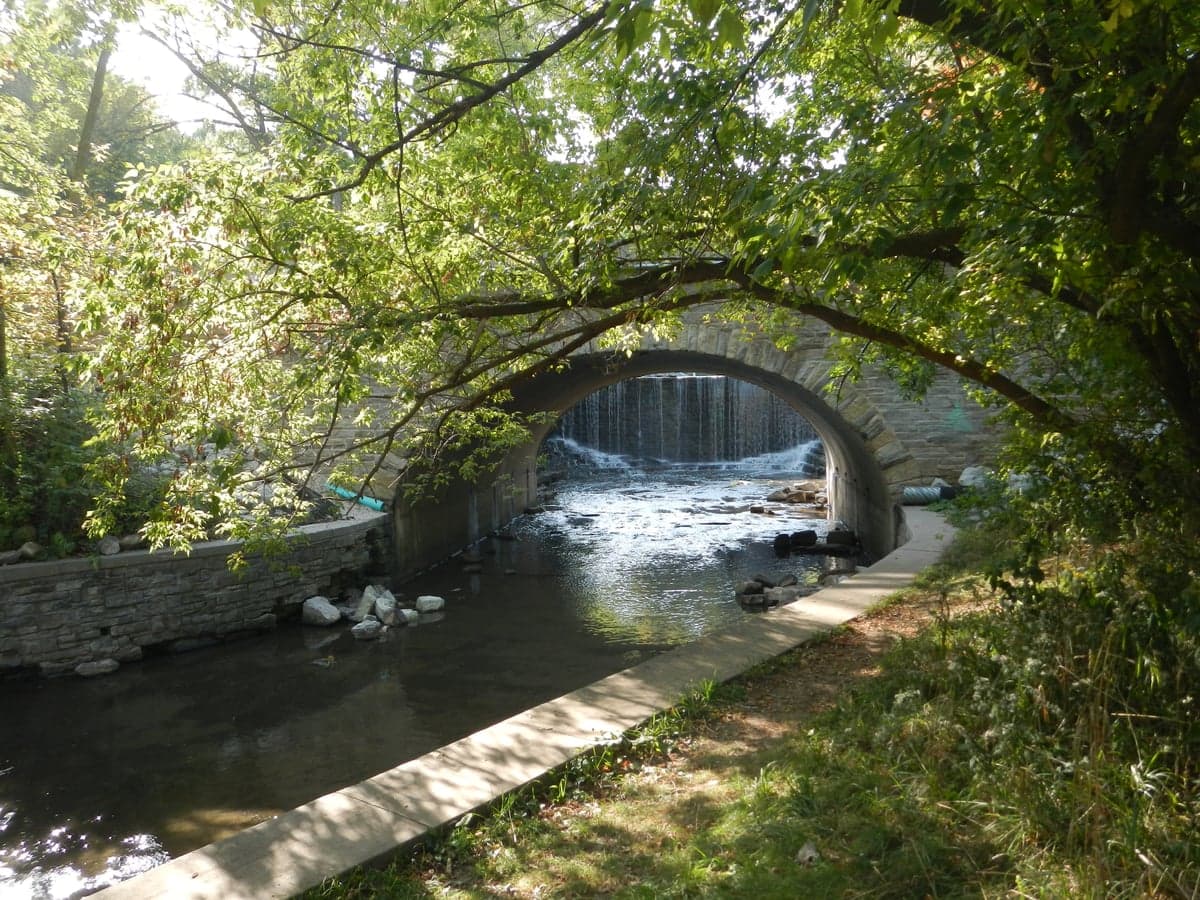
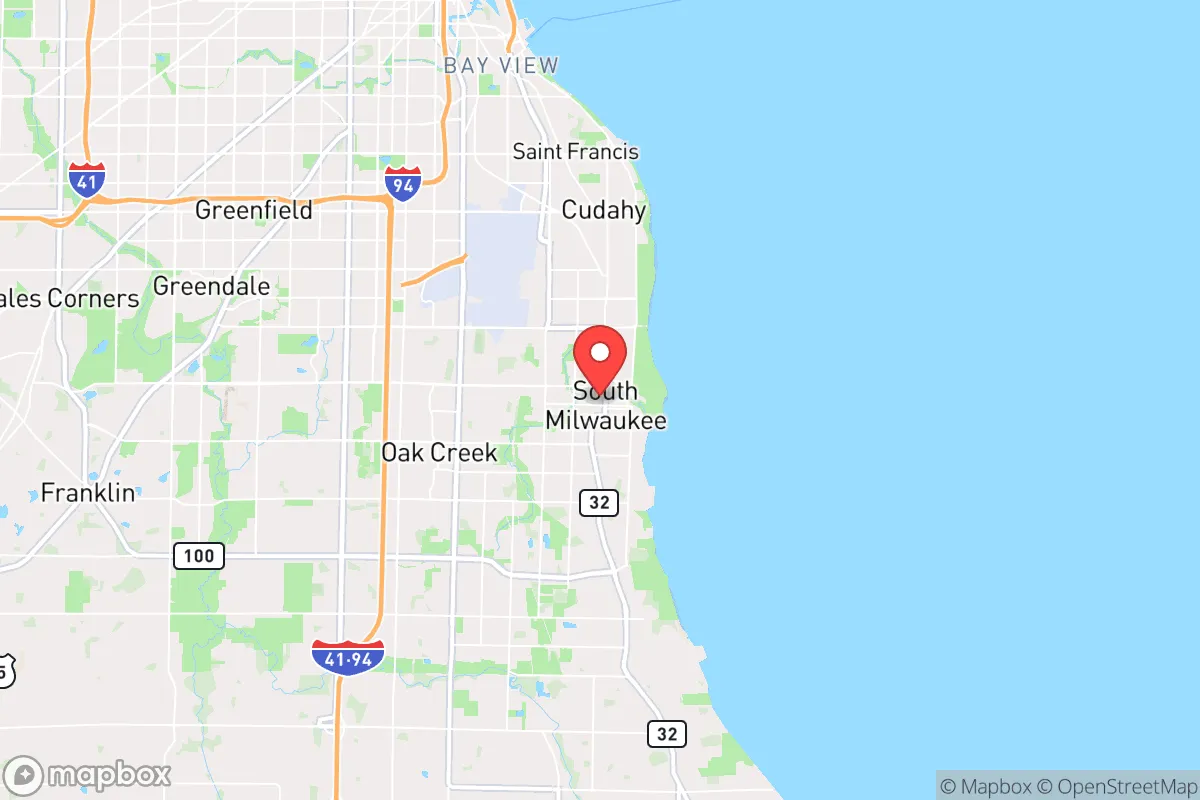
Photo: Wikipedia
Quality of Life in South Milwaukee, WI
A high quality of life with strong walkability, manageable living costs, healthy neighborhood signals, and solid amenity access.
What does Quality of Life tell us?
Quality of Life blends cost of living, nearby amenities, socioeconomic signals, and neighborhood character. City-level scores represent the whole municipality; individual neighborhoods can differ.
What does this tell us?
Quality of Life blends cost of living, nearby amenities, socioeconomic signals, and neighborhood character. City-level scores represent the whole municipality; individual neighborhoods can differ.
Cost of Living
17% below national average
The Real Cost of Living in South Milwaukee, WI for 2026
| Tier | Individual | Family (4) |
|---|---|---|
| Survival | $16k | $30k |
| Comfortable | $42k | $62k |
| Luxury | $96k+ | $149k+ |
| Elite (Top 5%) | $113k+ | $175k+ |
113%
The Area Signal
A metric tracking the socioeconomic signals of the area.
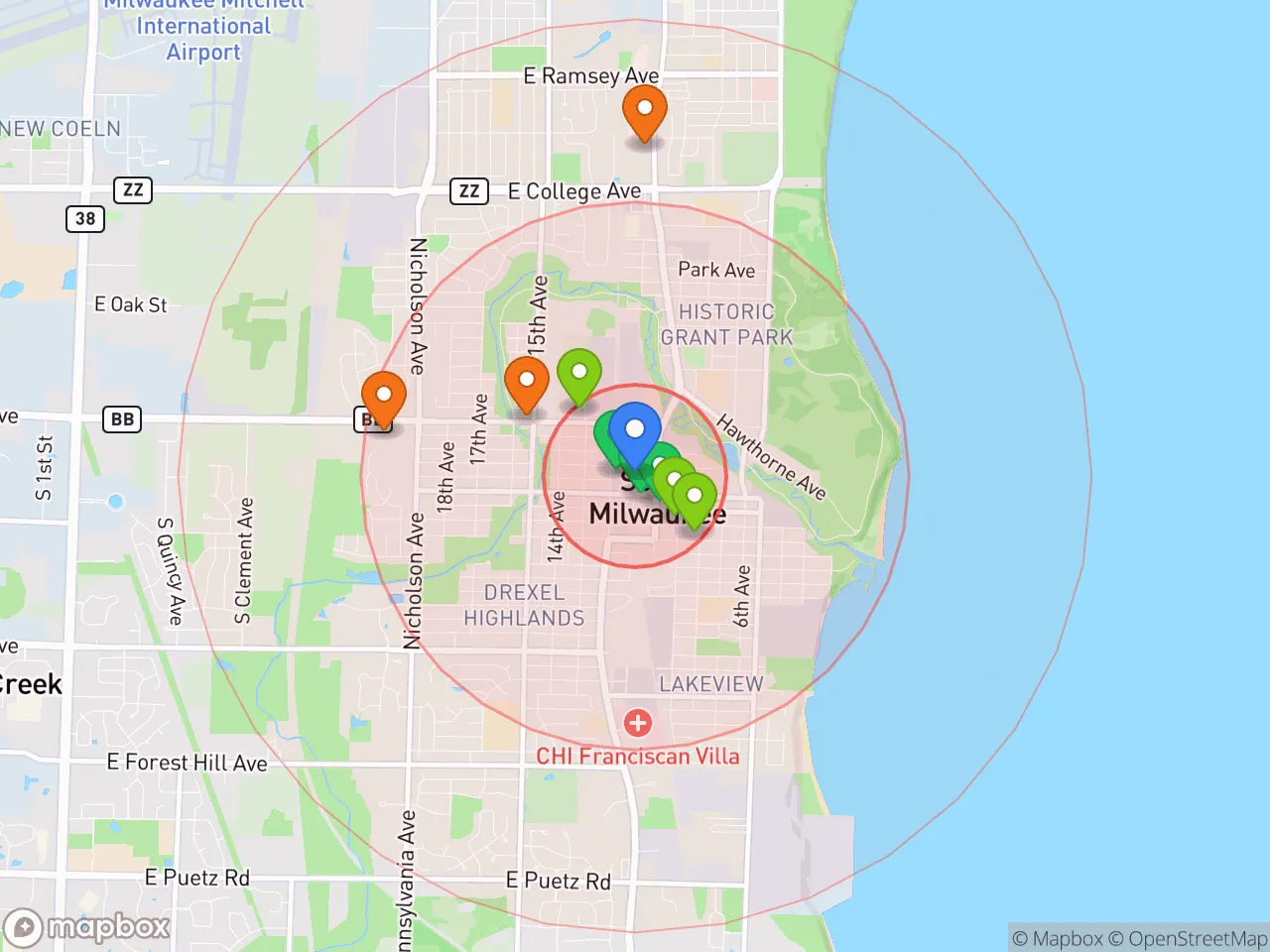
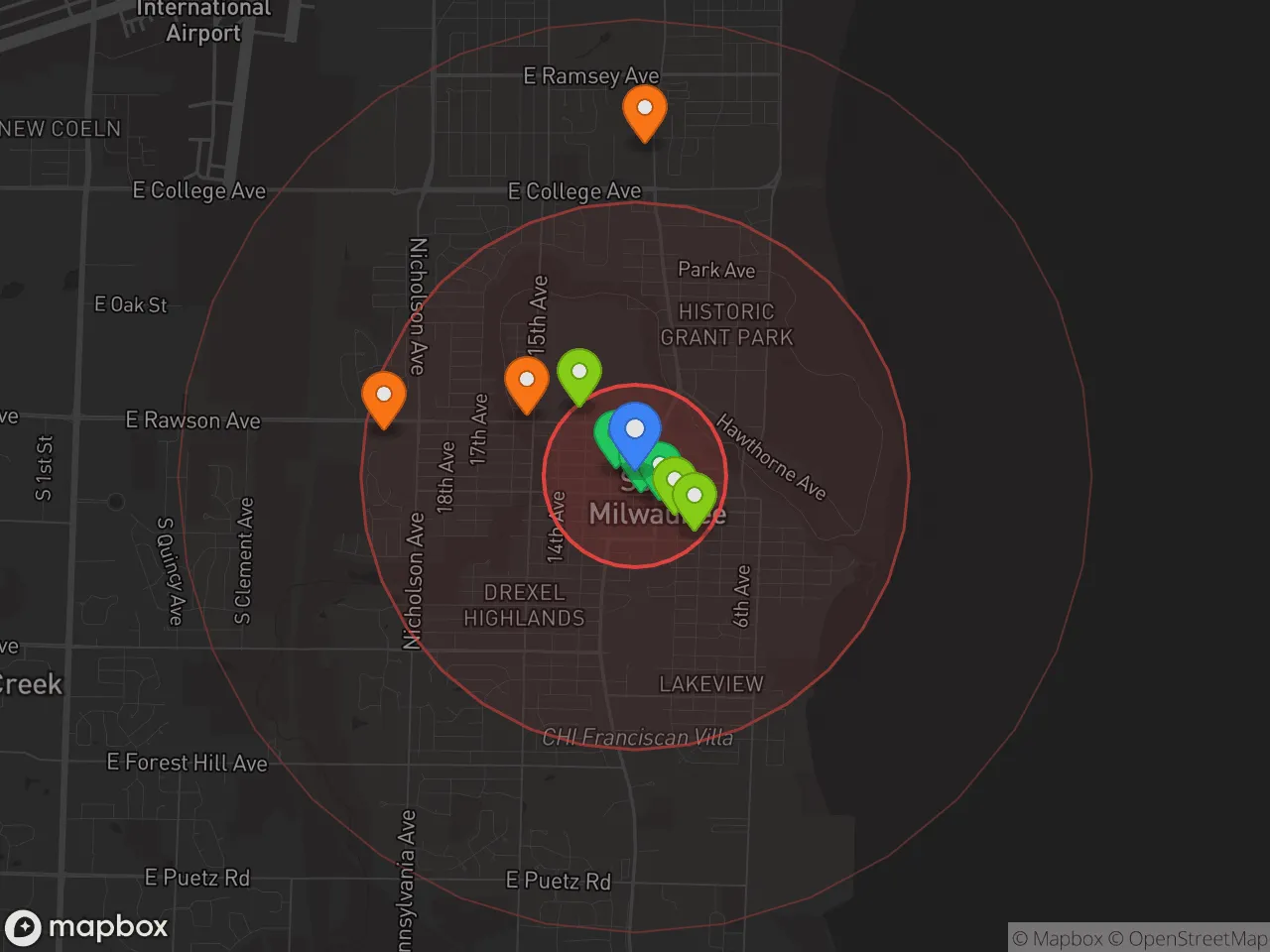
Hobbies
Explore the areaGroceries
6 within 10 miles
Gas
20 within 10 miles
Hospital
20 within 20 miles
Airport
ORD — O'Hare International
Post Office
USPS — South Milwaukee, WI
Critical Amenities
Quality-of-Life Analysis
South Milwaukee offers a notably affordable entry point to the Milwaukee metro area, with a cost of living index of 83—well below the national average of 100—making it one of the more budget-friendly lakefront suburbs in southeastern Wisconsin. The city attracts a mix of working-class families, long-term residents, and younger professionals who value proximity to Lake Michigan and Milwaukee’s job market without paying the premium prices of communities like Shorewood or Whitefish Bay. Median household incomes here trend slightly below the county average, reflecting a blue-collar and middle-class demographic that prioritizes practical value over prestige.
Cost of living, housing prices, and how South Milwaukee compares to nearby suburbs
Housing costs are the primary driver of South Milwaukee’s affordability. The median home value sits at $216,400, roughly $60,000 less than the Milwaukee County median and significantly below lakefront neighbors like Cudahy ($240,000) or St. Francis ($260,000). Renters also benefit: the median rent of $1,014 is about 15% lower than the Milwaukee metro average, making it one of the most accessible rental markets within a 20-minute drive of downtown. Property taxes in South Milwaukee are typical for Wisconsin—around 1.8% of assessed value—but the lower purchase price keeps monthly carrying costs manageable. The average commute of 24.95 minutes is slightly shorter than the national average (26 minutes), with most residents driving north on I-94 or Lake Drive to jobs in Milwaukee’s central business district or industrial corridors. For comparison, commuting from more expensive suburbs like Brookfield or Wauwatosa often adds 5–10 minutes due to heavier traffic.
Local amenities, schools, and what daily life feels like in South Milwaukee
Daily life in South Milwaukee centers on a compact downtown along Milwaukee Avenue, anchored by the historic South Milwaukee Performing Arts Center and a handful of family-owned restaurants and bars. The city’s 4.5 miles of Lake Michigan shoreline provide Grant Park and the popular Seven Bridges Trail for hiking, biking, and winter cross-country skiing—a major draw for outdoor-oriented residents. The South Milwaukee School District serves roughly 2,400 students across four schools, with South Milwaukee High School offering Advanced Placement courses and a strong technical education program through the district’s partnership with Milwaukee Area Technical College. For daily errands, residents rely on a small cluster of grocery stores and pharmacies along 10th Avenue; larger retail options require a 10-minute drive to Oak Creek’s Drexel Town Square or Southridge Mall in Greendale. The city lacks a major hospital, but Aurora St. Luke’s Medical Center in nearby Cudahy is less than 10 minutes away. Public transit is limited to Milwaukee County bus routes, so a car is nearly essential for commuting and shopping.
South Milwaukee is best suited for budget-conscious buyers and renters who want lake-adjacent living without the high price tag of more affluent suburbs. Families with school-aged children will find a solid, if not exceptional, public school system and ample park space, while commuters will appreciate the manageable drive to Milwaukee’s employment centers. Retirees on fixed incomes may also find the low cost of living and walkable downtown appealing, though those seeking upscale dining or cultural amenities will likely need to travel north to Bay View or downtown Milwaukee. The city’s trade-off is clear: lower costs and a quieter, more blue-collar rhythm in exchange for fewer high-end services and a longer drive to major shopping and entertainment.

Crime in South Milwaukee, WI
Lower crime rates than 84% of comparable U.S. locations.
Violent CrimeViolent Crime Analysis
Property CrimeProperty Crime Analysis
Crime Analysis
South Milwaukee, Wisconsin, reports a violent crime rate of 124.5 incidents per 100,000 residents and a property crime rate of 965.9 per 100,000, placing it below national averages for both categories. However, these figures must be weighed against the broader context of Milwaukee County, where progressive prosecutorial policies have been linked to higher recidivism and reduced public confidence in the justice system. While South Milwaukee itself is a smaller, more suburban community, its proximity to a large metro area means residents are not insulated from regional crime trends or the effects of lenient sentencing practices.
Crime in context
South Milwaukee’s violent crime rate is roughly 65% lower than the national average of about 380 per 100,000, and its property crime rate is approximately 30% below the U.S. figure of 1,954 per 100,000. Compared to the state of Wisconsin, which had a violent crime rate of roughly 290 per 100,000 in recent years, South Milwaukee is significantly safer. However, the city sits within Milwaukee County, where the district attorney’s office has adopted progressive policies such as cash bail reform and diversion programs for repeat offenders. Critics argue these approaches, while well-intentioned, have resulted in more offenders being released back onto the streets without meaningful accountability, undermining public safety across the metro area.
What residents experience
For daily life, South Milwaukee feels safer than its larger neighbor, Milwaukee proper, which has a violent crime rate exceeding 1,200 per 100,000. Property crimes like theft and burglary are the most common incidents, but residents report that most crime is non-confrontational and concentrated around commercial corridors like Milwaukee Avenue and the lakefront industrial areas. The city’s police department maintains a visible presence, and neighborhood watch programs are active in subdivisions near Grant Park and the Oak Creek border. Still, the shadow of the metro area’s justice system is a concern: progressive judges in Milwaukee County have been known to impose lighter sentences for property and drug offenses, meaning repeat offenders cycle through the system quickly and may return to South Milwaukee neighborhoods.
Neighborhood-level variation
Crime is not evenly distributed. The safest pockets are the residential streets west of 10th Avenue and north of Rawson Avenue, where single-family homes dominate and incidents are rare. The area near the South Milwaukee Industrial Park and the lakefront, particularly around the former Bucyrus-Erie site, sees higher rates of vandalism and vehicle break-ins. The downtown core, centered on Milwaukee Avenue between 15th and 12th Avenues, experiences occasional shoplifting and disorderly conduct, especially near bars and the train station. No neighborhood is immune to the regional effects of progressive criminal justice policies, but South Milwaukee’s lower baseline crime rates mean most residents feel secure in their homes and yards, even if they remain wary of broader metro-area trends.
* Values derived from national, state, county, city and local statistics and may differ in a specific area. Last updated: 2026-04-21T10:36:34.000Z
Narrative content on this page is AI-generated and may contain mistakes. Verify any details that matter before acting on them.
ReloMaps may earn a commission from affiliate links at no extra cost to you.

