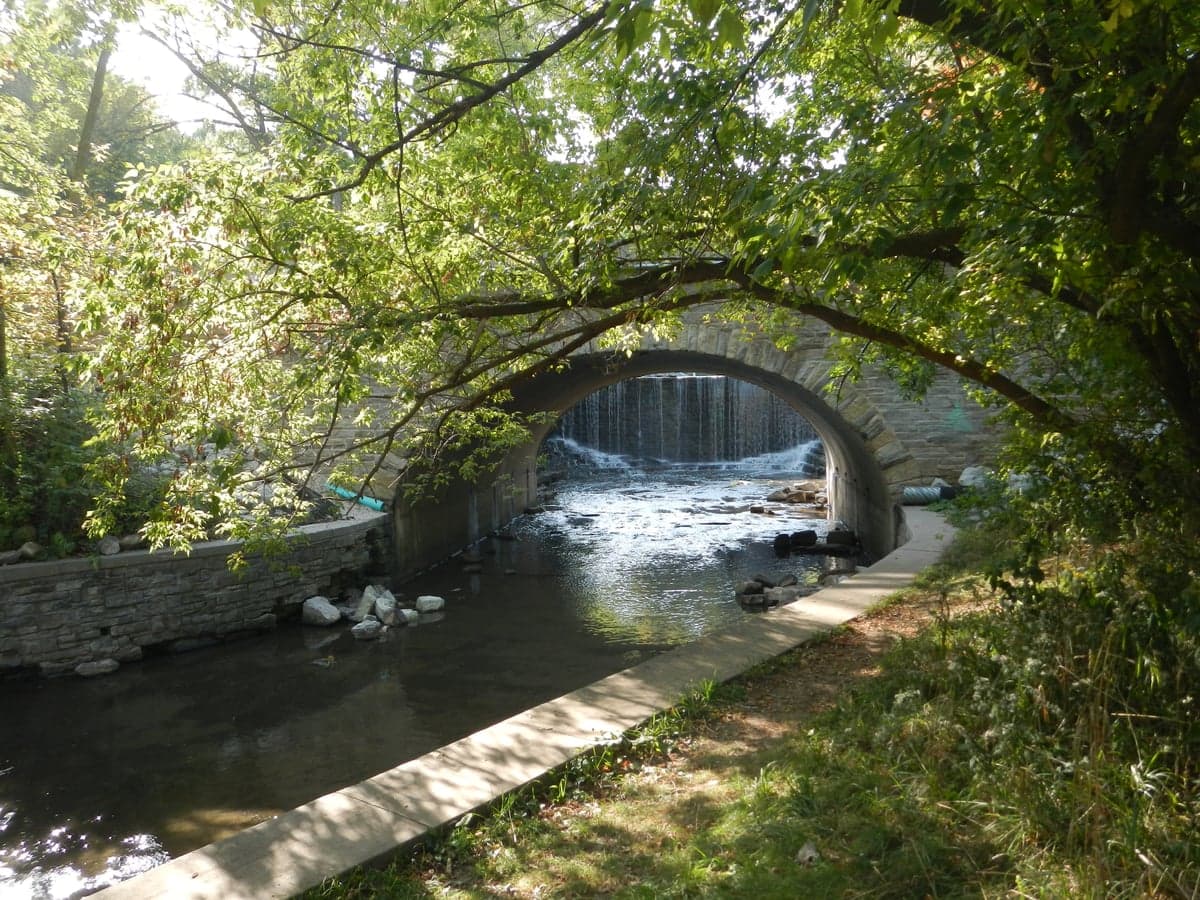
Photo: Wikipedia
Strategic Assessment of South Milwaukee, WI
Multiple tactical vulnerabilities. Population density, target proximity, or disaster risk are likely compounding. A retreat property and exit planning is required.
What does the Strategic Assessment tell us?
Our Strategic Assessment grades tactical survivability of an area. Major population centers, military targets, fallout zones, natural disasters, and border exposure all drive risk — lower exposure means a more defensible position in a crisis.
This is heavily inspired by Joel Skousen's Strategic Relocation book. Highly recommended you checkout the book ($)What does this tell us?
Our Strategic Assessment grades tactical survivability of an area. Major population centers, military targets, fallout zones, natural disasters, and border exposure all drive risk — lower exposure means a more defensible position in a crisis.
This is heavily inspired by Joel Skousen's Strategic Relocation book. Highly recommended you checkout the book ($)Strategic Pillars

Key Distances
Regional Safe Places
Below is our recommended "safe zones" in Wisconsin and the surrounding area based on our strategic heuristics. For most people, it's unrealistic to live in a “safe zone” full-time due to work, family or other personal reasons. They tend to be more rural. However, many of these areas are perfect for second homes and retreat properties that double as a vacation home or even a short-term rental.
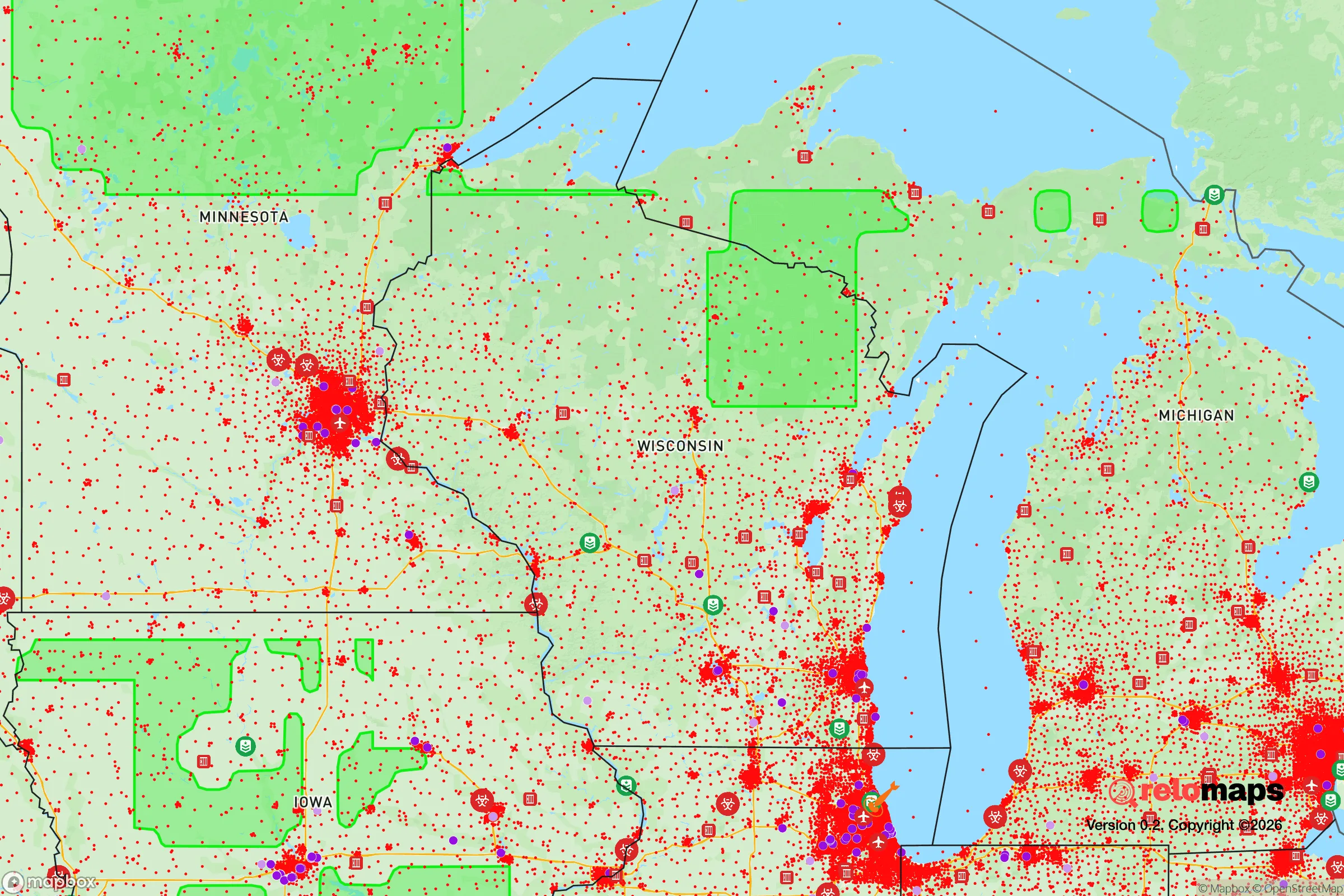
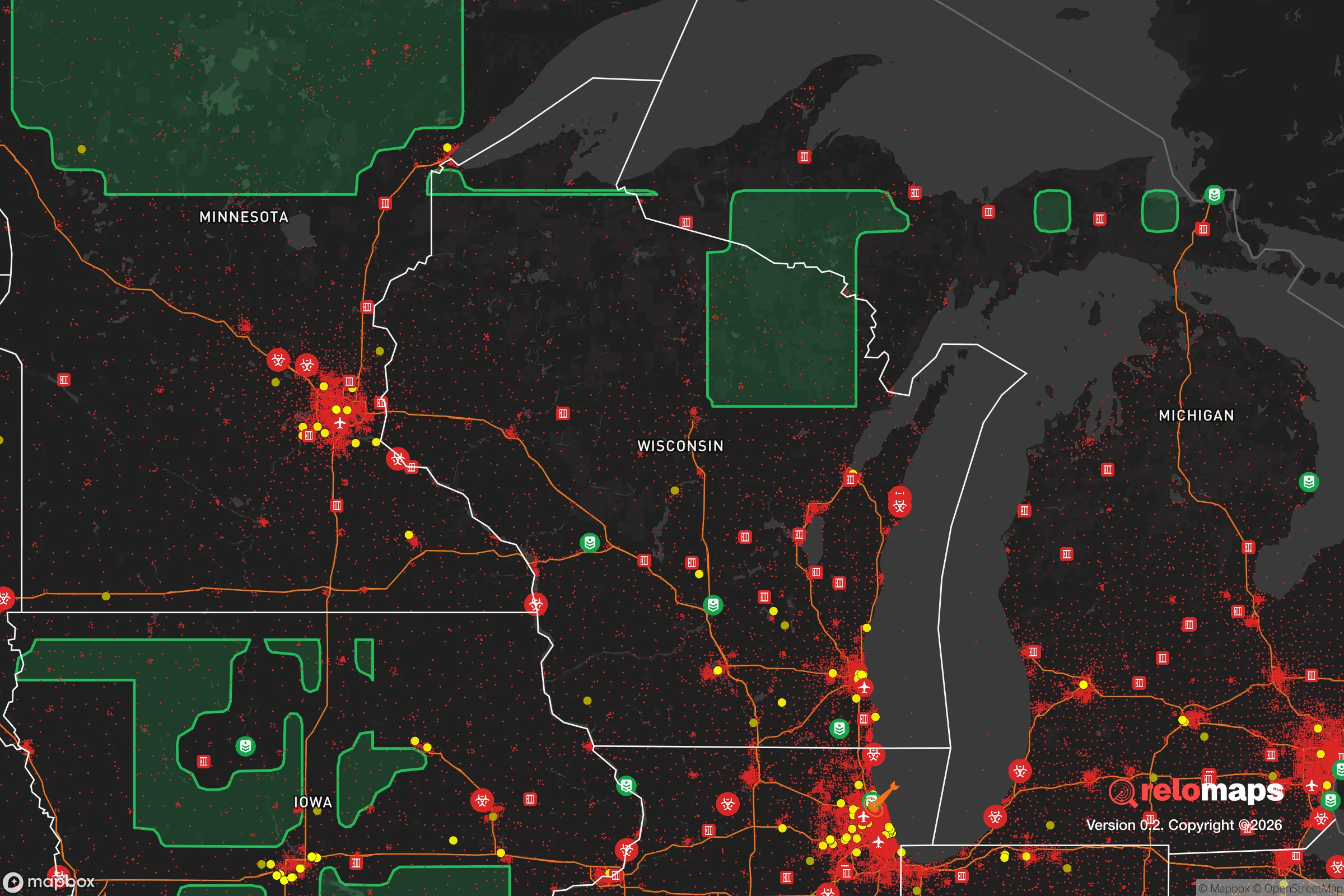


Important Note: For informational purposes only. This does not mean nothing bad ever happens in the green zones. Please use common sense. This is based on public data and modeled with AI. We tried to take a conservative approach but mistakes happen. We update this regularly as new information becomes available.
Solar Generator Recommendations
Backup power matters more here than in safer locations. We've picked three solar generators across budgets and capacity tiers — start with the budget unit if you only need a few essentials, or step up if you want to run a fridge and HVAC for days at a time.

Jackery Portable Power Station Explorer 300
Budget OptionPower on the Go: Weighing only 11 lbs, it's convenient to set up and store with book-sized foldable solar panels

BLUETTI Portable Power Station AC180
Designed for both indoor and outdoor scenarios, AC180 is highly capable as it has a robost capacity and continuous output power.

EF ECOFLOW DELTA Pro Ultra Power Station
Upgraded PickEcoFlow DELTA Pro Ultra is a whole-home energy system designed to grow with your family. Integrated with the Smart Home Panel 2, it scales to meet your evolving energy needs — keeping your home powered, intelligent, and secure through every stage of life.
We earn a commission, at no additional cost to you.
Strategic Assessment Analysis
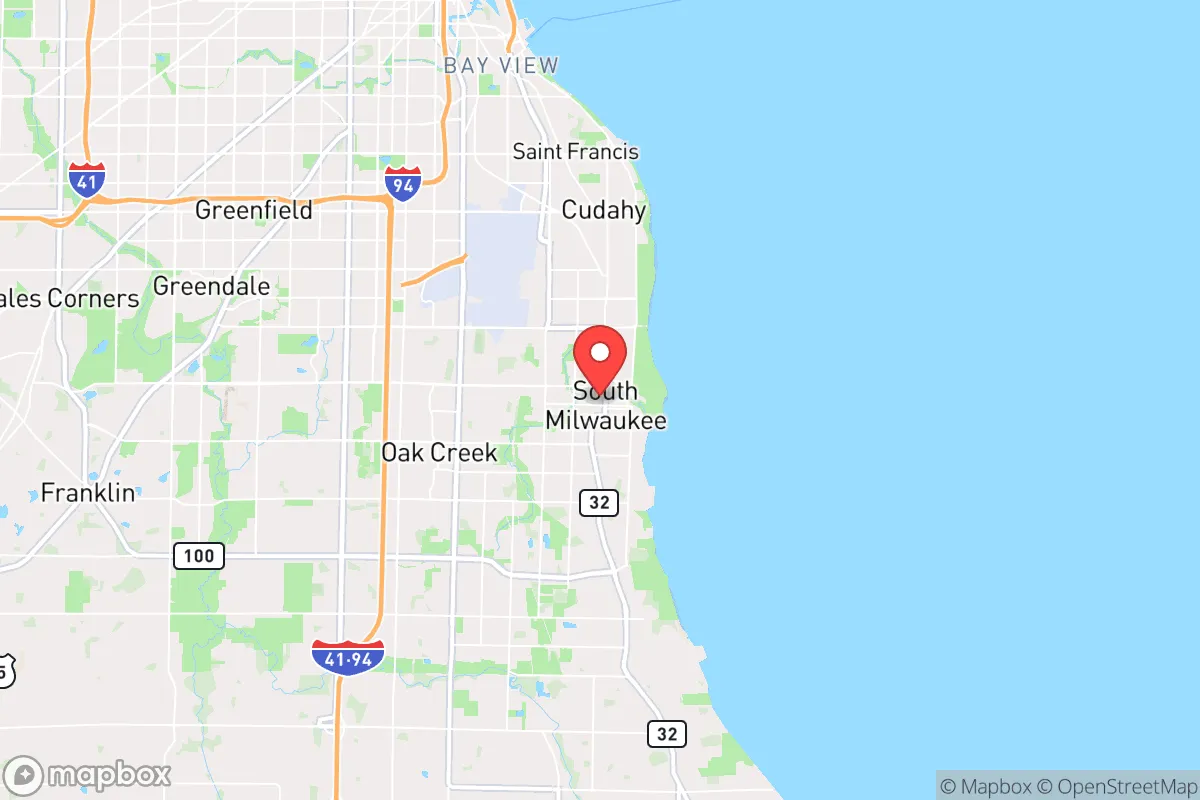
South Milwaukee, Wisconsin, presents a mixed strategic picture for the conservative prepper or survivalist. While its location on Lake Michigan offers a critical water and food resource, its proximity to the massive Milwaukee metro area and the industrial I-94 corridor introduces significant vulnerability to civil unrest, supply chain collapse, and fallout from a major event. The city’s resilience is not inherent but must be actively built, and its advantages are tightly coupled with its risks. For a single individual or family willing to invest in hardening and community building, South Milwaukee can serve as a viable fallback position, but it is far from a standalone redoubt.
Geographic position and natural advantages for long-term survival
South Milwaukee sits on the southwestern shore of Lake Michigan, roughly 10 miles south of downtown Milwaukee and 90 miles north of Chicago. This location provides a massive, reliable freshwater source—the lake holds over 1,180 cubic miles of water, enough to sustain a large population indefinitely even if local wells are compromised. The city’s elevation, around 650 feet above sea level, places it above the immediate floodplain of the Root River, which runs through the area, reducing the risk of catastrophic flooding from storm surges or dam failures. The surrounding terrain is a mix of glacial till, clay soils, and scattered woodlots, offering moderate defensibility—the flat to gently rolling landscape provides limited natural cover but allows for clear lines of sight from elevated positions. The lake itself acts as a natural barrier to the east, funneling any approach from the west or north, which can be monitored. The region’s climate is continental, with cold winters and moderate summers, meaning long-term food storage and cold-weather gear are non-negotiable. The growing season is short, roughly 150 days, limiting subsistence agriculture without significant investment in season extension.
Risks, exposures, and proximity to fallout-relevant landmarks
The most glaring vulnerability is South Milwaukee’s position within the Milwaukee–Chicago–Kenosha megalopolis. Over 3.5 million people live within a 30-mile radius, and the city is directly adjacent to the I-94/US-41 corridor, a major north-south artery that would become a chokepoint during any evacuation or civil unrest. In a scenario involving a nuclear detonation at a major target—such as the Great Lakes Naval Base in North Chicago (25 miles south), the O'Hare International Airport (70 miles southwest), or the industrial complexes in Gary, Indiana (50 miles south)—South Milwaukee lies within the moderate fallout zone for a 10-kiloton surface burst. Prevailing westerly winds would carry fallout east over Lake Michigan, but a shift to a north or northeast wind would deposit contamination directly over the city. The nearby We Energies power plant in Oak Creek (3 miles south) is a coal and natural gas facility; while not a nuclear reactor, its coal ash ponds and chemical storage represent a secondary hazard in a disaster. The city’s own industrial history, including the Bucyrus-Erie (now Caterpillar) heavy equipment plant, means legacy soil contamination from heavy metals and industrial solvents is a concern for long-term gardening and well water. Civil unrest is a realistic threat: Milwaukee has a history of sporadic riots (e.g., 2020 Sherman Park unrest), and South Milwaukee’s proximity to the city means spillover violence or looting is possible during a breakdown of order. The city’s police force is small (about 30 officers), and mutual aid from surrounding departments would be strained in a regional crisis.
Practical resilience for a relocator: food, water, energy, and defensibility
For a relocator serious about self-sufficiency, South Milwaukee offers a few concrete advantages but demands significant preparation. Water is the strongest asset: Lake Michigan provides an inexhaustible supply, but it requires treatment. A personal filtration system (e.g., a Berkey or a Sawyer filter) is essential, as the lake’s nearshore water can contain industrial runoff, algae blooms, and biological contaminants. The city’s municipal water comes from the lake, but a grid-down scenario would cut treatment plants; a backup hand pump or a rainwater catchment system on a south-facing roof is advisable. Food production is limited by the short growing season and clay soils. Raised beds with imported topsoil, a greenhouse, and a focus on cold-hardy crops (kale, potatoes, root vegetables) are necessary. The lake offers a reliable protein source: yellow perch, lake trout, and salmon are present, but fishing pressure from the metro area means stocks are not unlimited. Foraging for morels, ramps, and berries in the scattered woodlots is possible but not a primary strategy. Energy resilience is a challenge. The grid is reliable in normal times but vulnerable to weather events (ice storms, lake-effect snow) and cyberattacks. Solar panels are viable—the area averages 4.2 peak sun hours per day—but winter cloud cover reduces output. A backup generator (propane or diesel) with a 500-gallon tank is a wise investment. The city’s housing stock is mostly older single-family homes with basements; a basement can serve as a storm shelter, root cellar, and safe room, but it must be reinforced against tornadoes (the area is in Tornado Alley’s northern fringe). Defensibility is moderate. South Milwaukee is a compact city of about 8 square miles with a population of 21,000. The street grid is a mix of older neighborhoods and newer subdivisions, with limited natural chokepoints. The lake to the east and the Root River to the north provide some natural boundaries, but the western and southern approaches are open. A relocator should prioritize a property on a dead-end street or near the lakefront, with a clear view of approach routes. The local gun culture is present but not dominant; Wisconsin is a shall-issue state for concealed carry, and the county sheriff (Milwaukee County) is generally pro-2A, but the city itself leans left politically, so open carry might draw unwanted attention. Building a trusted network of like-minded neighbors is critical—the city’s small size makes it possible to know your immediate area, but the transient population from the metro area means you cannot rely on community cohesion without deliberate effort.
The overall strategic picture for South Milwaukee is one of calculated risk. It is not a bug-out location for a complete societal collapse—the proximity to Milwaukee and Chicago is too great, and the defensibility too low. However, for a relocator who wants to stay within driving distance of a major job market while maintaining a prepper lifestyle, it offers a viable compromise. The lake provides a water and food buffer that few inland locations can match, and the city’s industrial base (e.g., Caterpillar, local manufacturing) means skills in mechanics, welding, or heavy equipment operation are valuable for barter and community rebuilding. The key is to treat South Milwaukee as a hardened suburban outpost, not a wilderness retreat. Invest in water filtration, a secure basement, a generator, and a small boat for lake access. Build relationships with local farmers and hunters in the surrounding rural areas (Racine and Kenosha counties to the south). And always have a secondary plan—a more remote property in northern Wisconsin or the Upper Peninsula—for the worst-case scenario. South Milwaukee can work, but only if you approach it with eyes wide open and a serious commitment to preparation.

* Values derived from national, state, county, city and local statistics and may differ in a specific area. Last updated: 2026-04-21T10:36:34.000Z
Narrative content on this page is AI-generated and may contain mistakes. Verify any details that matter before acting on them.
ReloMaps may earn a commission from affiliate links at no extra cost to you.

