Photo: Wikipedia
Personal Sovereignty in South Padre Island, TX
Strong independent fundamentals that actively favor personal liberty and low regulation.
What does Personal Sovereignty tell us?
Personal Sovereignty measures your capacity for self-reliance and independence with minimal government friction. Higher scores mean fewer barriers between you and the way you want to live... but it assumes you have the space you need and good neighbors.
What does this tell us?
Personal Sovereignty measures your capacity for self-reliance and independence with minimal government friction. Higher scores mean fewer barriers between you and the way you want to live... but it assumes you have the space you need and good neighbors.
State Policy
Energy independence: Net exporter (220% of energy produced in-state)
Personal Liberty
Homesteading

Personal Liberty Analysis
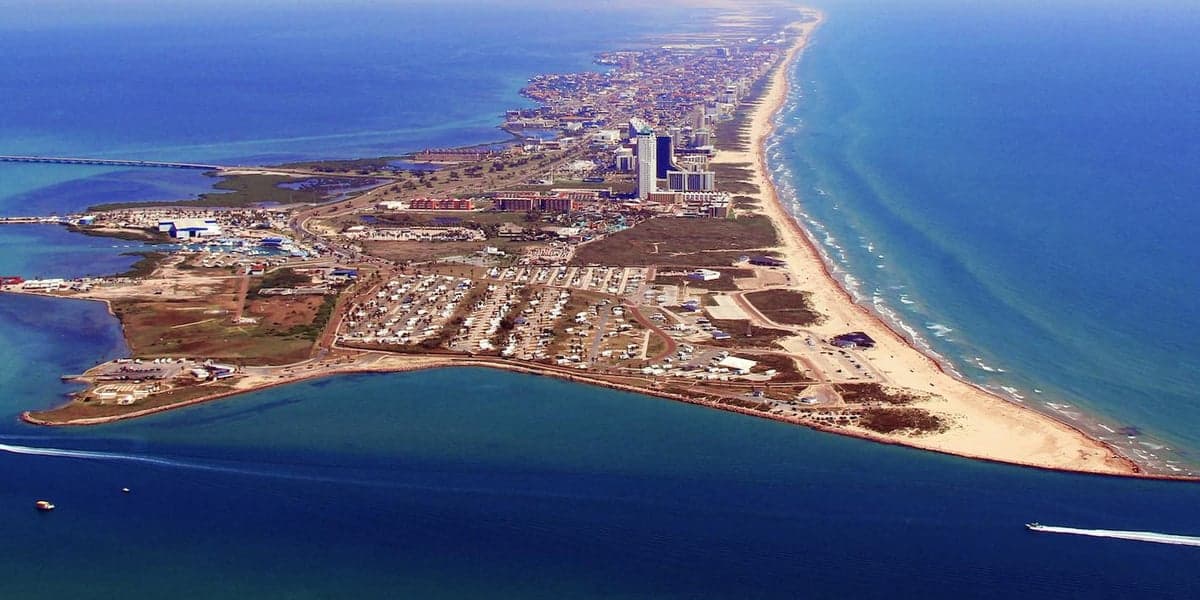
South Padre Island offers a unique environment for personal sovereignty that is shaped more by its geography and state-level protections than by local governance. As a barrier island community of roughly 3,000 year-round residents, the area provides a degree of physical separation from mainland population centers, which inherently reduces daily exposure to government overreach. However, the island’s reliance on tourism and seasonal fluctuations means that local ordinances can sometimes prioritize commercial interests over individual autonomy. For those with a survivalist or prepper mindset, the key question is whether South Padre Island’s legal and regulatory framework allows you to live on your own terms, or whether it imposes the same creeping restrictions found elsewhere in the country. The answer is mixed: Texas state law provides strong baseline protections for gun rights, property rights, and low taxation, but the island’s unique coastal environment and small-town governance introduce specific constraints that require careful navigation.
Tax burden and regulatory posture for individuals and families
Texas has no state income tax, which is a foundational advantage for anyone seeking to maximize personal financial sovereignty. South Padre Island residents pay no local income tax either, and the overall tax burden is low relative to most of the country. Property taxes in Cameron County, which includes the island, average around 1.8% of assessed value, slightly above the Texas median but still far below states like New York or California. For a survivalist-minded individual, this means more of your earnings stay in your pocket, and you are not funding a sprawling state bureaucracy. The regulatory posture at the local level is generally light, but there are important caveats. The island’s zoning code is designed to preserve the tourist economy, which means restrictions on short-term rentals, noise ordinances, and building height limits. These are not onerous for a permanent resident, but they do signal that the city council prioritizes visitor experience over unfettered personal liberty. For example, building a private dock or modifying beachfront property requires permits and environmental review, which can feel like unnecessary red tape. Overall, the tax burden is a clear win, but the regulatory environment is a mixed bag—manageable for those who keep a low profile, but not as free as rural Texas counties.
Self-defense and gun law specifics in South Padre Island
Texas is a constitutional carry state, meaning that as of 2021, any law-abiding adult can carry a handgun openly or concealed without a permit. This applies fully in South Padre Island, and local law enforcement generally respects the right to self-defense. There are no city-specific gun bans or magazine restrictions, and the island’s small police force does not engage in proactive firearms enforcement. For preppers, this is a critical advantage: you can keep a firearm in your vehicle, home, or on your person without bureaucratic hurdles. However, there are practical considerations. The island is a tourist destination, and some businesses—particularly bars and restaurants that serve alcohol—may post 30.06 or 30.07 signs prohibiting concealed or open carry. These signs carry legal weight, so you must respect them or face trespassing charges. Additionally, the island’s proximity to the border means that federal law enforcement presence is higher than in inland areas, and checkpoints are common on the causeway connecting the island to the mainland. While these are primarily for immigration enforcement, they can create a psychological friction for those who value absolute privacy. Stand-your-ground laws apply statewide, so you have no duty to retreat in a self-defense situation. For a survivalist, South Padre Island offers strong gun rights, but the tourist economy and border proximity introduce minor but real limitations.
Self-reliance and homesteading viability on the island
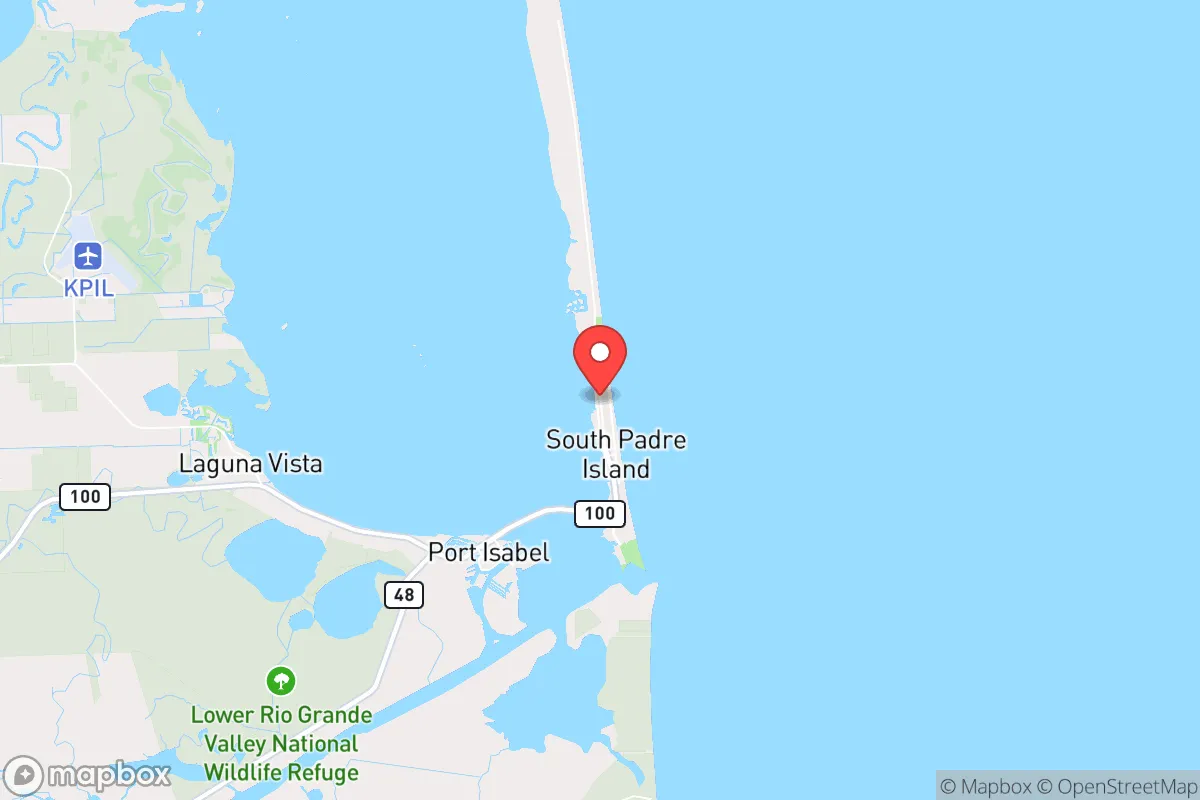
South Padre Island is not a homesteading paradise. The average lot size in residential areas is small—typically 5,000 to 7,500 square feet—and zoning restricts agricultural uses. Raising chickens, goats, or other livestock is prohibited within city limits, and the sandy soil and salt air make gardening challenging without significant investment in raised beds and irrigation. Off-grid living is also difficult. The island is connected to mainland water and power grids, and while solar panels are permitted, the city requires connection to municipal water and sewer systems for any permanent dwelling. Rainwater collection is allowed but not incentivized, and composting toilets are not recognized as a primary sanitation method. For a prepper seeking true self-reliance, the island’s infrastructure dependency is a weakness. However, there are workarounds. Some residents in unincorporated areas of Cameron County, just across the causeway, have larger lots and fewer restrictions. Laguna Vista and Port Isabel offer more space and less oversight, with lots up to half an acre and no ban on small livestock. If you are willing to live 10 minutes from the beach, you can achieve a much higher degree of self-sufficiency. On the island itself, self-reliance is more about financial independence and emergency preparedness—stockpiling supplies, maintaining a boat for evacuation, and building a resilient social network—than about growing your own food or generating your own power.
Personal liberties: parental rights, medical autonomy, speech, and property
Texas state law provides strong protections for parental rights, including the right to direct a child’s education, medical care, and religious upbringing. South Padre Island does not have any local ordinances that override these protections. Homeschooling is legal and requires only a simple notice of intent, with no curriculum approval or testing requirements. Medical autonomy is also well-protected at the state level. Texas has not enacted vaccine mandates for adults, and while COVID-era restrictions were imposed locally, they were short-lived and not enforced aggressively. The island’s small population means that government overreach is less likely to go unnoticed, and local officials are generally responsive to resident concerns. Free speech is protected under the First Amendment, and there are no local laws restricting political expression, though the island’s tourist-dependent economy means that overtly political demonstrations are rare. Property rights are strong, with Texas’s private property laws favoring landowners. Eminent domain is rarely used on the island, and the city does not impose rent control or occupancy limits beyond standard building codes. The main threat to property sovereignty is environmental regulation: the Texas General Land Office has authority over beach access and dune protection, which can limit what you do with coastal property. For a conservative concerned with government overreach, South Padre Island offers a generally favorable environment, but the coastal regulatory framework is a persistent reminder that no place is entirely free.
Compared to other areas in Texas and the broader United States, South Padre Island ranks moderately high for personal sovereignty. The absence of state income tax, constitutional carry, strong parental rights, and low regulatory burden on permanent residents are significant advantages. However, the island’s small lot sizes, restrictions on homesteading, and coastal environmental regulations prevent it from being a top-tier destination for hardcore preppers or survivalists seeking total autonomy. For a single individual or family who values self-defense, low taxes, and minimal government interference in daily life, but who is willing to accept some limitations on self-reliance and off-grid living, South Padre Island is a solid choice. The key is to approach it strategically: live on the island for the lifestyle and legal protections, but maintain a secondary property or supply cache on the mainland for true independence. In a world where government overreach is expanding, South Padre Island offers a defensible beachhead—not a fortress, but a place where you can live largely on your own terms.

* Values derived from national, state, county, city and local statistics and may differ in a specific area. Last updated: 2026-04-15T06:31:11.000Z
Narrative content on this page is AI-generated and may contain mistakes. Verify any details that matter before acting on them.
ReloMaps may earn a commission from affiliate links at no extra cost to you.

