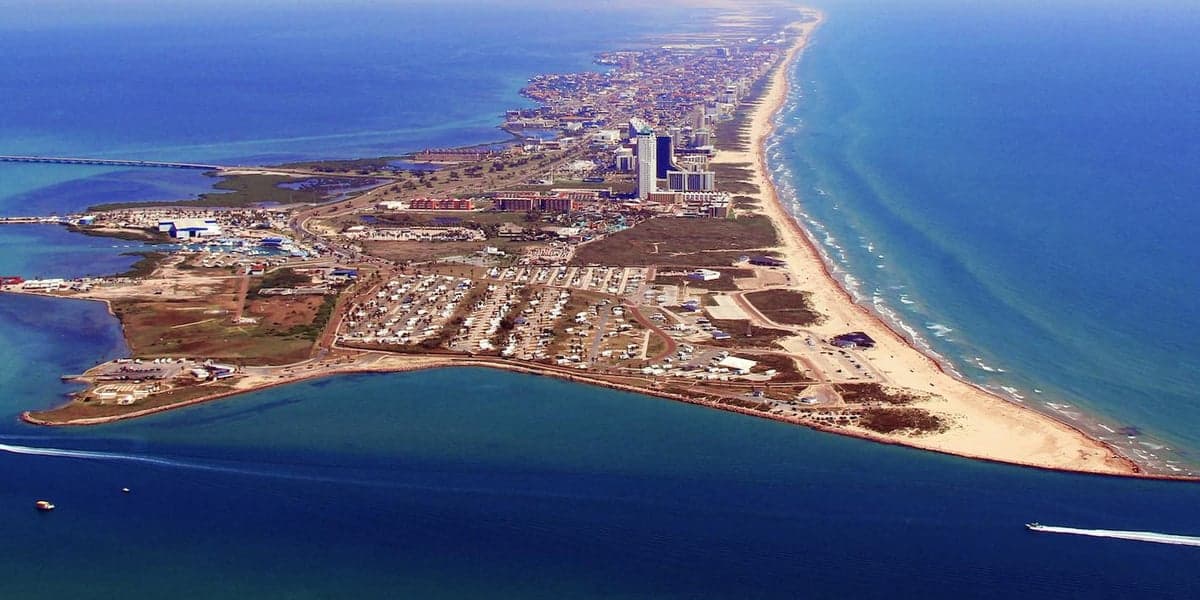
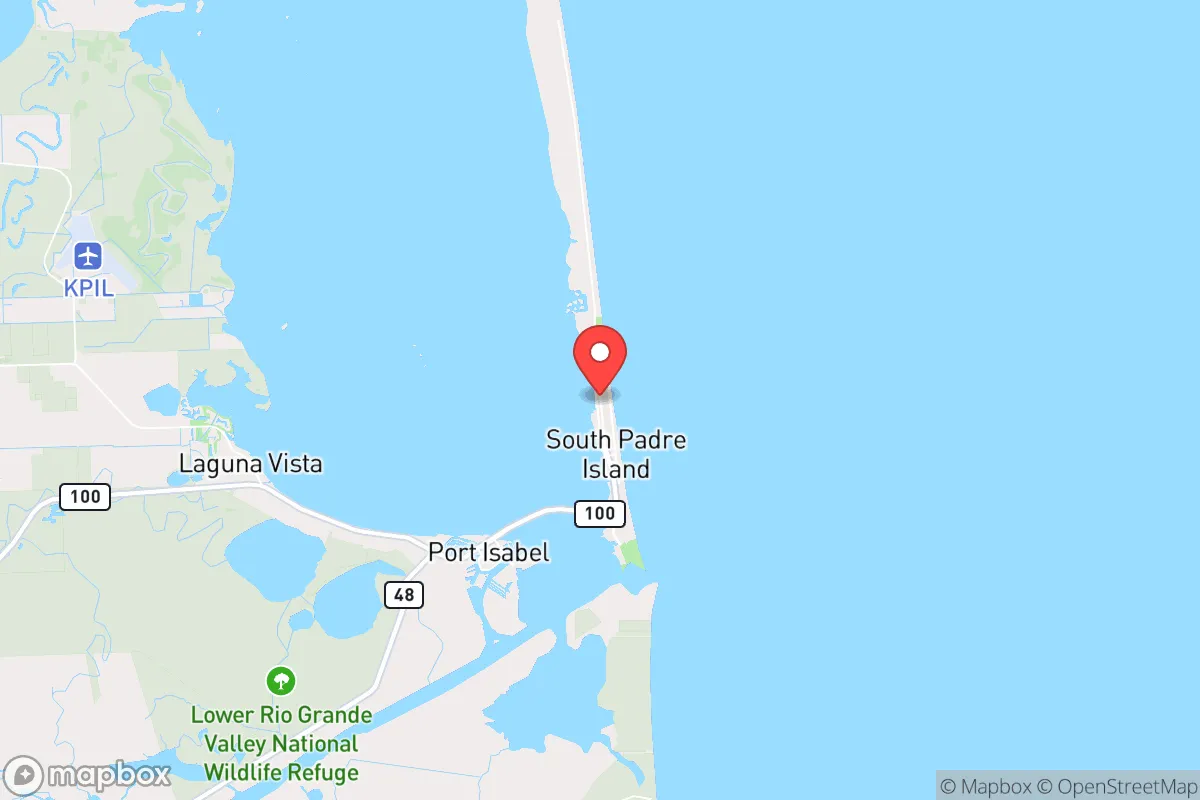
Photo: Wikipedia
Quality of Life in South Padre Island, TX
A high quality of life with strong walkability, manageable living costs, healthy neighborhood signals, and solid amenity access.
What does Quality of Life tell us?
Quality of Life blends cost of living, nearby amenities, socioeconomic signals, and neighborhood character. City-level scores represent the whole municipality; individual neighborhoods can differ.
What does this tell us?
Quality of Life blends cost of living, nearby amenities, socioeconomic signals, and neighborhood character. City-level scores represent the whole municipality; individual neighborhoods can differ.
Cost of Living
44% above national average
The Real Cost of Living in South Padre Island, TX for 2026
| Tier | Individual | Family (4) |
|---|---|---|
| Survival | $43k | $80k |
| Comfortable | $142k | $209k |
| Luxury | $185k+ | $287k+ |
| Elite (Top 5%) | $264k+ | $409k+ |
29%
The Area Signal
A metric tracking the socioeconomic signals of the area.


Hobbies
Explore the areaGroceries
5 within 10 miles
Gas
0 within 10 miles
Hospital
2 within 20 miles
Airport
SAN — San Antonio International
Post Office
USPS — South Padre Island, TX
Critical Amenities
Quality-of-Life Analysis
South Padre Island, Texas, is a barrier-island community where affluence is concentrated among second-home owners and retirees, while the year-round workforce skews younger and service-oriented. The island’s cost of living index of 144 (44% above the U.S. average) reflects its premium beachfront real estate and limited housing inventory, attracting a mix of seasonal residents, hospitality workers, and remote professionals who prioritize coastal lifestyle over urban convenience. The permanent population of roughly 3,000 swells dramatically during spring break and summer, creating a dual economy that supports both luxury vacation rentals and modest worker housing.
Cost of living, housing prices, and affordability compared to Brownsville and Port Isabel
Housing is the primary driver of South Padre Island’s elevated cost of living. The median home value of $498,800 is more than double the national median and roughly 2.5 times higher than in neighboring Port Isabel ($195,000) or Brownsville ($165,000). Renters face a median monthly rent of $1,421, which is about 30% higher than in Port Isabel and 50% higher than in Brownsville, though still below the national median for coastal resort towns. The average commute of 26.7 minutes is longer than the island’s small size would suggest, because most workers live off-island in Port Isabel or Laguna Vista to afford housing, then drive across the Queen Isabella Causeway daily. Groceries and utilities on the island also carry a premium due to delivery costs across the causeway, adding roughly 10–15% to everyday expenses compared to mainland Cameron County.
Local amenities, school quality, and what daily life feels like year-round
Daily life on South Padre Island revolves around the beach, the bay, and a compact commercial strip along Padre Boulevard. The South Padre Island Independent School District serves roughly 600 students in a single K-12 campus, with a student-teacher ratio of about 14:1 and a graduation rate near 95%, though advanced course offerings are limited compared to larger mainland districts. For groceries and everyday errands, residents rely on a single full-service supermarket and a handful of smaller markets; most major shopping and medical services require a 25-minute drive to Port Isabel or a 40-minute drive to Brownsville. The island’s year-round rhythm is quiet and slow-paced outside of peak tourist seasons, with residents filling time with kayaking in the Laguna Madre, birding at the South Padre Island Birding and Nature Center, and dining at local seafood spots like the Blackbeard’s or Padre Island Brewing Company. Healthcare is limited to a small urgent care clinic and a handful of primary-care offices; the nearest hospital with an emergency room is Valley Regional Medical Center in Brownsville, 30 miles away.
South Padre Island is best suited for retirees, remote workers, and hospitality professionals who value immediate beach access and a tight-knit community over urban amenities and affordability. Families with school-age children may find the limited school options and long drives for activities a drawback, while those working in Brownsville or McAllen should weigh the 45–60 minute commute against the appeal of coastal living. The island offers a genuine resort-town lifestyle, but the high housing costs and seasonal economy mean it is not a budget-friendly relocation choice for most households.

Crime in South Padre Island, TX
Higher crime rates than 68% of comparable U.S. locations.
Violent CrimeViolent Crime Analysis
Property CrimeProperty Crime Analysis
Crime Analysis
South Padre Island, Texas, reports a violent crime rate of 1,540.7 incidents per 100,000 residents and a property crime rate of 10,881.1 per 100,000, placing it among the higher-crime communities in the state. These figures, drawn from the most recent FBI Uniform Crime Reporting data, are substantially elevated compared to both Texas averages and national benchmarks. The island’s unique status as a seasonal tourist destination and a small city within the broader Brownsville-Harlingen metro area contributes to these statistics, which reflect a concentrated crime profile rather than a uniformly dangerous environment.
Crime in context
South Padre Island’s violent crime rate is roughly 4.5 times higher than the national average of approximately 380 per 100,000, while its property crime rate is nearly 3 times the national average of about 3,700 per 100,000. Compared to Texas as a whole, where the statewide violent crime rate hovers around 450 per 100,000 and property crime around 2,500 per 100,000, the island’s numbers stand out sharply. However, context matters: the island’s year-round population of roughly 3,000 swells to tens of thousands during spring break and summer months, and the crime data includes offenses against visitors, not just residents. The Cameron County justice system, which oversees the island, operates within a broader metro area that has seen progressive prosecutorial policies in recent years. Critics argue that such approaches—emphasizing diversion and reduced incarceration for non-violent offenders—can lead to higher recidivism and more property crimes, as repeat offenders face fewer consequences. This ideological shift in the local district attorney’s office is a factor that residents and prospective movers should weigh when assessing long-term safety trends.
What residents experience
For the small permanent population, daily life on South Padre Island involves heightened awareness of property crime. Theft from vehicles, burglaries of vacation rentals, and bicycle thefts are common, particularly during peak tourist seasons. Violent crime, while statistically high, is often concentrated in nightlife districts and among transient populations rather than in residential neighborhoods. Residents report that most violent incidents involve disputes between visitors or alcohol-fueled altercations, not random attacks on locals. Still, the presence of a progressive district attorney in Cameron County, who has implemented policies like cash-bail reform and reduced prosecution of low-level drug offenses, creates a justice environment that some residents view as lenient. This can translate into a perception that criminals are quickly back on the street, undermining deterrence and community confidence in the system.
Neighborhood-level variation is limited due to the island’s small geographic size—roughly 2.5 square miles. The northern end, near the convention center and larger hotels, sees more tourist-related crime, while the southern residential areas, including properties along Laguna Vista and the bay side, experience lower incident rates. Gated communities and condominium complexes with private security report fewer problems than open-access beachfront rentals. For those considering a move, focusing on properties with controlled access and proximity to the police substation on Padre Boulevard can mitigate risk. Overall, South Padre Island offers a vibrant coastal lifestyle, but its crime statistics and the ideological leanings of the local justice system warrant careful consideration for anyone prioritizing safety and accountability.
* Values derived from national, state, county, city and local statistics and may differ in a specific area. Last updated: 2026-04-15T06:31:11.000Z
Narrative content on this page is AI-generated and may contain mistakes. Verify any details that matter before acting on them.
ReloMaps may earn a commission from affiliate links at no extra cost to you.

