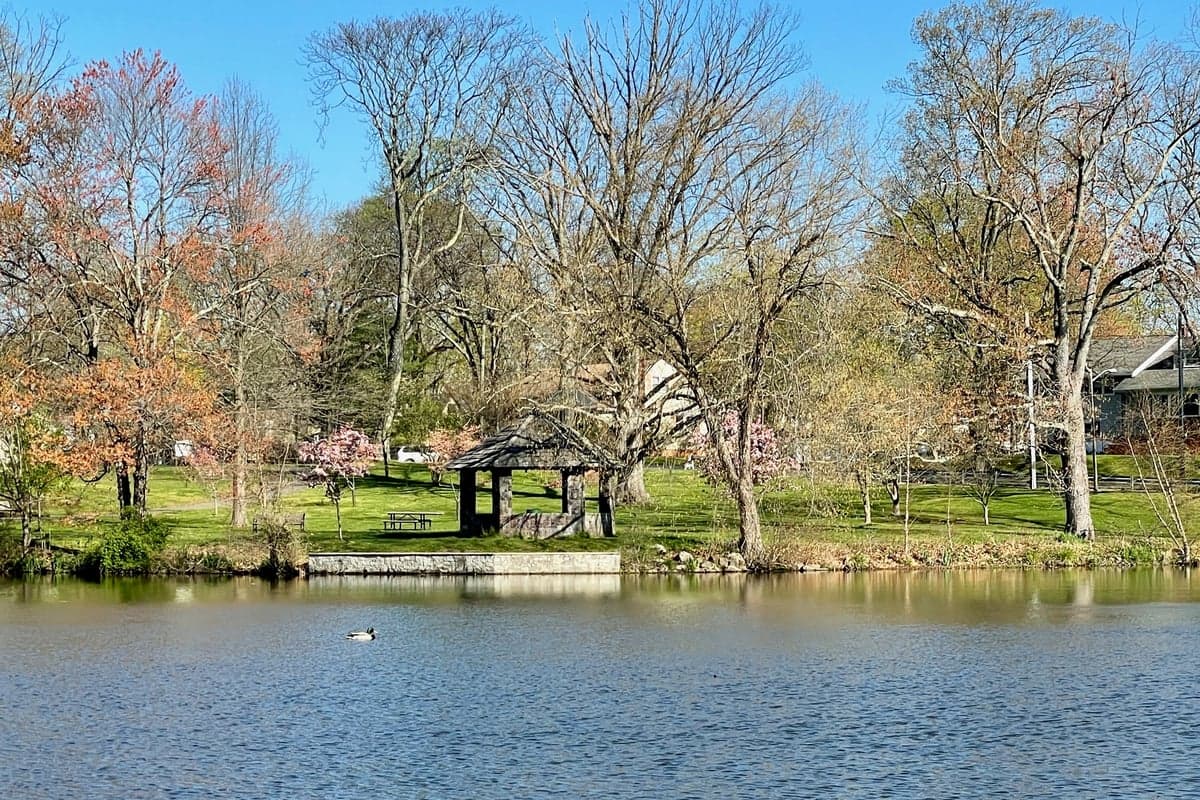
Photo: Wikipedia
Political ClimatePolitical Climate in South Plainfield, NJ
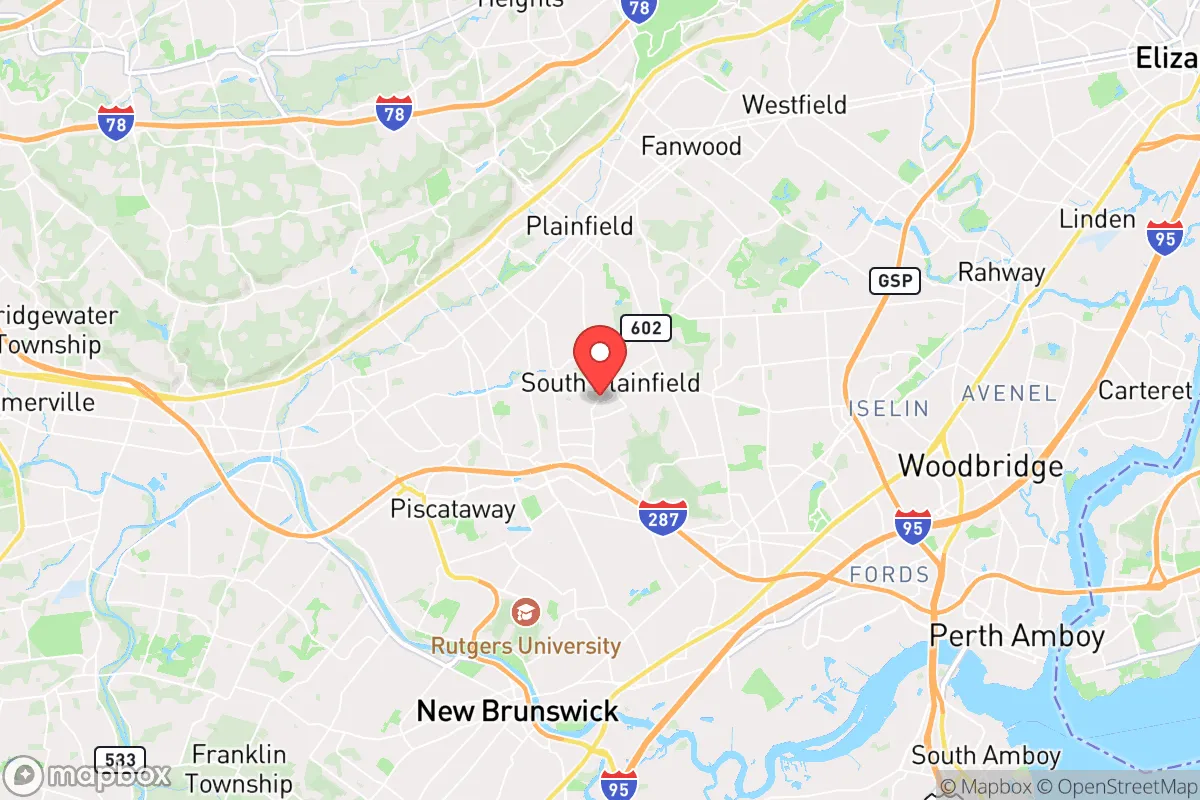
District shown is the primary district for this city’s centroid. Cities may span multiple districts.
Local Political AnalysisPolitical Analysis of South Plainfield, NJ
South Plainfield, New Jersey, has a Cook PVI of D+5, meaning it leans about five points more Democratic than the national average. That puts it right in line with the state of New Jersey as a whole, which also carries a D+5 rating. For a long time, this town was a classic blue-collar, union-stronghold kind of place—folks who voted Democrat out of habit and loyalty to labor, but who held pretty traditional views on things like taxes, school choice, and the Second Amendment. Over the last decade or so, though, you've seen a slow but steady shift. The old-school Democrats are getting older, and the newer folks moving in from places like Edison and North Brunswick tend to be more progressive. It's not a dramatic swing, but it's noticeable if you've been around.
How it compares
Compared to the rest of New Jersey, South Plainfield is a bit of a bellwether. The state as a whole has been trending blue for years, but the real action is in the contrast with nearby towns. Head west a few miles to Green Brook or Warren Township, and you'll find communities that lean more Republican—places where property taxes are still a top issue and people are more skeptical of state mandates. Go east to Plainfield proper, and you're in a solidly progressive, heavily Democratic city. South Plainfield sits right in the middle, politically and geographically. The town council races here are still competitive, and you don't see the kind of one-party rule you get in some neighboring towns. That said, the local school board and planning board have definitely taken on a more activist tone in recent years, pushing things like DEI initiatives and "equity" language that would have been laughed out of the room twenty years ago. It's a slow creep, but it's there.
What this means for residents
For someone who values personal freedom and limited government, the trend is concerning. The state of New Jersey already has some of the strictest gun laws in the country, and South Plainfield's local leadership has shown little interest in pushing back. The same goes for COVID-era mandates—the town largely went along with the state's playbook, with very few voices questioning the shutdowns or vaccine requirements. On the plus side, property taxes here are still high but not as insane as in some neighboring towns, and the local government hasn't gone full-bore into the kind of zoning overhauls you see in places like Montclair or Jersey City. But the direction is clear: more regulation, more progressive social policies, and less room for dissent. If you're the type who thinks the government should stay out of your business, you'll want to keep a close eye on school board meetings and town council votes.
Culturally, South Plainfield still has a bit of that old-school Jersey vibe—pizza joints, firehouse parades, and a strong sense of local identity. But the policy distinctions are starting to blur. The town has embraced the state's push for electric vehicle mandates and renewable energy goals, which means higher costs for homeowners who just want to keep their gas cars and oil heat. The local police department is still respected, but there's been pressure to adopt more "reform" measures that critics say tie officers' hands. If you're looking for a place where the government respects your right to live your life without constant interference, South Plainfield is still better than many parts of the state, but the window is closing. Keep your head up and your voice loud at those local meetings—that's where the real fight is.

State Political ClimatePolitical Climate in New Jersey
State Political AnalysisPolitical Environment in the State
New Jersey has a solid Democratic lean, with a Cook PVI of D+5, but that number doesn't tell the whole story. The state is a patchwork of deep-blue urban strongholds, reliably red rural and suburban pockets, and a growing number of purple swing towns that have shifted left over the past decade. Over the last 20 years, the Democratic coalition has tightened its grip on state government, driven by population density in the northeast corridor and a steady influx of New York City commuters, while conservative strongholds in places like Hunterdon County and Ocean County have held firm but lost influence. If you're a conservative looking at New Jersey, you're walking into a state where the political center of gravity has moved decisively left, but where local resistance is still very real.
Urban vs. rural divide
The political map of New Jersey is a tale of two landscapes. The urban core—Newark, Jersey City, Paterson, and Camden—drives the state's Democratic dominance, with turnout machines and dense populations that reliably deliver 70-80% of the vote for Democrats. These cities are the engine of the party's power, and their influence has only grown as the state's population has concentrated along the Turnpike corridor. In contrast, the rural and exurban areas—places like Sussex County, Warren County, and the Pine Barrens region—vote Republican by similar margins, but their populations are smaller and aging. The real battleground is the suburbs: Bergen County and Middlesex County have shifted from purple to light blue over the last decade, driven by professional-class voters who prioritize education and social issues over fiscal conservatism. Meanwhile, Ocean County remains a Republican stronghold, anchored by retirees and working-class families who feel increasingly alienated from Trenton's agenda.
Policy environment
New Jersey's policy environment is a case study in progressive governance, and it's a mixed bag for conservatives. The state has the highest property taxes in the nation, with an average effective rate of 2.23%, and a progressive income tax that tops out at 10.75% for earners over $1 million. The regulatory posture is heavy: the state has its own version of the Clean Air Act, strict gun laws (including a 2018 "red flag" law and a 2022 carry-killer law that effectively bans concealed carry in most public places), and a school funding formula that heavily favors urban districts over suburban and rural ones. On education, the state has a robust school choice program through inter-district public school transfers and charter schools, but it's limited compared to states like Florida or Arizona. Healthcare is dominated by the state's Medicaid expansion and a strong insurance mandate. Election laws are among the most progressive: no-excuse mail-in voting was made permanent in 2020, and automatic voter registration is in place. For a conservative, the policy environment feels like a constant uphill battle—higher taxes, more regulation, and a government that seems to prioritize collective outcomes over individual freedom.
Trajectory & freedom
Over the last five years, New Jersey has become less free by any objective measure. The 2022 gun law, signed by Governor Phil Murphy, effectively ended lawful carry outside the home by requiring a "justifiable need" standard that is nearly impossible to meet—a direct assault on Second Amendment rights. On parental rights, the state passed a 2022 law requiring school districts to adopt policies that affirm LGBTQ+ students, which conservatives argue undermines parental notification and opt-out rights. Medical autonomy took a hit with the state's strict COVID-19 vaccine mandates for healthcare workers and school staff, which were among the most aggressive in the nation. Property rights are under constant pressure from the state's powerful eminent domain authority, particularly in redevelopment zones like those in Newark and Camden. On the tax front, the 2018 SALT cap deduction limit hit New Jersey homeowners hard, and while the state has tried to work around it with pass-through entity taxes, the overall burden remains crushing. The trajectory is clear: more government control, less personal liberty, and a state that views itself as a laboratory for progressive policy.
Civil unrest & political movements
New Jersey has seen its share of political flashpoints. The 2020 Black Lives Matter protests in Newark and Trenton were large but largely peaceful, though they did lead to calls for defunding the police—a push that ultimately failed in the legislature. On the right, the state has a small but vocal Second Amendment sanctuary movement, with over 20 counties and municipalities passing resolutions declaring themselves "gun sanctuaries" in response to the 2022 gun law. Immigration politics are a constant source of tension: New Jersey is a sanctuary state, with a 2018 executive order limiting cooperation with ICE, and cities like Newark and Jersey City have active "welcoming city" policies. The 2020 election integrity debate was muted here compared to swing states, but there were still concerns about mail-in ballot security, particularly in Paterson, where a 2020 municipal election was overturned due to widespread fraud. For a new resident, the most visible flashpoint is likely the constant political signage and local activism—you'll see "Defend the Second" signs in rural areas and "Hate Has No Home Here" signs in the suburbs, a reflection of the state's deep cultural divide.
Projection
Looking ahead 5-10 years, New Jersey's political trajectory is likely to continue leftward, but with some caveats. The state's population is aging and slowly declining, with net domestic out-migration of about 30,000 people per year, many of them retirees and middle-class families moving to Florida, Texas, or the Carolinas. This exodus is disproportionately conservative, which means the remaining electorate becomes more Democratic over time. However, the state's high cost of living and tax burden may eventually create a ceiling on how far left it can go—there's a reason the state has a Republican governor every so often (Chris Christie was the last, and he was a moderate). The wild card is the growing Hispanic population, which is not monolithic: Cuban and South American communities in Union City and Perth Amboy lean more conservative than Puerto Rican and Dominican populations in Newark and Camden. If the GOP can make inroads with these voters, the state could become more competitive. But for now, the safe bet is that New Jersey remains a solidly blue state with a strong progressive policy agenda, and anyone moving here should expect that trend to continue.
For a conservative considering a move to New Jersey, the bottom line is this: you're moving to a state where your vote will be in the minority, your taxes will be high, and your personal freedoms—especially on guns, education, and medical choice—will be under constant pressure. But if you choose your town wisely, you can find a community that shares your values. Places like Hunterdon County or Ocean County offer a more conservative lifestyle, with lower taxes relative to the state average and a strong sense of local control. Just don't expect the state government to have your back. New Jersey is a beautiful state with great schools, diverse culture, and proximity to major cities, but it's also a state that demands you fight for your freedoms at the local level. If you're willing to do that, you can make it work. If not, you might want to look west.
* Values derived from national, state, county, city and local statistics and may differ in a specific area. Last updated: 2026-05-05T11:16:19.000Z
Narrative content on this page is AI-generated and may contain mistakes. Verify any details that matter before acting on them.
ReloMaps may earn a commission from affiliate links at no extra cost to you.

