Photo: Wikipedia
Find The Best Places To Live
in Montauk
PRO TIP! You can paste a Zillow or Redfin link to get info on that property.
What It's Like Living in Montauk, NY
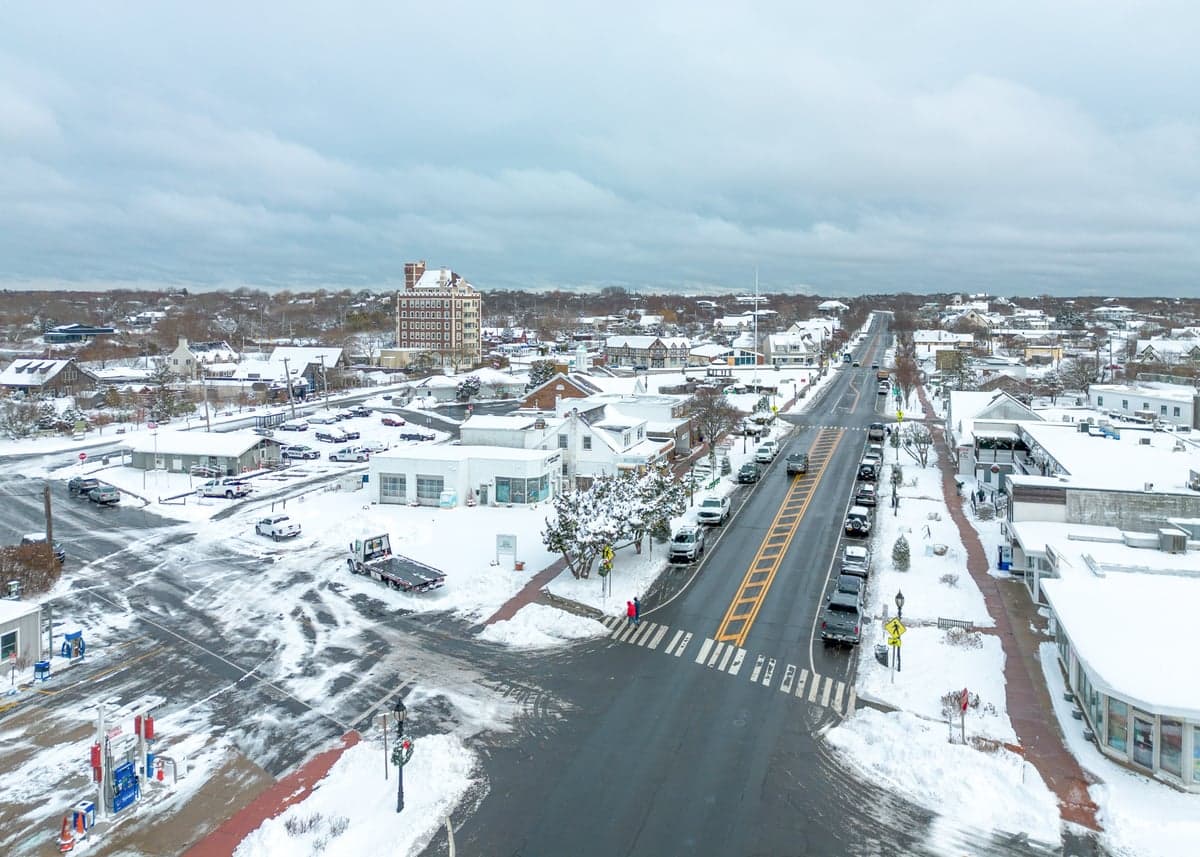
Montauk feels less like a typical Hamptons town and more like a working fishing village that happens to sit on some of the most dramatic coastline on the East Coast. With a year-round population just over 4,000, it’s a place where the summer crowds vanish by Labor Day, and the people who remain are here because they genuinely want to be—not because they’re chasing a scene. The median age of 51.2 tells you this isn’t a young party town in the off-season; it’s a community of established professionals, second-home owners, and multi-generational fishing families who value solitude and natural beauty over nightlife.
The Daily Rhythm: Slow, Seasonal, and Self-Reliant
Life in Montauk moves at the pace of the tides. In summer, the population swells to tens of thousands, and Main Street becomes a slow crawl of Range Rovers and rental Jeeps. Locals know to do their grocery shopping at the IGA before 9 a.m. or after 7 p.m. to avoid the chaos. The real daily life, though, happens in the shoulder seasons and winter. People here spend weekends hiking the trails at Camp Hero State Park, surfing at Ditch Plains (even in a wetsuit in December), or grabbing a beer at the Shagwong Tavern, a no-frills bar that’s been a local staple since the 1960s. The average commute of about 33 minutes is longer than you’d expect for a town this small, but that’s because many residents drive to East Hampton or even further west for work—there aren’t many year-round jobs in Montauk itself beyond hospitality, fishing, and real estate.
Who Fits In—and Who Doesn’t
Montauk isn’t for everyone, and that’s part of its appeal. The kind of person who thrives here is someone who doesn’t mind driving 20 minutes for a decent hardware store, who can handle a nor’easter without losing power for three days, and who values quiet over convenience. The median household income of $129,375 sounds high, but it’s barely enough to afford the median home value of $1.18 million—so most year-round residents either bought decades ago, inherited property, or are renting. Single professionals and parents alike will find a tight-knit community, but it’s not a place for people who need constant stimulation. The school system, Montauk School (K-8), is small and deeply integrated into community life—everyone knows everyone, and the school’s sports teams and holiday events are genuine social anchors. High school students commute to East Hampton, which can be a social challenge for teens.
Sports, Festivals, and the Local Social Scene
Sports here are more about participation than spectating. The Montauk Mustangs (the K-8 school teams) draw real crowds for basketball and soccer games, but there’s no pro or college team to rally around. Instead, the big events are festivals: the Montauk Music Festival in June, the Blessing of the Fleet in September (a genuine fishing tradition, not a tourist gimmick), and the Montauk Surf Classic in August. For entertainment, locals gravitate toward Gosman’s Dock for a lobster roll and a view of the fishing boats, or the Montauk Brewing Company taproom for a pint of Driftwood Ale. The Montauk Library punches above its weight with author talks and film nights. In winter, the social scene shrinks to a handful of bars—The Sloppy Tuna is a summer-only zoo, but The Point and Ruschmeyer’s have loyal year-round crowds.
The Honest Trade-Offs: What Works and What Grates
Longtime residents love the raw beauty—the Montauk Point Lighthouse, the miles of empty beach in November, the fact that you can still catch your own dinner off the jetty. But the frustrations are real. The cost of living index of 275 (nearly three times the national average) means everything from a gallon of milk to a plumber’s visit costs a premium. The violent crime rate of 331.5 per 100,000 is higher than the national average, though most of it is concentrated in summer tourist areas and involves theft or alcohol-related incidents rather than random violence. Traffic on Montauk Highway in July is genuinely soul-crushing—what’s a 15-minute drive in February can take an hour. And the weather: winters are raw, windy, and gray, with nor’easters that can knock out power for days. The trade-off is that from April through November, you live in one of the most beautiful places in the country, surrounded by people who chose this life deliberately.
Montauk’s cultural identity is stubbornly independent. It’s not trying to be the Hamptons—it’s a fishing village that tolerates tourists. The local bumper sticker “Montauk: It’s Not for Everyone” isn’t ironic; it’s a statement of pride. For the right person—someone who values solitude, natural beauty, and a slower pace over convenience and nightlife—it’s a place you never want to leave. For everyone else, it’s a great place to visit for a weekend.

Similar small towns to Montauk
* Values derived from national, state, county, city and local statistics and may differ in a specific area. Last updated: 2026-04-24T01:47:24.000Z
Narrative content on this page is AI-generated and may contain mistakes. Verify any details that matter before acting on them.
ReloMaps may earn a commission from affiliate links at no extra cost to you.

