Demographics of Southlake, TX
Affluence Level in Southlake, TX
A wealthy area with high-earning, well-educated households. Incomes, home values, and educational attainment meaningfully outpace national averages.
Census doesn't track above $250K
People of Southlake, TX
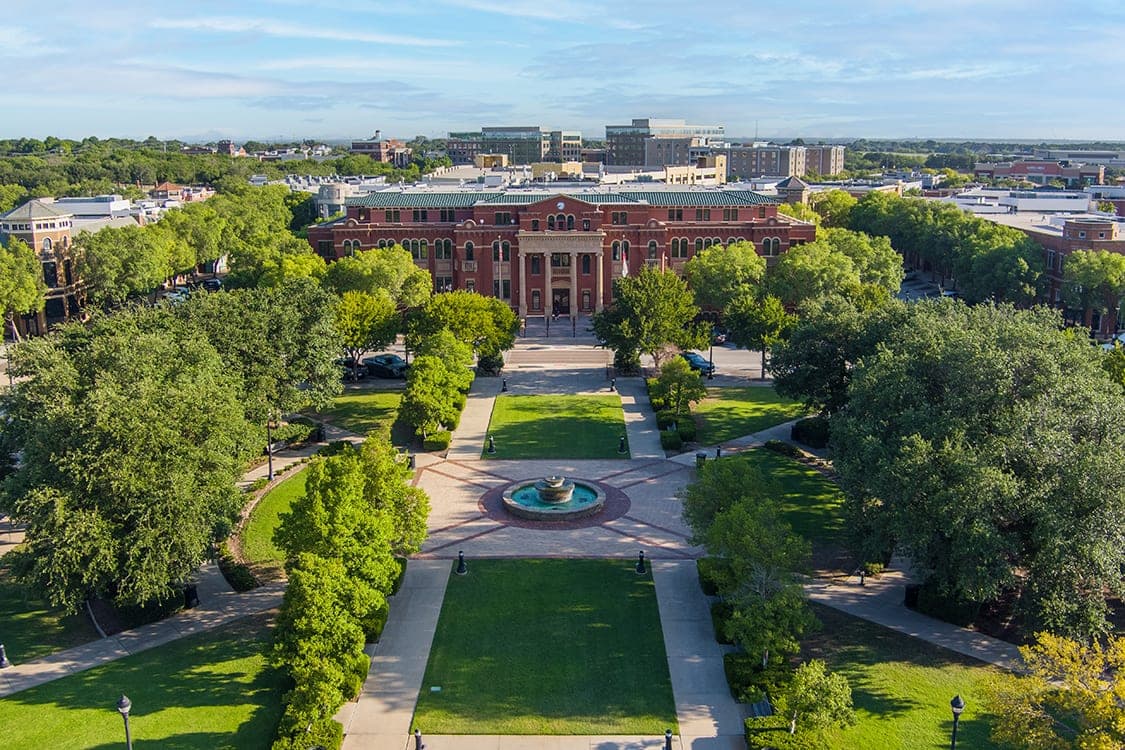
The people of Southlake, Texas, today form a dense, highly educated, and affluent community of 31,044 residents, characterized by a dominant white majority (69.1%) alongside significant and distinct Asian (8.0%) and Indian (7.7%) populations. The city’s identity is shaped by top-ranked Carroll ISD, a strong conservative political culture, and a built environment of master-planned subdivisions and upscale retail. This is not a historic settlement but a late-20th-century corporate suburb, whose population story is one of rapid, planned growth driven by corporate relocations and a relentless focus on school quality.
How the city was settled and grew
Southlake did not exist as a significant settlement until the 1960s. The area was originally sparsely populated ranchland, part of the Peters Colony land grant system that attracted Anglo-American settlers in the 1840s and 1850s. The small farming community of White’s Chapel, centered around a Methodist church built in 1878, was the only notable pre-suburban node. The city was formally incorporated in 1956 with fewer than 200 residents, mostly descendants of those early ranchers and farmers. The first real population wave came in the 1970s and 1980s, driven by the construction of DFW Airport (1974) and the relocation of corporate headquarters like American Airlines and RadioShack to the surrounding Mid-Cities region. These early suburbanites—overwhelmingly white, middle-to-upper-middle-class professionals—settled in the first generation of subdivisions such as Timber Creek and Southlake Estates, drawn by large lots and the newly formed Carroll Independent School District.
Modern era (post-1965)
The post-1965 Hart-Cellar Act had little immediate effect on Southlake, as the city remained nearly all-white through the 1990s. The transformative demographic shift began in earnest after 2000, driven by two forces: the continued expansion of DFW Airport and the rise of the Indian and East/Southeast Asian professional class in the Dallas-Fort Worth tech and medical sectors. Southlake’s Timarron and Clairbourne Park neighborhoods became primary destinations for Indian-subcontinent families, particularly those working in IT, engineering, and healthcare at companies like Texas Health Resources, JPMorgan Chase, and the numerous tech firms in Las Colinas and West Plano. The Asian (East/Southeast Asian) population, concentrated in neighborhoods like Pecan Grove and Cambridge Place, grew through similar professional channels, with many families from China, Korea, and Vietnam. The Hispanic population (9.1%) is more dispersed, with a notable presence in older housing stock near the city’s southern edge, including parts of Southlake Boulevard and the Dove Road corridor, often working in service, construction, and landscaping roles that support the affluent majority. The Black population (1.8%) remains very small, reflecting the city’s historic lack of a Black community and the high cost of entry. The key driver for all groups is the same: Carroll ISD’s reputation as one of the top public school districts in Texas, which has made Southlake a magnet for status-conscious, high-income families regardless of ethnicity.
The future
The population is likely to continue homogenizing by income and education level rather than by race or ethnicity. The foreign-born share (5.2%) is low but stable, suggesting that most growth will come from domestic in-migration of already-established professionals. The Indian and East/Southeast Asian communities are not tribalizing into isolated enclaves; rather, they are assimilating into the city’s overarching culture of high achievement, competitive sports, and conservative politics. The Hispanic population, while growing slowly, faces a significant affordability barrier—median home prices above $800,000—which may limit further growth unless more moderate-density housing is built. The white majority, while still dominant, will likely continue its gradual relative decline as Asian and Indian families, who tend to have higher fertility rates and strong intergenerational wealth transfers, increase their share. The next 10-20 years will likely see Southlake become slightly more diverse in absolute terms but remain a high-cost, high-achievement enclave where school district reputation and property values are the primary sorting mechanisms.
For someone moving in now, Southlake is a place where population change is driven almost entirely by economic sorting: those who can afford the housing and value the schools come, regardless of background, and those who cannot are priced out. The result is a community that is becoming more ethnically diverse but less economically diverse, with a shared identity rooted in suburban affluence, conservative values, and a near-obsessive focus on educational outcomes. The people of Southlake are not a melting pot but a high-performance filter, and that filter is only getting finer.

* Values derived from national, state, county, city and local statistics and may differ in a specific area. Last updated: 2026-04-20T14:03:28.000Z
Narrative content on this page is AI-generated and may contain mistakes. Verify any details that matter before acting on them.
ReloMaps may earn a commission from affiliate links at no extra cost to you.

