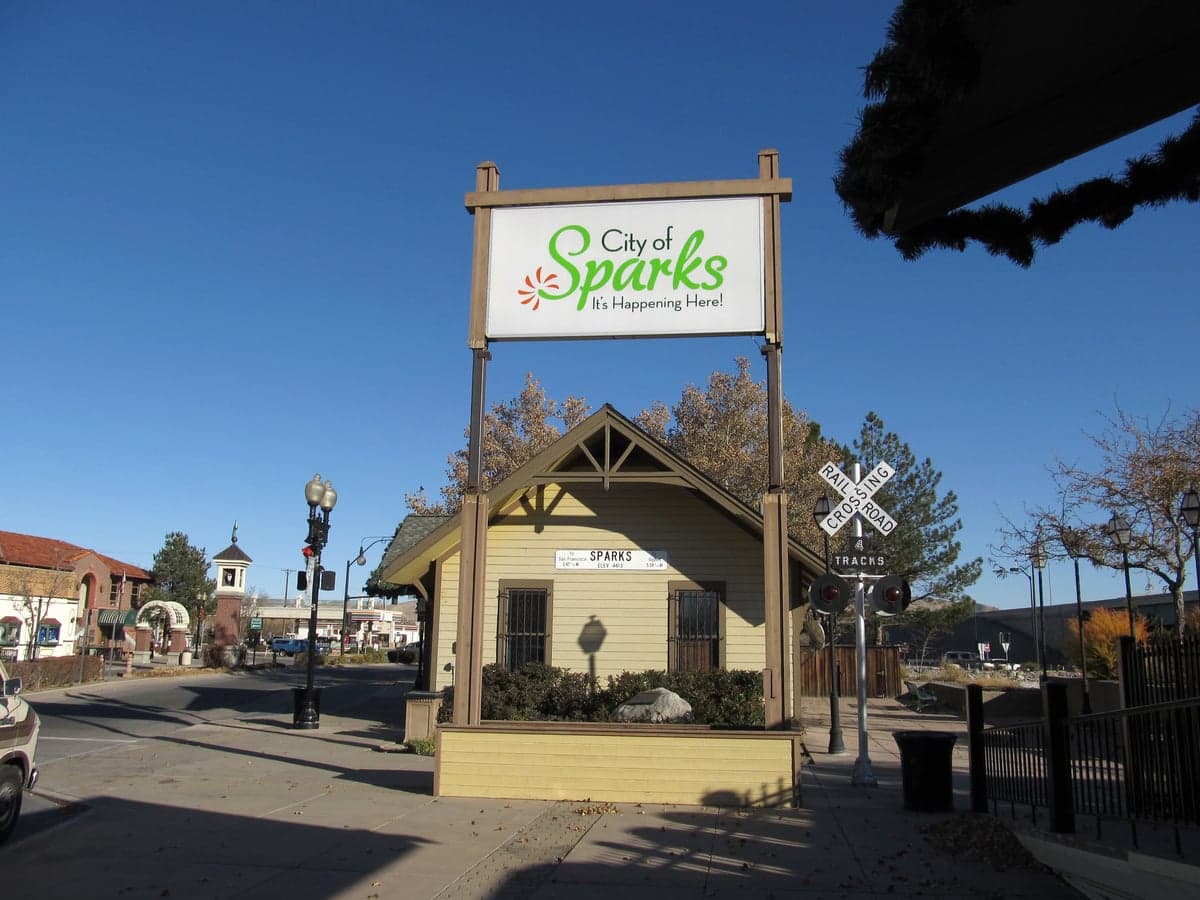
Photo: Wikipedia
Quality of Life in Sparks, NV
A high quality of life with strong walkability, manageable living costs, healthy neighborhood signals, and solid amenity access.
What does Quality of Life tell us?
Quality of Life blends cost of living, nearby amenities, socioeconomic signals, and neighborhood character. City-level scores represent the whole municipality; individual neighborhoods can differ.
What does this tell us?
Quality of Life blends cost of living, nearby amenities, socioeconomic signals, and neighborhood character. City-level scores represent the whole municipality; individual neighborhoods can differ.
Cost of Living
50% above national average
The Real Cost of Living in Sparks, NV for 2026
| Tier | Individual | Family (4) |
|---|---|---|
| Survival | $26k | $50k |
| Comfortable | $87k | $128k |
| Luxury | $127k+ | $197k+ |
| Elite (Top 5%) | $150k+ | $232k+ |
68%
The Area Signal
A metric tracking the socioeconomic signals of the area.
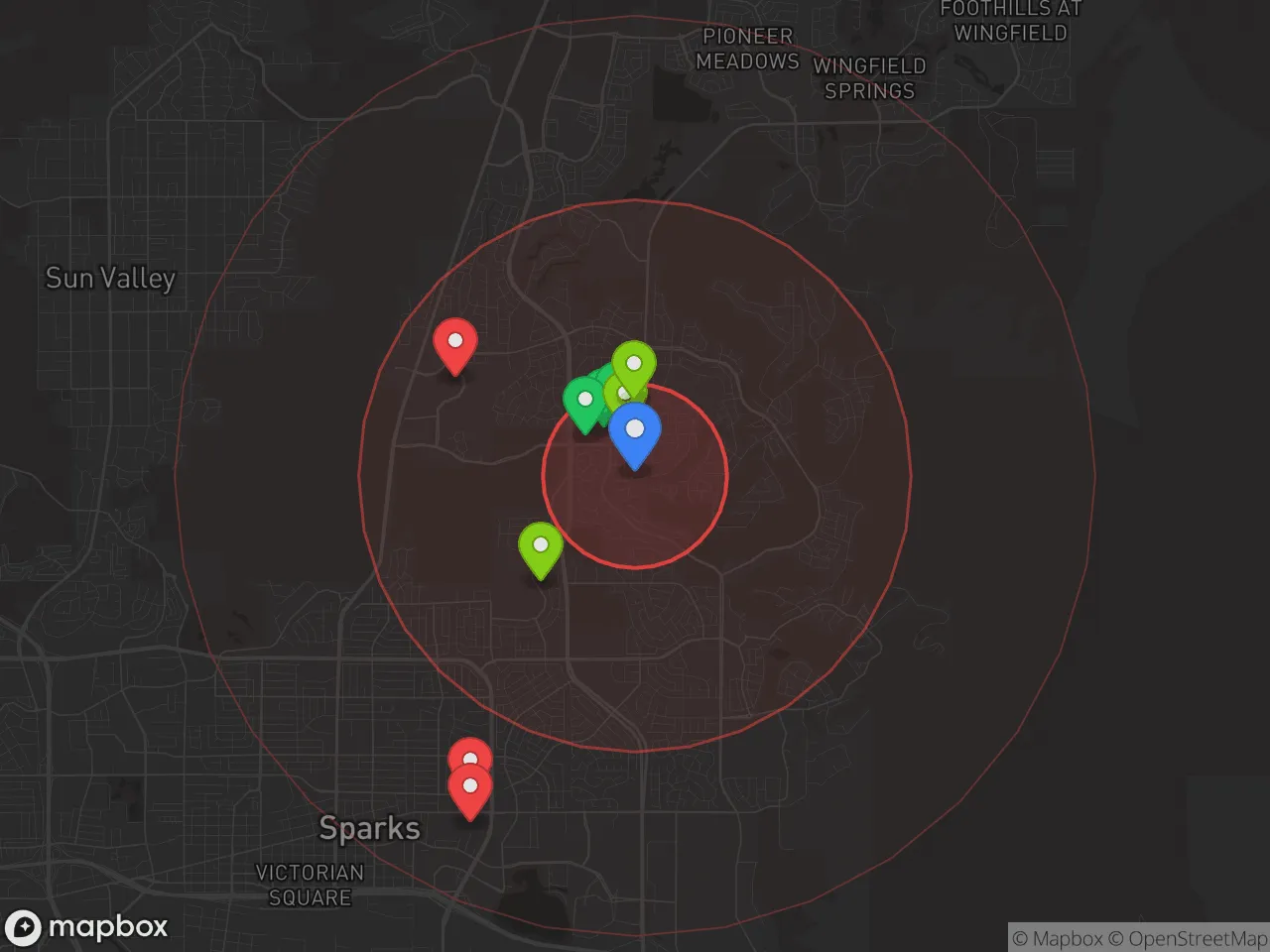
Hobbies
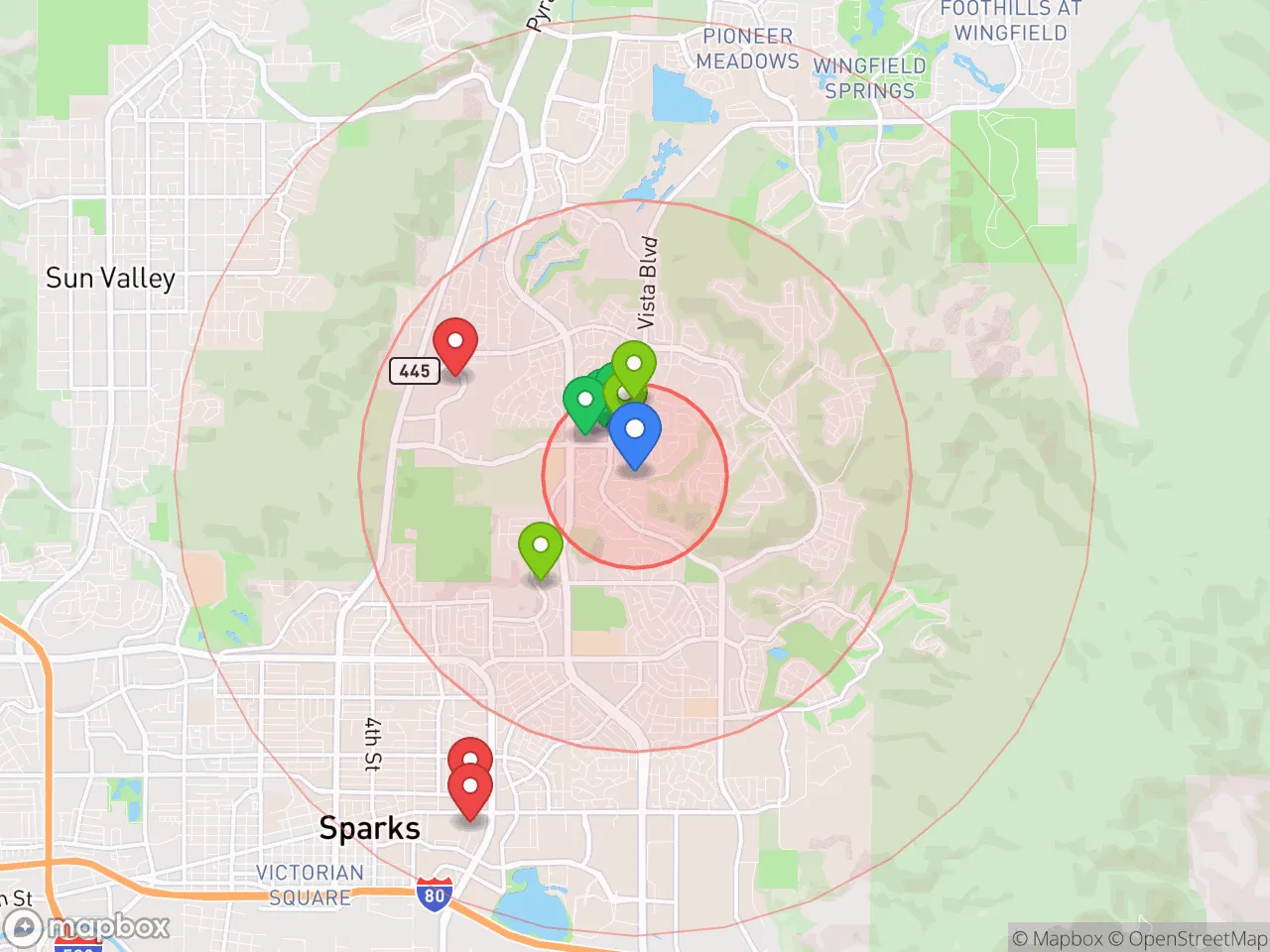
Explore the areaGroceries
9 within 10 miles
Gas
20 within 10 miles
Hospital
18 within 20 miles
Airport
SAN — Oakland San Francisco Bay
Post Office
USPS — Sparks, NV
Critical Amenities
Quality-of-Life Analysis
Sparks, Nevada, presents a quality of life defined by its position as a more affordable, family-oriented counterpart to neighboring Reno, attracting a demographic mix of young professionals, established families, and long-term residents who value proximity to outdoor recreation without sacrificing urban amenities. With a cost of living index of 150—50% above the national average—the city reflects the broader economic pressures of the greater Reno-Sparks metropolitan area, yet remains notably less expensive than Reno proper or the Lake Tahoe basin. The typical resident is a middle-to-upper-middle-income earner, often employed in logistics, manufacturing, or the growing tech sector, drawn by Sparks’ reputation for quieter neighborhoods and a slower daily pace compared to its larger neighbor.
Cost of living, housing affordability, and how Sparks compares to Reno
Housing is the primary driver of Sparks’ elevated cost of living, with a median home value of $455,900 and a median rent of $1,651. While these figures are steep relative to the national median, they represent a meaningful discount of roughly 10–15% compared to Reno, where median home values often exceed $500,000. The average commute of 23.1 minutes is notably shorter than Reno’s average of 26–28 minutes, a practical advantage for those working in Sparks’ industrial corridors along Interstate 80 or at the Tahoe-Reno Industrial Center. For renters, the $1,651 median is about $150–$200 less than comparable units in Reno, making Sparks a pragmatic choice for households seeking more square footage or a yard without crossing into pricier Washoe County suburbs. However, the overall COL index of 150 means that everyday expenses—groceries, utilities, and transportation—are also elevated, so newcomers should budget for a total monthly outlay that is roughly 20–25% higher than the U.S. average.
What daily life is like for families: schools, amenities, and recreation
Daily life in Sparks revolves around a network of well-maintained parks, community centers, and a growing roster of local businesses along Victorian Avenue and the downtown Sparks corridor. The Washoe County School District serves the area, with schools like Spanish Springs High School and Veterans Memorial Elementary earning above-average ratings for academic performance and extracurricular programs. The city’s recreational anchor is the Truckee River Whitewater Park, a popular spot for kayaking, paddleboarding, and riverside walking trails, while the nearby Pyramid Lake and Mount Rose provide weekend escapes for hiking, fishing, and skiing. Grocery and retail options are concentrated along the Sparks Boulevard corridor, with a mix of national chains and local markets, though residents often drive 10–15 minutes to Reno for major shopping destinations like the Meadowood Mall. The rhythm of life is notably less congested than Reno’s downtown core, with lower traffic volumes and a stronger sense of neighborhood identity in areas like the Old Town district and the newer Spanish Springs master-planned community.
Sparks is best suited for households that prioritize space, shorter commutes, and a suburban feel over the nightlife and cultural density of a larger city. Families with school-age children will find the school options and park system adequate, while remote workers and logistics professionals will appreciate the relatively quick access to both Reno-Tahoe International Airport and the industrial job hubs east of the city. Those accustomed to a cost of living near the national average may find the 150 index a stretch, but for buyers and renters priced out of Reno or the Bay Area, Sparks offers a tangible compromise: lower housing costs, a 23-minute average commute, and a daily environment that balances convenience with outdoor access. It is not a budget-friendly relocation, but for those who can absorb the premium, it delivers a stable, family-forward quality of life in one of Nevada’s fastest-growing metros.

Crime in Sparks, NV
Crime rates similar to the national median for U.S. locations.
Violent CrimeViolent Crime Analysis
Property CrimeProperty Crime Analysis
Crime Analysis
Sparks, Nevada, presents a mixed safety profile typical of a mid-sized city adjacent to a major metropolitan hub. With a violent crime rate of 371.5 per 100,000 residents and a property crime rate of 1,977.7 per 100,000, the city's overall crime index is higher than the national average, though it aligns closely with patterns seen across the broader Reno-Sparks metro area. The most significant concern for residents and prospective movers is the influence of progressive criminal justice policies in Washoe County, which includes Sparks, where district attorneys and judges have increasingly adopted sentencing reforms and diversion programs that critics argue prioritize offender rehabilitation over public safety and victim restitution.
Crime in context
Sparks' violent crime rate of 371.5 per 100,000 is roughly 5% higher than the national average of approximately 350 per 100,000, but notably lower than Nevada's statewide rate of about 450 per 100,000. Property crime, however, is a more acute issue: the rate of 1,977.7 per 100,000 is nearly 40% above the national average of roughly 1,400 per 100,000. This disparity is driven largely by theft and vehicle burglaries, which are common in areas with high transient populations and easy interstate access. Compared to Reno, Sparks has historically reported slightly lower violent crime but comparable property crime rates, reflecting its role as a bedroom community with commercial corridors that attract opportunistic offenders.
What residents experience
Daily life in Sparks involves a heightened awareness of property crime, particularly in neighborhoods near Interstate 80 and the Sparks Marina area. Residents commonly report package thefts, car break-ins, and occasional garage burglaries. Violent crime is less frequent but not absent, with incidents concentrated in specific low-income apartment complexes and along the Prater Way corridor. A growing frustration among locals is the perceived leniency of the Washoe County justice system: progressive district attorneys have implemented pre-trial release programs and reduced sentencing for non-violent property offenders, leading to repeat offenders cycling through the system quickly. This approach, while intended to reduce jail overcrowding, has resulted in a visible increase in recidivism for theft and drug-related crimes, eroding trust in public safety institutions.
Neighborhood-level variation
Safety in Sparks varies significantly by neighborhood. The northern areas near Spanish Springs and Wingfield Springs report substantially lower crime rates, with violent crime nearly half the city average and property crime roughly 30% lower. Conversely, the downtown core and areas south of I-80 experience the highest crime densities, particularly around Victorian Square and the industrial zones near the Union Pacific rail yard. Gated communities and newer subdivisions in the northeast tend to have private security patrols, which further suppress crime. Prospective residents should prioritize neighborhoods north of Prater Way and west of Pyramid Way for the best safety outcomes, while exercising caution in older, denser parts of the city where progressive policing policies have had the most visible impact on street-level crime.
* Values derived from national, state, county, city and local statistics and may differ in a specific area. Last updated: 2026-04-23T04:11:06.000Z
Narrative content on this page is AI-generated and may contain mistakes. Verify any details that matter before acting on them.
ReloMaps may earn a commission from affiliate links at no extra cost to you.

