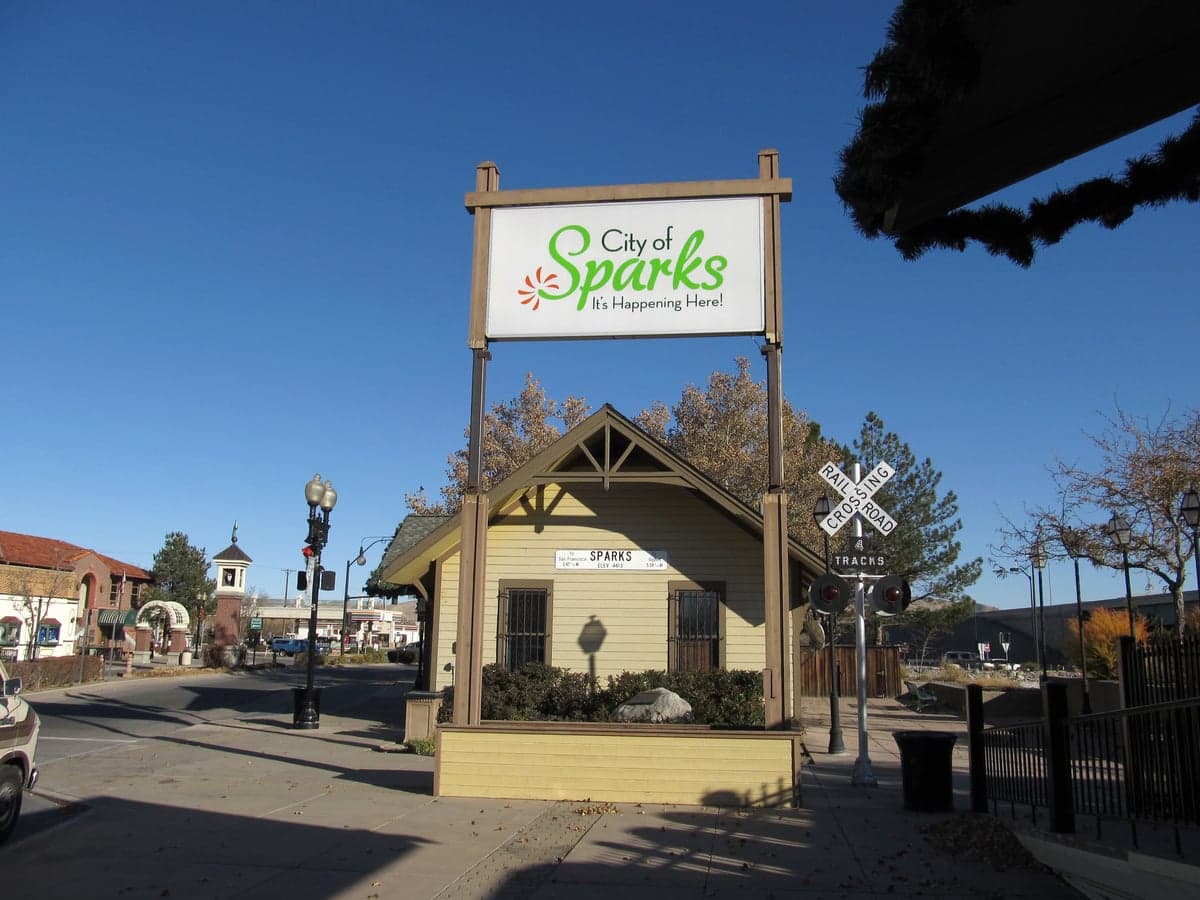
Photo: Wikipedia
Political ClimatePolitical Climate in Sparks, NV
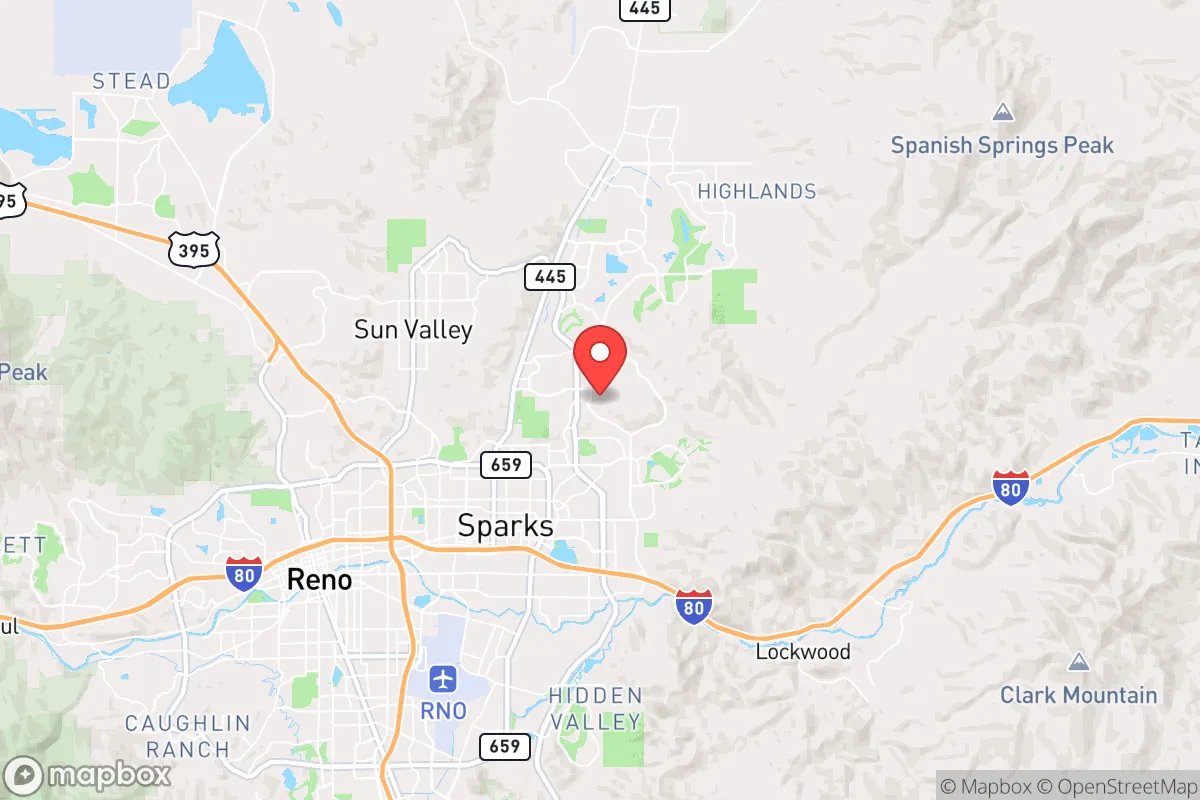
District shown is the primary district for this city’s centroid. Cities may span multiple districts.
Local Political AnalysisPolitical Analysis of Sparks, NV
Sparks, Nevada, has long been a solidly conservative community, and the numbers back that up with a Cook PVI of R+7. But if you've lived here as long as I have, you know the political climate isn't just about a voting index—it's about a way of life that's increasingly under pressure. The city itself leans reliably Republican, but the real story is the cultural and political tug-of-war happening as the Reno-Sparks metro area grows and shifts. While Sparks has historically been the working-class, no-nonsense counterpoint to Reno's more liberal-leaning university and arts scene, that dynamic is changing, and not necessarily for the better if you value limited government and personal freedom.
How it compares
To understand Sparks, you have to look at its neighbors. Directly to the west, Reno has drifted noticeably leftward in recent years, with city council votes and local initiatives increasingly reflecting progressive priorities on housing, policing, and land use. Head south toward Carson City, and you'll find a more moderate, pragmatic conservatism. But Sparks? It's still the place where folks are more likely to wave a Gadsden flag than a rainbow one. That said, the influx of new residents from California and other blue states is slowly diluting the local culture. You see it in small ways—newcomers complaining about the smell of the Mustang Ranch or pushing for more "urban-style" zoning—and in bigger ways, like the quiet erosion of Second Amendment protections at the county level. The contrast with places like Fernley or Fallon, which remain deeply conservative, is stark: Sparks is the front line of the culture war in Washoe County.
What this means for residents
For those of us who've been here a while, the biggest concern is government overreach creeping into daily life. Sparks has historically been a "live and let live" kind of place, but recent city council debates over mask mandates, business restrictions, and even short-term rental regulations have raised eyebrows. The push for more bike lanes and transit-oriented development sounds nice, but it often comes with strings attached—like higher fees for homeowners or stricter rules on property use. The tax burden is still relatively low compared to California, but there's a growing unease that the local government is getting too comfortable telling people what they can and can't do on their own land. If you're a gun owner, you'll still find plenty of support here, but the annual "Sparks Hometown Christmas" parade now has to navigate permit requirements that feel more like a checklist for control than genuine safety measures.
Looking ahead, the trajectory is concerning. The 2024 election showed Sparks holding the line, but the margin is shrinking. Younger voters moving in for tech jobs or the outdoor lifestyle tend to bring big-government ideas with them. The long-time residents I talk to at the local diner or the hardware store are worried that the next decade could see Sparks become another Reno—a place where personal freedoms take a backseat to progressive social engineering. For now, it's still a place where you can buy a house with a decent yard, keep your guns without a registry, and raise your kids without a constant political lecture. But the writing is on the wall: if you value limited government and individual rights, you'd better pay attention to every city council meeting and school board election. The fight for Sparks' soul is just getting started.

State Political ClimatePolitical Climate in Nevada
State Political AnalysisPolitical Environment in the State
Nevada has long been the ultimate political swing state, but over the last 10-20 years, it’s shifted from a purple battleground to a state that leans blue at the state level, driven almost entirely by the massive population growth in Clark County (Las Vegas) and the influx of out-of-state transplants. The state’s overall partisan lean is now a narrow Democratic tilt in statewide races, but the coalition is fragile: the rural counties are deeply red, and the suburban exurbs are increasingly competitive. The trajectory has been a slow, steady march leftward since the early 2000s, but there are real signs that the pendulum could swing back if in-migration patterns change.
Urban vs. rural divide
The political map of Nevada is a tale of two worlds. Clark County, home to Las Vegas and about 73% of the state’s population, is the Democratic engine. The Las Vegas Strip unions, particularly the Culinary Workers Union, have enormous political muscle, and the city’s diverse, transient population leans reliably blue. Reno and Washoe County are the true battleground—once a Republican stronghold, it’s now a purple county that often decides statewide races. The rural counties—Elko, Nye, Lander, and White Pine—are among the most conservative in the West, voting 70-80% Republican. But they’re so sparsely populated that their votes are easily swamped by Clark County. The real story is in the exurbs: Henderson and North Las Vegas have seen explosive growth, and while Henderson was once a GOP suburb, it’s now a toss-up. Mesquite, a retirement community on the Utah border, leans red but is seeing an influx of blue-leaning retirees from California. The divide isn’t just urban vs. rural—it’s the Strip vs. everything else.
Policy environment
Nevada’s policy environment is a mixed bag that will frustrate conservatives. On the plus side, there’s no state income tax, which is a massive draw for businesses and individuals. Property taxes are relatively low, and the state has a right-to-work law. But the regulatory posture is increasingly progressive. The state has a universal mail-in voting system (enacted permanently in 2021 via AB 321), which conservatives view as ripe for fraud and a threat to election integrity. Education policy is a disaster: Nevada consistently ranks near the bottom nationally in K-12 outcomes, and the teachers’ union is powerful. The state has a weak school choice program (Education Savings Accounts were gutted in court). Healthcare is dominated by a few large systems, and the state expanded Medicaid under Obamacare. On the social front, Nevada has some of the loosest gambling and alcohol laws in the nation, but it also has strong anti-discrimination protections for LGBTQ+ individuals. The tax structure is heavily reliant on sales and gaming taxes, which makes it volatile during economic downturns.
Trajectory & freedom
On the freedom scale, Nevada is a paradox. Fiscal freedom is high—no income tax, low property taxes—but personal and regulatory freedom is eroding. The most concerning trend for conservatives is the erosion of Second Amendment rights. In 2023, the legislature passed SB 171, which raised the age to purchase semi-automatic rifles from 18 to 21, and AB 354, which banned so-called “ghost guns.” These were signed by Governor Joe Lombardo, a Republican, who caved to pressure from the Democratic majority. Parental rights took a hit with the passage of AB 195 in 2023, which expanded “affirmative consent” sex education and removed parental opt-out provisions for certain materials. Medical autonomy is also under threat: the state has legalized recreational marijuana, but the medical system is heavily regulated. Property rights are generally strong, but the state has a history of water rights disputes, and the federal government owns about 85% of the land, which limits development. The trajectory is clear: Nevada is becoming less free on social and gun issues, even as it remains a tax haven.
Civil unrest & political movements
Nevada has seen its share of political flashpoints. The 2020 election was a circus, with Clark County’s mail-in ballot processing taking days and sparking widespread allegations of irregularities. The “Stop the Steal” movement had a strong presence in rural counties like Nye and Elko, and there were armed protests outside the state capitol in Carson City. On the left, the Culinary Workers Union is a powerful force that can shut down the Strip with a strike, and they’ve been active in pushing for sanctuary city policies. Las Vegas itself has seen periodic protests over police brutality and immigration. The state has a sanctuary law (AB 261 in 2019) that limits local law enforcement cooperation with federal immigration authorities, which is a major concern for conservatives. There’s also a growing secessionist movement in rural counties—the “State of Jefferson” idea has some traction in places like Elko, where residents feel ignored by Carson City and Las Vegas. Election integrity remains a hot-button issue, with many conservatives convinced that the universal mail-in system is broken.
Projection
Over the next 5-10 years, Nevada is likely to continue its slow leftward drift, but it’s not a done deal. The state’s economy is heavily dependent on tourism and construction, both of which are vulnerable to recessions. If California’s exodus slows or reverses, the in-migration of blue voters could stall. The key battleground will be Washoe County (Reno) and the exurbs of Clark County. If Republicans can win back suburban voters in Henderson and North Las Vegas, they could flip the state. But the demographic trends are against them: the state is becoming more diverse, younger, and more transient, all of which favor Democrats. The wild card is the housing crisis—if affordability continues to deteriorate, it could drive out the very voters who make the state blue. For a conservative moving in now, expect to see continued fights over election laws, gun rights, and education. The state will likely remain a tax haven, but social and regulatory freedom will continue to erode.
For a new resident, the bottom line is this: Nevada offers genuine financial freedom with no income tax and low property taxes, but you’ll be living in a state where the political culture is increasingly hostile to conservative values on guns, education, and election integrity. If you’re moving to a rural county like Elko or Nye, you’ll find a like-minded community. If you’re moving to Las Vegas or Reno, you’ll be in a blue bubble. The state is a trade-off—you get to keep more of your money, but you’ll have to fight to keep your rights. It’s not Texas or Florida, but it’s also not California. Yet.
* Values derived from national, state, county, city and local statistics and may differ in a specific area. Last updated: 2026-04-23T04:11:06.000Z
Narrative content on this page is AI-generated and may contain mistakes. Verify any details that matter before acting on them.
ReloMaps may earn a commission from affiliate links at no extra cost to you.

