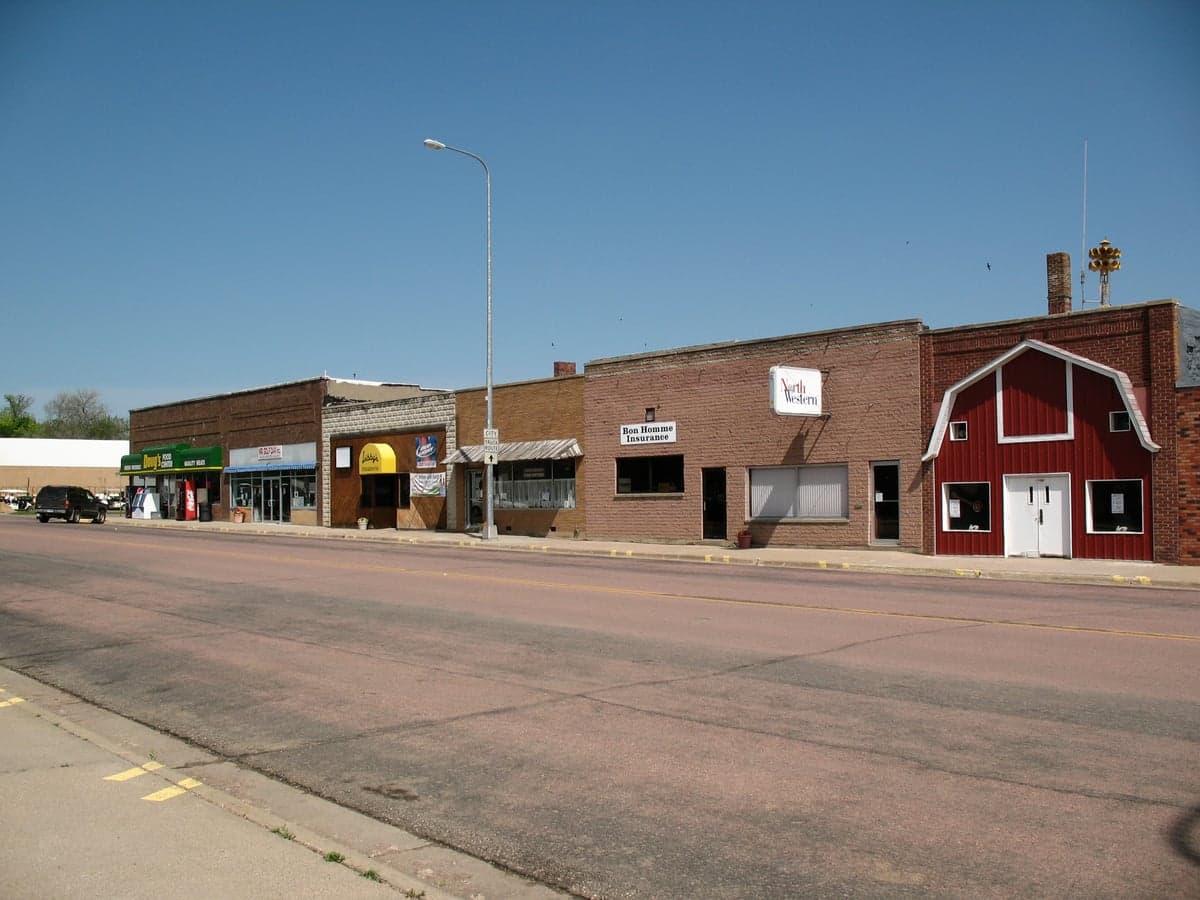
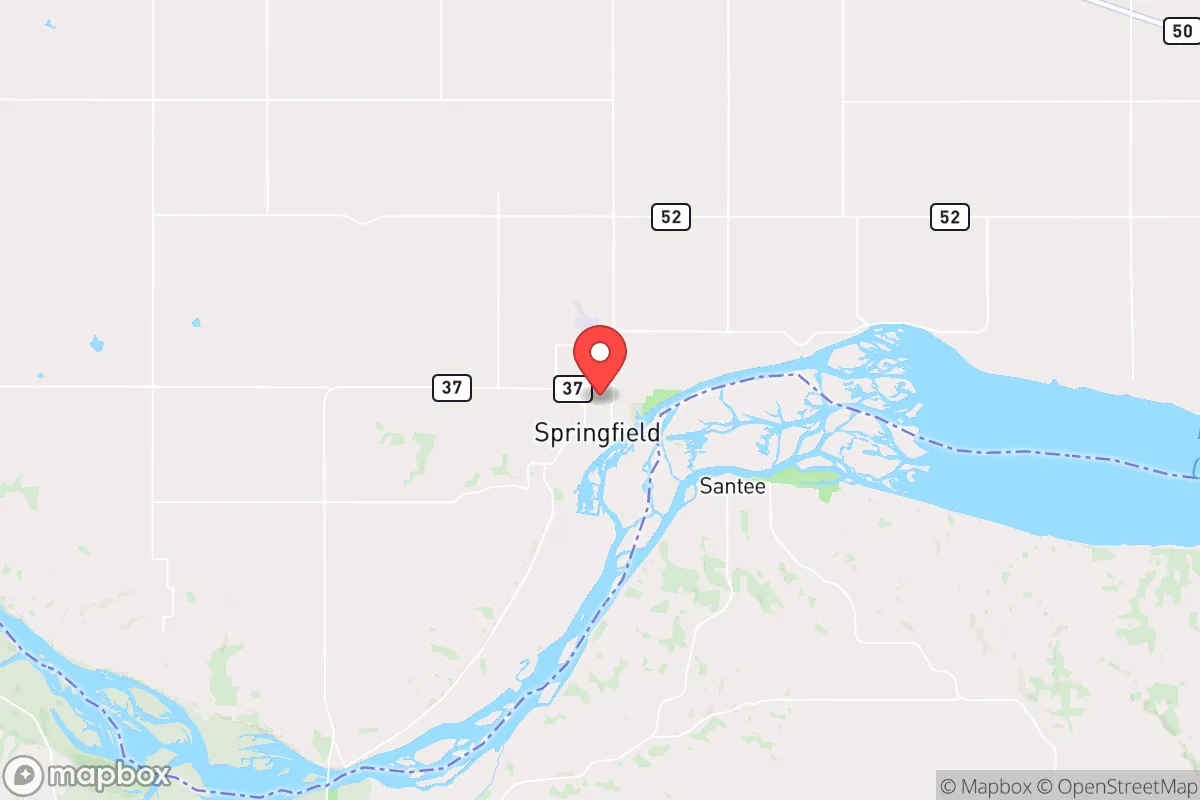
Photo: Wikipedia
Quality of Life in Springfield, SD
A high quality of life with strong walkability, manageable living costs, healthy neighborhood signals, and solid amenity access.
What does Quality of Life tell us?
Quality of Life blends cost of living, nearby amenities, socioeconomic signals, and neighborhood character. City-level scores represent the whole municipality; individual neighborhoods can differ.
What does this tell us?
Quality of Life blends cost of living, nearby amenities, socioeconomic signals, and neighborhood character. City-level scores represent the whole municipality; individual neighborhoods can differ.
Cost of Living
41% below national average
The Real Cost of Living in Springfield, SD for 2026
| Tier | Individual | Family (4) |
|---|---|---|
| Survival | $13k | $24k |
| Comfortable | $25k | $36k |
| Luxury | $80k+ | $124k+ |
| Elite (Top 5%) | $94k+ | $146k+ |
163%
The Area Signal
A metric tracking the socioeconomic signals of the area.
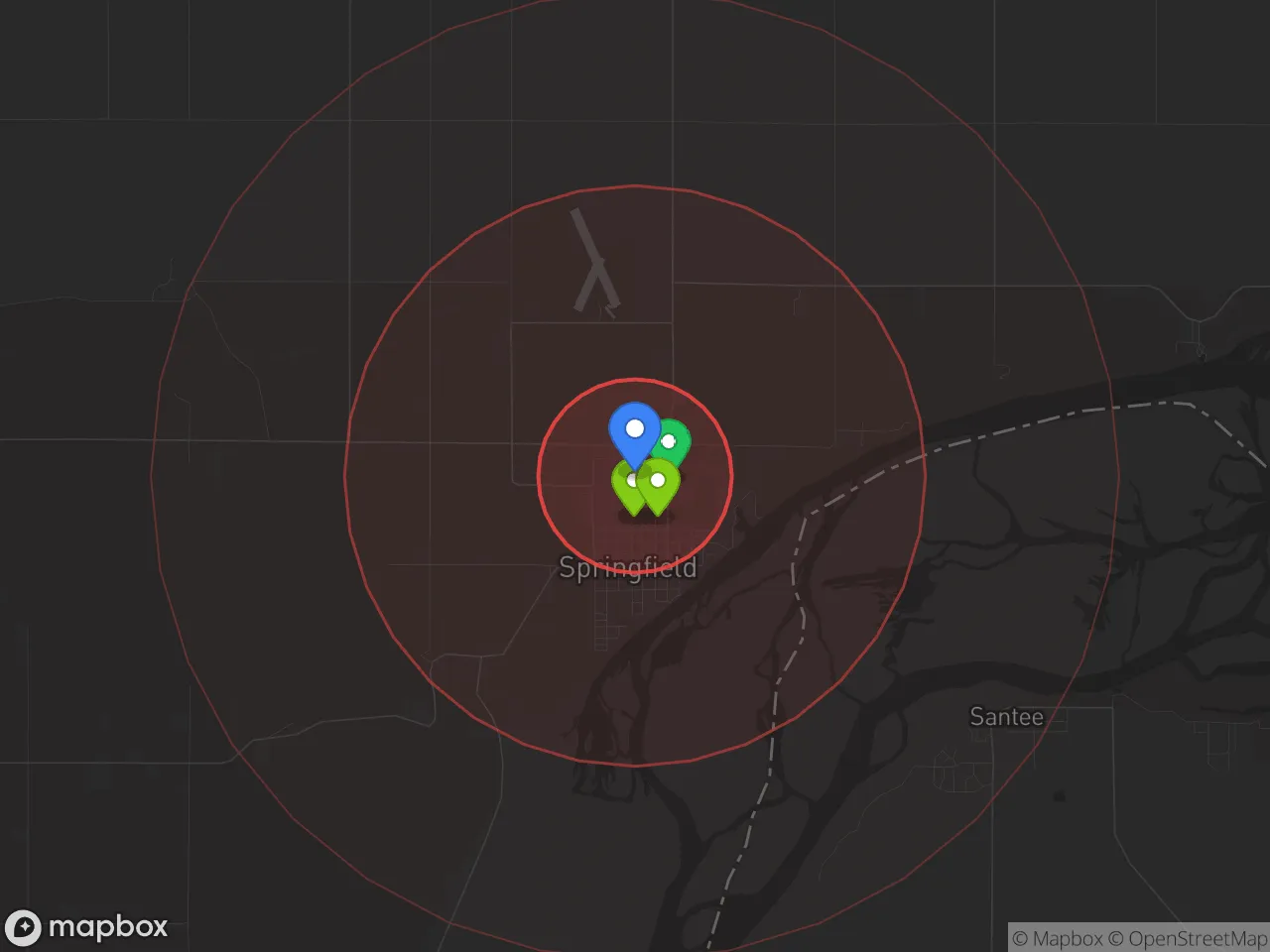
Limited data for this area
Limited data for this area
Hobbies
Explore the areaGroceries
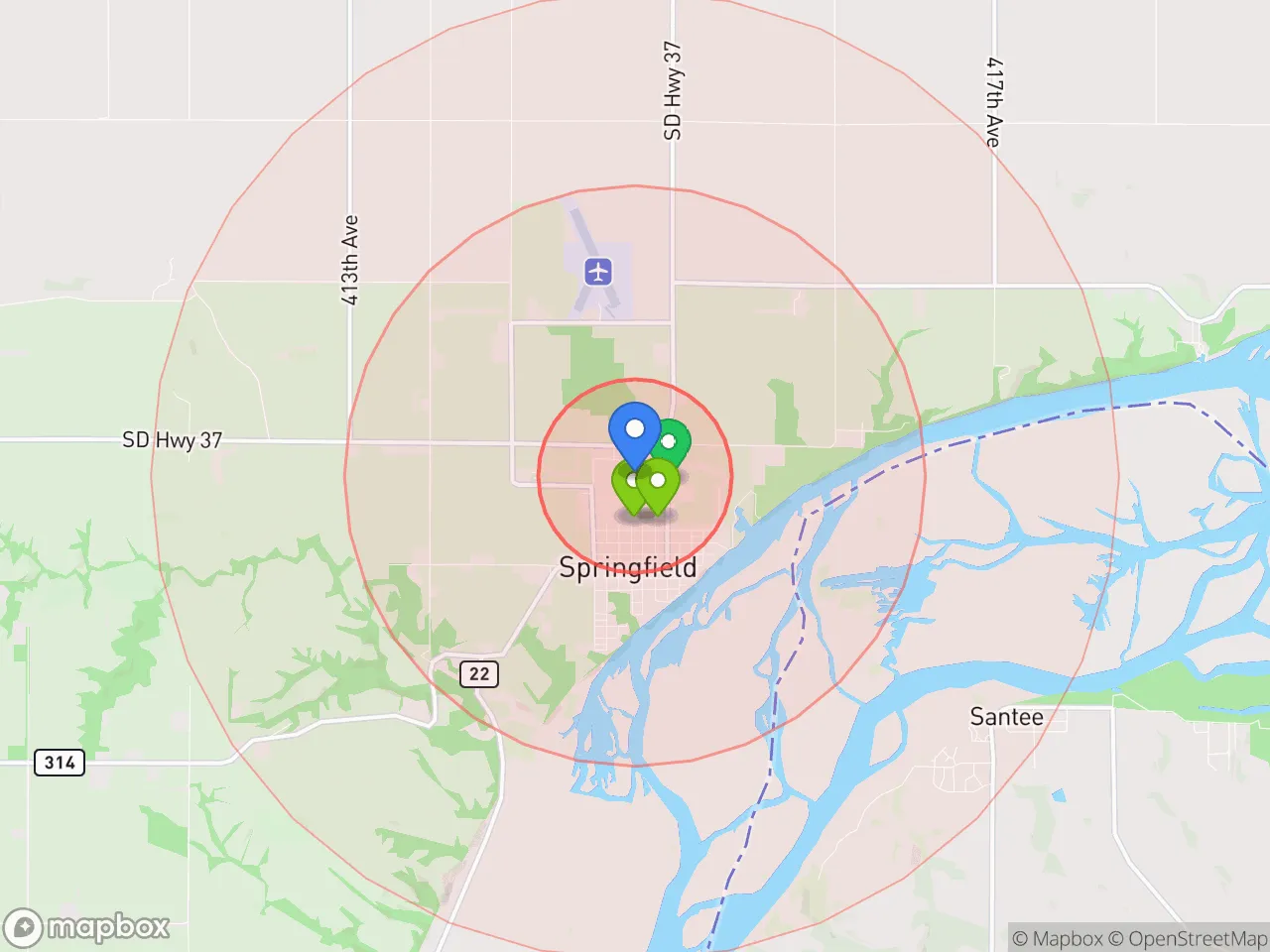
0 within 10 miles
Gas
1 within 10 miles
Hospital
1 within 20 miles
Airport
MCI — Kansas City International
Post Office
USPS — Springfield, SD
Critical Amenities
Quality-of-Life Analysis
Springfield, South Dakota, offers a distinctly affordable quality of life that stands out even within the state’s generally low-cost environment, with a cost of living index of 59—41% below the national average. The community is predominantly composed of working-class families, agricultural professionals, and retirees drawn by the area’s quiet pace and economic stability. Median home values sit at $126,800, and median rent is just $802, making homeownership accessible for first-time buyers and long-term residents alike. The average commute of roughly 18 minutes underscores the town’s compact, low-stress daily rhythm, a sharp contrast to the congestion found in larger regional hubs like Sioux Falls or Omaha.
Cost of living, housing affordability, and how Springfield compares to nearby towns
Springfield’s cost of living index of 59 places it among the most affordable small towns in southeastern South Dakota, significantly cheaper than the state average of roughly 88 and far below the national baseline of 100. The median home value of $126,800 is roughly half the U.S. median, and with median rent at $802, monthly housing costs are manageable even for households earning near the area’s median income. Compared to nearby Yankton (about 25 miles north), where median home values hover around $175,000, Springfield offers a clear price advantage for buyers. Property taxes in Bon Homme County remain low relative to national norms, further stretching household budgets. The short 18-minute average commute means residents spend less on fuel and vehicle wear, freeing up income for savings or local spending.
Local amenities, schools, and what daily life feels like in Springfield
Daily life in Springfield centers on the Missouri River corridor, with the nearby Lewis and Clark Lake and Springfield State Recreation Area providing year-round outdoor recreation—boating, fishing, and hiking are within a 10-minute drive. The Bon Homme School District serves the area with a single K-12 campus, maintaining small class sizes that appeal to families seeking personalized education. Retail and dining options are limited to local groceries, a hardware store, and a handful of family-run restaurants; for major shopping or specialized healthcare, residents typically drive 25 minutes to Yankton or 90 minutes to Sioux Falls. The town’s social rhythm is defined by community events at the Springfield Community Center, church gatherings, and high school sports, which serve as the primary social anchors. Cell service and broadband are adequate but not cutting-edge, with fiber optic availability still patchy in outlying areas.
Who will thrive in Springfield’s environment
Springfield is best suited for those who prioritize low housing costs, short commutes, and a tight-knit rural community over urban amenities and career diversity. Retirees on fixed incomes will find the $802 median rent and low property taxes especially attractive, while remote workers with stable internet can leverage the 18-minute commute to enjoy a riverfront lifestyle without a long drive. Families seeking a safe, slow-paced environment with affordable homeownership will appreciate the school district’s small scale and the abundance of outdoor recreation. Conversely, professionals in specialized fields, those seeking nightlife or diverse dining, and households requiring advanced medical facilities may find the town’s limited services and distance from larger cities a constraint. For the right resident, Springfield delivers a high quality of life measured by financial freedom and natural access rather than urban convenience.

Crime in Springfield, SD
Generally safer than 61% of comparable U.S. locations.
Violent CrimeViolent Crime Analysis
Property CrimeProperty Crime Analysis
Crime Analysis
Springfield, South Dakota, presents a crime profile that is notably higher than the national average, with a violent crime rate of 293.3 per 100,000 residents and a property crime rate of 1,280.6 per 100,000. These figures place the city in a category where safety is a significant concern for potential residents, particularly when compared to the safer rural communities that surround it. The data suggests that while Springfield is not among the most dangerous cities in the state, its crime rates are elevated enough to warrant careful consideration, especially for families and individuals prioritizing security.
Crime in context
Springfield's violent crime rate of 293.3 per 100,000 is roughly 20% higher than the national average of approximately 245 per 100,000, and significantly above the South Dakota state average of about 270 per 100,000. Property crime in Springfield, at 1,280.6 per 100,000, is nearly 30% higher than the national average of roughly 1,000 per 100,000 and well above the state average of around 1,100 per 100,000. These comparisons indicate that Springfield is a higher-crime outlier within its own state, a pattern often associated with small cities that are part of or near larger metropolitan areas. The presence of progressive judicial policies in such metro regions can contribute to higher recidivism and a greater number of offenders on the street, directly impacting community safety.
What residents experience
For those living in Springfield, the elevated crime rates translate into a tangible sense of risk. The property crime rate, in particular, means that residents face a roughly 1-in-78 chance of experiencing a property crime each year, including burglary, theft, and motor vehicle theft. Violent crime, while less common, still presents a 1-in-341 annual risk of being a victim of assault, robbery, or worse. These odds are not alarmingly high, but they are consistently above what is typical for a community of Springfield's size. Daily life may involve taking extra precautions, such as securing vehicles, installing home security systems, and avoiding certain areas after dark. The local police department is active, but the underlying crime drivers—often linked to economic factors and, in some cases, lenient sentencing from progressive prosecutors—remain a challenge.
Neighborhood-level variation
Crime in Springfield is not uniformly distributed. The downtown core and areas near the Missouri River tend to see higher concentrations of both property and violent incidents, while the residential neighborhoods on the city's outskirts, particularly those closer to the Yankton County line, generally report lower crime rates. Neighborhoods east of Highway 37 are often considered safer, with fewer reported incidents per capita. However, the overall citywide rates mean that no area is entirely insulated from the effects of the region's crime trends. Prospective residents are advised to consult local crime maps and speak with current residents about specific blocks, as the variation can be significant even within a few streets. The influence of nearby larger metro areas, with their more progressive justice systems, can also create spillover effects that impact Springfield's safety landscape.
* Values derived from national, state, county, city and local statistics and may differ in a specific area. Last updated: 2026-05-01T05:54:21.000Z
Narrative content on this page is AI-generated and may contain mistakes. Verify any details that matter before acting on them.
ReloMaps may earn a commission from affiliate links at no extra cost to you.

