Photo: Wikipedia
Quality of Life in St Charles, MO
A high quality of life with strong walkability, manageable living costs, healthy neighborhood signals, and solid amenity access.
What does Quality of Life tell us?
Quality of Life blends cost of living, nearby amenities, socioeconomic signals, and neighborhood character. City-level scores represent the whole municipality; individual neighborhoods can differ.
What does this tell us?
Quality of Life blends cost of living, nearby amenities, socioeconomic signals, and neighborhood character. City-level scores represent the whole municipality; individual neighborhoods can differ.
Cost of Living
1% above national average
The Real Cost of Living in St Charles, MO for 2026
| Tier | Individual | Family (4) |
|---|---|---|
| Survival | $19k | $36k |
| Comfortable | $55k | $80k |
| Luxury | $150k+ | $232k+ |
| Elite (Top 5%) | $176k+ | $273k+ |
107%
The Area Signal
A metric tracking the socioeconomic signals of the area.
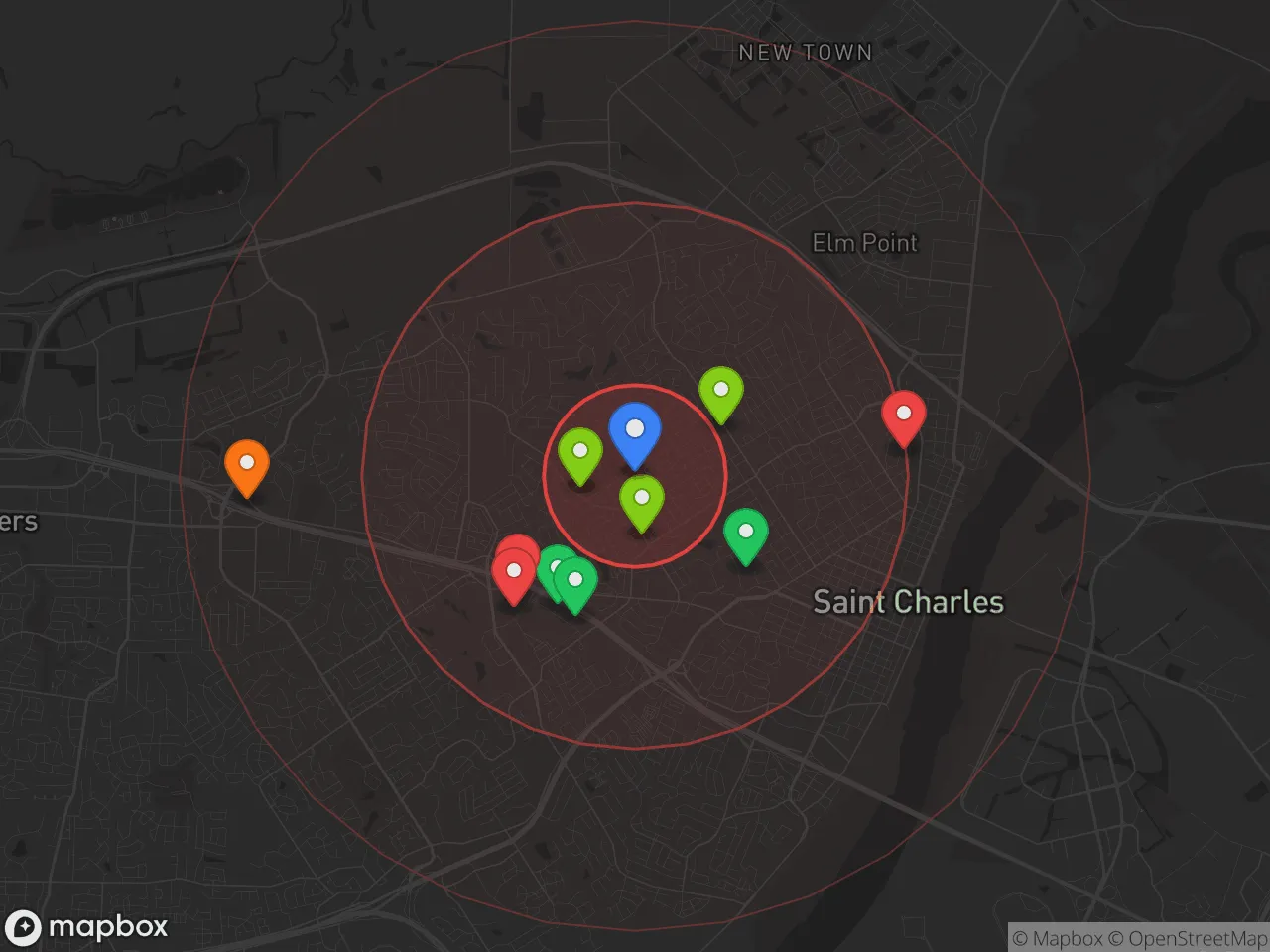
Hobbies
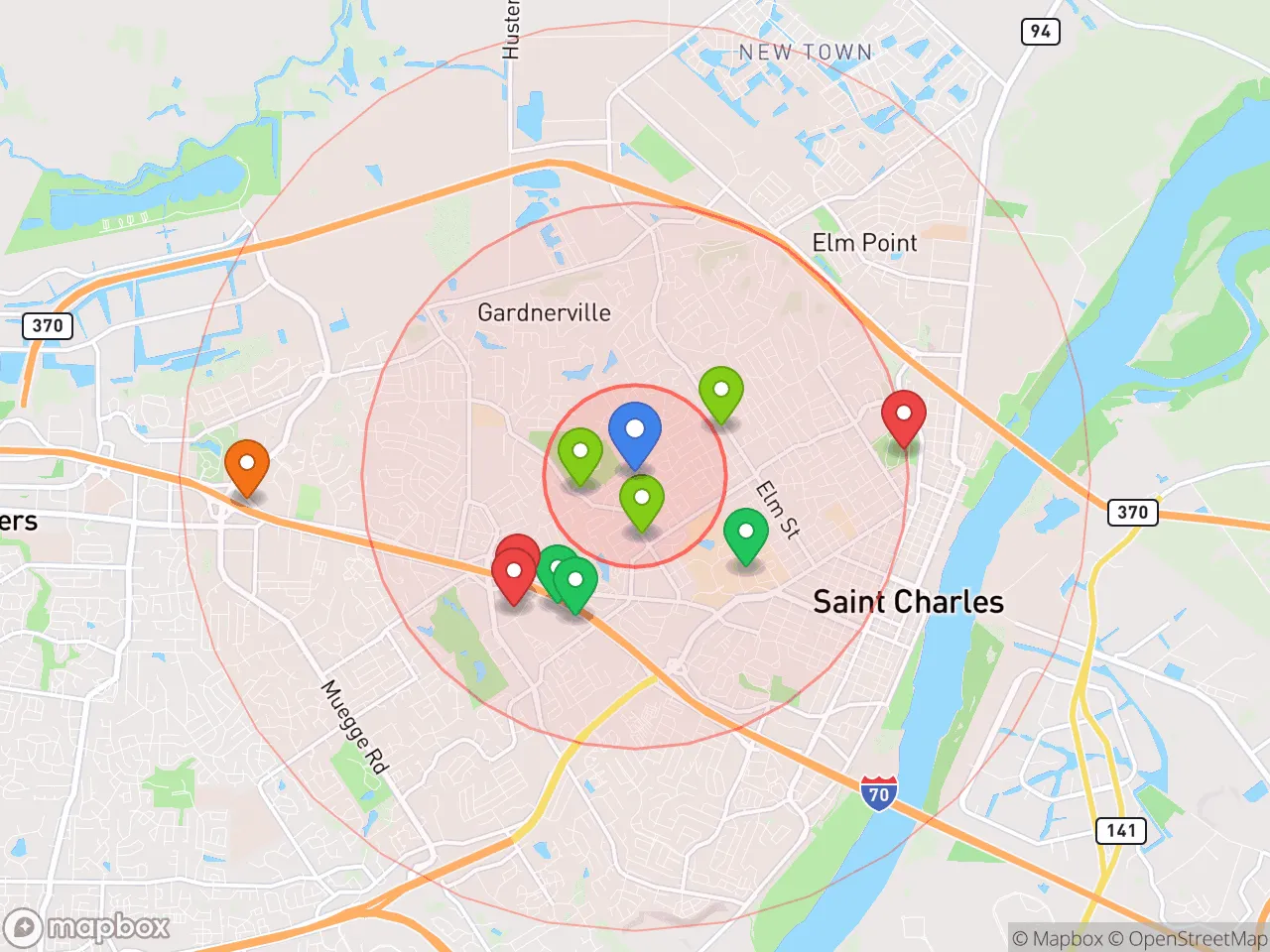
Explore the areaGroceries
5 within 10 miles
Gas
20 within 10 miles
Hospital
20 within 20 miles
Airport
MCI — Kansas City International
Post Office
USPS — Saint Charles, MO
Critical Amenities
Quality-of-Life Analysis
St. Charles, Missouri, presents a quality of life defined by solid middle-to-upper-middle-class stability, attracting a mix of young families, established professionals, and retirees who prioritize strong schools and a slower pace than nearby St. Louis. With a cost of living index of 101—essentially on par with the national average—residents enjoy a balance of affordability and access to metropolitan amenities. The city’s median home value of $280,800 and median rent of $1,186 reflect a housing market that is notably more accessible than the pricier suburbs to the west, yet slightly above the broader St. Louis metro average, making it a competitive choice for those seeking value without sacrificing convenience.
Cost of living, housing affordability, and how St. Charles compares to nearby areas
St. Charles’s cost of living sits just 1% above the U.S. average, a figure that masks significant housing advantages when stacked against neighboring communities like Chesterfield or Clayton. The median home value of $280,800 is roughly 15-20% lower than in those affluent western suburbs, while the median rent of $1,186 undercuts the metro-wide average by about 5%. For context, a household earning the area’s median income of approximately $75,000 can comfortably afford a mortgage on a typical home, with monthly payments often falling below 28% of gross income. The average commute of just under 22 minutes—shorter than the national average of 27 minutes—further reduces daily transportation costs, as most residents work within St. Charles County or commute east to St. Louis City via Interstate 70 or Highway 364. Property taxes remain moderate, with an effective rate around 1.1%, though buyers should note that newer subdivisions in the city’s western edge carry slightly higher HOA fees that can offset savings.
Amenities, schools, and what daily life is like for families and professionals
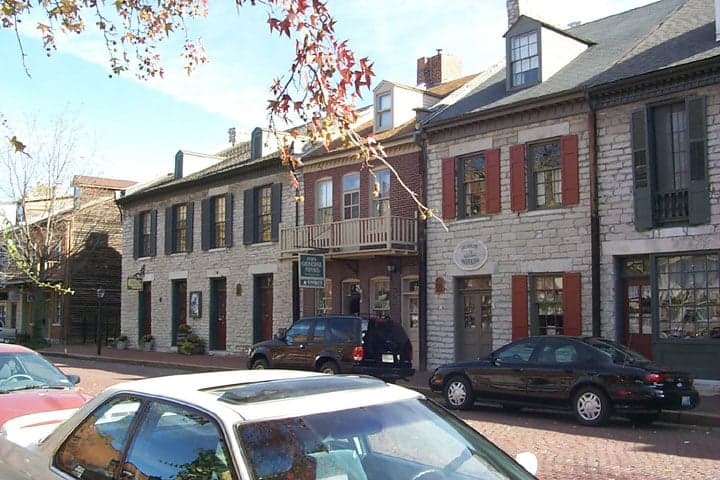
Daily life in St. Charles revolves around a walkable historic Main Street district, which hosts seasonal festivals, farmers markets, and a steady stream of boutique shopping and dining. The city’s public schools, part of the Francis Howell School District and the St. Charles School District, consistently earn above-average ratings from GreatSchools, with several elementary schools scoring 8 or 9 out of 10. For recreation, the 1,300-acre Busch Wildlife Area and the Katy Trail provide extensive hiking and biking options, while the Family Arena and Lindenwood University contribute cultural and sporting events. The average commute of 21.7 minutes means most residents can reach downtown St. Louis in under 30 minutes, yet the city maintains a distinct suburban identity with low crime rates—violent crime is roughly 40% below the national average—and a strong sense of community anchored by neighborhood associations and local sports leagues. Retail needs are met by the St. Louis Premium Outlets and the Streets of St. Charles, a mixed-use development that adds dining and entertainment options without the congestion of larger malls.
St. Charles is best suited for families seeking top-rated schools and a safe, amenity-rich environment, as well as professionals who want a short commute to St. Louis without paying premium suburban prices. Retirees also find appeal in the city’s walkable historic core and access to healthcare via SSM Health St. Joseph Hospital. However, those seeking a vibrant nightlife or ultra-dense urban experience may find the pace too quiet, and the lack of a major rail transit connection means car ownership is essential. Overall, St. Charles offers a pragmatic, high-quality lifestyle where housing affordability, strong schools, and manageable commutes converge—a combination that consistently places it among the most desirable suburbs in the St. Louis region.

Crime in St Charles, MO
Higher crime rates than 57% of comparable U.S. locations.
Violent CrimeViolent Crime Analysis
Property CrimeProperty Crime Analysis
Crime Analysis
St. Charles, Missouri, presents a mixed safety profile for potential residents. The city’s violent crime rate of 413.1 incidents per 100,000 residents is notably higher than the national average, while its property crime rate of 1,644.4 per 100,000 also exceeds typical benchmarks. As a suburban community within the St. Louis metropolitan area, the city’s crime statistics are influenced by regional trends, including policies from progressive prosecutors in St. Louis County and the City of St. Louis that critics argue prioritize offender rehabilitation over public safety.
Crime in context
St. Charles’s violent crime rate is roughly 18% higher than the national average and significantly above the Missouri state average of approximately 540 per 100,000. Property crime in St. Charles is about 15% above the national rate, though it remains lower than in the core of the St. Louis metro area. The city’s proximity to St. Louis—where a progressive district attorney has implemented policies like reduced cash bail and declined to prosecute certain low-level offenses—means that regional criminal activity can spill over into St. Charles. Residents should be aware that the broader metro area’s lenient justice system, focused on reducing incarceration rather than deterring crime, contributes to a higher likelihood of repeat offenses and property crimes like theft and vehicle break-ins.
What residents experience
Daily life in St. Charles involves a tangible awareness of property crime. Residents commonly report incidents of package theft, car break-ins, and occasional burglaries, particularly in areas near major highways like I-70 and I-64. Violent crime, while less frequent, includes aggravated assault and robbery, often concentrated in specific commercial corridors and apartment complexes. The city’s police department maintains a visible presence, but the effectiveness of enforcement is undercut by regional judicial policies that release offenders quickly. For families, this means taking extra precautions: securing vehicles, using home security systems, and avoiding certain areas after dark. The perception of safety varies widely, with many long-term residents noting a decline in orderliness over the past decade as regional progressive policies have taken hold.
Neighborhood-level safety in St. Charles is not uniform. The historic Main Street district and newer developments near the Missouri River tend to have lower crime rates, while areas around the St. Charles Mall, along Zumbehl Road, and near the intersection of I-70 and Fifth Street report higher incident numbers. The city’s eastern edge, closer to the St. Louis city line, sees more spillover crime than the western suburbs like Cottleville or Weldon Spring. Prospective residents should examine block-level crime maps and consider that the city’s overall statistics mask significant variation—a pattern common in metro areas where progressive justice policies create uneven safety outcomes.
* Values derived from national, state, county, city and local statistics and may differ in a specific area. Last updated: 2026-04-30T02:24:07.000Z
Narrative content on this page is AI-generated and may contain mistakes. Verify any details that matter before acting on them.
ReloMaps may earn a commission from affiliate links at no extra cost to you.

