Photo: Wikipedia
Political ClimatePolitical Climate in St Charles, MO
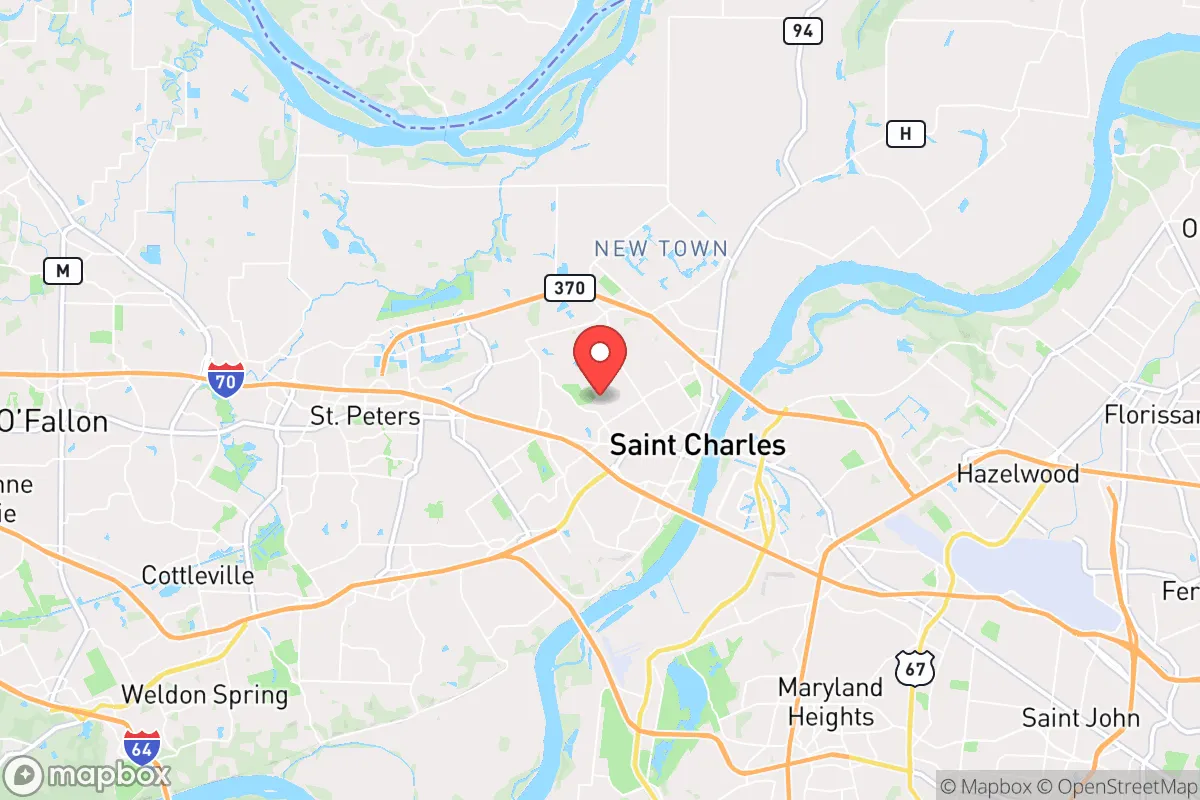
District shown is the primary district for this city’s centroid. Cities may span multiple districts.
Local Political AnalysisPolitical Analysis of St Charles, MO
St. Charles, Missouri, has long been a solidly conservative stronghold, and that hasn’t changed much despite the national shifts you see in places like St. Louis City or even nearby Clayton. The Cook PVI sits at R+13, which tells you the district leans about 13 points more Republican than the country as a whole. That’s not just a number—it’s a reflection of how folks around here vote, think, and live. If you look at election results over the last decade, St. Charles County has consistently gone red, with margins that have actually widened in some races since 2020. The trajectory is pretty stable: this area isn’t flipping blue anytime soon, and the local culture reinforces that every day.
How it compares
Drive 20 minutes east into St. Louis City, and you’re in a completely different world—politically, culturally, and in terms of how much government touches your daily life. St. Charles County, by contrast, feels like a place where people still value local control and personal responsibility. Compare it to neighboring St. Louis County, which has seen a steady march toward progressive policies on taxes, zoning, and even policing, and the difference is stark. Even within the metro area, towns like Florissant or University City lean much further left. St. Charles itself, along with suburbs like Wentzville and O’Fallon, holds the line. The contrast isn’t subtle—it’s the kind of thing you notice when you see how the county handles things like school board elections, mask mandates, or property rights. The surrounding rural areas, like Warren County, are even more conservative, but St. Charles is the anchor that keeps the region from drifting too far left.
What this means for residents
For someone living here, the political climate means fewer headaches from overreach. You’re not dealing with the kind of zoning battles or tax hikes that pop up in more progressive jurisdictions. The county government tends to take a hands-off approach to business and personal freedoms—whether that’s how you run your small shop or what you do on your own property. That said, there’s been a slow creep of progressive ideas into local school boards and city councils over the last few years, especially around issues like diversity initiatives or environmental regulations. It’s not a takeover, but it’s something to keep an eye on. Long-term, the concern is that as St. Louis City’s influence grows—through regional transit boards or state-level funding fights—some of that progressive energy could spill over. For now, though, residents enjoy a place where the government mostly stays out of the way, and that’s a big reason people move here from places like California or Illinois.
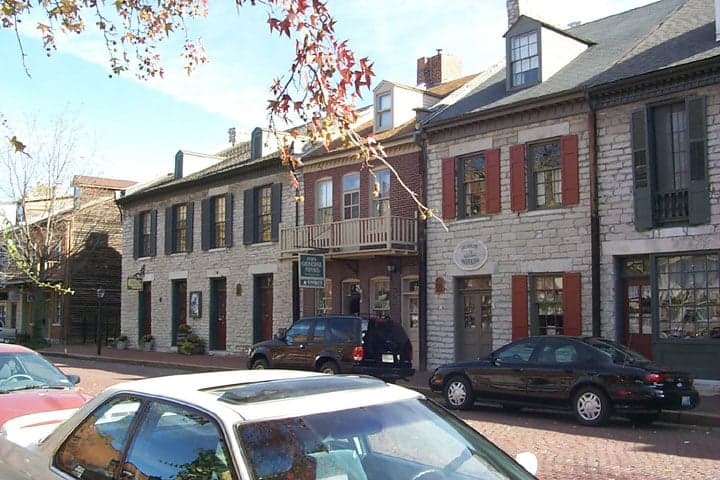
Culturally, St. Charles still holds onto a few distinctions that set it apart. The city’s historic Main Street is a hub for local businesses, not chain stores, and the annual festivals—like the Christmas Traditions celebration—draw crowds who appreciate a more traditional, family-oriented vibe. There’s no push for the kind of social experiments you see in bigger cities, like defunding police or rent control. The local police are well-supported, and property rights are taken seriously. If you’re looking for a place where your vote actually counts and your voice isn’t drowned out by a progressive majority, St. Charles is about as good as it gets in the St. Louis metro. Just keep an eye on those school board meetings—that’s where the real battles are fought these days.

State Political ClimatePolitical Climate in Missouri
State Political AnalysisPolitical Environment in the State
Missouri has long been considered a bellwether state, but over the last 20 years, it has shifted decisively from a purple swing state to a solidly red one. The Show-Me State now leans Republican by about 10 points in statewide elections, driven by a powerful coalition of rural conservatives and suburban voters who have grown increasingly wary of progressive policies from the coasts. While St. Louis and Kansas City remain deep-blue strongholds, the rest of the state has moved rightward, with the 2020 and 2024 elections cementing a trajectory that shows no signs of reversing.
Urban vs. rural divide
The political map of Missouri is a study in stark contrasts. The state’s two major metros—St. Louis and Kansas City—vote overwhelmingly Democratic, often by margins of 60-70% in presidential races. St. Louis City and County, along with Jackson County (Kansas City), produce nearly all of the state’s blue votes. But outside of these urban cores, the landscape is deeply red. The rural Ozarks, including areas like Springfield, Branson, and the Lake of the Ozarks region, are among the most conservative in the nation. The critical battlegrounds are the suburban rings: St. Charles County, just west of St. Louis, has flipped from purple to reliably red over the past decade, while Clay and Platte counties north of Kansas City are trending redder. In 2024, St. Charles County voted +18 for the Republican presidential candidate, a shift that effectively neutralizes St. Louis’s urban vote. Meanwhile, Boone County (Columbia), home to the University of Missouri, remains a blue island in a sea of red, but its influence is limited to local races.
Policy environment
Missouri’s policy environment is a mixed bag, but the overall trend is toward limited government. The state has a flat income tax rate of 4.95%, which was cut from 5.3% in 2022, with further reductions triggered by revenue growth. Property taxes are among the lowest in the nation, and there is no estate tax. The regulatory climate is business-friendly, with right-to-work laws (repealed by ballot initiative in 2018 but still reflecting a pro-business ethos) and minimal zoning restrictions outside major cities. On education, Missouri has a robust school choice movement: the Missouri Empowerment Scholarship Accounts program, launched in 2021, provides tax-credit scholarships for private school tuition, and charter schools are expanding in St. Louis and Kansas City. However, the state’s public school system is a patchwork, with wealthy suburban districts like Ladue and Rockwood performing well, while urban districts struggle. Healthcare policy is a flashpoint: Missouri rejected Medicaid expansion for years before voters approved it in 2020, but the state has since implemented work requirements for able-bodied adults, a move that has drawn both praise and legal challenges. Election laws have tightened: voter ID requirements were strengthened in 2022, and the state purged inactive voters from rolls, moves that conservatives argue protect election integrity.
Trajectory & freedom
Missouri is on a clear trajectory toward greater personal freedom, particularly in areas that matter most to conservatives. The Second Amendment Preservation Act, signed in 2021, declares federal gun laws that infringe on the right to keep and bear arms as invalid in Missouri—a bold nullification-style move that has survived court challenges so far. In 2023, the state passed a law banning gender-transition procedures for minors, making it one of the first states to do so. Parental rights were strengthened with the Parental Bill of Rights, which gives parents more control over their children’s education and medical decisions. On the economic front, the state has eliminated the corporate franchise tax and is phasing out the income tax entirely, with a goal of reaching 0% by 2030. However, there are concerns: St. Louis and Kansas City have enacted local ordinances that conflict with state law, such as minimum wage hikes and paid sick leave mandates, creating a patchwork that some residents find frustrating. The state’s hands-off approach to COVID-19 mandates was a major draw for relocators during the pandemic, and that sentiment persists.
Civil unrest & political movements
Missouri has seen its share of political turbulence. The 2014 Ferguson protests, sparked by the shooting of Michael Brown, were a national flashpoint and led to the creation of the “Ferguson Effect,” a term used to describe a breakdown in police-community relations. Since then, the state has seen organized activism on both sides. On the left, groups like Missouri Organizing and Action (MOA) push for criminal justice reform and racial equity, while on the right, the Missouri Freedom Caucus has become a powerful force in the state legislature, advocating for school choice, gun rights, and anti-abortion measures. Immigration politics are relatively quiet compared to border states, but St. Louis has a sanctuary city ordinance that has drawn criticism from state lawmakers, who have repeatedly tried to preempt it with state-level bans. Election integrity remains a hot topic: the 2020 election saw no major fraud scandals, but the state’s Republican-led legislature has passed laws to tighten absentee ballot rules and ban ballot drop boxes. The most visible flashpoint for a new resident would be the stark cultural divide between urban and rural areas—drive 30 minutes outside of St. Louis, and you’ll see Trump flags and “Don’t Tread on Me” banners flying proudly.
Projection
Over the next 5-10 years, Missouri is likely to become even more conservative, driven by two key trends: in-migration from blue states and the continued exodus of liberal-leaning young people from rural areas to coastal cities. The state’s population is growing fastest in the conservative-leaning suburbs of St. Louis (St. Charles, Wentzville) and the Ozarks (Springfield, Branson), while St. Louis City and Kansas City are losing residents. This demographic shift will likely push the state further right on cultural issues, with more laws targeting transgender rights, abortion access, and vaccine mandates. The income tax phase-out could make Missouri a tax haven for remote workers, accelerating the influx of conservatives from high-tax states like California and Illinois. However, there are risks: the state’s aging population and brain drain from rural areas could strain public services, and the urban-rural divide may widen, leading to more clashes between state and local governments. For a new resident, the Missouri of 2035 will likely feel even more like a red-state stronghold, with lower taxes, stronger gun rights, and a culture that prizes individual liberty over government control.
For a conservative relocator, Missouri offers a compelling package: low taxes, strong gun rights, school choice, and a political trajectory that aligns with traditional values. The urban-rural divide is real, but if you choose your location wisely—say, a suburb like St. Charles or a small city like Springfield—you’ll find a community that shares your priorities. The state’s biggest red flag is the lingering influence of St. Louis and Kansas City, which can still swing statewide elections in close races, but the trend is clearly in your favor. If you’re looking for a place where your freedoms are respected and your voice matters, Missouri is a solid bet.
* Values derived from national, state, county, city and local statistics and may differ in a specific area. Last updated: 2026-04-30T02:24:07.000Z
Narrative content on this page is AI-generated and may contain mistakes. Verify any details that matter before acting on them.
ReloMaps may earn a commission from affiliate links at no extra cost to you.

