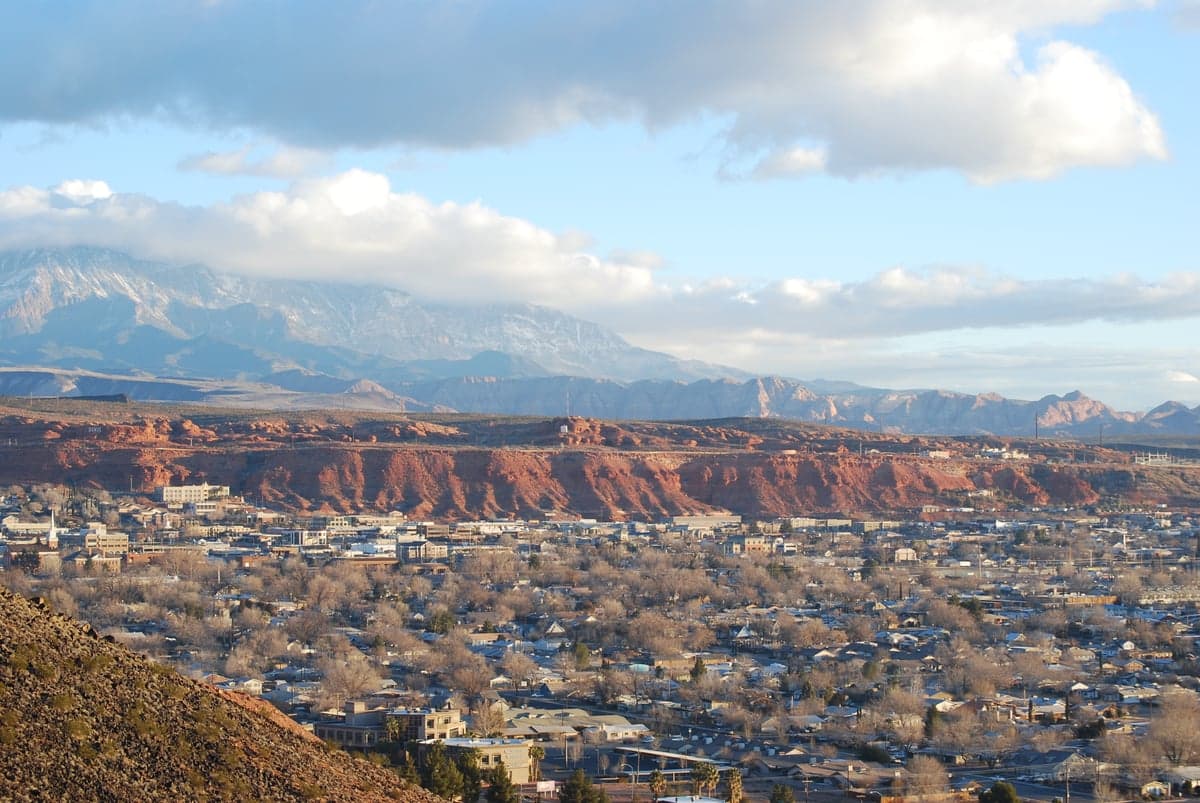
Photo: Wikipedia
Quality of Life in St. George, UT
Above-average quality of iife. The area offers a reasonable cost of living, decent mobility, and a mix of neighborhood amenities.
What does Quality of Life tell us?
Quality of Life blends cost of living, nearby amenities, socioeconomic signals, and neighborhood character. City-level scores represent the whole municipality; individual neighborhoods can differ.
What does this tell us?
Quality of Life blends cost of living, nearby amenities, socioeconomic signals, and neighborhood character. City-level scores represent the whole municipality; individual neighborhoods can differ.
Cost of Living
39% above national average
The Real Cost of Living in St. George, UT for 2026
| Tier | Individual | Family (4) |
|---|---|---|
| Survival | $23k | $43k |
| Comfortable | $89k | $130k |
| Luxury | $131k+ | $204k+ |
| Elite (Top 5%) | $154k+ | $239k+ |
56%
The Area Signal
A metric tracking the socioeconomic signals of the area.
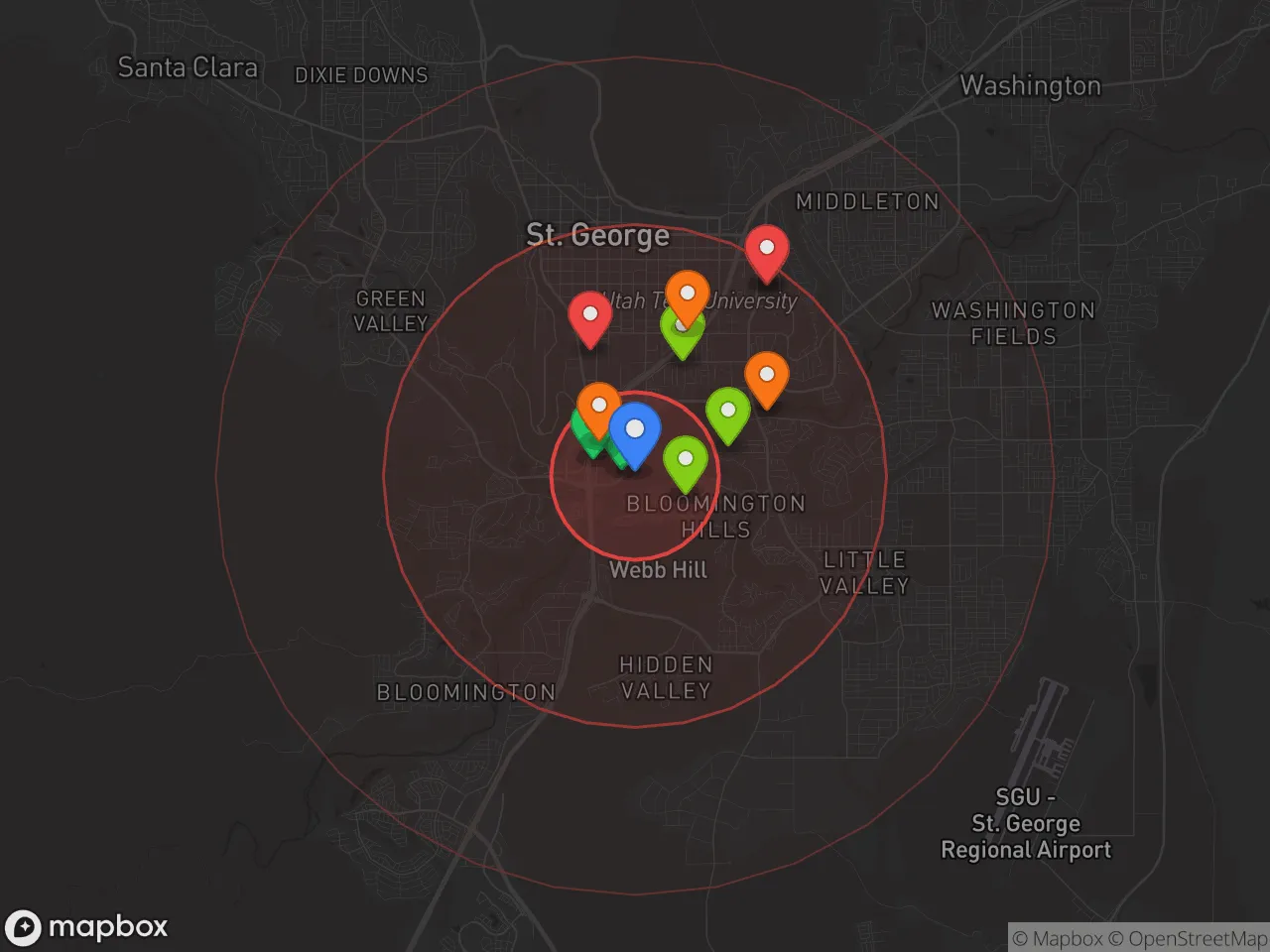
Hobbies
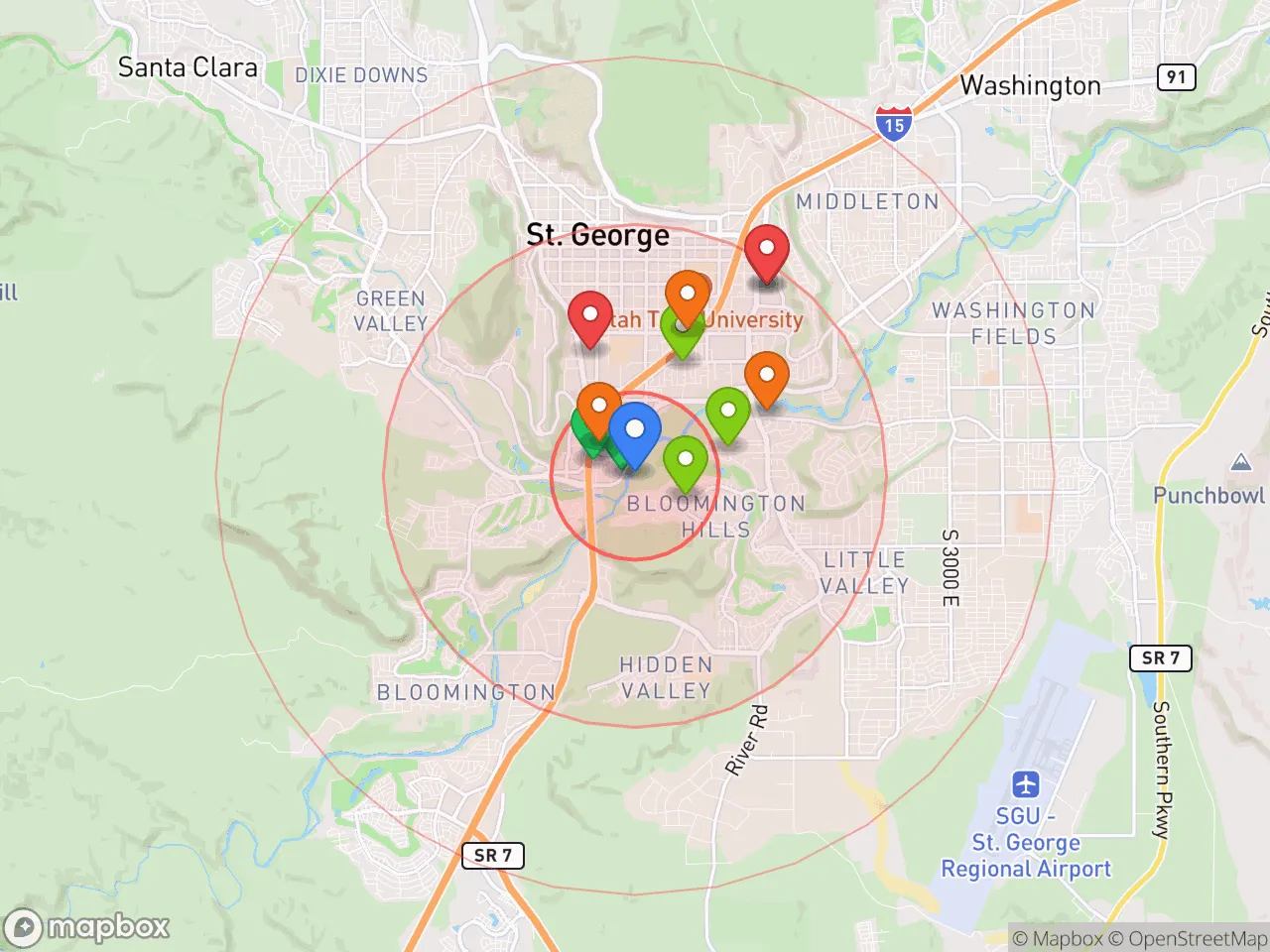
Explore the areaGroceries
6 within 10 miles
Gas
20 within 10 miles
Hospital
3 within 20 miles
Airport
LAS — North Las Vegas
Post Office
USPS — St George, UT
Critical Amenities
Quality-of-Life Analysis
St. George, Utah, is an affluent, fast-growing city that attracts a distinct mix of retirees, outdoor enthusiasts, and remote workers drawn to its red-rock landscape and year-round sunshine. The area’s median household income of roughly $70,000 supports a lifestyle that is notably more expensive than the national average, yet still cheaper than many coastal tech hubs, creating a demographic profile of financially comfortable, active adults and families seeking a high-amenity desert environment.
Cost of living and housing affordability compared to nearby areas
St. George’s overall cost of living index sits at 139 (39% above the U.S. average), driven primarily by housing. The median home value of $456,900 is significantly higher than the national median of roughly $350,000, though it remains well below the prices seen in Salt Lake City ($530,000+) or Las Vegas ($420,000). Renters face a median monthly rent of $1,429, which is about 10% above the national average but still lower than comparable Sun Belt boomtowns like Boise or Phoenix. The average commute of just 16.8 minutes is a standout advantage—far shorter than the national average of 26 minutes—meaning residents spend less on gas and vehicle wear, partially offsetting higher housing costs. For context, a household earning the area median can afford a home at the median price with a conventional 20% down payment, but first-time buyers on lower incomes will find the market tight, especially compared to more affordable neighboring towns like Hurricane or Washington City.
What daily life is like for families, retirees, and outdoor enthusiasts
Daily life in St. George revolves around outdoor recreation and a strong sense of community. The city boasts over 100 parks, a network of paved trails, and immediate access to Snow Canyon State Park and Zion National Park, making hiking, biking, and rock climbing part of the routine for many residents. The Washington County School District serves the area with generally well-rated schools, including Desert Hills High School and Pine View High School, both consistently ranked among Utah’s top 20 public high schools. For retirees, the presence of the St. George Regional Hospital and a high concentration of medical specialists (part of the Intermountain Health system) provides reliable healthcare access. The city’s downtown has seen revitalization with local restaurants, the St. George Art Museum, and the historic Electric Theater, though nightlife remains limited compared to larger metros. The rhythm is early-morning hikes, midday errands, and early dinners—a pace that suits both active retirees and families with young children.
St. George is best suited for people who prioritize outdoor access, a slower pace, and a dry, warm climate over urban diversity or nightlife. Retirees seeking an active, sunny retirement will find the amenities and healthcare infrastructure well-aligned with their needs. Remote workers and families who can afford the housing premium will appreciate the short commute and strong school options. Those on tight budgets or seeking a vibrant cultural scene may find the cost and relative isolation challenging, but for the target demographic, the trade-off is a high quality of life in one of the nation’s most scenic settings.

Crime in St. George, UT
Generally safer than 73% of comparable U.S. locations.
Violent CrimeViolent Crime Analysis
Property CrimeProperty Crime Analysis
Crime Analysis
St. George, Utah, maintains a safety profile that is significantly better than the national average, though property crime rates warrant attention from prospective residents. The city’s violent crime rate of 185.3 incidents per 100,000 residents is roughly half the U.S. average, while its property crime rate of 817.3 per 100,000 sits below the national figure but above the Utah state average. These figures place St. George among the safer small cities in the Intermountain West, particularly when compared to larger metro areas with more progressive criminal justice policies.
Crime in context
St. George’s violent crime rate is 48% lower than the national median, with homicide and aggravated assault numbers remaining consistently low year over year. Property crime, however, runs about 15% higher than the Utah state average, driven primarily by larceny-theft and vehicle break-ins. This pattern is common in growing tourist and retirement destinations, where transient populations and seasonal visitors increase opportunities for theft. By contrast, large metropolitan areas with liberal district attorneys and progressive sentencing policies—such as Portland, Seattle, or Los Angeles—have seen violent crime rates climb to 500–700 per 100,000, a direct consequence of reduced prosecution and early release programs that prioritize offender rehabilitation over public safety. St. George’s conservative judicial approach in Washington County, which emphasizes accountability and victim rights, helps keep repeat offenders off the streets.
What residents experience
Most St. George residents report feeling safe walking downtown and in residential neighborhoods, even after dark. The city’s low homicide rate—typically 1–2 per year—and rare armed robberies contribute to a sense of security uncommon in similarly sized Sun Belt cities. Property crime is the primary daily concern: unlocked vehicles, bicycles left unattended, and packages taken from porches account for the majority of reported incidents. The St. George Police Department maintains a clearance rate for violent crimes above 80%, far exceeding the national average of around 50%, which reflects both effective policing and a cooperative community. Residents in gated communities and newer subdivisions on the city’s south and east sides experience even lower incident rates, while areas near the downtown core and along Bluff Street see slightly higher property crime volumes.
Neighborhood-level variation is modest but noticeable. The SunRiver and Bloomington Hills areas report the lowest crime rates, with violent incidents nearly nonexistent. Older neighborhoods near Dixie State University and the Red Cliffs Mall corridor see more vehicle burglaries and petty theft, though violent crime remains rare. For families and retirees prioritizing safety, St. George offers a compelling alternative to larger Western metros where progressive criminal justice reforms have eroded public confidence. The city’s combination of low violent crime, responsive law enforcement, and conservative judicial philosophy makes it one of Utah’s safest communities for long-term residence.
* Values derived from national, state, county, city and local statistics and may differ in a specific area. Last updated: 2026-04-22T01:36:39.000Z
Narrative content on this page is AI-generated and may contain mistakes. Verify any details that matter before acting on them.
ReloMaps may earn a commission from affiliate links at no extra cost to you.

