Photo: Wikipedia
Find The Best Places To Live
in St. George
PRO TIP! You can paste a Zillow or Redfin link to get info on that property.
What It's Like Living in St. George, UT
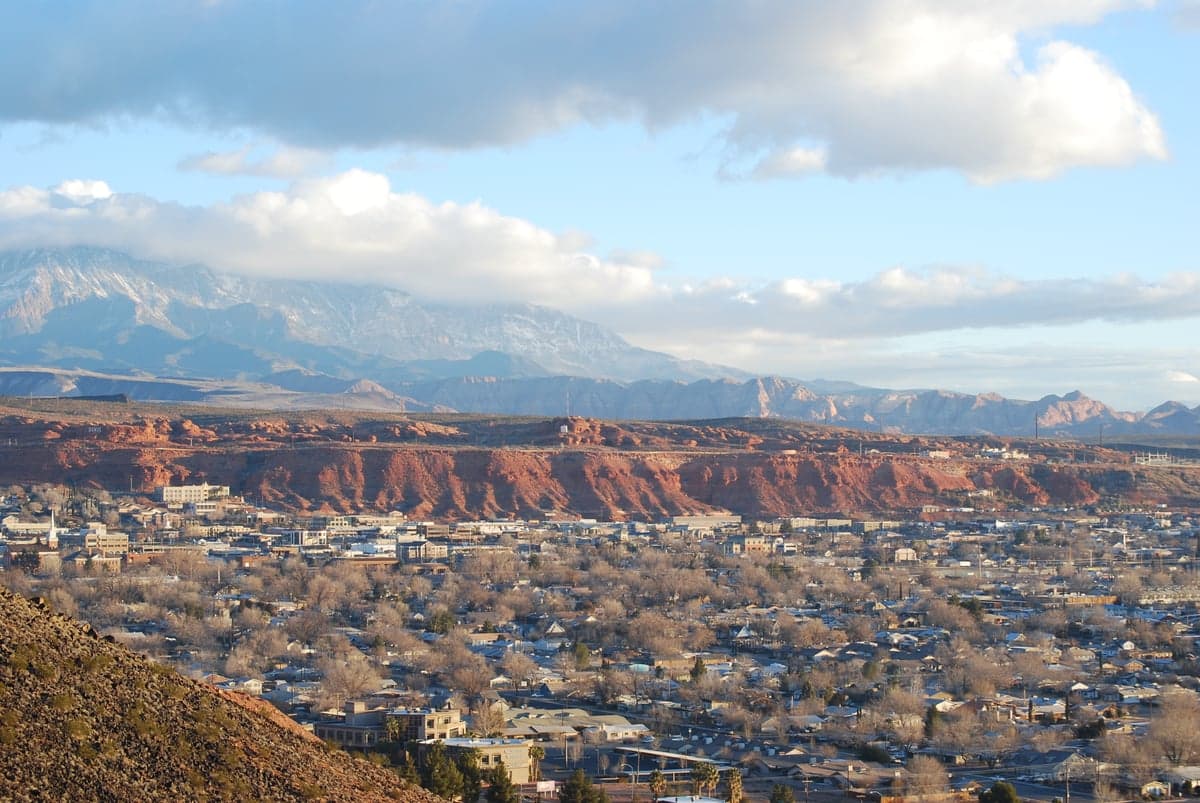
If you picture a place where the red rock cliffs glow at sunset and the pace of life slows down just enough to notice, St. George is that place. It’s a city of roughly 99,000 people that feels like a small town with big ambitions, where the median age hovers around 38 and the median household income sits at $72,870—comfortable enough for most families, though the cost of living index of 139 means you’ll pay more for housing and groceries than the national average. The vibe is active, family-focused, and deeply rooted in the outdoors, with a conservative tilt that shapes everything from weekend plans to school board meetings.
Daily Rhythm: What People Actually Do Here
Most mornings in St. George start early, often with a hike or a bike ride before the desert heat sets in. The average commute is just under 17 minutes, so you’re not burning an hour in traffic to get to work—a real luxury. People shop at the Red Cliffs Mall or the local Costco, but the real social hubs are the trails and parks. Snow Canyon State Park is a 15-minute drive from downtown, and on weekends you’ll see families with kids, retirees on e-bikes, and college students from Utah Tech University all sharing the same red dirt paths. The weather is the big story here: over 300 sunny days a year, with summer highs regularly hitting 105°F. That means winter is the golden season—November through March, when temps are in the 60s and 70s, and the city feels like it’s showing off. Locals grumble about the summer heat, but they adapt by doing everything early or late, and air conditioning is non-negotiable.
Dining out leans toward chains and a handful of local standbys. Painted Pony in Ancestor Square is the go-to for a nicer dinner, while Viva Chicken and The Crepery are casual favorites. There’s no real nightlife scene—bars are few and mostly attached to restaurants—so evenings often mean backyard barbecues, high school sports games, or a movie at the Megaplex. The city’s median age of 37.9 reflects a mix of young families and active retirees, and the schools—especially Desert Hills High and Pine View High—are central to community identity. Friday night football is a genuine event, with crowds that rival small college games.
Sports, Festivals, and What There Is to Do
Sports are a big deal here, but not in a pro-sports sense. There’s no major league team within two hours, so the focus is on high school athletics and the Utah Tech University Trailblazers, whose basketball and baseball games draw solid local crowds. The St. George Marathon is a bucket-list event for runners, and the Huntsman World Senior Games bring thousands of athletes over 50 every October—it’s a quirky, beloved tradition that fills every hotel room in town. For entertainment, the Tuacahn Amphitheatre in nearby Ivins is a stunning outdoor venue set against red rock cliffs, hosting Broadway-style shows and concerts from April through October. It’s the kind of place that makes you feel like you’re on vacation even if you live here.
Outdoor activities dominate the calendar. Hiking Angels Landing in Zion National Park is a 45-minute drive, and the Virgin River offers kayaking and tubing in the summer. Golf is huge—there are over a dozen courses, and the city has a reputation as a golf destination. The local culture is heavily influenced by the LDS Church, which means many businesses are closed on Sundays, and alcohol sales are limited. That’s a pro for some, a con for others. The annual St. George Art Festival in April and the Electric Light Parade in December are family staples, and the city’s historic downtown—with its red-brick buildings and the St. George Tabernacle—gives it a sense of place that newer subdivisions lack.
Pros and Cons: The Honest Trade-Offs
What longtime residents love most is the combination of natural beauty and safety. The violent crime rate is 185.3 per 100,000—well below the national average—and the city feels secure enough that kids still ride bikes to friends’ houses. The weather, despite the summer heat, means you can be outside almost year-round. The cost of living, however, is a growing frustration. With a median home value of $456,900, housing has gotten expensive fast, especially for a city where the median income is $72,870. Renters feel the squeeze too, and new construction is sprawling outward into areas like Washington and Hurricane, which adds to commute times. Only 34.1% of adults have a college degree, which is lower than the national average, and the job market is dominated by healthcare, education, and retail—larger employers include Intermountain Healthcare, the school district, and the city government itself. If you work remotely or in a specialized field, you’ll find fewer local opportunities.
Traffic is a minor gripe—the main roads like Bluff Street and River Road can back up during rush hour, but it’s nothing like a big city. The bigger frustration for some is the cultural homogeneity. St. George is overwhelmingly LDS, and while that creates a strong sense of community and low crime, it can feel insular to newcomers. Sunday closures and limited nightlife are real adjustments. On the flip side, the city is growing fast—population has nearly doubled since 2000—and that brings more diversity in restaurants, events, and perspectives. The kind of person who fits in here is someone who values outdoor recreation, family time, and a slower pace, and who doesn’t mind driving an hour or two for a concert or a professional sports game. It’s a place where you trade urban energy for red rock sunsets, and for most people who move here, that’s a trade they’re happy to make.

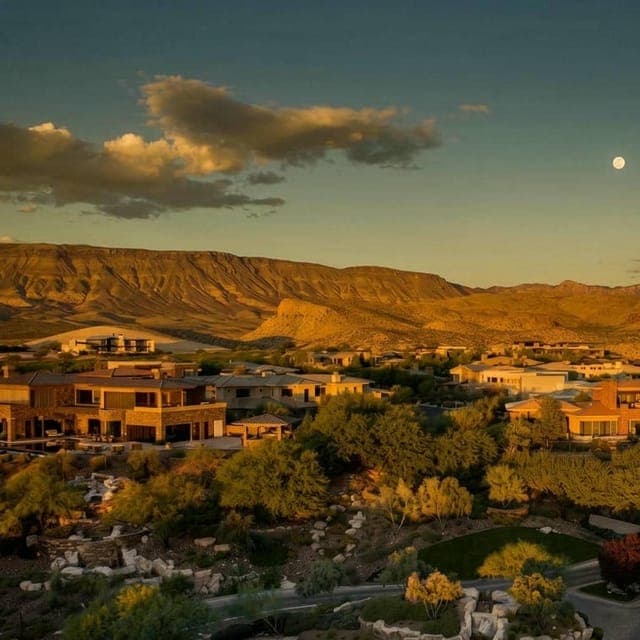
Similar small cities to St. George


* Values derived from national, state, county, city and local statistics and may differ in a specific area. Last updated: 2026-04-22T01:36:39.000Z
Narrative content on this page is AI-generated and may contain mistakes. Verify any details that matter before acting on them.
ReloMaps may earn a commission from affiliate links at no extra cost to you.

