
Photo by Katie Musial on Unsplash
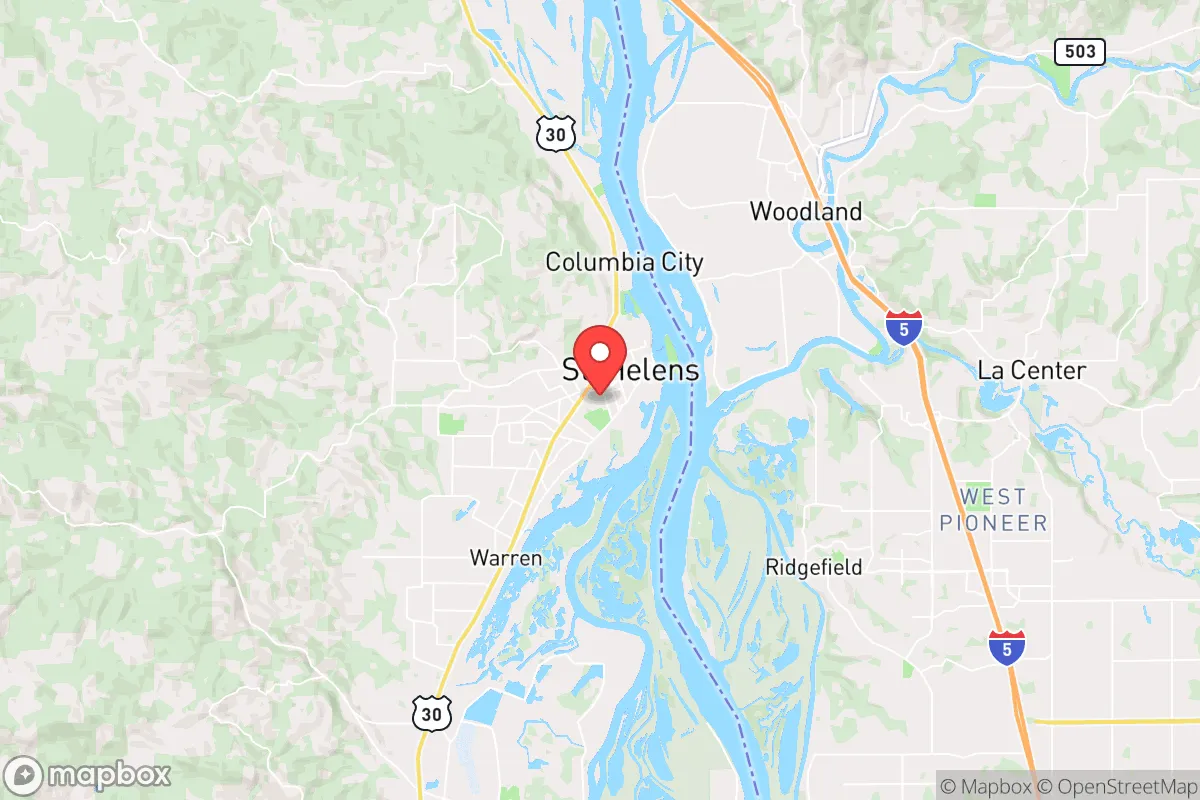
Personal Sovereignty in St Helens, OR
Viable for self-reliance. Generally workable, though some barriers may limit total independence.
What does Personal Sovereignty tell us?
Personal Sovereignty measures your capacity for self-reliance and independence with minimal government friction. Higher scores mean fewer barriers between you and the way you want to live... but it assumes you have the space you need and good neighbors.
What does this tell us?
Personal Sovereignty measures your capacity for self-reliance and independence with minimal government friction. Higher scores mean fewer barriers between you and the way you want to live... but it assumes you have the space you need and good neighbors.
State Policy
Energy independence: Importer (35% of energy produced in-state)
Personal Liberty
Homesteading

Personal Liberty Analysis
St Helens, Oregon, offers a mixed bag for those prioritizing personal sovereignty, with the state's progressive governance creating friction against a local culture that leans more self-reliant. While Columbia County is not a libertarian utopia, it provides a buffer from Portland's density and policy extremes, allowing residents to carve out a degree of autonomy if they are willing to navigate Oregon's regulatory landscape. For the survivalist or prepper, the key question is whether the area's rural character and lower population density can offset the state-level encroachments on individual freedoms.
Tax burden and regulatory posture in Columbia County
Oregon's tax structure is a significant consideration for anyone focused on financial sovereignty. The state has no sales tax, which is a plus for large purchases, but it imposes a progressive income tax with a top marginal rate of 9.9% on high earners, and property taxes are moderate but not low, averaging around 0.85% of assessed value in Columbia County. The regulatory environment is where the state's overreach becomes apparent. Oregon's land use laws, particularly under Senate Bill 100, strictly control development on rural land, limiting the ability to build or expand without lengthy permitting processes. This can frustrate those wanting to establish a self-sufficient homestead, as zoning for agricultural or residential use is tightly defined. Additionally, the state's energy policies, including the push for electric vehicles and renewable energy mandates, add layers of compliance costs that feel like a direct tax on personal choice. For a prepper, this means that while the immediate tax burden is manageable, the regulatory creep is a constant drag on autonomy.
Self-defense and gun law specifics in St Helens
Oregon's gun laws have become increasingly restrictive, and St Helens residents must contend with state-level mandates that limit personal defense options. The state requires a permit to purchase a firearm, a background check for all sales (including private ones), and has a red flag law (Extreme Risk Protection Order) that allows for temporary seizure of firearms without a criminal conviction. Magazine capacity is capped at 10 rounds for new purchases, and open carry is legal but subject to preemption by local ordinances—though St Helens itself has not enacted further restrictions. For the survivalist, this is a clear erosion of the Second Amendment. The practical workaround is that Columbia County's sheriff has historically been more supportive of gun rights than Portland's, and the rural nature of the area means enforcement of these laws is less aggressive. However, the legal framework is a constant threat, and any future state legislation could tighten the screws further. Those serious about self-defense should consider investing in legal counsel and staying active in local gun rights groups to monitor changes.
Self-reliance and homesteading viability: lot sizes, zoning, and off-grid feasibility
St Helens and its surrounding unincorporated areas offer genuine opportunities for self-reliance, but they come with strings attached. Lot sizes in the city are typically small (under a quarter-acre), but just outside town, parcels of 1 to 5 acres are common and affordable, with prices often under $100,000 for raw land. Zoning in Columbia County allows for residential and farm use on larger parcels, but Oregon's strict land use laws mean you cannot simply build a cabin without permits. Off-grid living is legally challenging: the state requires connection to the electrical grid in many zones, and rainwater collection is regulated—though it is allowed for non-potable uses. Septic systems must be approved by the county, and composting toilets are not a simple workaround. For a prepper, the best bet is to buy a property with an existing well and septic, then gradually add solar panels and battery storage as a supplement rather than a full replacement. The county's building department is more pragmatic than Portland's, but the state's environmental regulations (e.g., on stream setbacks and wetland protections) can still derail plans. The viability is there, but it requires patience and a willingness to work within—or carefully around—the system.
Personal liberties: parental rights, medical autonomy, speech, and property
On parental rights, Oregon has moved in a direction that alarms many conservatives. The state does not require parental notification for a minor to obtain an abortion or gender-affirming care, and schools have policies that can keep information about a child's gender identity from parents. This is a direct infringement on family sovereignty. Medical autonomy is also constrained: Oregon has legalized assisted suicide and has a vaccine mandate for schoolchildren (with medical and non-medical exemptions available, though the latter are under constant political attack). During the COVID-19 pandemic, the state imposed some of the longest-lasting mask and vaccine mandates in the country, which many residents saw as overreach. Free speech is protected under the First Amendment, but local government meetings can be tense, and there have been instances of public comment being restricted. Property rights are the brightest spot: while land use is regulated, the county's enforcement is less aggressive than in urban areas, and property taxes are predictable. The overall picture is that personal liberties in St Helens are under constant pressure from Salem, but the local community's resistance provides a partial shield.
Compared to other areas in the Pacific Northwest, St Helens offers a moderate level of personal sovereignty—better than Portland or Seattle, but far from the freedom found in Idaho or eastern Oregon. The state's tax and regulatory burdens are real, but the lower cost of land and a more conservative local culture make it a viable option for those willing to fight for their autonomy. For a prepper or survivalist, the key is to view St Helens as a base of operations where you can build resilience while staying politically engaged to push back against further encroachments. It is not a refuge, but it is a place where a determined individual can still live on their own terms, provided they are ready to navigate the system and defend their rights at the ballot box and in the courts.

* Values derived from national, state, county, city and local statistics and may differ in a specific area. Last updated: 2026-05-01T07:57:03.000Z
Narrative content on this page is AI-generated and may contain mistakes. Verify any details that matter before acting on them.
ReloMaps may earn a commission from affiliate links at no extra cost to you.

