Photo: Wikipedia
Find The Best Places To Live in Columbia County
PRO TIP! You can paste a Zillow or Redfin link to get info on that property.
Best Places to Live in Columbia County

Cities & Towns in Columbia County
Cities in Columbia County
What It's Like Living in Columbia County, OR
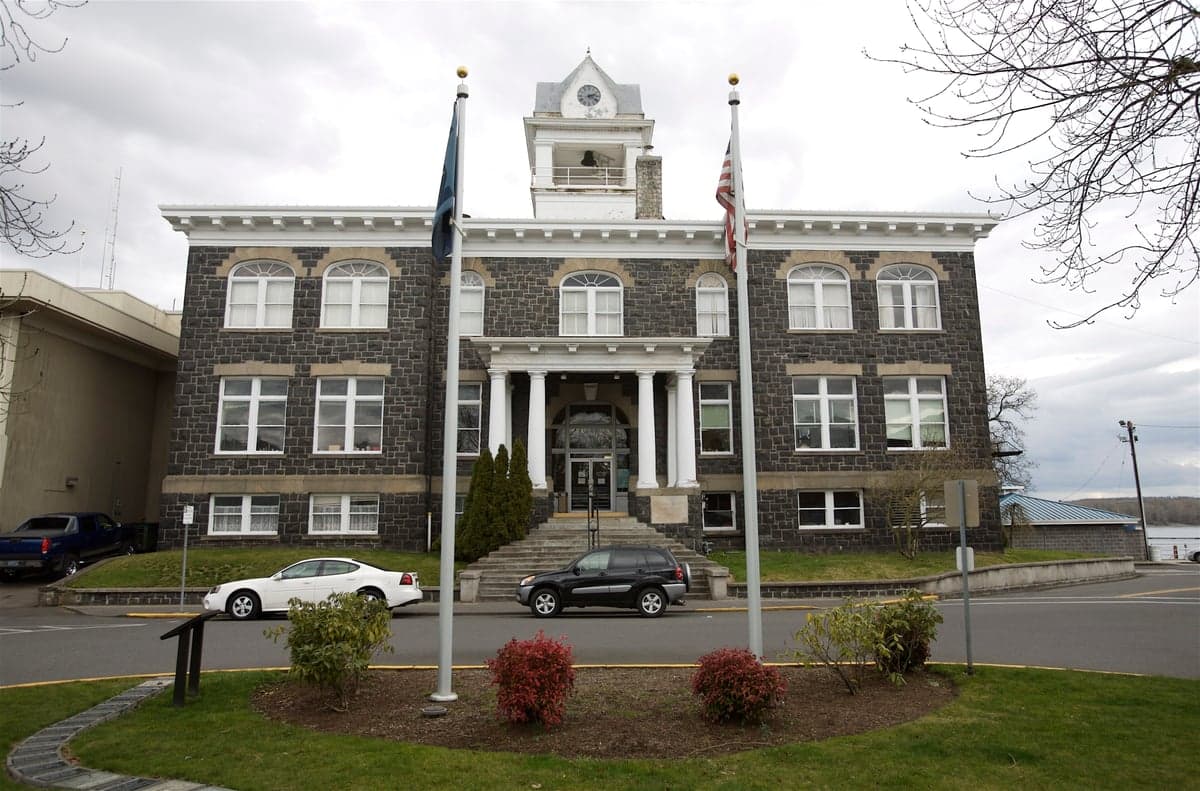
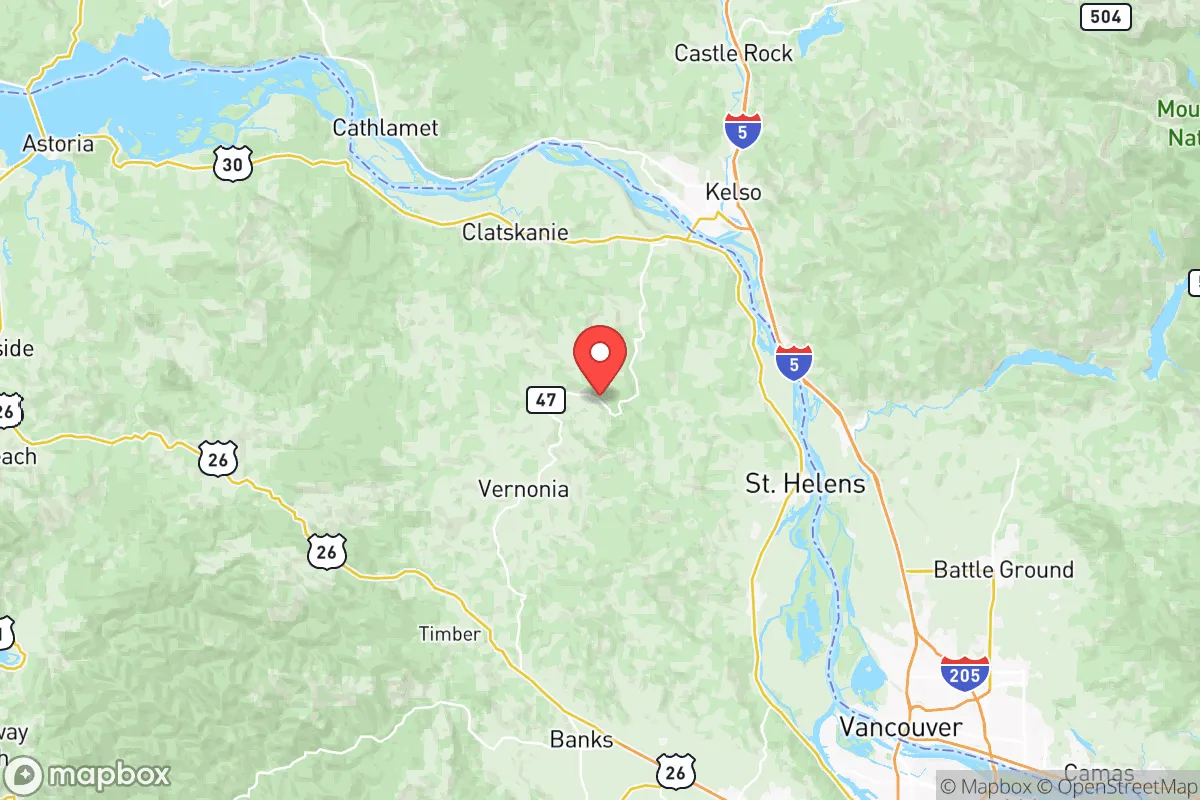
Living in Columbia County, Oregon, feels a bit like being in on a secret that the rest of the Portland metro hasn't quite discovered yet. It's the kind of place where the main drag in St. Helens still has a classic small-town feel, where you can grab a beer in Vernonia after a day on the trails, and where the commute to Portland is just long enough to keep the crowds thin. For families and single folks who want a slower pace, actual space, and a strong sense of community without being totally cut off, this county hits a sweet spot.
The Daily Rhythm: Work, Commute, and Weekend Pace
Most people here aren't trying to impress anyone with a flashy lifestyle. The median income of $86,359 goes a lot further than it does in Multnomah County, largely because the median home value sits at a manageable $390,600. That's a huge draw for people priced out of Portland or Beaverton. The trade-off is the commute: the average drive to work is just under 33 minutes. For many, that means a daily crawl down Highway 30 into the metro area, but locals will tell you the quiet mornings and the view of the Columbia River make it bearable. Weekends are for the outdoors—hiking the Stub Stewart State Park trails near Vernonia, fishing for salmon in the Columbia, or hitting the Columbia County Fair in St. Helens each summer. You'll find families at the local diners in Scappoose and couples grabbing a craft beer at Backwoods Brewing Company in Vernonia, a true local hangout that doubles as a community hub.
Who Fits In Here: Families, Tradespeople, and Outdoor Enthusiasts
This county leans heavily toward people who value practicality over pretense. You'll find a lot of tradespeople, remote workers, and folks who work in Portland's industrial or healthcare sectors. The median age is 43.2, which reflects a population that's settled down—many are raising kids or are empty-nesters who want land without the hassle of deep rural living. It's not a place for someone looking for a vibrant nightlife or a high concentration of young singles. With only 19.2% of adults holding a college degree, the culture is less about academic credentials and more about what you can do with your hands. The kind of person who thrives here is someone who doesn't mind driving 20 minutes for a good grocery store, values a neighbor who will help pull your truck out of a ditch, and prefers a Friday night at a high school football game to a downtown club.
Sports, Community, and What There Is to Do
High school sports are a genuine centerpiece of community life. Friday nights in the fall mean packing the stands for the St. Helens Lions or the Scappoose Indians—rivalries run deep, and everyone shows up. There's no pro sports team in the county, but the Portland Timbers and Trail Blazers are a short drive away for those who want the big-league experience. For entertainment, the Columbia River Maritime Museum in Astoria is a popular day trip, but within the county, the big draw is the Vernonia Springs and the Banks-Vernonia State Trail, a 21-mile paved rail-trail perfect for biking and horseback riding. The Scappoose Bay Kayaking outfitter is a go-to for paddling the sloughs. Locals also swear by the St. Helens Farmers Market from May to October, and the annual Giant Pumpkin Regatta in Tualatin is a quirky nearby event that draws a crowd. The biggest cultural quirk? The county's identity is split between the river towns (St. Helens, Scappoose, Rainier) that feel like Portland's rural cousins and the inland timber towns (Vernonia) that are more isolated and fiercely independent.
Pros and Cons of Living Here: The Honest Trade-Offs
Longtime residents love the space, the lower cost of living, and the genuine community feel. They'll tell you they can actually afford a house with a yard, their kids can play outside without worry, and they know their neighbors by name. The frustration? It's the lack of amenities. You have to drive to Portland for a decent shopping mall, a major hospital, or any kind of late-night food. The violent crime rate of 309.1 per 100,000 is higher than the national average, and while most of it is concentrated in specific areas of St. Helens, it's a real concern for families. The cost of living index sits at 118, meaning everyday goods and services are pricier than the national average—a surprise for some who assume rural equals cheap. Weather is another reality: expect nine months of gray, damp, and drizzly conditions. Summers are glorious, but the seasonal affective disorder is real for transplants from sunnier states.
- Pros: Affordable homes compared to Portland, strong community bonds, excellent outdoor recreation (trails, rivers, parks), good schools in Scappoose and St. Helens, and a slower pace of life.
- Cons: Long commute to Portland for work and amenities, limited shopping and dining options, higher-than-average violent crime in certain pockets, and a climate that's overcast for much of the year.
Ultimately, Columbia County is a place you choose deliberately. It's not for everyone, but for the single person who wants a quiet home base or the parent who wants their kids to have a backyard and a bike route to school, it's a solid, grounded choice that delivers on its promises.

* Values derived from national, state, county, city and local statistics and may differ in a specific area. Last updated: 2026-05-22T10:28:56.000Z
Narrative content on this page is AI-generated and may contain mistakes. Verify any details that matter before acting on them.
ReloMaps may earn a commission from affiliate links at no extra cost to you.

