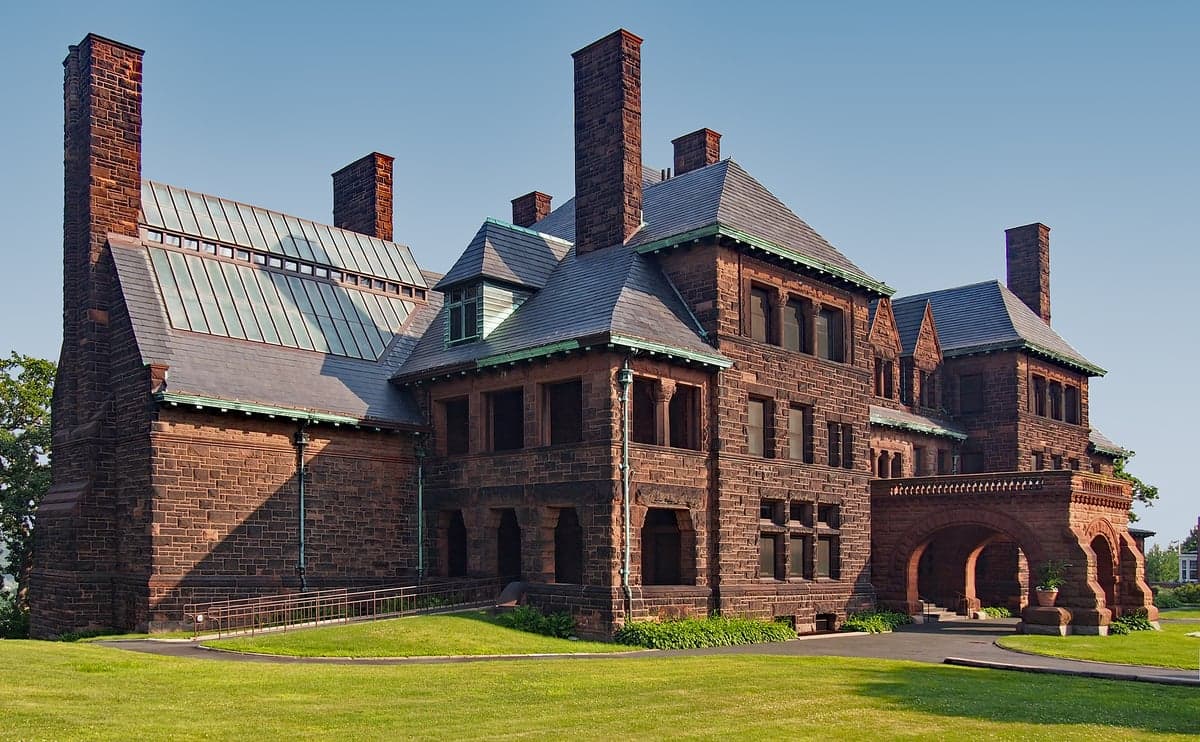
Photo: Wikipedia
Quality of Life in St Paul, MN
A high quality of life with strong walkability, manageable living costs, healthy neighborhood signals, and solid amenity access.
What does Quality of Life tell us?
Quality of Life blends cost of living, nearby amenities, socioeconomic signals, and neighborhood character. City-level scores represent the whole municipality; individual neighborhoods can differ.
What does this tell us?
Quality of Life blends cost of living, nearby amenities, socioeconomic signals, and neighborhood character. City-level scores represent the whole municipality; individual neighborhoods can differ.
Cost of Living
4% above national average
The Real Cost of Living in St Paul, MN for 2026
| Tier | Individual | Family (4) |
|---|---|---|
| Survival | $20k | $37k |
| Comfortable | $54k | $80k |
| Luxury | $132k+ | $205k+ |
| Elite (Top 5%) | $168k+ | $260k+ |
91%
The Area Signal
A metric tracking the socioeconomic signals of the area.
Hobbies
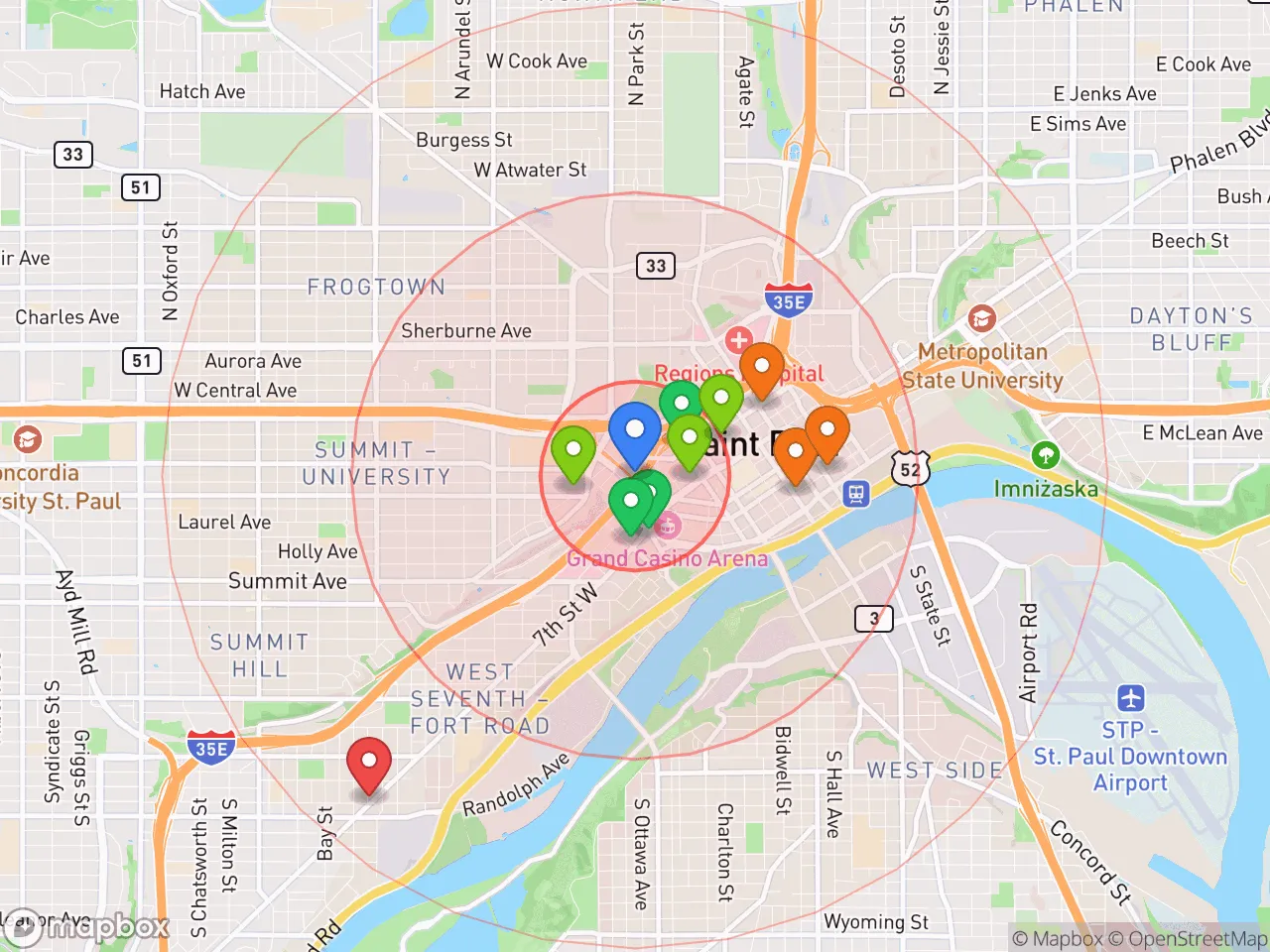
Explore the areaGroceries
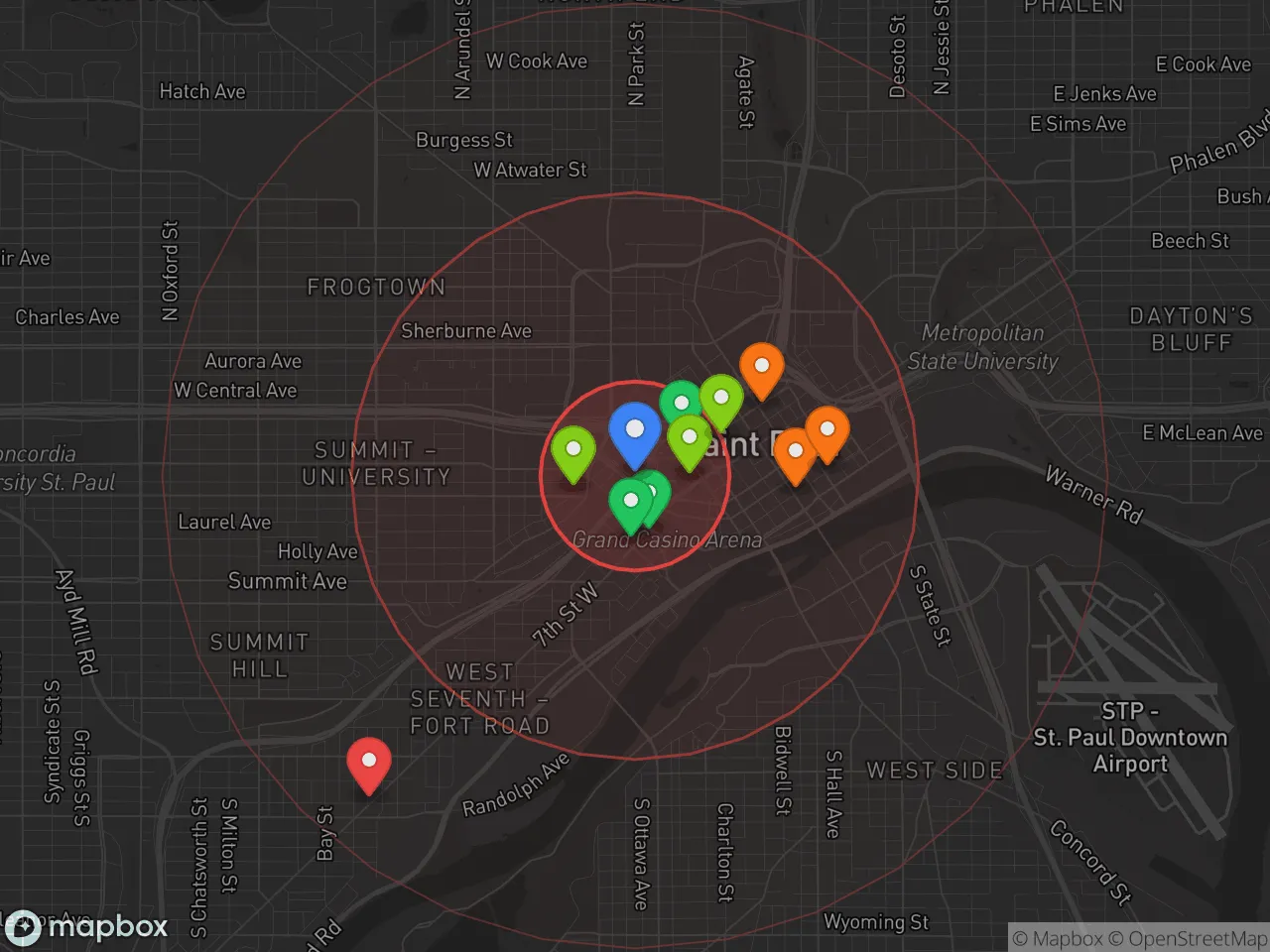
6 within 10 miles
Gas
20 within 10 miles
Hospital
20 within 20 miles
Airport
JFK — John F. Kennedy Memorial
Post Office
USPS — Saint Paul, MN
Critical Amenities
Quality-of-Life Analysis
St. Paul, Minnesota, offers a quality of life that blends Midwestern stability with urban accessibility, attracting a mix of young professionals, families, and long-term residents who value affordability relative to the national average. With a cost-of-living index of 104 (just 4% above the U.S. baseline), the city provides a more budget-friendly alternative to its neighbor Minneapolis, while still delivering strong public schools, extensive park systems, and a slower, more community-oriented daily rhythm. The typical resident here is someone who prioritizes space, green amenities, and a predictable commute over the high-energy hustle of larger metros.
Cost of living, housing affordability, and how St. Paul compares to Minneapolis
St. Paul’s cost of living sits at a manageable 104 on the national index, meaning everyday expenses like groceries and healthcare are close to the U.S. average. The median home value is $280,300, notably lower than Minneapolis’s median of roughly $320,000, making St. Paul one of the more attainable homeownership markets in the Twin Cities metro. Renters also benefit: the median rent of $1,248 is about $150–$200 less per month than comparable units across the river. The average commute clocks in at 22.3 minutes, shorter than the national average of 26 minutes, and significantly faster than Minneapolis’s 24-minute average. This efficiency is driven by the city’s grid-like street layout and direct access to I-94 and I-35E, allowing residents to reach downtown Minneapolis in under 20 minutes without the congestion found in other major corridors. Property taxes in Ramsey County are moderate—around 1.1% of assessed value—which keeps monthly carrying costs lower than in many suburban districts.
Parks, schools, and the daily rhythm of life in St. Paul
Daily life in St. Paul revolves around its 170+ parks, including the sprawling Como Park Zoo and Conservatory and the Mississippi River corridor’s trails, which are used year-round for biking, running, and cross-country skiing. The city’s school system, St. Paul Public Schools, operates over 70 schools with several magnet and immersion programs—such as the well-regarded Open World Learning Community and Central High School—that draw families seeking specialized curricula without private tuition. The rhythm is noticeably quieter than Minneapolis: neighborhoods like Macalester-Groveland and Highland Park feature tree-lined streets, local coffee shops, and independent bookstores, while downtown St. Paul hosts the Xcel Energy Center for concerts and hockey but lacks the 24/7 nightlife of its western counterpart. Grocery access is solid, with co-ops like the Mississippi Market and national chains such as Cub Foods within a 10-minute drive of most residential areas. The city’s winter resilience is a defining trait—residents adapt with heated garages, skyway systems downtown, and a robust snow-plowing schedule that keeps streets passable.
St. Paul is best suited for those who want a genuine urban environment without the premium price tag or frenetic pace of a larger city. Families will appreciate the affordable housing and strong school options, while remote workers and commuters benefit from the short drive times and lower stress. Professionals seeking a quieter, more neighborly alternative to Minneapolis—or anyone who values access to nature and cultural institutions like the Science Museum of Minnesota—will find St. Paul a practical, high-quality place to settle. It is less ideal for those craving a dense, late-night social scene or a rapid real-estate appreciation market, but for steady, livable urban life, it consistently ranks among the Midwest’s best values.

Crime in St Paul, MN
Generally safer than 62% of comparable U.S. locations.
Violent CrimeViolent Crime Analysis
Property CrimeProperty Crime Analysis
Crime Analysis
St. Paul, Minnesota, presents a mixed safety picture that requires careful consideration, particularly for those relocating from more conservative jurisdictions. While the city's violent crime rate of 222.8 per 100,000 residents is notably lower than the national average, its property crime rate of 1,417.9 per 100,000 is significantly elevated, reflecting challenges common to many large Midwestern metro areas. The city's progressive governance and judicial philosophy, which often emphasizes rehabilitation over incarceration, is a key factor that potential residents should weigh, as it can directly influence public safety outcomes and the experience of crime victims.
Crime in context
St. Paul's violent crime rate of 222.8 per 100,000 is roughly 40% lower than the national average of approximately 380 per 100,000, placing it in a safer tier than many peer cities like Milwaukee or Kansas City. However, the property crime rate of 1,417.9 per 100,000 is about 25% higher than the national average of roughly 1,100 per 100,000. This disparity is typical of cities with progressive prosecutorial policies, where lower-level property offenses—such as theft from vehicles and shoplifting—are often deprioritized or subject to diversion programs. Ramsey County Attorney John Choi, who oversees St. Paul prosecutions, has been a prominent advocate for restorative justice and alternatives to incarceration, a stance that critics argue reduces deterrence for repeat property offenders. Compared to the state of Minnesota's overall violent crime rate of roughly 260 per 100,000, St. Paul is slightly safer, but its property crime rate is substantially higher than the state average of about 1,100 per 100,000.
What residents experience
For daily life, the most tangible impact is property crime. Car break-ins and package thefts are the most common complaints in neighborhood forums and Nextdoor groups, particularly in denser areas like Cathedral Hill and Macalester-Groveland. Violent crime is far less random; homicides and aggravated assaults are heavily concentrated in a few specific corridors, such as parts of the East Side and Frogtown, and are often related to gang activity or domestic disputes. The city's police department has struggled with staffing shortages, with sworn officer numbers declining from roughly 630 in 2020 to under 550 in 2025, which has slowed response times for non-emergency calls. Residents in safer neighborhoods like Highland Park and Summit Avenue report feeling secure walking at night, but those in higher-crime areas frequently cite a lack of visible police presence as a concern. The progressive approach to justice means that many offenders are released quickly on low or no bail, a policy that has drawn sharp criticism from victims' advocacy groups who argue it undermines public confidence in the system.
Neighborhood-level variation is stark. The safest areas—Highland Park, Macalester-Groveland, and Summit Hill—have violent crime rates below 100 per 100,000, comparable to suburban communities. In contrast, the Thomas-Dale (Frogtown) and Payne-Phalen neighborhoods on the East Side see rates exceeding 400 per 100,000. Property crime is more evenly distributed but still peaks in areas with high rental density and commercial corridors. Potential residents are strongly advised to examine block-level crime maps and consider that the city's overall statistics mask a deeply uneven safety landscape, shaped in part by the policy choices of its elected officials and judiciary.
* Values derived from national, state, county, city and local statistics and may differ in a specific area. Last updated: 2026-04-24T18:35:50.000Z
Narrative content on this page is AI-generated and may contain mistakes. Verify any details that matter before acting on them.
ReloMaps may earn a commission from affiliate links at no extra cost to you.

