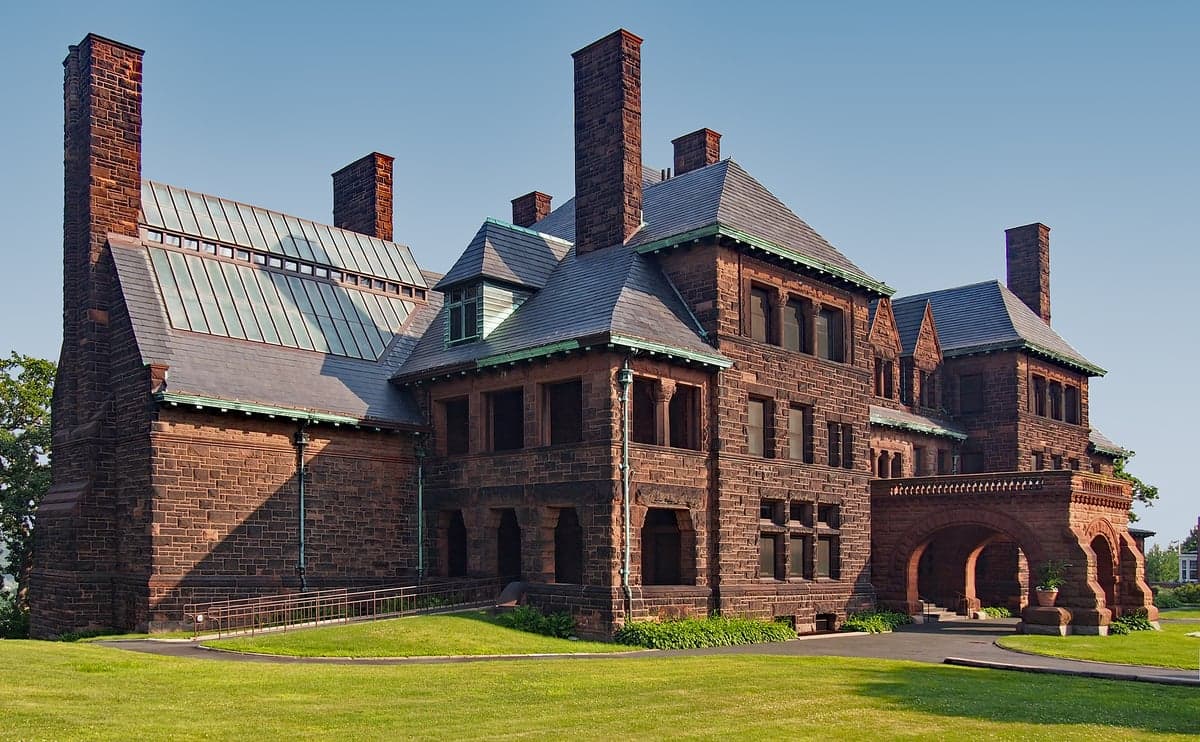
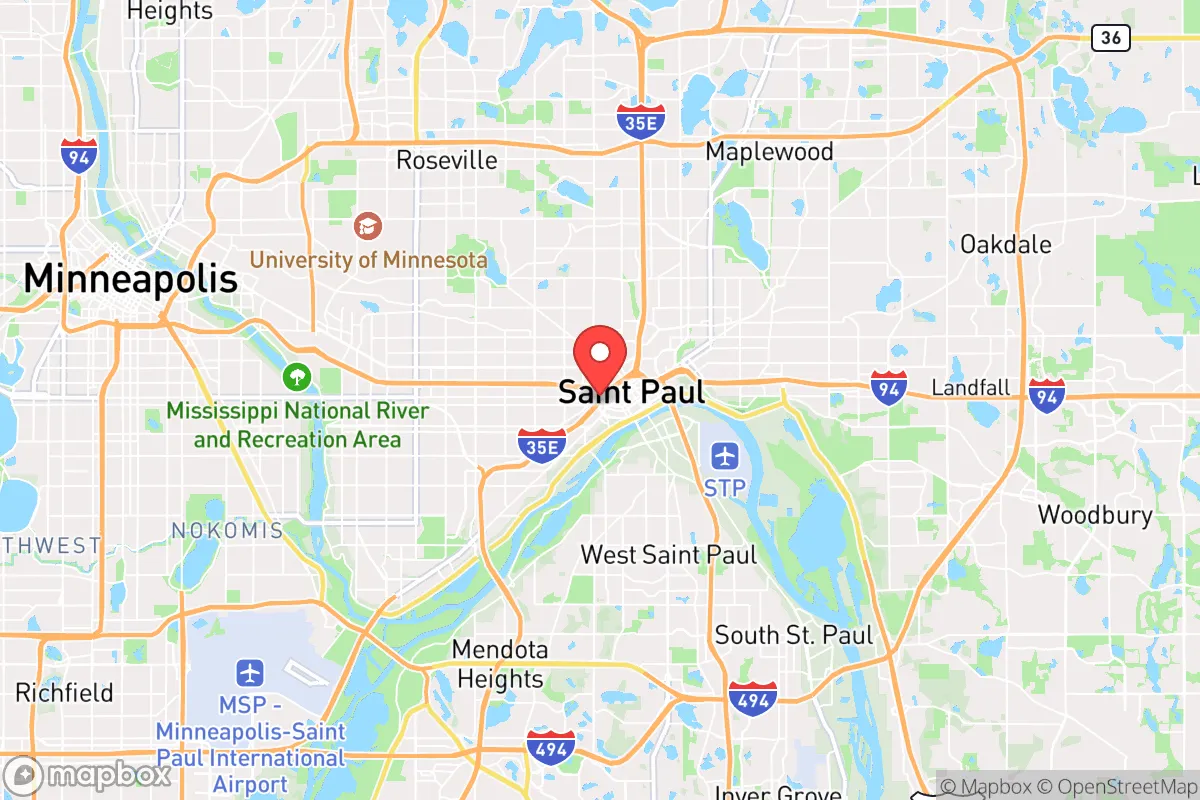
Photo: Wikipedia
Find The Best Places To Live
in St Paul
PRO TIP! You can paste a Zillow or Redfin link to get info on that property.
What It's Like Living in St Paul, MN
St. Paul feels less like the twin city to Minneapolis and more like its quieter, more grounded sibling—a place where the state capitol building anchors a downtown that still feels like a small town in a big city’s body. With a population just over 307,000, it’s the older, more Catholic, more blue-collar half of the metro, with a rhythm that slows down as you move east from the Mississippi River. If Minneapolis is the trendy friend who’s always trying a new restaurant, St. Paul is the one who’s been going to the same diner for twenty years and knows the waitress by name.
The Daily Rhythm: Slow Mornings and Neighborhood Loyalty
Life here moves at a pace that surprises newcomers. The average commute is just over 22 minutes, which means most people actually have time for a real breakfast before work. You’ll see folks grabbing coffee at Black Dog Cafe on Prince Street or picking up pastries at Bread & Chocolate on Grand Avenue before heading to jobs at the state government, HealthPartners, or 3M. The median age is 33.5, so you’re surrounded by young professionals and families who’ve chosen St. Paul for its affordability—median home values sit around $280,300, which feels like a steal compared to the West Coast or even parts of Minneapolis. Weekends often revolve around the St. Paul Farmers’ Market (one of the oldest in the country, running since 1853) or a walk along the Mississippi River bluffs at Indian Mounds Regional Park. People don’t just live in their houses here; they live on their porches, in their yards, and at the neighborhood bar.
Sports, Festivals, and the Places That Define the City
Sports fandom in St. Paul is a layered thing. The Minnesota Wild play at the Xcel Energy Center downtown, and hockey is practically a religion—tickets are easier to come by than for the Vikings, but the crowd is just as loud. High school hockey tournaments at the Xcel draw massive crowds, and you’ll see kids in youth jerseys everywhere. The St. Paul Saints minor league baseball team plays at CHS Field in the Lowertown neighborhood, and their games are more about hot dogs, beer, and ridiculous between-inning antics than the scoreboard. For festivals, the Minnesota State Fair (just over the border in Falcon Heights) is the 12-day behemoth that shuts down the city’s east side every August, but locals swear by Winter Carnival in January—a tradition since 1886 that includes ice sculptures, a treasure hunt, and a parade. Music venues like the Turf Club and the Palace Theatre book acts that range from indie rock to country, and you’ll find a surprisingly strong bluegrass scene at the White Squirrel Bar on West Seventh.
Who Fits Here—and Who Might Struggle
St. Paul works best for people who value stability over flash. The median income of $73,055 supports a comfortable middle-class life, especially if you’re not trying to keep up with the McMansion crowd. You’ll find a lot of state employees, teachers, nurses, and tradespeople here—folks who work steady jobs and want good schools for their kids. The cost of living index is 104, just slightly above the national average, so your dollar goes further than in most coastal cities. But there’s a trade-off: violent crime runs at 222.8 per 100,000 residents, which is higher than the national average and something you’ll hear about at dinner parties. Most of it is concentrated in specific neighborhoods (Frogtown, parts of the East Side), and longtime residents will tell you it’s not the whole story, but it’s a real concern for families looking at where to buy. The winters are the other big adjustment—November through March can feel like a siege, with gray skies and temperatures that stay below freezing for weeks. People cope by layering up, embracing outdoor ice skating at Como Park, or just accepting that you’ll be inside more than you’d like.
Pros and Cons of Settling Here
- What locals love: The genuine sense of community—neighbors know each other, block parties are common, and the city feels walkable in a way that surprises people used to suburban sprawl. The schools (especially in the Highland Park and Macalester-Groveland areas) are strong and deeply tied to neighborhood identity. The parks system is excellent, with Como Park Zoo and Conservatory offering free admission year-round. And the food scene punches above its weight: Moscow on the Hill for Eastern European comfort food, Hmong Village Market for the best pho and spring rolls in the state, and Cossetta’s for Italian that’s been a staple since 1911.
- What frustrates residents: Property taxes are high relative to home values—expect to pay around 1.2% of assessed value annually, which stings when you’re already paying Minnesota state income tax. The job market outside of government and healthcare can feel thin; many professionals end up commuting to Minneapolis (that 22-minute average goes up fast if you’re crossing the river at rush hour). And the city’s political culture leans heavily Democratic, which can feel isolating if you’re conservative—though the surrounding suburbs (Woodbury, Cottage Grove) offer more political diversity. Finally, the weather: if you don’t like winter, you will not learn to like it here.

Similar mid-size cities to St Paul
* Values derived from national, state, county, city and local statistics and may differ in a specific area. Last updated: 2026-04-24T18:35:50.000Z
Narrative content on this page is AI-generated and may contain mistakes. Verify any details that matter before acting on them.
ReloMaps may earn a commission from affiliate links at no extra cost to you.

