Photo: Wikipedia
Strategic Assessment of State College, PA
Meaningful friction. Expect exposure to either population pressure, blast zones, or natural disaster risk. Consider buying a retreat property.
What does the Strategic Assessment tell us?
Our Strategic Assessment grades tactical survivability of an area. Major population centers, military targets, fallout zones, natural disasters, and border exposure all drive risk — lower exposure means a more defensible position in a crisis.
This is heavily inspired by Joel Skousen's Strategic Relocation book. Highly recommended you checkout the book ($)What does this tell us?
Our Strategic Assessment grades tactical survivability of an area. Major population centers, military targets, fallout zones, natural disasters, and border exposure all drive risk — lower exposure means a more defensible position in a crisis.
This is heavily inspired by Joel Skousen's Strategic Relocation book. Highly recommended you checkout the book ($)Strategic Pillars

Key Distances
Regional Safe Places
Below is our recommended "safe zones" in Pennsylvania and the surrounding area based on our strategic heuristics. For most people, it's unrealistic to live in a “safe zone” full-time due to work, family or other personal reasons. They tend to be more rural. However, many of these areas are perfect for second homes and retreat properties that double as a vacation home or even a short-term rental.
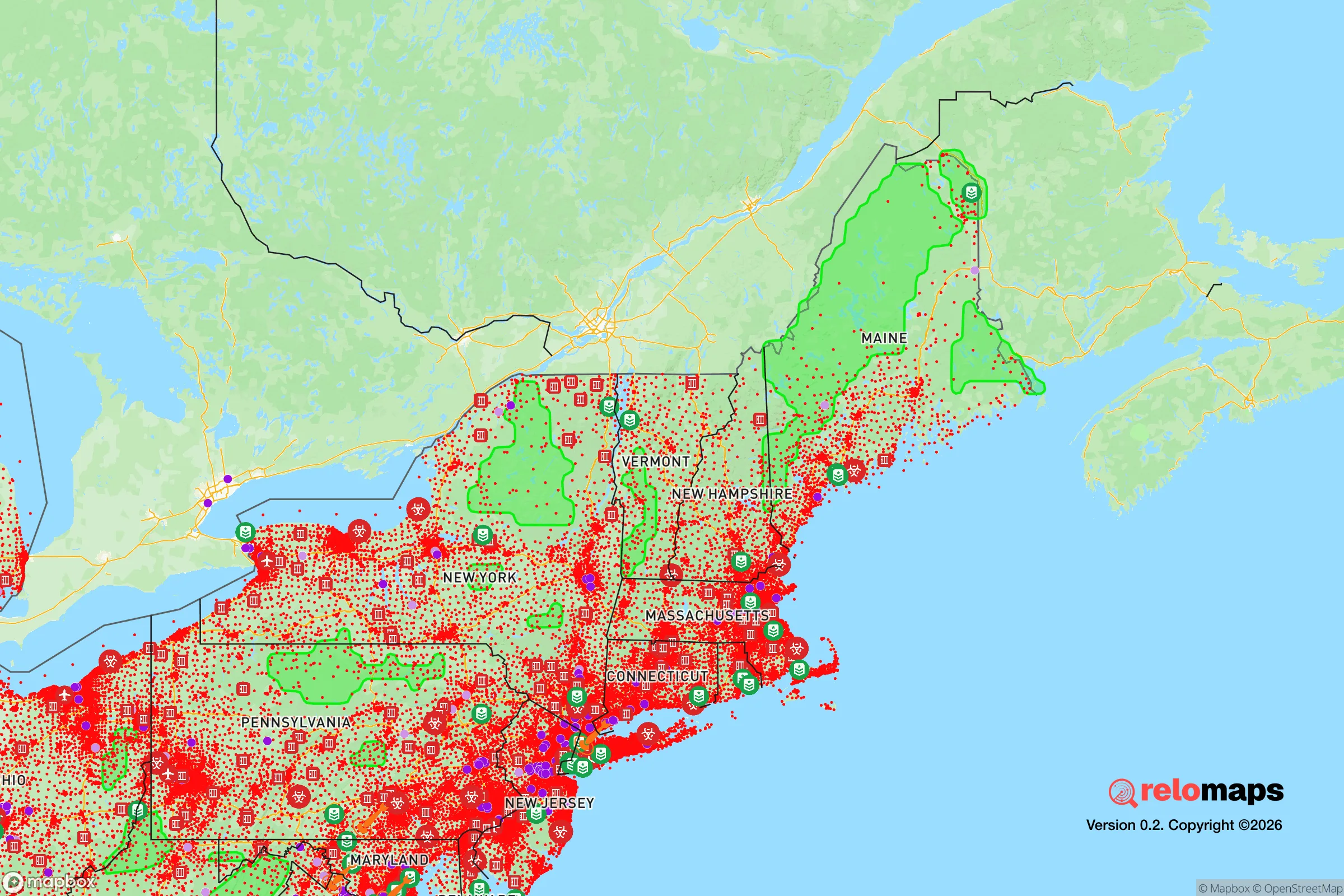
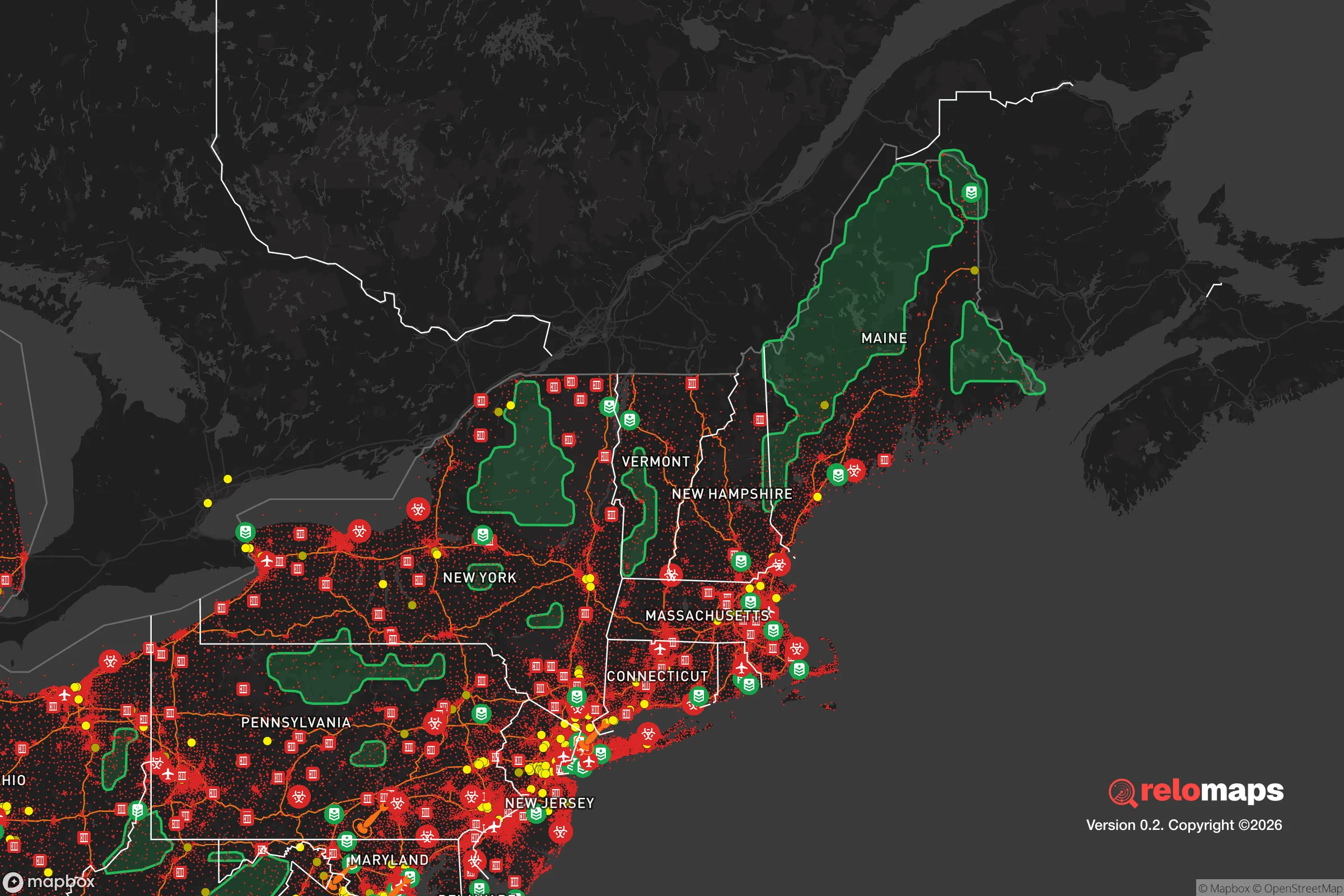


Important Note: For informational purposes only. This does not mean nothing bad ever happens in the green zones. Please use common sense. This is based on public data and modeled with AI. We tried to take a conservative approach but mistakes happen. We update this regularly as new information becomes available.
Solar Generator Recommendations
Backup power matters more here than in safer locations. We've picked three solar generators across budgets and capacity tiers — start with the budget unit if you only need a few essentials, or step up if you want to run a fridge and HVAC for days at a time.

Jackery Portable Power Station Explorer 300
Budget OptionPower on the Go: Weighing only 11 lbs, it's convenient to set up and store with book-sized foldable solar panels

BLUETTI Portable Power Station AC180
Designed for both indoor and outdoor scenarios, AC180 is highly capable as it has a robost capacity and continuous output power.

EF ECOFLOW DELTA Pro Ultra Power Station
Upgraded PickEcoFlow DELTA Pro Ultra is a whole-home energy system designed to grow with your family. Integrated with the Smart Home Panel 2, it scales to meet your evolving energy needs — keeping your home powered, intelligent, and secure through every stage of life.
We earn a commission, at no additional cost to you.
Strategic Assessment Analysis
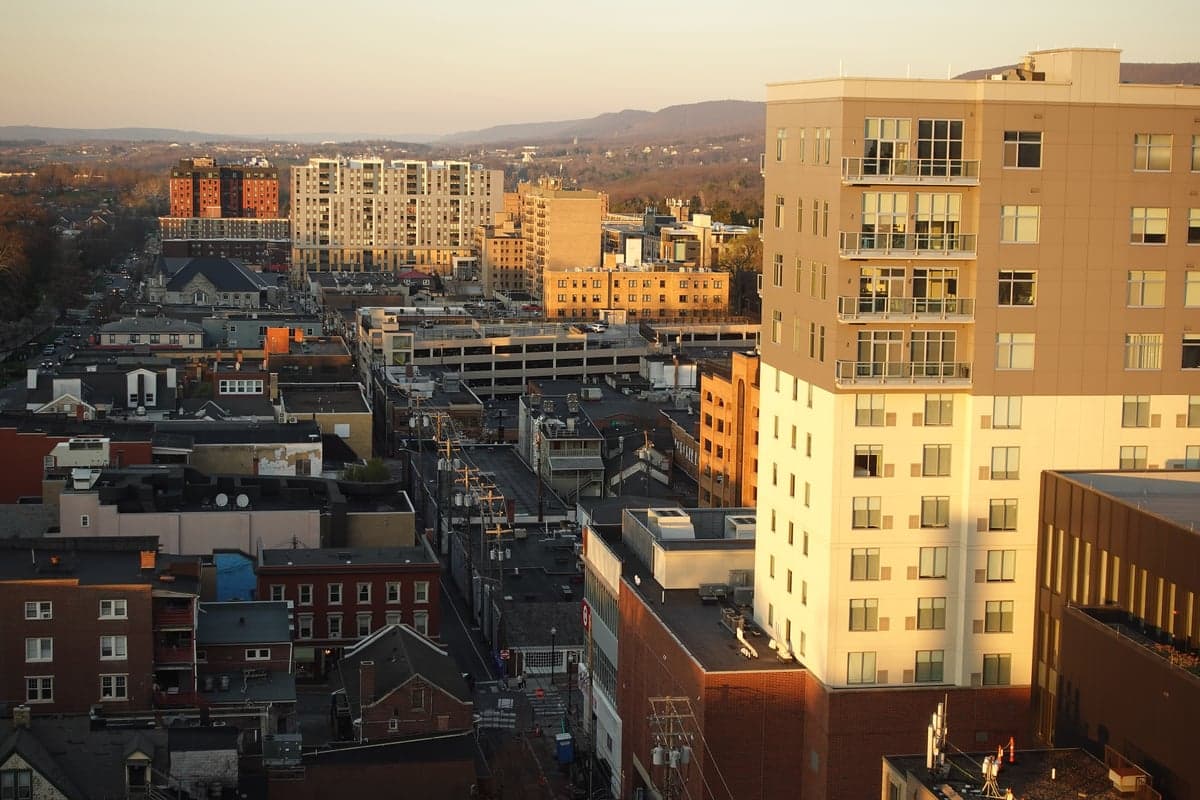
State College, Pennsylvania, presents a paradox for the strategic relocator: it is a blue island in a red sea, but its geographic isolation, robust infrastructure, and deep agricultural roots offer a resilience profile that deserves a hard look. While the presence of Penn State University creates a liberal cultural bubble and a potential single-point-of-failure for the local economy, the surrounding Centre County is a different beast—rural, resource-rich, and far enough from the major eastern seaboard corridors to offer genuine breathing room. For someone thinking in terms of decades, not election cycles, this area’s real advantage is its position: close enough to supply chains but far enough from the blast zones.
Geographic isolation and natural buffer zones in central Pennsylvania
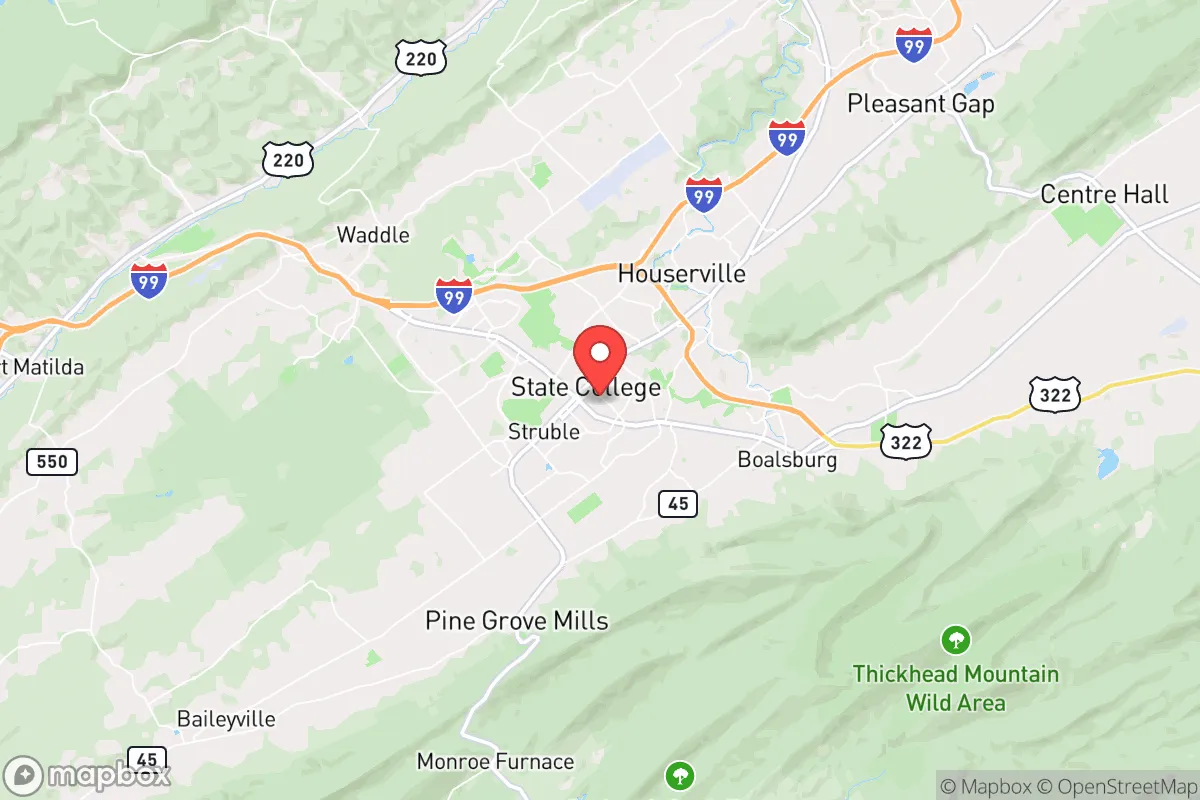
State College sits in the Nittany Valley, ringed by the Allegheny Front and Bald Eagle Ridge—natural barriers that create a genuine defensive geography. The area is roughly a three-hour drive from Pittsburgh, Philadelphia, and Washington, D.C., placing it outside the immediate fallout radius of any major metropolitan target. The surrounding terrain is a mix of state game lands, working farms, and second-growth forest, which means ample cover and resources for those willing to work the land. The local watershed is fed by the West Branch Susquehanna River and dozens of limestone springs, giving the area a reliable water supply that doesn't depend on fragile municipal systems. For the prepper, this is not a bug—it's a feature. The mountains also create a natural radio shadow that can complicate communications but also shields against some forms of electromagnetic pulse (EMP) effects, particularly from high-altitude bursts that would fry electronics in flatter, more exposed regions.
Risks, exposures, and proximity to high-value targets
The elephant in the room is Penn State University—a massive, 46,000-student campus that is a soft target for civil unrest, biological incidents, or a coordinated attack. The university's administration is deeply progressive, and the student body has a history of activism that could spill into the surrounding community during a national crisis. Additionally, State College is within 100 miles of the Susquehanna Steam Electric Station (a nuclear plant) and the Letterkenny Army Depot, which stores munitions and could be a secondary target. The area also sits under the flight path for military aircraft from the 193rd Special Operations Wing in Harrisburg. While these are not immediate threats, they are proximity risks that a strategic relocator must factor into their planning. On the plus side, the local population density is low—Centre County has about 160,000 people spread over 1,110 square miles—meaning that a mass evacuation scenario would be far less chaotic than in the suburbs of Philadelphia or New York. The biggest practical risk is winter weather: the area averages 45 inches of snow annually, and ice storms can knock out power for days. That's a manageable challenge if you're prepared, but it's a real one.
Practical resilience: food, water, energy, and defensibility
For the relocator focused on self-sufficiency, State College offers genuine advantages. The surrounding farmland produces corn, soybeans, hay, and dairy, and there are dozens of small-scale farms within a 20-minute drive that sell direct to consumers. The local food co-op and farmers' markets operate year-round, and the area has a strong culture of hunting and fishing—deer, turkey, and trout are abundant in the nearby state forests. Water is not a concern: the region sits on a karst aquifer system that provides clean groundwater, and many rural properties have their own wells. For energy, the area is served by West Penn Power, but the grid is aging and vulnerable to ice storms. Solar is viable here—the region gets about 200 sunny days per year—and many preppers have already installed off-grid systems. Firewood is plentiful and cheap, with state forest permits allowing for personal harvest. Defensibility is mixed: the valley floor is open and exposed, but the surrounding ridges offer excellent vantage points and choke points. A small, well-prepared group could secure a farmstead in the Bald Eagle Valley or along the Spruce Creek corridor with relative ease. The local gun culture is strong but not aggressive—Centre County is a mix of hunters and sport shooters, and the sheriff's office is generally supportive of Second Amendment rights. That said, the university's influence means that local politics can shift quickly, and the area is not immune to the kind of zoning and land-use restrictions that plague more liberal enclaves.
The overall strategic picture for State College is one of cautious optimism for the prepared relocator. It is not a survivalist paradise—the university creates a cultural and economic dependency that could become a liability in a prolonged crisis. But the natural geography, water resources, and agricultural base provide a solid foundation for a long-term resilience plan. The key is to buy land outside the immediate State College bubble—think places like Bellefonte, Millheim, or Coburn—where you can establish a foothold before the next wave of unrest hits the cities. If you're looking for a place that balances access to modern infrastructure with genuine escape routes, and you're willing to navigate the cultural friction of living in a blue town in a red county, this area deserves a spot on your short list. Just don't expect to be welcomed with open arms if you fly a Trump flag on your truck—keep your head down, build your supplies, and let the terrain do the talking.

* Values derived from national, state, county, city and local statistics and may differ in a specific area. Last updated: 2026-05-01T04:11:40.000Z
Narrative content on this page is AI-generated and may contain mistakes. Verify any details that matter before acting on them.
ReloMaps may earn a commission from affiliate links at no extra cost to you.

