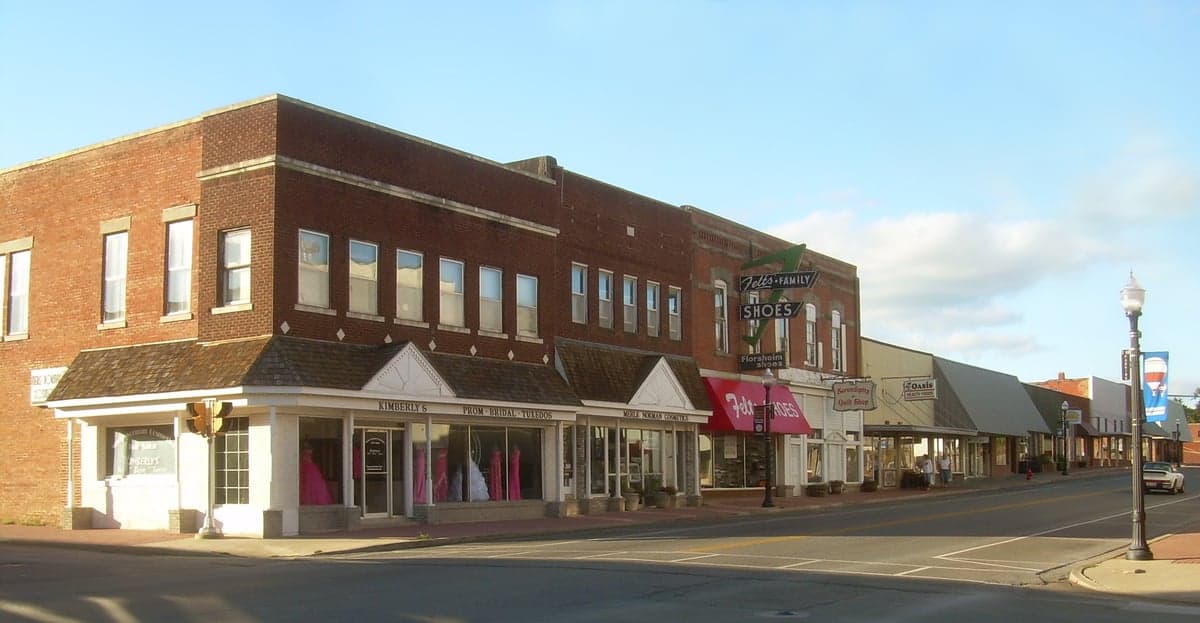
Photo: Wikipedia
Quality of Life in Tahlequah, OK
Above-average quality of iife. The area offers a reasonable cost of living, decent mobility, and a mix of neighborhood amenities.
What does Quality of Life tell us?
Quality of Life blends cost of living, nearby amenities, socioeconomic signals, and neighborhood character. City-level scores represent the whole municipality; individual neighborhoods can differ.
What does this tell us?
Quality of Life blends cost of living, nearby amenities, socioeconomic signals, and neighborhood character. City-level scores represent the whole municipality; individual neighborhoods can differ.
Cost of Living
33% below national average
The Real Cost of Living in Tahlequah, OK for 2026
| Tier | Individual | Family (4) |
|---|---|---|
| Survival | $13k | $24k |
| Comfortable | $36k | $52k |
| Luxury | $88k+ | $136k+ |
| Elite (Top 5%) | $133k+ | $207k+ |
93%
The Area Signal
A metric tracking the socioeconomic signals of the area.
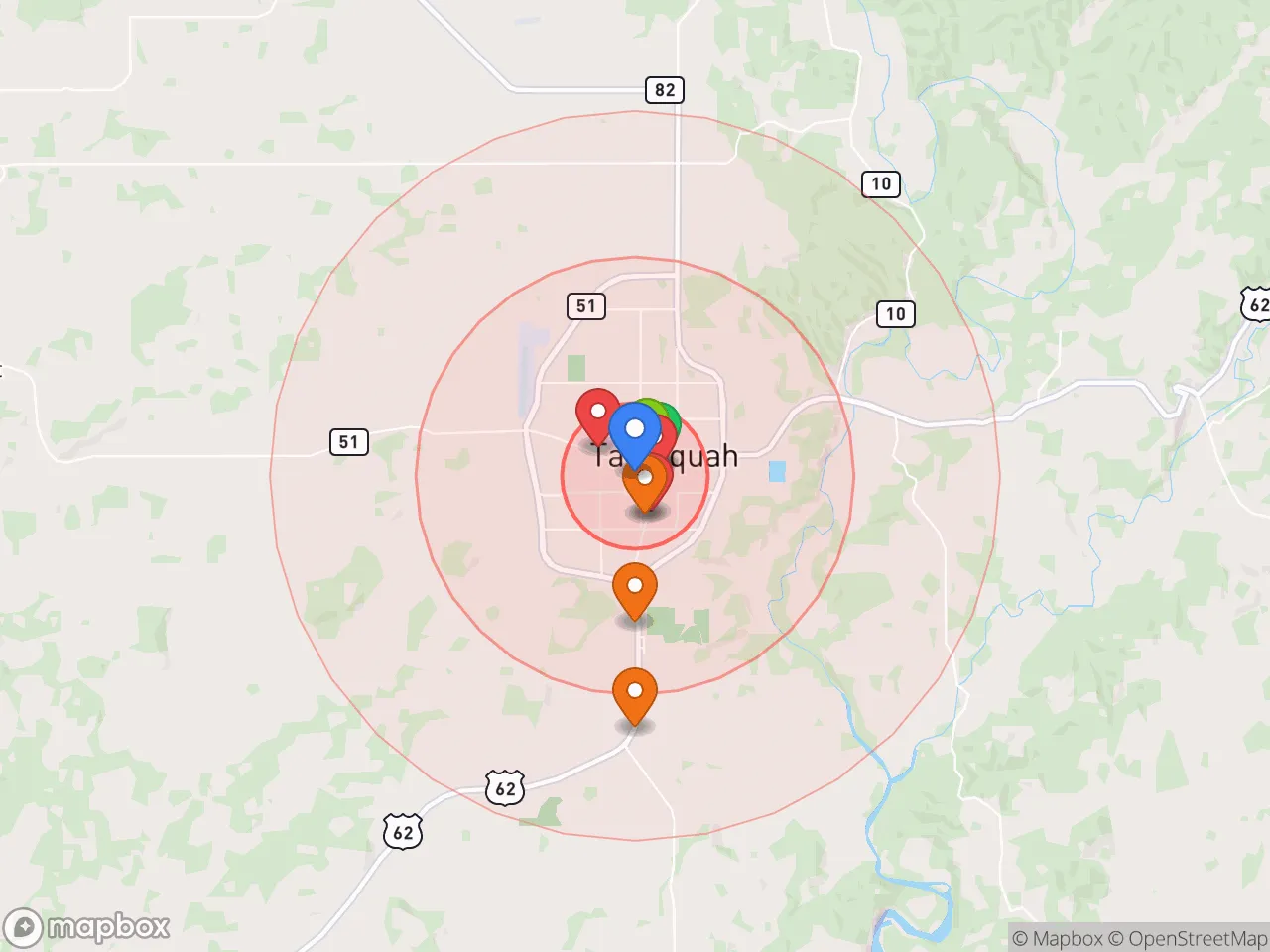
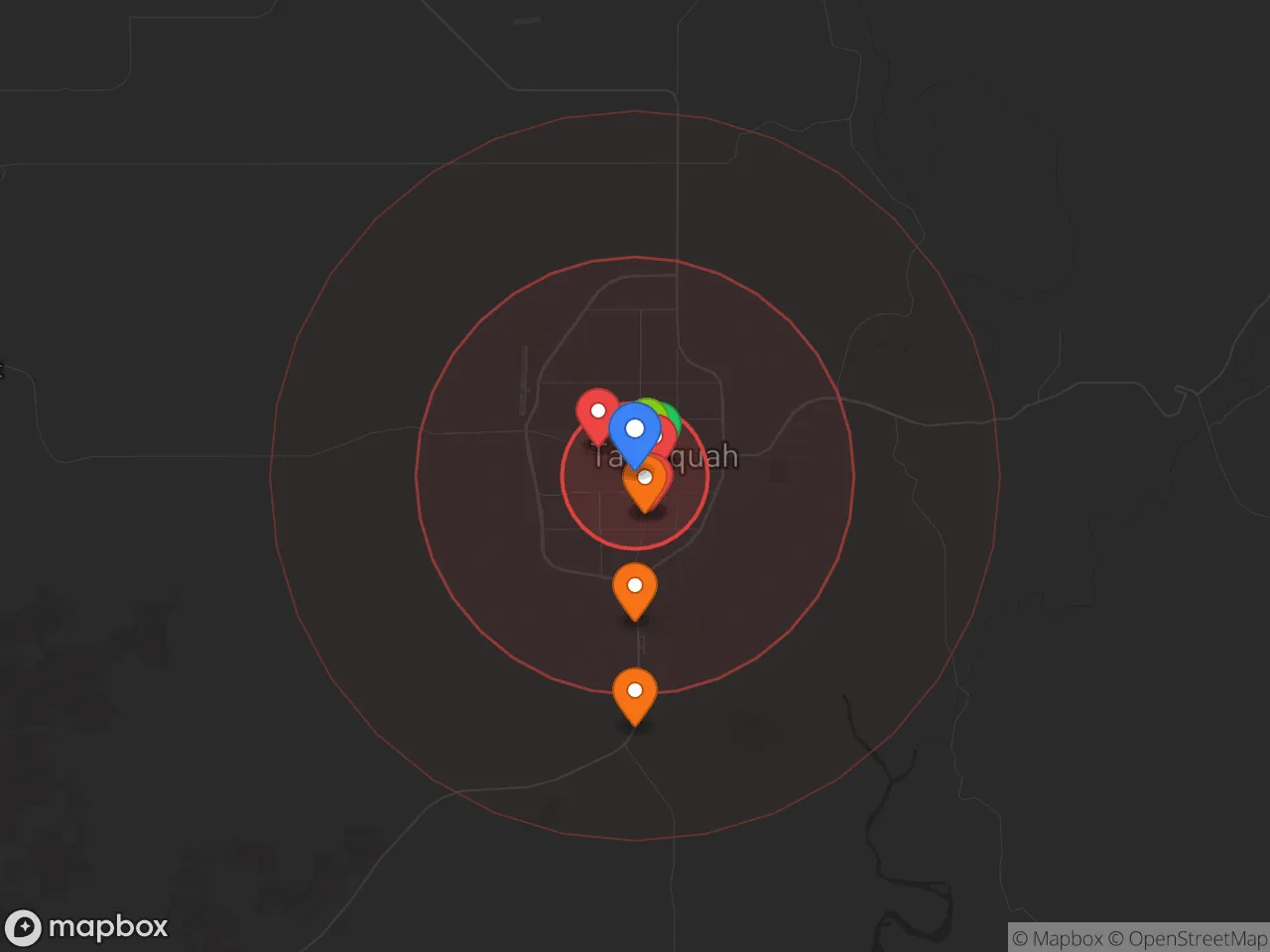
Hobbies
Explore the areaGroceries
1 within 10 miles
Gas
7 within 10 miles
Hospital
3 within 20 miles
Airport
MCI — Kansas City International
Post Office
USPS — Tahlequah, OK
Critical Amenities
Quality-of-Life Analysis
Tahlequah, Oklahoma, presents a quality of life defined by modest affluence and a strong sense of community, anchored by the presence of Northeastern State University and the Cherokee Nation headquarters. The area's cost of living is significantly below the national average, attracting a mix of university faculty, healthcare workers, tribal government employees, and retirees seeking a slower pace. With a median household income that trails state and national figures, Tahlequah offers a comfortable, if not wealthy, lifestyle for those who prioritize community and natural surroundings over high earnings.
Cost of living, housing affordability, and how Tahlequah compares to nearby towns
Tahlequah's cost of living index sits at 67, a full 33 points below the U.S. average of 100, making it one of the most affordable places in the region. This low index is driven primarily by housing: the median home value is $182,800, and the median rent is $794 per month. For context, a comparable home in nearby Muskogee (30 miles west) might run around $150,000, while in Fayetteville, Arkansas (70 miles east), the median home value exceeds $300,000. Renters in Tahlequah pay roughly $200 less per month than the national median, a significant savings. The average commute of 22.4 minutes is slightly shorter than the national average of 26 minutes, reflecting the compact nature of the town and its surrounding rural areas. While wages are lower here than in larger metros, the housing-cost-to-income ratio remains manageable for most dual-income households and university employees.
What daily life is like for families: schools, amenities, and community rhythm
Daily life in Tahlequah revolves around the university calendar, tribal events, and outdoor recreation. The Tahlequah Public Schools system serves roughly 4,000 students, with Tahlequah High School offering dual-enrollment programs through Northeastern State University. For healthcare, residents rely on Cherokee Nation W.W. Hastings Hospital and Northeastern Health System, which provide comprehensive services without requiring long drives to Tulsa (70 miles north). Grocery and retail options are concentrated along Muskogee Avenue and Southridge Drive, anchored by a Walmart Supercenter and local markets like the Tahlequah Farmers' Market (seasonal). The town's rhythm is notably slower than suburban Tulsa; restaurants and shops often close by 9 p.m., and weekend evenings are quiet. Outdoor amenities are a major draw: the Illinois River offers canoeing and fishing, while the Ozark Plateau National Wildlife Refuge provides hiking trails within a 15-minute drive. Cultural life centers on the Cherokee Heritage Center and the university's performing arts series, which brings touring acts to the 1,200-seat NSU Center for the Performing Arts.
Who thrives in Tahlequah? The town best suits people who value low cost of living, access to nature, and a tight-knit community over urban nightlife or high-end shopping. It works well for university-affiliated professionals, tribal government workers, remote employees who can tolerate slower internet speeds in outlying areas, and retirees on fixed incomes. Those seeking career growth in corporate sectors or frequent cultural events will find the 70-mile drive to Tulsa necessary. For families and individuals who prioritize affordability, outdoor recreation, and a strong sense of place, Tahlequah offers a stable, grounded quality of life that is increasingly rare in the region.

Crime in Tahlequah, OK
Lower crime rates than 87% of comparable U.S. locations.
Violent CrimeViolent Crime Analysis
Property CrimeProperty Crime Analysis
Crime Analysis
Tahlequah, Oklahoma, reports a violent crime rate of 45.6 incidents per 100,000 residents, a figure that is significantly lower than both the Oklahoma state average and the national median. However, the city's property crime rate stands at 1,767.4 per 100,000, which is substantially higher than national benchmarks. This divergence creates a nuanced safety picture where residents face a low risk of violent confrontation but a notably elevated risk of theft, burglary, and other property-related offenses.
Crime in context
To understand Tahlequah's safety profile, it is essential to compare its rates to broader averages. The city's violent crime rate of 45.6 per 100,000 is roughly 87% lower than the national average of approximately 380 per 100,000, and well below Oklahoma's statewide rate of about 460 per 100,000. This places Tahlequah among the safest small cities in the state for violent offenses like assault, robbery, and homicide. Conversely, the property crime rate of 1,767.4 per 100,000 is roughly 30% higher than the national average of about 1,350 per 100,000. This elevated rate is driven primarily by larceny-theft and burglary, which are common in college towns and communities with significant transient populations, such as those associated with Northeastern State University.
What residents experience
For daily life in Tahlequah, the practical impact of these statistics is clear. Residents generally report feeling safe walking during the day and in residential neighborhoods, but they must take proactive steps to secure property. Vehicle break-ins and package theft are the most frequently reported property crimes, particularly near the university campus and downtown commercial areas. The low violent crime rate means that random acts of violence are rare, but domestic incidents and alcohol-related disturbances do occur, especially on weekends. The Cherokee County Sheriff's Office and Tahlequah Police Department maintain a visible presence, though response times can vary in more rural parts of the county. It is worth noting that the local justice system, like many in Oklahoma, operates under state-level sentencing guidelines that are generally considered tough on crime, which may contribute to the low violent crime figures.
Neighborhood-level variation in Tahlequah is modest but noticeable. The historic downtown district and areas immediately surrounding the university see higher foot traffic and correspondingly higher rates of petty theft and vandalism. In contrast, newer subdivisions on the city's north and west sides, such as those near the Cherokee Nation's W.W. Hastings Hospital, report lower property crime rates. Rural areas within the city limits, particularly along the Illinois River corridor, experience very low crime overall but are more vulnerable to isolated burglaries. Prospective residents should prioritize properties with good lighting, secure parking, and proximity to active neighbors, as these factors consistently correlate with lower incident rates in Tahlequah's specific context.
* Values derived from national, state, county, city and local statistics and may differ in a specific area. Last updated: 2026-04-25T13:51:00.000Z
Narrative content on this page is AI-generated and may contain mistakes. Verify any details that matter before acting on them.
ReloMaps may earn a commission from affiliate links at no extra cost to you.

