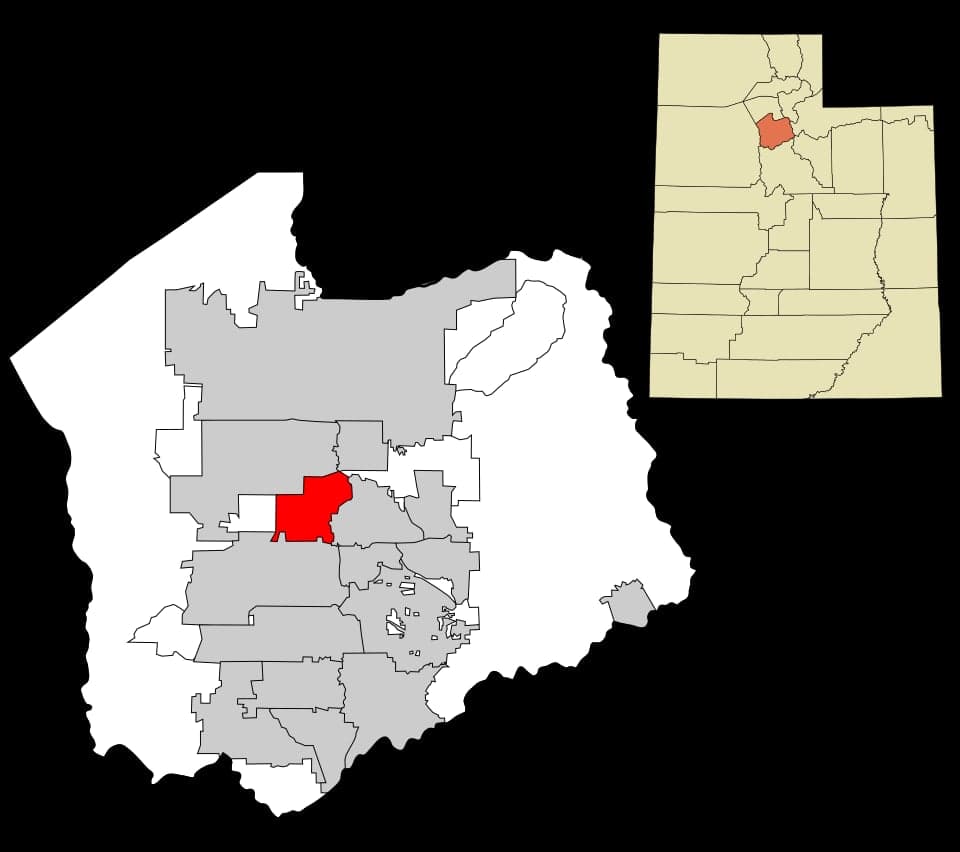
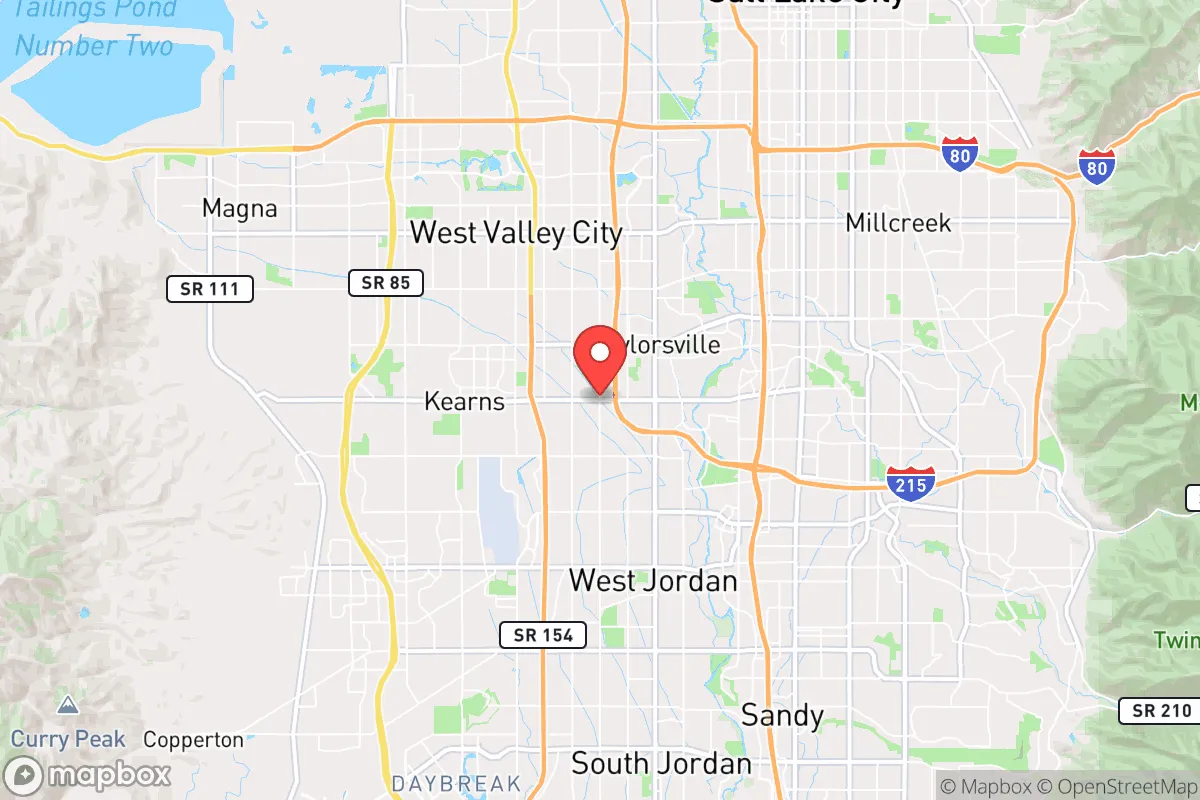
Photo: Wikipedia
Quality of Life in Taylorsville, UT
Above-average quality of iife. The area offers a reasonable cost of living, decent mobility, and a mix of neighborhood amenities.
What does Quality of Life tell us?
Quality of Life blends cost of living, nearby amenities, socioeconomic signals, and neighborhood character. City-level scores represent the whole municipality; individual neighborhoods can differ.
What does this tell us?
Quality of Life blends cost of living, nearby amenities, socioeconomic signals, and neighborhood character. City-level scores represent the whole municipality; individual neighborhoods can differ.
Cost of Living
30% above national average
The Real Cost of Living in Taylorsville, UT for 2026
| Tier | Individual | Family (4) |
|---|---|---|
| Survival | $23k | $43k |
| Comfortable | $77k | $114k |
| Luxury | $115k+ | $179k+ |
| Elite (Top 5%) | $135k+ | $210k+ |
75%
The Area Signal
A metric tracking the socioeconomic signals of the area.
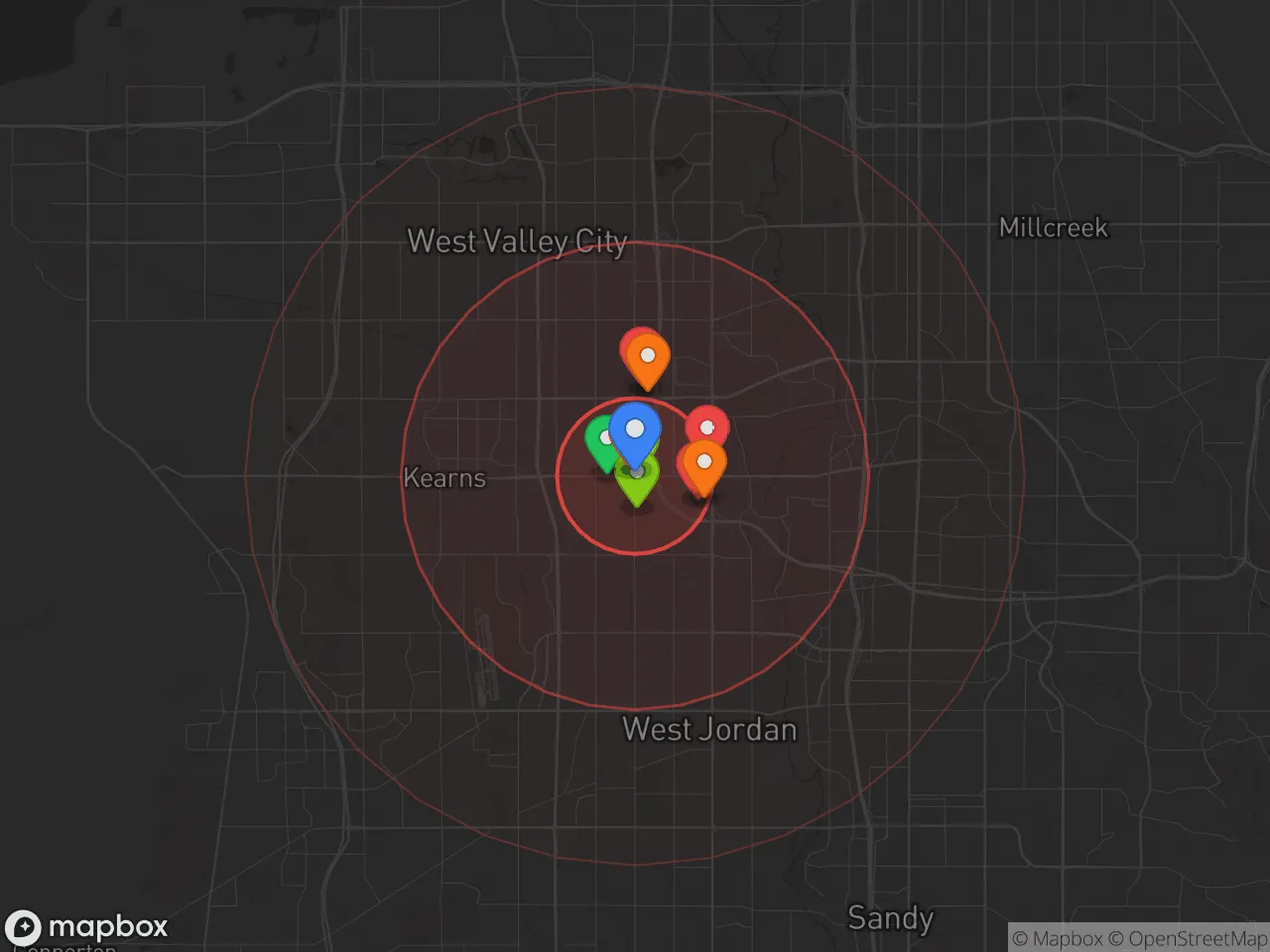
Hobbies
Explore the areaGroceries
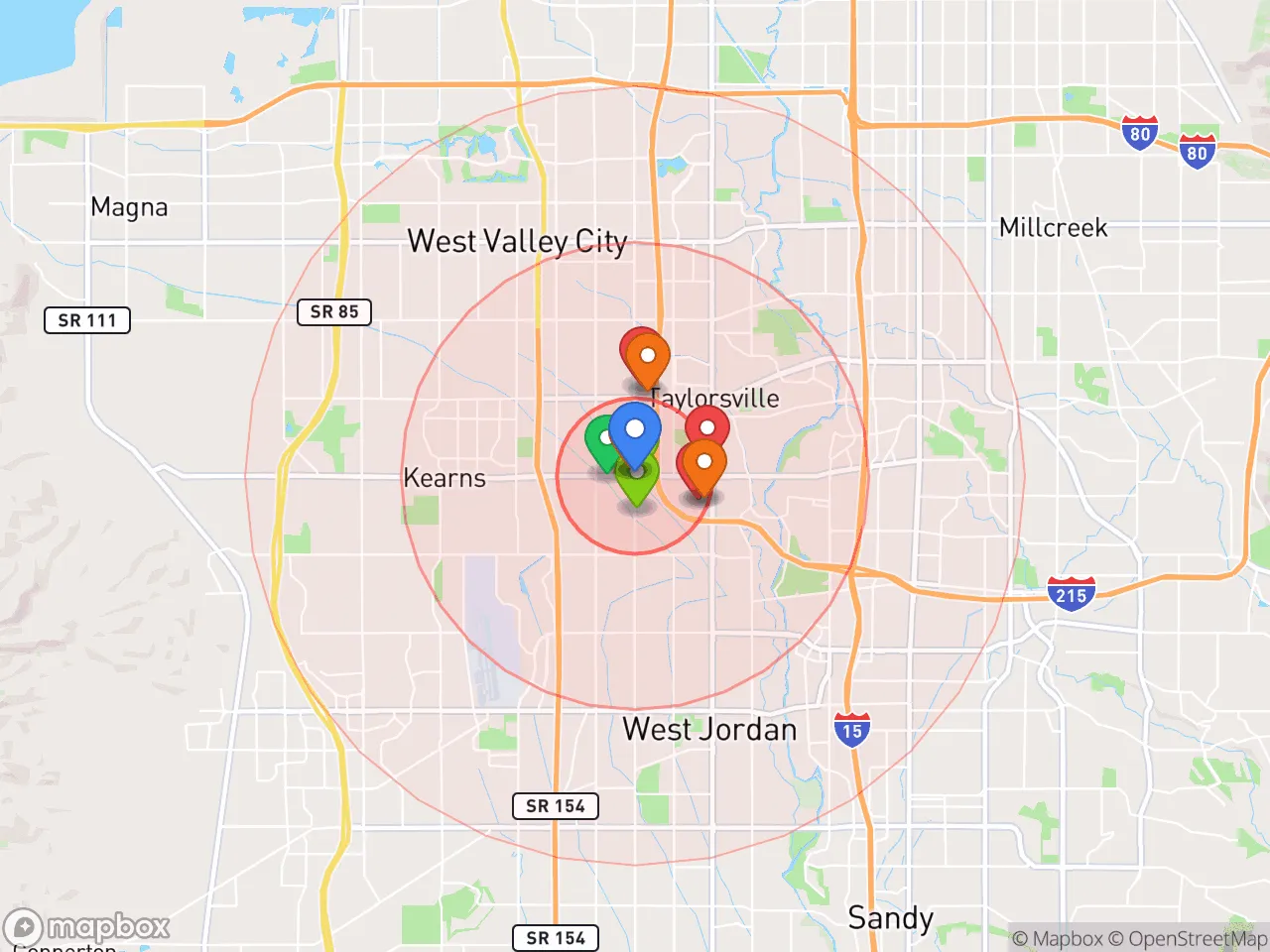
6 within 10 miles
Gas
20 within 10 miles
Hospital
20 within 20 miles
Airport
SLC — Salt Lake City International
Post Office
USPS — Salt Lake City, UT
Critical Amenities
Quality-of-Life Analysis
Taylorsville, Utah, is a solidly middle-to-upper-middle-class suburb in the Salt Lake Valley, with a cost of living index of 130 (30% above the national average) that reflects its desirability and proximity to Salt Lake City. The area is predominantly composed of families and long-term residents, many of whom work in the nearby tech, healthcare, and government sectors, drawn by the city’s balance of suburban quiet and urban access. With a median home value of $398,900 and a median rent of $1,432, Taylorsville offers a more attainable entry point into the Salt Lake Valley housing market compared to pricier neighbors like Cottonwood Heights or Holladay, while still commanding a premium over more distant suburbs like West Valley City.
Cost of living, housing affordability, and how Taylorsville compares to nearby cities
Taylorsville’s cost of living index of 130 is driven primarily by housing, which is roughly 35% above the national average but remains a relative bargain within the Salt Lake Valley. The median home value of $398,900 is notably lower than the Salt Lake City metro median of approximately $520,000, making Taylorsville a practical choice for first-time homebuyers and families seeking more square footage for their dollar. Median rent at $1,432 is also below the metro average of roughly $1,600, though it has risen about 8% since 2020 as demand for valley-floor housing has intensified. The average commute of 21.9 minutes is shorter than the national average of 26 minutes, thanks to easy access to I-215 and I-15, which connect residents to downtown Salt Lake City (15–20 minutes) and the tech corridor in Lehi (25–30 minutes). Compared to nearby Murray, where median home values exceed $450,000, Taylorsville offers similar commute times and school quality at a lower price point, though property taxes in Salt Lake County average about 0.65% of assessed value, slightly above the Utah state average of 0.57%.
What daily life is like for families: schools, parks, and local amenities
Daily life in Taylorsville centers on its strong public school system, part of the Granite School District, which includes Taylorsville High School (rated 7/10 on GreatSchools) and several elementary schools with above-average test scores. The city’s 20 parks, including the 40-acre Taylorsville Park with sports fields and a splash pad, provide ample outdoor recreation, while the nearby Jordan River Trail offers a paved path for biking and walking that connects to the larger Salt Lake Valley trail network. Shopping and dining are concentrated along Redwood Road and 5400 South, with big-box retailers like Walmart and Costco alongside local eateries such as the popular Greek restaurant, The Acropolis. The city lacks a dedicated downtown core, but residents rely on the nearby Valley Fair Mall and the newly developed Station Park in Farmington for entertainment. The population of roughly 60,000 is predominantly LDS (around 60%), which shapes community rhythms—Sunday closures are common, and many neighborhood events are church-affiliated, though non-LDS residents find active community groups through the Taylorsville Recreation Center and local libraries.
Families and professionals seeking a quieter, more affordable alternative to Salt Lake City’s core neighborhoods will thrive in Taylorsville, especially those who prioritize short commutes, good schools, and access to outdoor recreation without the premium price tag of Cottonwood Heights or Park City. The city’s demographic stability—with a median age of 32 and a homeownership rate of 65%—indicates a community where residents tend to stay long-term, fostering strong neighborhood ties. However, those seeking a vibrant nightlife or walkable urban environment may find Taylorsville too suburban, as most errands require a car and evening entertainment options are limited to a few chain restaurants and movie theaters. For buyers and renters priced out of central Salt Lake City but unwilling to sacrifice commute times, Taylorsville represents one of the best value propositions in the valley.

Crime in Taylorsville, UT
Generally safer than 67% of comparable U.S. locations.
Violent CrimeViolent Crime Analysis
Property CrimeProperty Crime Analysis
Crime Analysis
Taylorsville, Utah, reports a violent crime rate of 185.3 incidents per 100,000 residents and a property crime rate of 1,736.1 per 100,000, according to the most recent data. While these figures place Taylorsville below the national average for violent crime, the property crime rate is notably elevated, reflecting challenges common to suburban communities adjacent to a major metropolitan hub like Salt Lake City. Residents should be aware that the city’s proximity to a large metro area introduces crime patterns influenced by regional justice policies, which merit close attention.
Crime in context
Taylorsville’s violent crime rate is roughly 50% lower than the national average, a positive indicator for personal safety. However, its property crime rate sits approximately 15% above the national average, driven largely by theft and vehicle break-ins. When compared to the state of Utah’s overall rates—which are among the lowest in the nation for violent crime—Taylorsville performs worse on property offenses. The city’s location within the Salt Lake City metropolitan area means it is subject to the broader criminal justice environment of Salt Lake County. Salt Lake County has seen a trend toward progressive prosecution policies, including reduced sentencing for certain property crimes and diversion programs for repeat offenders. While these policies aim to reduce incarceration, critics argue they contribute to higher recidivism and embolden property criminals, directly impacting suburban communities like Taylorsville that absorb spillover from the urban core.
What residents experience
In daily life, Taylorsville residents most frequently encounter property crimes such as car burglaries, package theft, and vandalism. Neighborhood watch groups and social media forums regularly report incidents of stolen mail and unlocked vehicle entries, particularly in areas near major arterials like Redwood Road and 5400 South. Violent crime is rare but not absent; isolated incidents of assault and robbery occur, often tied to domestic disputes or late-night commercial areas. The city’s police department maintains a visible presence, but resource constraints and a countywide focus on diversion over incarceration mean that property crime suspects are often cited and released rather than held, frustrating victims who see little consequence for offenders. This pattern is consistent with the progressive justice approach in Salt Lake County, where district attorneys prioritize treatment and alternatives to jail for non-violent offenders—a philosophy that, while well-intentioned, can leave communities feeling unprotected against habitual property criminals.
Neighborhood-level variation is significant. Areas west of I-15, particularly around 6200 South and 3200 West, report higher property crime densities due to easier freeway access and a concentration of apartment complexes. In contrast, the eastern residential sections near 1300 East and 5400 South see fewer incidents, benefiting from lower-density single-family homes and active block-watch programs. Prospective residents should research specific blocks and consider proximity to transit corridors, as crime risk in Taylorsville is highly localized rather than uniform across the city.
* Values derived from national, state, county, city and local statistics and may differ in a specific area. Last updated: 2026-05-03T20:37:38.000Z
Narrative content on this page is AI-generated and may contain mistakes. Verify any details that matter before acting on them.
ReloMaps may earn a commission from affiliate links at no extra cost to you.

