Political ClimatePolitical Climate in Tega Cay, SC
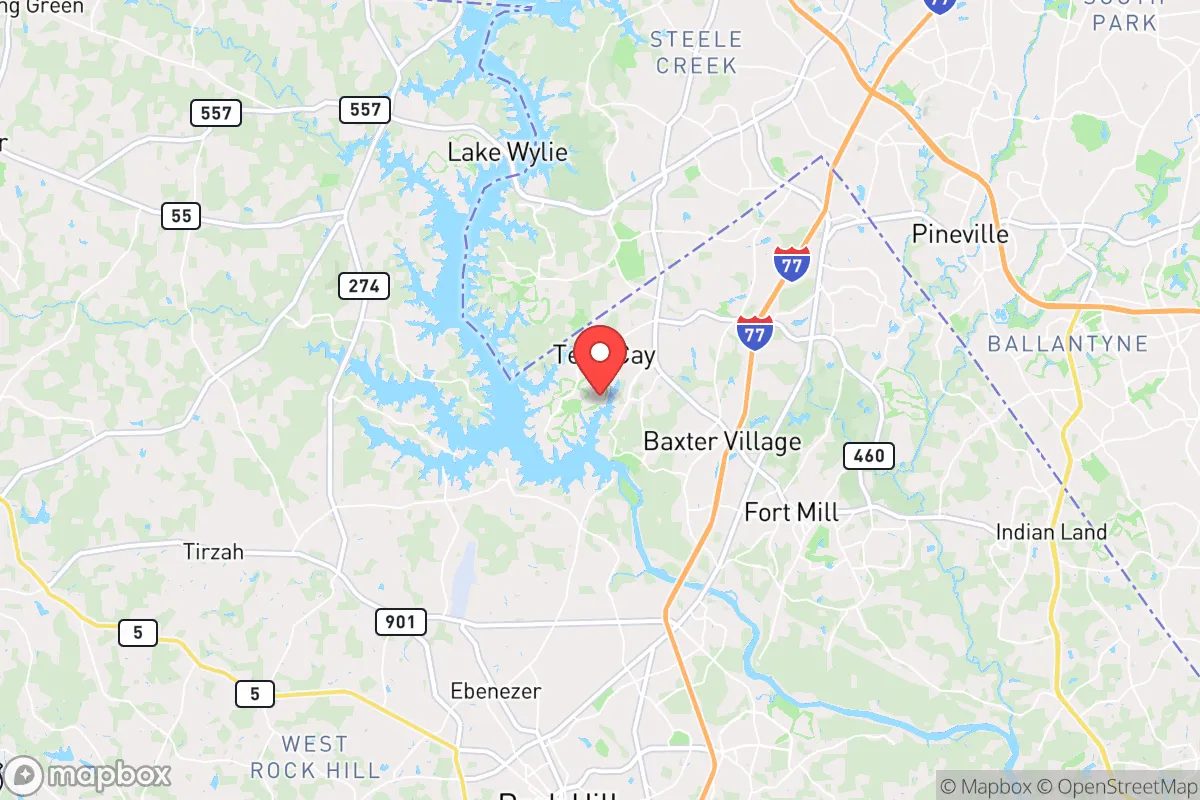
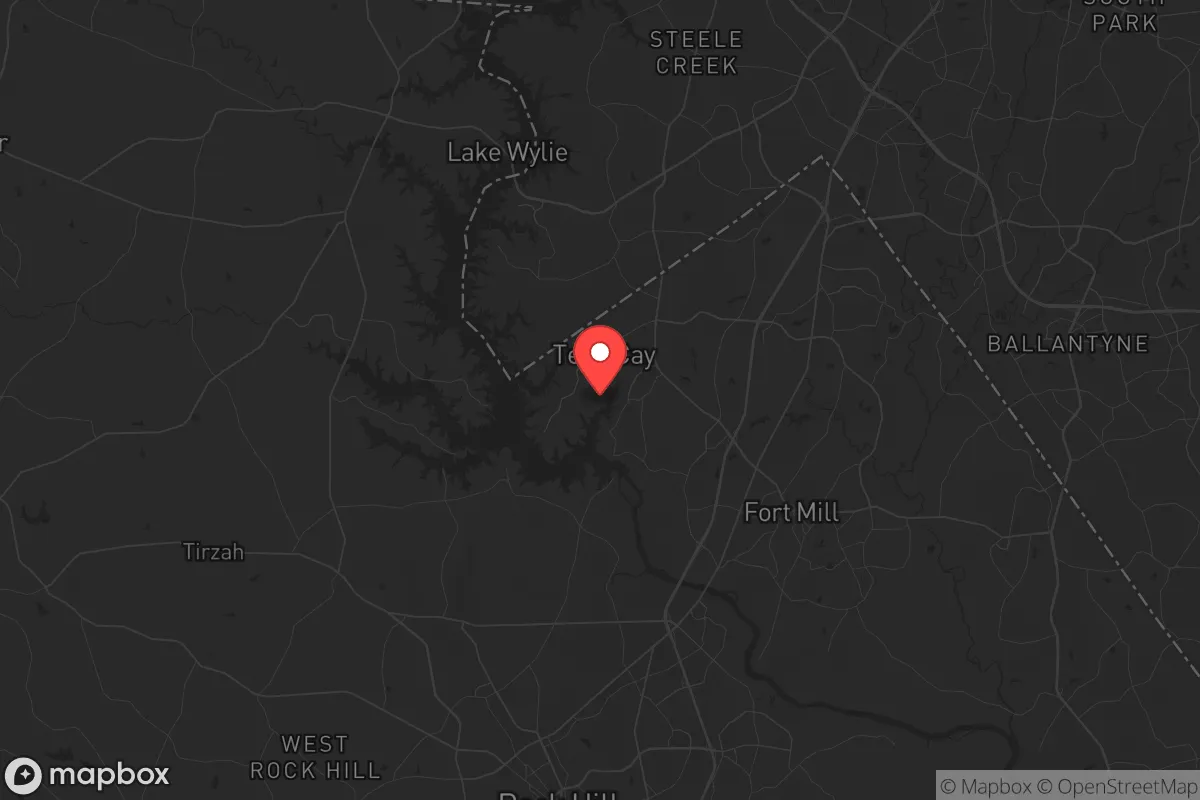
District shown is the primary district for this city’s centroid. Cities may span multiple districts.
Local Political AnalysisPolitical Analysis of Tega Cay, SC
Tega Cay leans solidly conservative, with a Cook PVI of R+11 that puts it well to the right of the national average. This isn't a recent shift—the city has long been a stronghold for traditional values, and the political trajectory here has been remarkably stable compared to the volatility seen in nearby Charlotte or even Rock Hill. If you're looking for a place where the political culture hasn't been upended by the progressive wave washing over much of the metro area, Tega Cay is about as steady as it gets.
How it compares
Drive ten minutes north into Fort Mill, and you'll find a similar conservative bent, though Fort Mill's rapid growth has brought in more transplants from blue states, diluting the local flavor a bit. Head south to Rock Hill, and the contrast is stark—Rock Hill has shifted noticeably leftward in recent cycles, with city council races and local ballot measures reflecting a more progressive tilt. Tega Cay, by contrast, has largely resisted that drift. The city's politics are more in line with the surrounding York County majority, where fiscal conservatism and a skepticism of government overreach into personal freedoms remain the default. You won't see the kind of zoning fights or school board controversies here that you'd find in more politically mixed suburbs. The local elections tend to be low-key affairs, often decided by a few hundred votes, with candidates running on platforms of limited government and property rights.
What this means for residents
For someone who values personal freedoms and wants to keep government out of their daily life, Tega Cay's political climate is a breath of fresh air. The city council and local boards have historically been reluctant to impose new regulations on homeowners—no overreaching rental caps, no heavy-handed noise ordinances, and no push to adopt the kind of "equity" policies that have crept into school districts elsewhere. Property taxes remain relatively low, and there's a general trust that local leaders will prioritize public safety and infrastructure over social engineering. That said, the stability cuts both ways. If you're hoping for rapid change or new amenities funded by higher taxes, you'll be disappointed. The community's conservative majority tends to vote down bond measures and new spending proposals unless they're absolutely necessary. For long-time residents, this is a feature, not a bug—it means the character of the town hasn't been sacrificed to growth.
Culturally, Tega Cay still feels like a small lake town where neighbors know each other and the Fourth of July parade is a bigger deal than any political rally. There's no real appetite for the kind of culture war battles that dominate national headlines. The local schools, part of the Fort Mill School District, have managed to avoid the worst of the curriculum fights, though parents here are quick to push back if they sense any progressive overreach. The biggest policy distinction you'll notice is the city's approach to development: it's pro-business but not pro-corporate, meaning you'll see local small businesses thrive while big-box chains face a more skeptical review process. Looking ahead, the biggest threat to this political equilibrium is the continued influx of out-of-state residents. If the growth pattern of Fort Mill repeats here, the R+11 lean could soften over the next decade. But for now, Tega Cay remains a place where conservative values aren't just tolerated—they're the norm.

State Political ClimatePolitical Climate in South Carolina
State Political AnalysisPolitical Environment in the State
South Carolina has long been a reliably red state, with a solid Republican lean that has only deepened over the past two decades. The GOP holds supermajorities in both chambers of the state legislature, and the state has voted for the Republican presidential candidate in every election since 1980, with margins typically exceeding 10 points. The dominant coalition is a mix of traditional conservatives, evangelical Christians, and a growing number of fiscally-minded transplants from the Northeast and Midwest, who are drawn by low taxes and a slower pace of life. However, the state is not monolithic—the coastal areas and the city of Columbia are showing signs of a slow but steady purple shift, driven by in-migration and younger voters, which is something to keep an eye on if you're considering a move here.
Urban vs. rural divide
The political map of South Carolina is a textbook study in the urban-rural split. The state's most populous county, Greenville County, is a Republican stronghold, but the city of Greenville itself is becoming increasingly moderate and even liberal in its downtown core, thanks to an influx of tech workers and young professionals. Charleston, the state's second-largest city, is the epicenter of the state's blue-leaning trend—its historic peninsula and surrounding suburbs like Mount Pleasant have voted Democratic in recent presidential cycles, driven by tourism, higher education, and a growing professional class. Columbia, the capital, is a purple island in a sea of red, with Richland County consistently voting Democratic due to the presence of the University of South Carolina and a large state government workforce. In contrast, the rural Lowcountry (think Beaufort and Hilton Head) is deeply conservative, as are the Pee Dee region around Florence and the Upstate's exurbs like Easley and Seneca. The real political power still lies in these rural and suburban areas, which is why the state legislature remains so conservative.
Policy environment
South Carolina's policy environment is a dream for those seeking limited government. There is no state income tax on Social Security benefits, and the state's top marginal income tax rate was cut from 7% to 6.4% in 2023, with a path to a flat 6% by 2026. Property taxes are among the lowest in the nation, thanks to a 2006 law that capped annual increases for owner-occupied homes. The state is a "right-to-work" state, and its regulatory climate is consistently ranked as business-friendly by groups like the ALEC. On education, South Carolina has a robust school choice program—the Education Scholarship Trust Fund Program, passed in 2023, provides up to $6,000 per year for private school tuition or homeschooling expenses for eligible families. However, the state's healthcare landscape is a mixed bag: Medicaid expansion has been repeatedly rejected by the legislature, which keeps costs down for taxpayers but leaves a coverage gap for low-income adults. Election laws are strict—voter ID is required, and the state has purged inactive voters from rolls, which conservatives view as integrity measures but progressives call suppression. Overall, the policy environment is designed to keep government small and taxes low, which is exactly what most people moving here want.
Trajectory & freedom
On the freedom front, South Carolina has been moving in a decidedly positive direction over the last five years. The most significant expansion of personal liberty came in 2021 with the passage of constitutional carry (permitless carry of a concealed handgun), making South Carolina the 21st state to adopt the policy. This was a major win for Second Amendment advocates. In 2023, the state passed the Parents' Bill of Rights, which requires schools to notify parents of any changes to a child's mental, emotional, or physical health and to obtain parental consent before administering any health-related surveys. This law also prohibits classroom instruction on sexual orientation or gender identity in grades K-3, a move that has drawn national attention but is popular with conservative families. On the tax front, the legislature has been steadily reducing the state's income tax, with a goal of reaching a flat 6% rate, which would make South Carolina even more competitive with neighboring states like Florida and Tennessee. However, there are concerns about the growth of local government—some counties, particularly Charleston and Richland, have imposed stricter short-term rental regulations and higher impact fees, which some see as an overreach. Overall, the state is trending toward more personal freedom, especially on guns, education, and taxes, but the urban counties are a cautionary tale of what could happen if the state's political balance shifts.
Civil unrest & political movements
South Carolina has not seen the level of civil unrest seen in larger states, but there have been notable flashpoints. The Confederate flag removal from the Statehouse grounds in 2015, following the Charleston church shooting, was a deeply divisive moment that still resonates. The flag's removal was seen by many conservatives as a capitulation to outside pressure, and it remains a touchstone issue in local politics. More recently, the Black Lives Matter protests in 2020 were relatively small compared to other states, but they did lead to the toppling of a Confederate statue on the Statehouse grounds and calls to rename buildings at Clemson and the University of South Carolina. On the right, the Moms for Liberty movement has been highly active in school board races, particularly in Lexington and Greenville counties, pushing for curriculum transparency and parental rights. Immigration politics are less heated here than in border states, but there is a growing concern about the influx of migrants into the state's agricultural and construction sectors. The state has no sanctuary cities, and local law enforcement generally cooperates with ICE. Election integrity remains a hot topic—the state's 2020 election was not marred by major fraud allegations, but the legislature passed a 2021 law that shortened the absentee ballot application window and banned the unsolicited mailing of absentee applications. For a new resident, the political climate is generally calm, but the culture war battles over education and race are alive and well, especially in the suburbs.
Projection
Looking ahead 5-10 years, South Carolina's political trajectory is a tale of two trends. The first is the continued in-migration of conservatives from high-tax states like New York, New Jersey, and California, which is likely to reinforce the state's red lean in the rural and suburban areas. The second is the gradual blueing of the urban cores—Charleston, Greenville, and Columbia are all growing rapidly, and their younger, more diverse populations are voting more Democratic. The key battleground will be the suburbs of these cities, places like Mount Pleasant (Charleston), Simpsonville (Greenville), and Lexington (Columbia). If these suburbs flip blue, the state could become competitive at the statewide level within a decade. However, the state's gerrymandered legislative districts and the strong rural turnout make a Democratic takeover of the legislature unlikely in the near term. The most realistic projection is that South Carolina remains a solidly red state for the next decade, but with a shrinking margin in presidential elections. For a conservative moving here, the state will likely remain a safe haven for traditional values and low taxes, but the culture war battles will intensify in the growing suburbs.
For a new resident, the bottom line is this: South Carolina is a great place to live if you value low taxes, gun rights, and parental control over education. The state is not perfect—the urban areas are becoming more progressive, and the local politics in places like Charleston can feel like a different world from the rest of the state. But if you choose a county like Greenville, Lexington, or York, you'll find a community that largely shares your values and a state government that is actively working to protect your freedoms. Just be aware that the cities are changing, and the political battles you see on the national news are starting to play out in your local school board meetings. Come for the low taxes and the mild winters, but stay engaged in local politics—that's where the real fight for freedom is happening.
* Values derived from national, state, county, city and local statistics and may differ in a specific area. Last updated: 2026-10-10T16:29:09.000Z
Narrative content on this page is AI-generated and may contain mistakes. Verify any details that matter before acting on them.
ReloMaps may earn a commission from affiliate links at no extra cost to you.

