
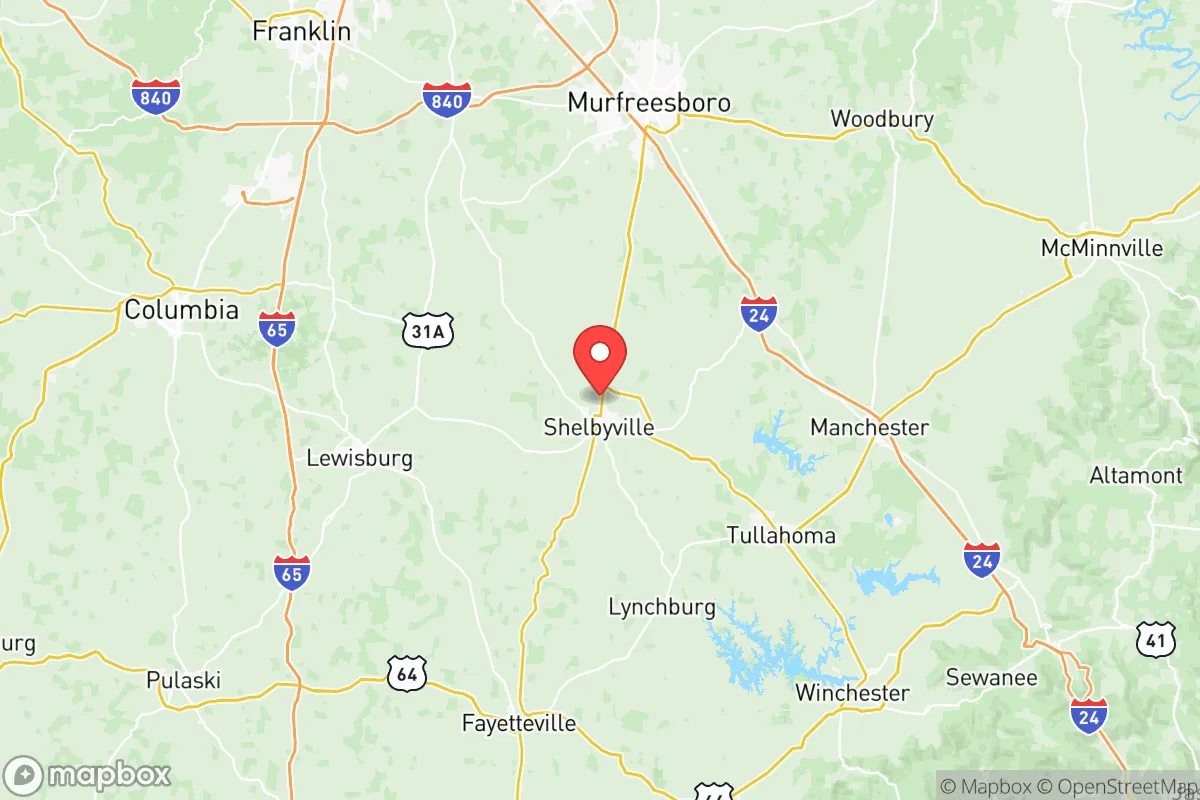
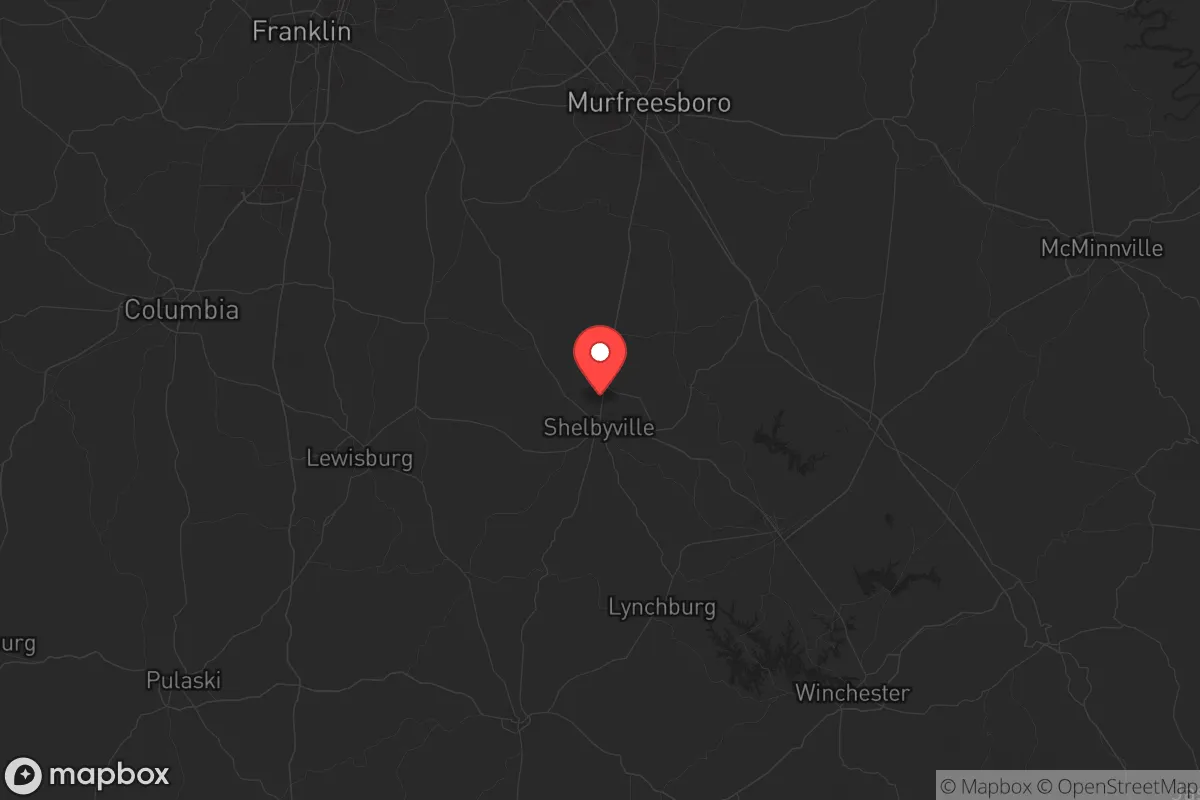
Photo: Wikipedia
Quality of Life in Bedford County
A livable area that tracks near national norms for affordability, walkability, and neighborhood health.
What does Quality of Life tell us?
Quality of Life measures an area by evaluating factors like cost of living, nearby amenities, country club access, airport proximity, socioeconomic signals and neighborhood character. For large states, this is a general average — quality of life can vary dramatically between metro areas, suburbs, and rural communities within the same state.
What does this tell us?
Quality of Life measures an area by evaluating factors like cost of living, nearby amenities, country club access, airport proximity, socioeconomic signals and neighborhood character. For large states, this is a general average — quality of life can vary dramatically between metro areas, suburbs, and rural communities within the same state.
Cost of Living
16% below national average
85%
The Real Cost of Living in Bedford County for 2026
| Tier | Individual | Family (4) |
|---|---|---|
| Survival | $15k | $28k |
| Comfortable | $50k | $73k |
| Luxury | $101k+ | $156k+ |
| Elite (Top 5%) | $118k+ | $184k+ |
Quality-of-Life Analysis
Bedford County, Tennessee offers a broad quality-of-life spectrum that ranges from the small-city conveniences of its county seat, Shelbyville, to the quiet historic hamlets of Bell Buckle and Wartrace, and out to open rural stretches along the Duck River. The county’s character appeals to distinct groups: commuters who work in the Nashville metro area (average commute 27.5 minutes) and want lower housing costs, equestrian families drawn to the Walking Horse capital, and long-time farming residents who value wide open spaces. At every point on this spectrum, Bedford County’s cost of living sits at 84 on the national index (100 = U.S. average), keeping housing and daily expenses well below metro Nashville levels.
Largest town(s) & population centers
Shelbyville, the county seat and only incorporated city with significant commercial infrastructure, anchors daily life in Bedford County. With a population around 22,000, Shelbyville functions as the region’s retail, healthcare, and employment hub. Major employers include Toyota Boshoku and several auto-parts suppliers tied to the nearby Nissan plant in Smyrna, alongside the iconic Tennessee Walking Horse industry that draws equestrian visitors to Calsonic Arena and the Celebration grounds. Residents have access to a Walmart Supercenter, a regional hospital (LifePoint Health), and a growing selection of chain restaurants and local eateries on the North Main and Madison Street corridors. Shelbyville’s housing market reflects its position as the county’s cost center: median home values hover around $255,300, while median rent is $917 — still well below the national benchmarks, but notably higher than in Bedford County’s outlying communities. The average commute of 27.5 minutes includes many Shelbyville residents who work locally in manufacturing, retail, or government jobs.
Smaller towns & rural pockets
Bedford County’s smaller communities offer a markedly different pace. Bell Buckle (pop. ~500) is a nationally recognized historic village known for its antique shops, the Bell Buckle Café, and the Webb School — a prestigious private college-prep boarding school founded in 1870. The town draws day-trippers and seasonal festival crowds, but year-round life remains quiet and walkable. Just south, Wartrace (pop. ~650) is the self-proclaimed “Cradle of the Tennessee Walking Horse” and features the historic Walking Horse Hotel and a small downtown that preserves its railroad-era architecture. Normandy (pop. ~150) sits on the river of the same name and offers a handful of homes along scenic two-lane roads. Unincorporated areas such as Unionville and Rover consist of widely spaced houses, farmland, and crossroads convenience stores. These rural pockets lack public water and sewer in many spots, which keeps land prices lower but also means buyers must factor in well and septic costs.
Cost & lifestyle range
Lifestyle and cost vary sharply across Bedford County. In Shelbyville, a typical three-bedroom home near the square or along Highway 231 runs $250,000–$300,000, and rents for a similar house average $1,000–$1,100. By contrast, in Bell Buckle or Wartrace, turnkey historic homes often sell for $180,000–$220,000, and undeveloped lots in rural Rover or north of Normandy can fall below $100,000. Property taxes remain among Tennessee’s lowest (Bedford County rate around $2.00 per $100 assessed value), which keeps carrying costs manageable even for larger acreage. Amenities thin out quickly beyond Shelbyville: there are no major grocery stores in Bell Buckle or Wartrace — residents drive 10–15 minutes to Shelbyville for groceries and medical care. The rural northeast quadrant near the Duck River offers the most solitude and the lowest land prices, but requires longer commutes (20–30 minutes to Shelbyville, 45–60 minutes to Nashville) and reliance on private utilities. For families who want a small-town or rural setting within reasonable reach of a midsize city, Bedford County’s range of price points and lifestyles is unusually broad for Middle Tennessee.
People who thrive in Bedford County are typically those who value affordability and space over urban walkability. Commuters willing to drive 45–60 minutes to downtown Nashville find that a $255,000 home here costs half of what it would in Williamson or Rutherford counties. Equestrian families and horse-show participants are drawn to the Walking Horse legacy and the many farms with dedicated stables and turnout pastures. Retirees and remote workers gravitate toward Bell Buckle or Wartrace for the historic charm and lower housing costs. For those who need daily access to big-box shopping, hospitals, or multiple job options within a short drive, Shelbyville provides the essentials — but anyone seeking a vibrant nightlife, dense cultural amenities, or a zero-commute urban lifestyle would be better served by Nashville’s core suburbs. Bedford County represents a practical Middle Tennessee compromise: genuine small-town and rural living within striking distance of a major metro area.

Crime in Bedford County
Higher crime rates than 58% of comparable U.S. locations.
Violent CrimeViolent Crime Analysis
Property CrimeProperty Crime Analysis
Crime Analysis
Bedford County, Tennessee, reports a violent crime rate of 494.8 incidents per 100,000 residents and a property crime rate of 1,649 per 100,000, placing it above both state and national averages for overall crime. While the county is not among Tennessee's most dangerous, these figures signal a real safety concern for residents and prospective movers, particularly when compared to safer rural counties in Middle Tennessee. The county seat of Shelbyville and the smaller town of Wartrace experience the bulk of reported incidents, while outlying unincorporated areas tend to see lower crime densities.
Crime in context
Bedford County's violent crime rate of 494.8 per 100,000 is roughly 40% higher than the national average of about 380 per 100,000 and significantly above the Tennessee state average of approximately 630 per 100,000 (which is itself elevated by Memphis and Nashville). Property crime in Bedford County, at 1,649 per 100,000, is about 15% above the national average of roughly 1,450 per 100,000 but below the Tennessee state average of around 2,200 per 100,000. These numbers place Bedford County in a middle tier among Tennessee's 95 counties—safer than urban Shelby and Davidson counties but notably more dangerous than neighboring Lincoln or Marshall counties. The county's proximity to the Nashville metropolitan area (about 50 miles southeast) contributes to some crime spillover, but the local justice system's approach also plays a role.
What residents experience
Residents of Shelbyville, the county's largest city and commercial hub, report the highest concentration of both violent and property crimes, with aggravated assault and larceny being the most common offenses. The Shelbyville Police Department handles the majority of calls, while the Bedford County Sheriff's Office patrols unincorporated areas. Property crime, including vehicle break-ins and burglaries, is the most frequent concern for everyday residents, particularly in neighborhoods near U.S. Highway 231 and State Route 82. Violent crime, while less common, is driven largely by domestic disputes and arguments escalating into assaults. The 17th Judicial District, which covers Bedford, Lincoln, and Moore counties, has seen criticism from conservative residents who argue that progressive-leaning judicial policies in the district have led to lenient sentencing and early release for repeat offenders, directly contributing to higher recidivism rates in Shelbyville. This ideological approach, while sympathetic to offenders, has negatively impacted public safety and victim justice, with some residents reporting that known offenders cycle through the system quickly.
Neighborhood-level variation
Crime is not evenly distributed across Bedford County. The downtown core of Shelbyville and areas around the Shelbyville Mills industrial park see the highest incident rates, while the residential neighborhoods on the city's north and east sides report fewer problems. Wartrace, a small town of about 650 people, experiences very little violent crime but occasional property theft. The rural communities of Normandy, Bell Buckle, and the area around Henry Horton State Park are considered the safest parts of the county, with crime rates well below the county average. Prospective residents should note that homes on larger lots in unincorporated areas benefit from lower population density and fewer transient visitors, though they also have longer emergency response times. For those considering a move, choosing a home outside Shelbyville's city limits or in Bell Buckle can reduce exposure to property crime by roughly 30-40% based on reported data. Overall, Bedford County offers a mixed safety picture: affordable housing and rural charm come with a real need for vigilance, especially in Shelbyville, where progressive judicial policies have undermined deterrence.
* Values derived from national, state, county, city and local statistics and may differ in a specific area. Last updated: 2026-06-02T19:45:47.000Z
Narrative content on this page is AI-generated and may contain mistakes. Verify any details that matter before acting on them.
ReloMaps may earn a commission from affiliate links at no extra cost to you.

