Find The Best Places To Live
in Forest Hills
PRO TIP! You can paste a Zillow or Redfin link to get info on that property.
What It's Like Living in Forest Hills, TN
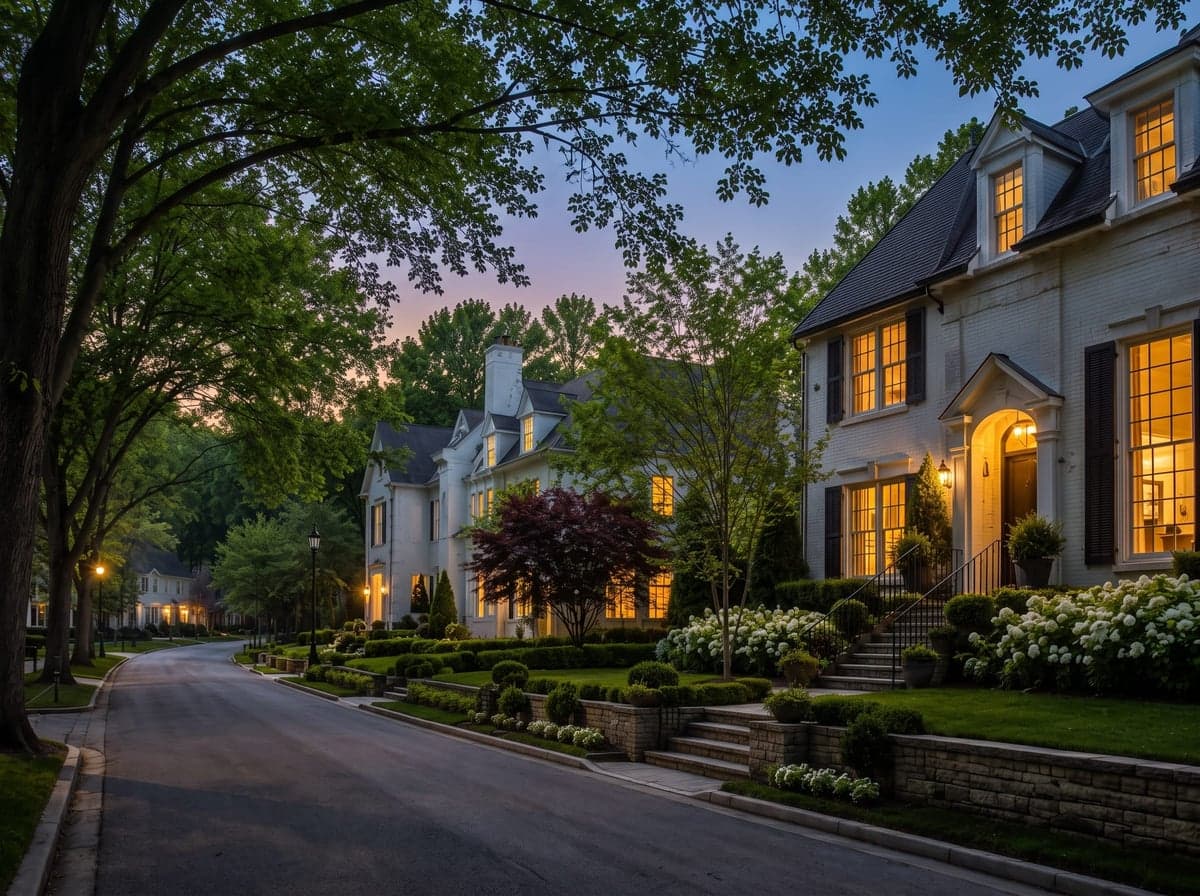
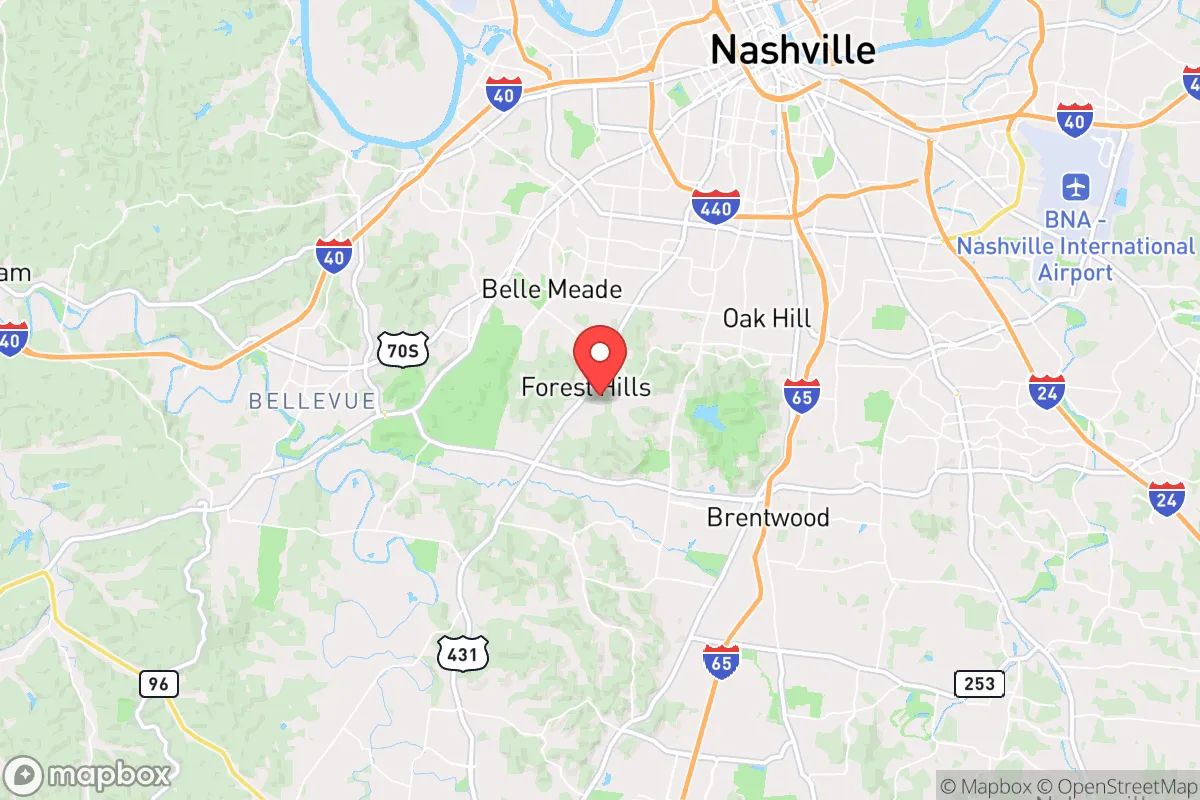
Forest Hills, Tennessee, feels less like a suburb and more like a carefully guarded secret carved out of the woods just south of Nashville. It’s the kind of place where winding, tree-lined roads lead to sprawling homes on multi-acre lots, and where the nearest stoplight feels miles away even though downtown Nashville is a straight 25-minute shot down I-65. For the roughly 4,800 people who call it home, Forest Hills offers a particular trade-off: deep privacy and elbow room in exchange for a commute and a very high cost of entry.
The Daily Rhythm: Quiet, Private, and Self-Contained
Daily life in Forest Hills is defined by what isn’t there. There are no sidewalks, no downtown square, no coffee shop where everyone knows your name. Residents tend to be older—the median age hovers around 49—and the pace is deliberately slow. Mornings often start with a walk on the quiet, hilly roads or a quick drive to the nearby Hill Center in Green Hills for groceries at the Whole Foods or a coffee at the local Frothy Monkey. The average commute of about 25 minutes is a reality for most, as the majority of working residents head into Nashville for jobs in healthcare, law, finance, or music. Weekends are often spent on property maintenance—these are large lots with mature trees—or at the Forest Hills Swim & Tennis Club, a social hub in the warmer months. The community’s identity is less about “going out” and more about coming home to a sanctuary.
Who Fits In: Affluence, Education, and a Preference for Space
Forest Hills is not a place for young renters or first-time homebuyers. With a median home value of $1.14 million and a cost of living index of 405—four times the national average—the barrier to entry is steep. The typical household earns over $250,000 a year, and nearly 78% of adults hold a college degree. The kind of person who fits in here is usually an established professional, a business owner, or a high-earning executive who values land, privacy, and top-tier public schools. Families are common, but they tend to be older parents with teenagers at nearby Montgomery Bell Academy (an all-boys private school) or Harpeth Hall (all-girls), though the public zoned schools—Percy Priest Elementary and Hillsboro High School—are well-regarded and draw heavily from the community. The social scene is neighborly but not intrusive; block parties exist, but so do long driveways that keep houses visually separated.
Sports, Entertainment, and What You Actually Do
Sports culture in Forest Hills is overwhelmingly centered on the private and parochial schools. Friday nights in the fall mean driving to a Montgomery Bell Academy or Ensworth School football game, where the stands are filled with parents who treat it as a social event. College sports loyalty is split between Vanderbilt (a 15-minute drive away) and the University of Tennessee in Knoxville, but it’s not an all-consuming passion. For entertainment, residents rarely stay in Forest Hills after dark. The go-to move is a 10-minute drive to the Hill Center in Green Hills for dinner at Urban Grub (known for its oyster bar and patio) or Pancake Pantry for a weekend breakfast. For live music, it’s either the Ryman Auditorium or Brooklyn Bowl in Nashville proper. The biggest local festival is the Forest Hills Fourth of July Parade, a small but fiercely attended tradition where golf carts and vintage cars roll down Old Hickory Boulevard. Outdoor life centers on Radnor Lake State Park, a 5-minute drive away, with its 6 miles of hiking trails and strict no-bike, no-dog policy that keeps it quiet.
Pros and Cons of Living Here
- Pro: Genuine privacy on large lots. You can own 2–5 acres inside the Nashville city limits without seeing your neighbor’s house. The tree canopy is dense, and the zoning keeps development at bay.
- Pro: Top-tier schools within a short drive. Whether you choose public or private, the options are among the best in the state, and the community’s wealth means well-funded PTAs and facilities.
- Pro: Quick access to Nashville without the noise. You can be at a Predators game or a downtown restaurant in under 30 minutes, but you come home to absolute quiet.
- Con: The violent crime rate is a real concern. At 490.5 per 100,000 residents, it’s notably higher than the national average. Most incidents are property-related or targeted, but it’s a number that gives longtime residents pause and keeps neighborhood watch groups active.
- Con: No walkable commercial core. You cannot walk to a grocery store, a bar, or a restaurant from almost any home. Everything requires a car, and the winding roads can feel isolating if you’re used to a more connected neighborhood.
- Con: High cost of living and property taxes. With a cost of living index at 405, even routine services like lawn care or home repairs are expensive, and property taxes on a million-dollar home are substantial.
Cultural Quirks and Practical Realities
The most notable quirk of Forest Hills is its fierce independence. It is an incorporated city within Nashville/Davidson County, meaning it has its own mayor and city commission that controls zoning, speed limits, and tree removal permits. This local control is a point of pride—residents fought hard to keep out sidewalks and streetlights, and they succeeded. The result is a community that looks and feels more like rural Tennessee than an urban suburb. Traffic is minimal within Forest Hills itself, but the choke point is the intersection of Old Hickory Boulevard and Granny White Pike during school drop-off and pickup. Weather follows the typical Middle Tennessee pattern: hot, humid summers with frequent afternoon thunderstorms, and mild winters where snow shuts down the city for a day or two. Fall is the standout season, with the leaf color on the hillsides drawing residents outside for drives and walks. The schools—both public and private—are the social glue; if you don’t have kids, you’ll need to be more intentional about meeting neighbors, as the community lacks the coffee-shop-and-farmer’s-market infrastructure of a typical suburb. For the right person—someone who values space, quiet, and proximity to a major city without the urban texture—Forest Hills is less a compromise and more a deliberate choice.

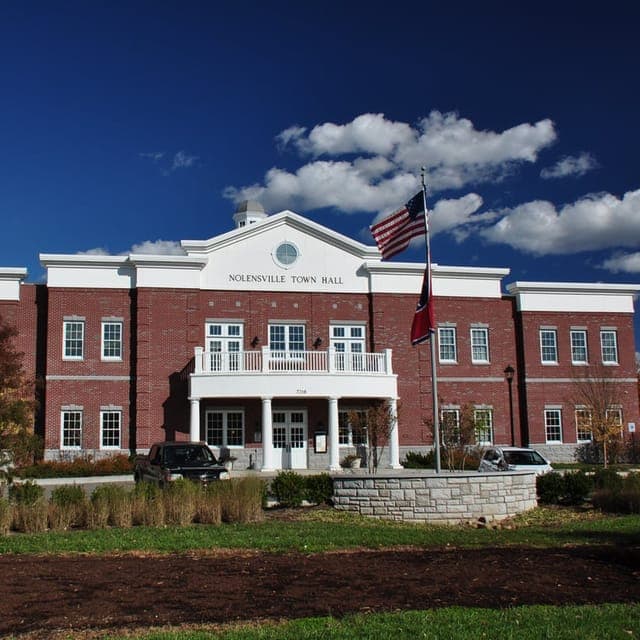
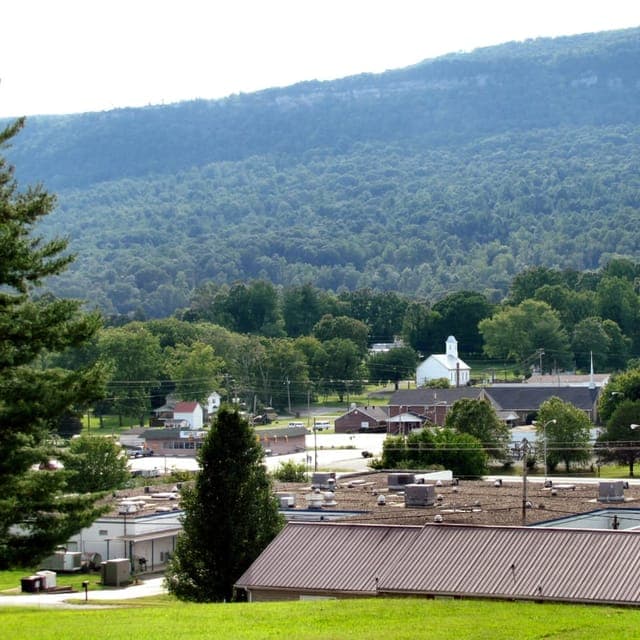
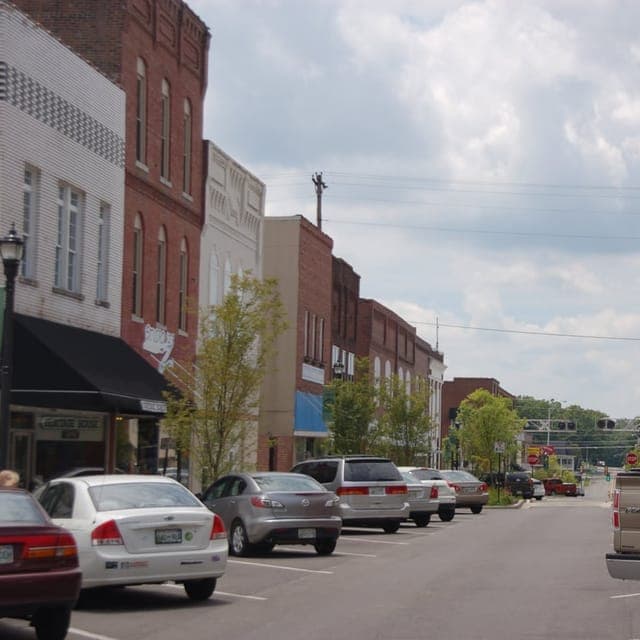
Similar small towns to Forest Hills
* Values derived from national, state, county, city and local statistics and may differ in a specific area. Last updated: 2026-04-27T15:26:24.000Z
Narrative content on this page is AI-generated and may contain mistakes. Verify any details that matter before acting on them.
ReloMaps may earn a commission from affiliate links at no extra cost to you.

