
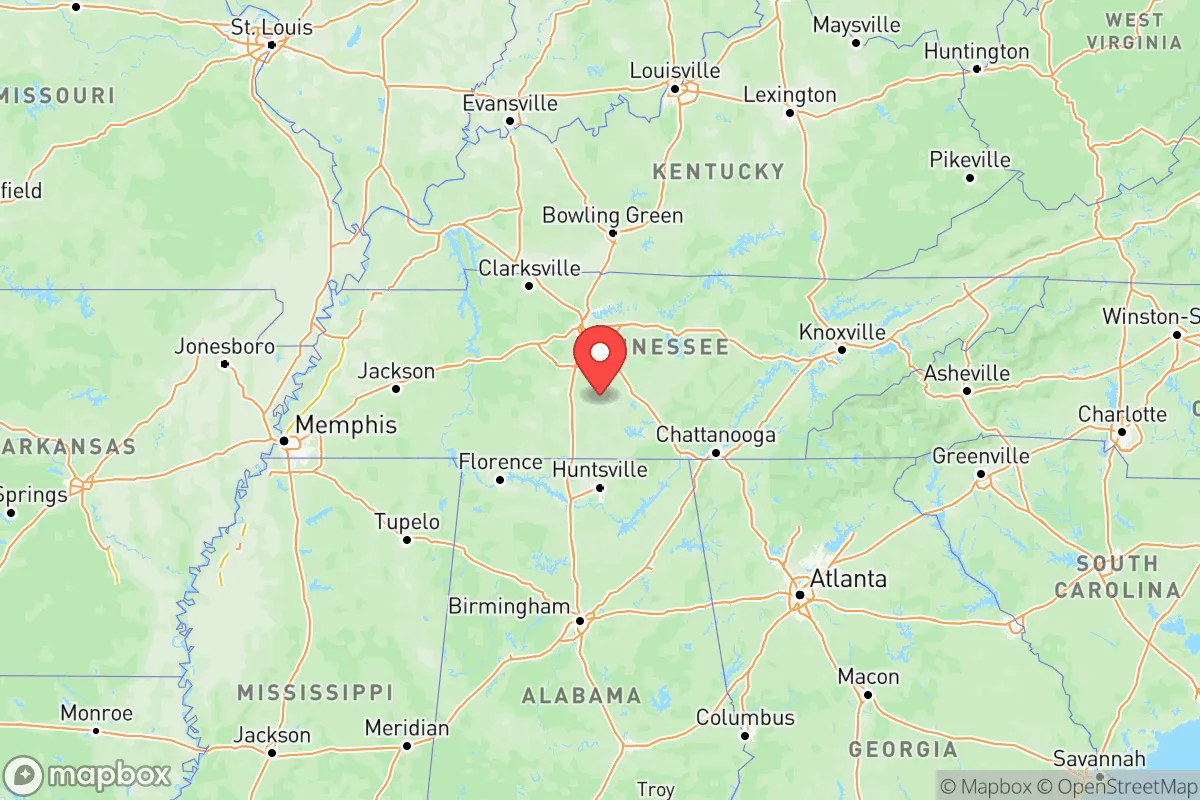
Photo: Wikipedia
Demographics of Tennessee
Affluence Level in Tennessee
An upper-middle-class area. Household wealth, education levels, and homeownership run ahead of national benchmarks.
People of Tennessee
The people of Tennessee today number nearly 7 million, a population shaped by centuries of migration from the British Isles, Africa, and the American South, with a small but growing foreign-born presence. The state remains predominantly white (71.5%) and native-born (only 3.6% foreign-born), with a significant Black minority (15.7%) concentrated in the western and central regions, and a rising Hispanic population (7.1%) reshaping the workforce in construction and agriculture. Tennessee’s identity is rooted in Appalachian self-reliance, Southern evangelical Christianity, and a strong military and manufacturing tradition, with a population density that ranges from the crowded Nashville and Memphis metros to vast rural stretches in the Cumberland Plateau and the Mississippi Delta.
Settlement & growth (pre-1960)
Before European contact, Tennessee was home to the Cherokee, Chickasaw, and Creek nations, with the Cherokee heartland centered in the southeastern mountains around present-day Chattanooga and the Chickasaw controlling the western plains near Memphis. Spanish explorers passed through in the 16th century, but permanent European settlement did not begin until the mid-1700s, when Scots-Irish and English frontiersmen crossed the Appalachian Mountains via the Great Wagon Road. These early settlers, largely Presbyterian and Baptist, established the first permanent communities in the Watauga River valley near present-day Elizabethton and along the Holston River around Knoxville, drawn by cheap land and freedom from coastal elites.
The Cherokee were forcibly removed in the 1830s via the Trail of Tears, which passed through Ross’s Landing (now Chattanooga) and Fort Cass near present-day Cleveland, opening the fertile Middle Tennessee basin to white settlement. By 1840, the state’s population had surged past 800,000, with Nashville emerging as a planter aristocracy center and Memphis as a cotton and slave-trading hub on the Mississippi. The Civil War devastated Tennessee—it was the last state to secede and the first readmitted—and the post-war period saw freed African Americans concentrate in Memphis, Nashville, and the rural Delta counties like Haywood and Fayette, where they worked as sharecroppers.
The late 19th and early 20th centuries brought new waves: German and Swiss immigrants settled in the Cumberland Plateau around Gruetli-Laager and the Sequatchie Valley, while Italian and Polish laborers arrived to work coal mines in the Appalachian foothills near Jellico and LaFollette. The Great Migration (1910–1970) saw hundreds of thousands of Black Tennesseans leave the state for Chicago, Detroit, and St. Louis, while white migrants from the rural Deep South moved into Memphis and Nashville for factory jobs. The Tennessee Valley Authority (TVA), launched in 1933, electrified the state and drew workers to new dams and power plants in towns like Norris and Muscle Shoals (Alabama, but affecting southern Tennessee). By 1960, the population had reached 3.6 million, with a white majority of roughly 84% and a Black minority of 16%, concentrated in the western third of the state.
Modern era (post-1965)
The 1965 Hart-Cellar Act had a muted effect on Tennessee compared to coastal states, but it opened the door for new immigrant groups that have slowly diversified the population. The most significant post-1965 wave has been Hispanic immigration, primarily from Mexico and Central America, drawn by construction, poultry processing, and landscaping jobs in the 1990s and 2000s. Today, Hispanic residents make up 7.1% of the population, with the largest enclaves in Nashville (especially the Nolensville Road corridor), Memphis (the Hickory Hill area), and the poultry-processing towns of Morristown and Shelbyville, where Latino workers now form a substantial share of the workforce.
East and Southeast Asian communities (1.2% of the population) arrived in two waves: Vietnamese refugees after 1975, who settled in Nashville and Memphis, and a later influx of Korean and Chinese professionals drawn to the healthcare and research sectors in Nashville and Oak Ridge. The Indian subcontinent population (0.6%) is smaller but growing, concentrated in the Nashville suburbs of Franklin and Brentwood, where tech and medical professionals work for companies like HCA Healthcare and Vanderbilt University Medical Center. Domestic migration has been the larger driver of change: since the 1990s, Tennessee has been a major Sun Belt destination for white and Black migrants from the Rust Belt (Ohio, Michigan, Illinois) and the Northeast, drawn by lower taxes, cheaper housing, and a growing job market. This in-migration has fueled explosive growth in the Nashville metro (adding over 500,000 residents since 2000) and in the suburban rings of Knoxville and Chattanooga, while rural counties in West and Middle Tennessee have stagnated or lost population.
Suburbanization has reshaped the state’s settlement patterns. The Nashville suburbs of Murfreesboro, Franklin, and Spring Hill have grown from small towns into major population centers, attracting families with good schools and low crime. Memphis, by contrast, has lost population since its 1950s peak, with white and middle-class Black residents moving to suburban DeSoto County, Mississippi, and the eastern Shelby County towns of Collierville and Germantown. The college-educated share of the population has risen to 30.4%, driven by the growth of Nashville’s healthcare and music industries and the University of Tennessee in Knoxville, but remains below the national average.
The future
Tennessee’s population is projected to grow to roughly 8 million by 2040, driven almost entirely by domestic in-migration from higher-cost states. The Hispanic share is expected to rise to 10–12% as second-generation families grow and new arrivals continue to fill labor gaps in construction, hospitality, and agriculture. The East/Southeast Asian and Indian populations will likely grow modestly, concentrated in the Nashville and Knoxville metros, but will remain small relative to the national average. The Black population share is stable at around 15–16%, with continued suburbanization of middle-class Black families into Rutherford and Williamson counties.
The state is not homogenizing but rather tribalizing into distinct enclaves: the Nashville metro is becoming a culturally liberal, diverse, and college-educated island, while rural West and Middle Tennessee remain overwhelmingly white, conservative, and religious. The foreign-born population, though small, is concentrated in specific corridors—Nashville’s Nolensville Road, Memphis’s Hickory Hill, and the poultry towns of East Tennessee—creating visible ethnic enclaves that are slowly assimilating into the broader Southern culture. In-migration from California and the Northeast is changing the cultural identity of Nashville and its suburbs, but the rest of the state is absorbing newcomers into its existing conservative framework rather than being transformed by them.
For someone moving in now, Tennessee offers a choice: the booming, diversifying, and increasingly expensive Nashville region, or the slower-growing, more homogeneous, and more affordable rest of the state. The population is becoming more educated and more suburban, but the state’s core identity—native-born, Christian, and politically conservative—remains intact outside the major cities. The next decade will likely see continued growth in the I-24 and I-40 corridors, with the rural areas left behind demographically and economically.

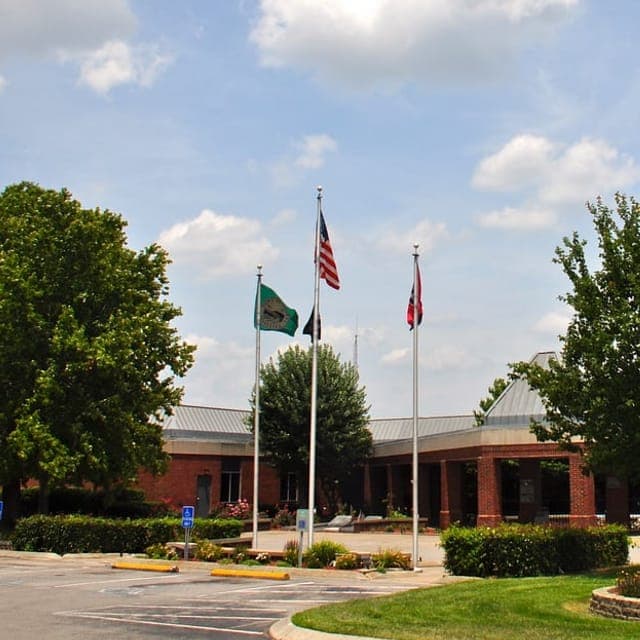
Most Diverse Cities in Tennessee


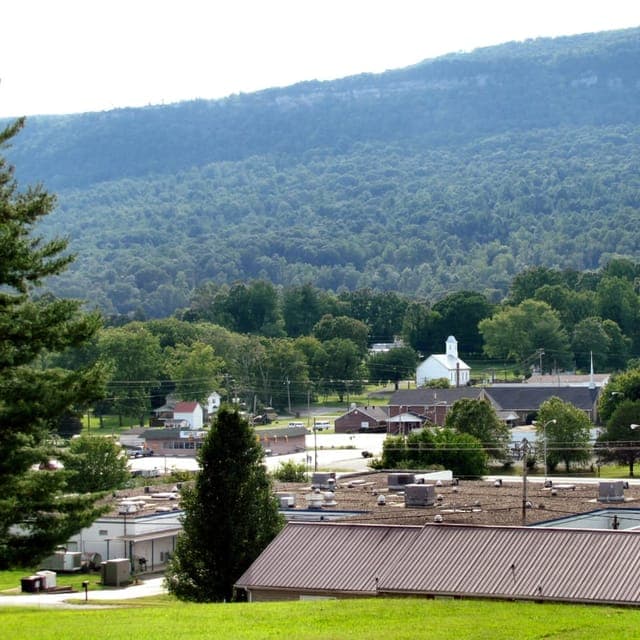
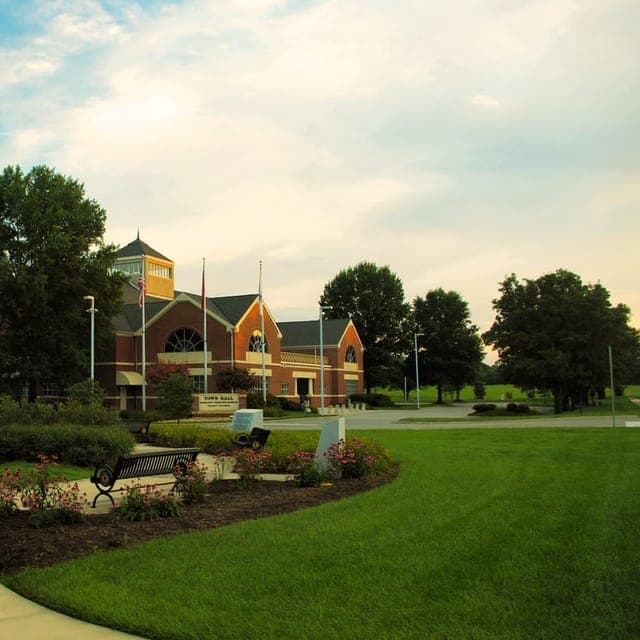
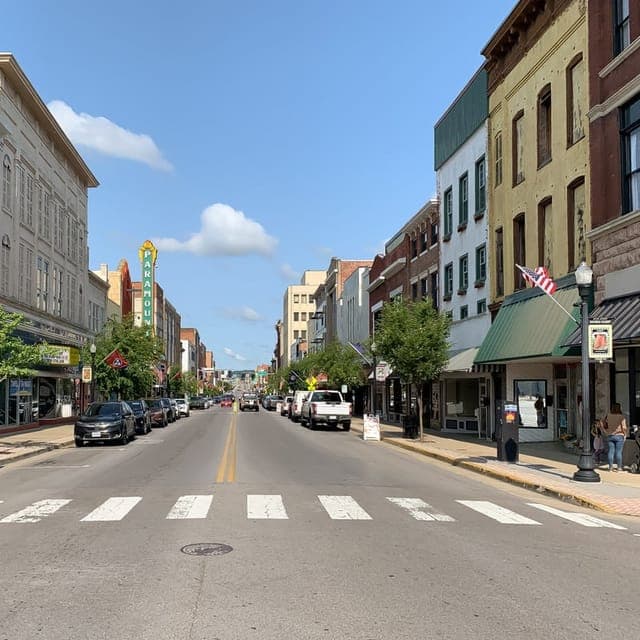
Most Homogenous Cities in Tennessee


* Values derived from national, state, county, city and local statistics and may differ in a specific area. Last updated: 2026-04-14T06:22:16.000Z
Narrative content on this page is AI-generated and may contain mistakes. Verify any details that matter before acting on them.
ReloMaps may earn a commission from affiliate links at no extra cost to you.

