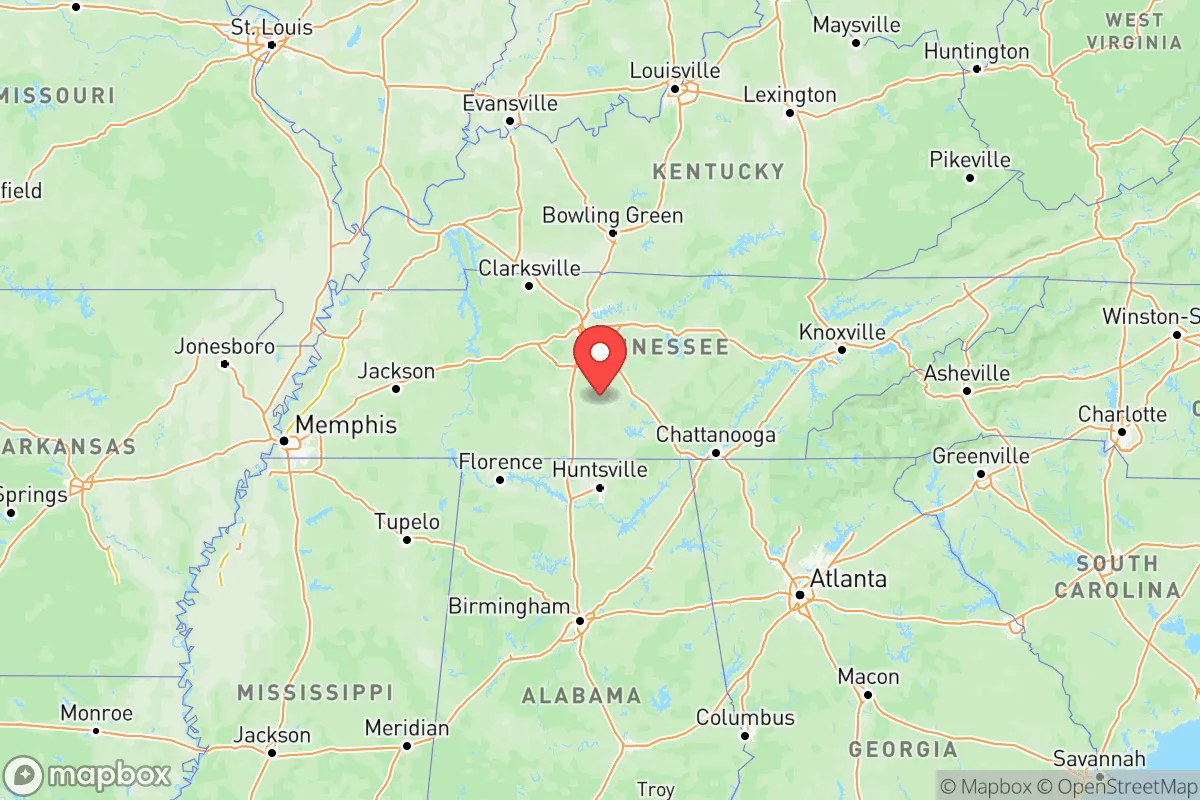
Photo: Wikipedia
Political ClimatePolitical Climate in Tennessee
Political Environment in the State
Tennessee is a deep-red state with a Cook PVI of R+13, meaning it consistently votes about 13 points more Republican than the national average. Over the past 20 years, the state has shifted decisively rightward, driven by the exodus of moderate Democrats from rural areas and the influx of conservative-leaning transplants from California, Illinois, and New York into fast-growing suburbs like those around Nashville and Knoxville. The dominant coalition is a mix of rural traditionalists, suburban fiscal conservatives, and a growing number of evangelical activists who have pushed the state legislature to enact some of the most aggressive conservative policies in the country.
Urban vs. rural divide
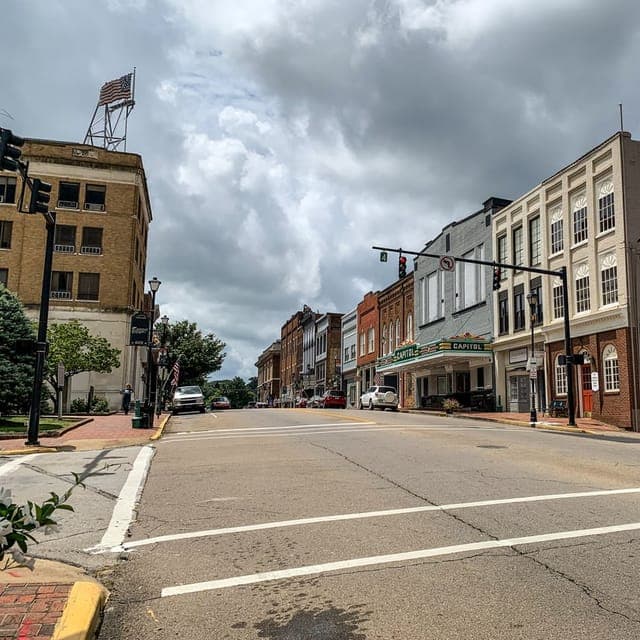
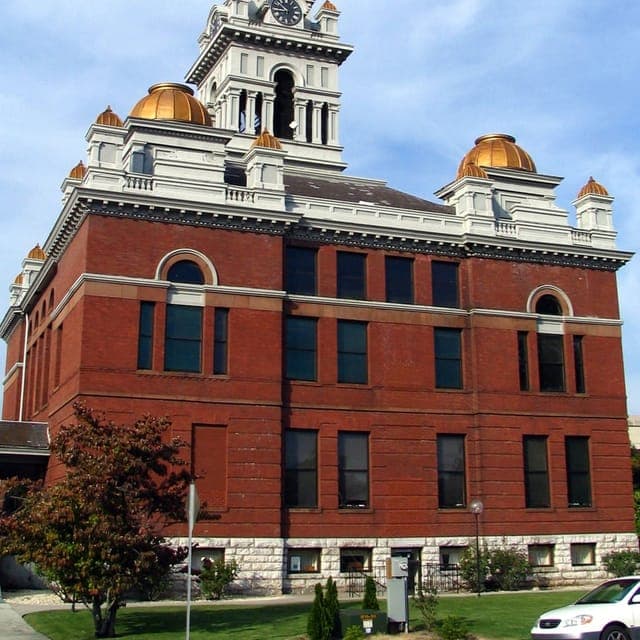
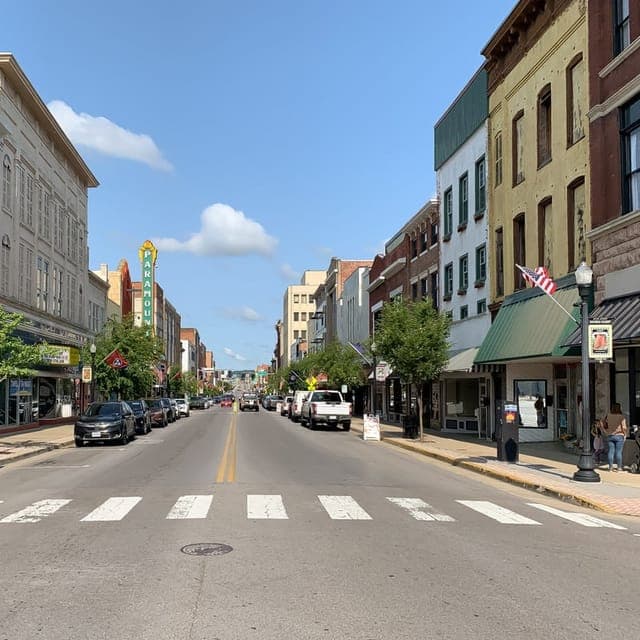
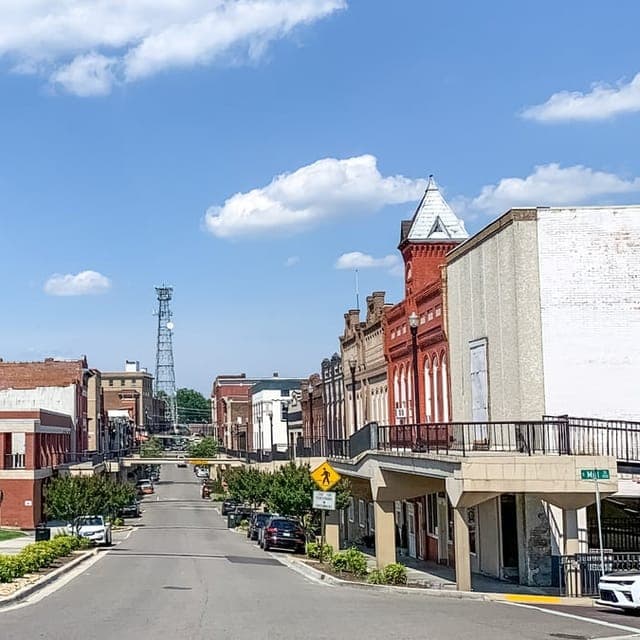
The political map of Tennessee is starkly divided. The major metros—Nashville (Davidson County), Memphis (Shelby County), and to a lesser extent Knoxville (Knox County)—are blue islands in a sea of red. Nashville has become a progressive stronghold, with a Democratic mayor and city council that have pushed for light rail, affordable housing mandates, and sanctuary-city-adjacent policies. Memphis remains heavily Democratic, driven by its large African American population, but has struggled with crime and population loss. Meanwhile, the rural counties—like Lincoln County (Fayetteville), Giles County (Pulaski), and Dyer County (Dyersburg)—routinely vote 75-80% Republican. The most interesting shift is in the exurbs: Williamson County (Franklin) is now one of the wealthiest and most reliably Republican counties in the nation, while Rutherford County (Murfreesboro) has flipped from purple to solid red as conservative families have poured in from California and Illinois. The divide isn't just about geography—it's about culture. Drive 30 minutes outside any city center, and you'll see Trump flags, "Don't Tread on Me" plates, and churches on every corner.
Policy environment
Tennessee's policy environment is aggressively pro-business and culturally conservative. There is no state income tax on wages, only a flat 6.5% tax on interest and dividends (the Hall Tax), which is being phased out entirely by 2029. Sales tax is high—around 9.55% in most counties—but the trade-off is that property taxes are low, especially outside the major metros. The state is a right-to-work state with weak unions, and the legislature has consistently blocked Medicaid expansion under the Affordable Care Act, leaving roughly 300,000 low-income adults in a coverage gap. On education, Tennessee has a robust school choice program: the Education Savings Account (ESA) pilot, which started in 2022, gives eligible families in Memphis and Nashville about $8,000 per child for private school tuition, tutoring, or homeschooling. The state also passed a near-total abortion ban in 2022 (trigger law) with no exceptions for rape or incest, and in 2023, the legislature banned gender-affirming care for minors—a law currently tied up in federal court. Election laws are strict: voter ID is required, early voting is limited to two weeks, and the state purges inactive voters regularly. This is not a state that makes it easy to vote, but it's also not a state where election fraud is a serious concern.
Trajectory & freedom
Tennessee is becoming more free in some areas and less in others, depending on your definition. On gun rights, the state is a constitutional carry state (permitless carry for adults 21+ since 2021), and in 2023, the legislature passed a law allowing teachers to carry firearms on school grounds with approval from local law enforcement. On parental rights, the state passed the "Don't Say Gay" equivalent (HB 0800) in 2023, which bans classroom instruction on sexual orientation and gender identity in K-8. On medical freedom, the state banned COVID-19 vaccine mandates for government employees and contractors in 2022, and in 2023, it passed a law prohibiting mask mandates in schools. However, there are concerning trends: the state's property tax system is regressive, and as property values have skyrocketed in Franklin, Brentwood, and Collierville, longtime residents have seen their tax bills double. The state also has a history of using eminent domain aggressively for private development, as seen in the Nashville's East Bank redevelopment project. And while the legislature talks about "freedom," it has also passed laws that restrict local control—for example, preempting Nashville's ability to set its own minimum wage or regulate short-term rentals. So the freedom is real, but it's freedom defined by the state legislature, not by local communities.
Civil unrest & political movements
Tennessee has seen its share of political flashpoints. In 2023, the Nashville Covenant School shooting sparked massive protests at the state capitol, with thousands of activists demanding gun control measures like red flag laws and safe storage requirements. The Republican supermajority responded by passing a law to protect gun manufacturers from lawsuits and expanding the ability of teachers to carry firearms. On the left, the "Tennessee Three" (Representatives Justin Jones, Justin Pearson, and Gloria Johnson) were expelled from the state House for leading a gun control protest on the floor—Jones and Pearson were quickly reappointed by their local councils, making them national figures. On the right, the "Moms for Liberty" movement has been highly active in Williamson and Rutherford counties, successfully pushing for book bans and curriculum reviews. Immigration politics are relatively quiet compared to border states, but in 2024, the legislature passed a bill requiring local law enforcement to cooperate with ICE detainers. There is no serious secessionist movement, but nullification rhetoric around federal gun laws is common in rural counties. The most visible flashpoint for a new resident would be the sheer volume of political signage and the intensity of local school board meetings—these are not passive communities.
Projection
Over the next 5-10 years, Tennessee will likely become even more conservative at the state level, but with growing friction in the suburbs. The in-migration from blue states is accelerating: Nashville's metro area is projected to add 500,000 people by 2035, and many of these newcomers are moderate Republicans or libertarian-leaning independents who support school choice and low taxes but are uneasy with the hardline social agenda. This could create a split between the rural evangelical base and the suburban "country club" Republicans. The Democratic strongholds in Memphis and Nashville will continue to shrink as a share of the state's population, but they will become more vocal and organized. Expect more preemption battles—the state will likely strip Nashville of its ability to regulate zoning, housing, and policing. On the freedom front, the state will probably pass a school choice expansion (universal ESA), further deregulate occupational licensing, and possibly enact a flat income tax if the Hall Tax phaseout creates a revenue crunch. The biggest wildcard is the federal courts: the gender-affirming care ban, the abortion ban, and the gun laws are all being litigated, and a Democratic administration could force the state to accept Medicaid expansion or change its election laws. But for a conservative moving in now, the trajectory is clear: Tennessee will remain a redoubt of low taxes, gun rights, and parental control for the foreseeable future.
Bottom line for a new resident: If you're a conservative who values low taxes, gun rights, and school choice, Tennessee is a strong bet. You'll find a welcoming community in the suburbs of Franklin, Brentwood, or Collierville, and a state government that largely shares your values. But be prepared for high sales tax, a hot housing market, and a political environment that is increasingly polarized—especially if you live in or near Nashville. The state is free, but it's not libertarian; the government is active in enforcing cultural norms, and that's something you'll need to be comfortable with. If you're looking for a place where your vote counts and your values are reflected in policy, Tennessee is one of the best options in the country.

Most Conservative Cities in Tennessee

Most Liberal Cities in Tennessee
* Values derived from national, state, county, city and local statistics and may differ in a specific area. Last updated: 2026-04-14T06:22:16.000Z
Narrative content on this page is AI-generated and may contain mistakes. Verify any details that matter before acting on them.
ReloMaps may earn a commission from affiliate links at no extra cost to you.

