Photo: Wikipedia
Personal Sovereignty in Tennessee
Viable for self-reliance. Generally workable, though some barriers may limit total independence.
What does Personal Sovereignty tell us?
Personal Sovereignty measures your capacity for self-reliance and independence with minimal government friction. Higher scores mean fewer barriers between you and the way you want to live... but it assumes you have the space you need and good neighbors.
What does this tell us?
Personal Sovereignty measures your capacity for self-reliance and independence with minimal government friction. Higher scores mean fewer barriers between you and the way you want to live... but it assumes you have the space you need and good neighbors.
State Policy
Energy independence: Importer (25% of energy produced in-state)
Personal Liberty
Homesteading

Personal Liberty Analysis
Tennessee stands as one of the most sovereignty-friendly states in the Southeast, offering a legal and cultural environment where personal autonomy is treated as a default rather than a privilege granted by the state. For single individuals and parents who view government overreach as a growing threat to daily life, Tennessee’s constitutional protections, low-tax posture, and deep-rooted self-reliance culture create a rare sanctuary. The state’s motto, “Agriculture and Commerce,” undersells a reality where a person can own land, carry a firearm without a permit, and push back against federal mandates with a straight face. From the Appalachian highlands to the Mississippi Delta, the question isn’t whether you can live free here—it’s how much freedom you’re willing to exercise.
Tax burden and regulatory posture: how Tennessee keeps government off your back
Tennessee’s tax structure is deliberately designed to minimize the state’s claim on your income and property. There is no state income tax on wages, a fact that immediately puts more money in your pocket compared to states like California or New York. The state relies on a sales tax of 7% at the base level, with local add-ons pushing it to around 9.55% in some areas like Nashville, but this is a consumption tax you control by how you spend. Property taxes are among the lowest in the nation, with effective rates averaging 0.67% of assessed value—roughly half the national average. In rural counties like Wayne or Pickett, you can own 20 acres of wooded land for a few hundred dollars a year in property tax. Regulatory posture is equally light: Tennessee is a right-to-work state, has no state-level environmental review mandates beyond federal minimums, and permits local governments to opt out of certain state preemptions only in limited cases. For a prepper or survivalist, this means fewer bureaucratic hurdles when building a root cellar, installing solar panels, or keeping livestock on your property. Cities like Knoxville and Chattanooga have more zoning than unincorporated areas, but even their codes are lax compared to coastal metros. The state’s business climate ranks in the top 10 nationally for regulatory freedom, which translates to less red tape for home-based businesses, firearms-related enterprises, and off-grid infrastructure projects.
Self-defense and gun law specifics: permitless carry and castle doctrine in practice
Tennessee’s firearm laws are among the most permissive in the country, reflecting a constitutional commitment to self-defense that predates the modern gun control movement. Since 2021, permitless carry has been legal for any law-abiding adult 21 or older, allowing concealed or open carry without a government-issued license. This is not a “may issue” or “shall issue” compromise—it’s a straightforward recognition of the right to keep and bear arms. The state’s Castle Doctrine is equally robust: there is no duty to retreat in any place where you are lawfully present, including your vehicle and workplace. Stand Your Ground protections extend to public spaces, meaning you are not required to flee before using deadly force if you reasonably believe it’s necessary to prevent death or serious bodily harm. For parents, this means your home is legally your castle—an intruder cannot claim self-defense against you. Cities like Memphis and Nashville have higher crime rates and more restrictive local ordinances (e.g., park gun bans), but state preemption laws generally override municipal attempts to tighten gun control. In Johnson City or Cookeville, you’ll find a culture where firearms are part of daily life, not a political statement. Magazine capacity limits, assault weapon bans, and waiting periods are nonexistent at the state level. For the survivalist, Tennessee’s legal framework ensures that your ability to defend yourself, your family, and your supplies is not subject to the whims of a distant legislature.
Self-reliance and homesteading viability: lot sizes, zoning, and off-grid feasibility
Tennessee’s rural and exurban areas offer some of the best conditions for self-reliant living east of the Mississippi. Minimum lot sizes in unincorporated counties are typically 1 to 5 acres, with many counties allowing agricultural zoning that permits livestock, gardens, and even small-scale aquaculture without special permits. In Grundy County or Van Buren County, you can buy 10 acres of forested land for under $30,000 and build a cabin with no building code enforcement beyond basic septic and electrical safety. Off-grid feasibility is high: Tennessee has no state law prohibiting rainwater collection, and solar panel installation is not subject to homeowner association restrictions in unincorporated areas (though HOAs in subdivisions like those near Franklin may impose limits). The state’s moderate climate means you can grow food year-round in a greenhouse, and the abundant hardwood forests provide fuel for wood stoves. Zoning is minimal in most counties—Lawrence County and Hickman County have no county-wide zoning at all, leaving land use decisions to the property owner. For parents, this means you can raise children with hands-on skills like gardening, hunting, and carpentry without local government interference. The main constraint is water access: well drilling costs $5,000–$15,000, but once you have a well, you’re independent of municipal water systems. Septic systems are required, but the state’s permitting process is straightforward and inexpensive compared to states like Oregon or Washington. If you want to live off the grid without constant legal battles, Tennessee’s rural counties are a top-tier choice.
Personal liberties: parental rights, medical autonomy, speech, and property
Tennessee has positioned itself as a stronghold for parental rights and medical freedom, particularly in the wake of federal overreach during the pandemic. The state passed laws in 2023 and 2024 that prohibit mask mandates in schools without parental opt-out, ban vaccine passports for government services, and restrict the enforcement of federal emergency orders that conflict with state law. Parental rights are explicitly protected in state statute, meaning you have the legal standing to challenge school curricula, medical treatments, or any government action that infringes on your authority over your children. Medical autonomy extends to the right to refuse any treatment, including vaccines, and the state has no mandatory vaccination requirements for adults. Free speech protections are robust: Tennessee has no hate speech laws that criminalize political expression, and the state’s constitution explicitly protects the right to assemble and petition the government. Property rights are equally strong, with no statewide rent control and limited eminent domain abuse—the state requires “public use” for takings, not just “public benefit.” In Bristol or Clarksville, you can post political signs, fly the Gadsden flag, or host a firearms training course on your land without fear of local ordinances targeting “nuisance” activities. For the survivalist, this legal environment means you can stockpile supplies, teach your children according to your values, and speak your mind without the state labeling you a domestic threat. The only caveat is that local governments in urban areas like Memphis may still attempt to impose noise or nuisance ordinances, but state preemption laws generally protect your right to use your property as you see fit.
Compared to other regions, Tennessee offers a balance of personal sovereignty that is rare in the modern United States. The state’s tax burden is lower than all but a handful of states, its gun laws are among the most protective of individual rights, and its regulatory environment allows for genuine self-reliance without constant government interference. For single individuals and parents who prioritize autonomy over convenience, Tennessee’s combination of low taxes, strong self-defense laws, and minimal zoning creates a foundation for a life that is truly your own. The state is not a libertarian utopia—federal laws still apply, and local governments in major cities can be more restrictive—but for those willing to settle in the rural counties or smaller cities, Tennessee remains a place where the government is your servant, not your master.

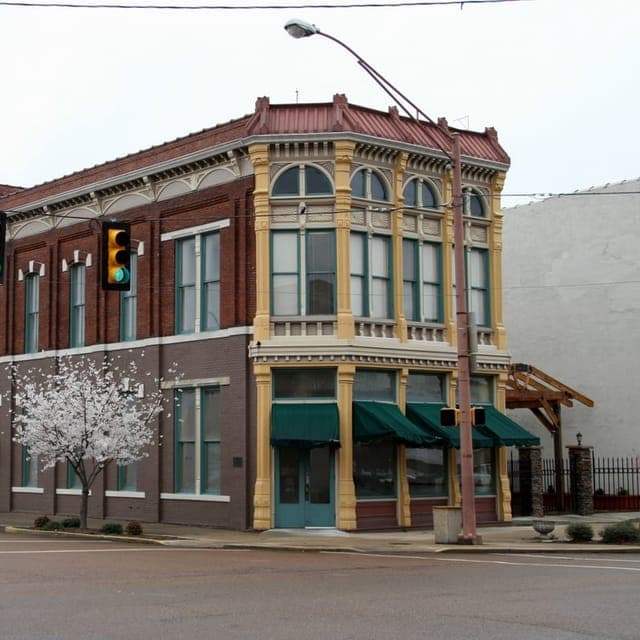
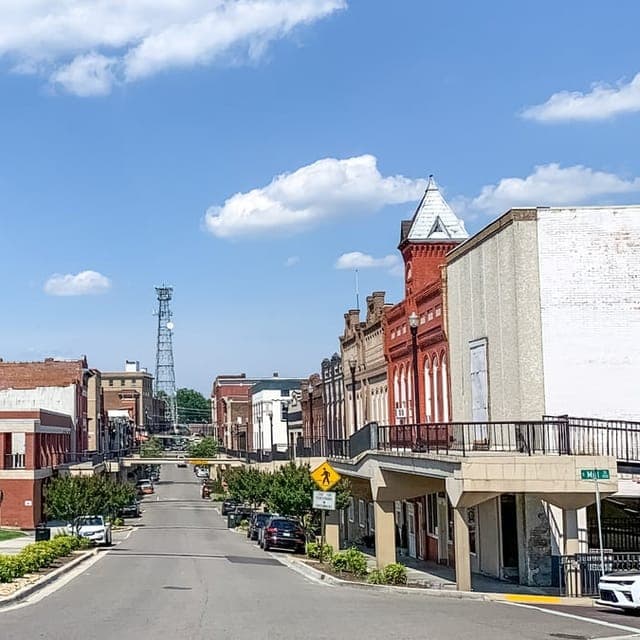
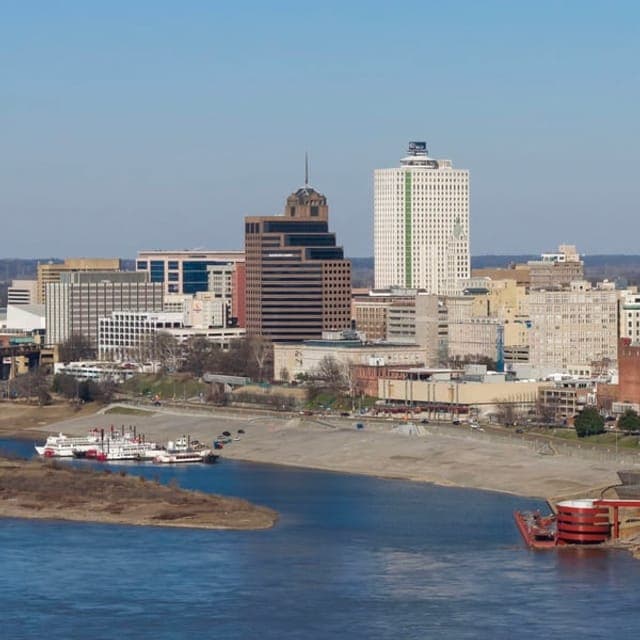
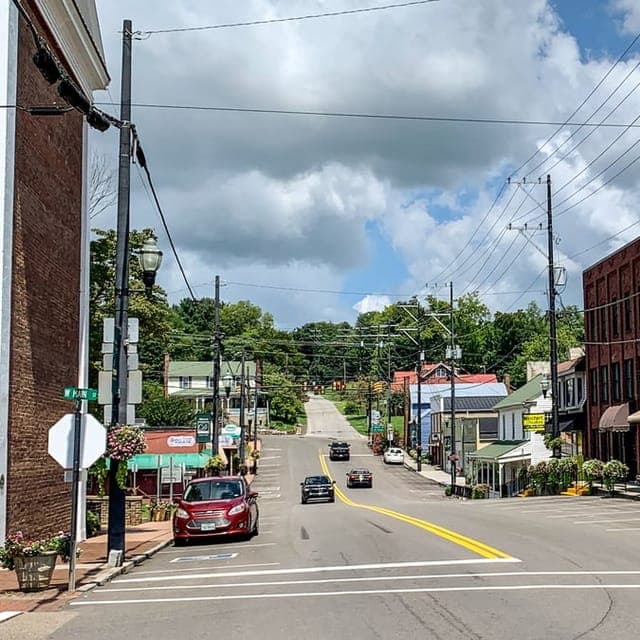
Top Cities for Personal Sovereignty in Tennessee

* Values derived from national, state, county, city and local statistics and may differ in a specific area. Last updated: 2026-04-14T06:22:16.000Z
Narrative content on this page is AI-generated and may contain mistakes. Verify any details that matter before acting on them.
ReloMaps may earn a commission from affiliate links at no extra cost to you.

