
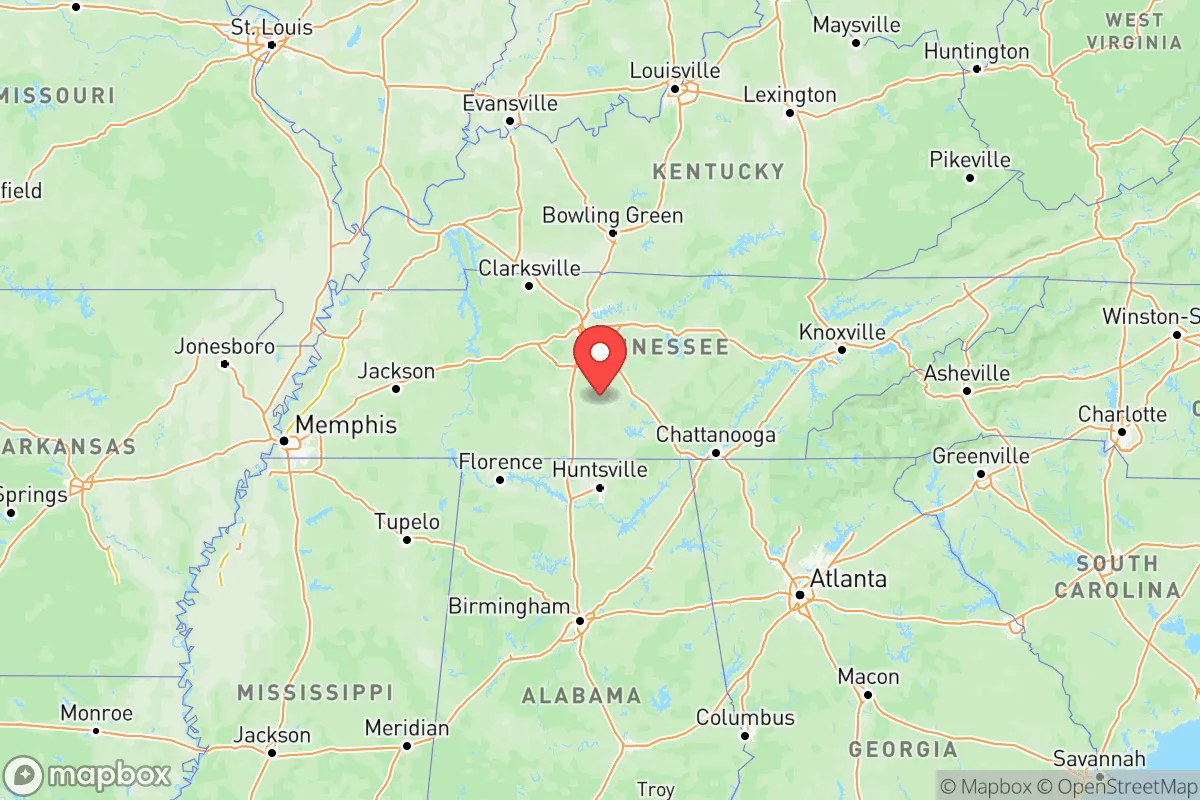
Photo: Wikipedia
Quality of Life in Tennessee
A livable area that tracks near national norms for affordability, walkability, and neighborhood health.
What does Quality of Life tell us?
Quality of Life measures an area by evaluating factors like cost of living, nearby amenities, country club access, airport proximity, socioeconomic signals and neighborhood character. For large states, this is a general average — quality of life can vary dramatically between metro areas, suburbs, and rural communities within the same state.
What does this tell us?
Quality of Life measures an area by evaluating factors like cost of living, nearby amenities, country club access, airport proximity, socioeconomic signals and neighborhood character. For large states, this is a general average — quality of life can vary dramatically between metro areas, suburbs, and rural communities within the same state.
Cost of Living
6% below national average
62%
The Real Cost of Living in Tennessee for 2026
| Tier | Individual | Family (4) |
|---|---|---|
| Survival | $34k | $63k |
| Comfortable | $73k | $108k |
| Luxury | $121k+ | $188k+ |
| Elite (Top 5%) | $154k+ | $239k+ |
Quality-of-Life Analysis
Tennessee offers a remarkably broad spectrum of quality-of-life options, from the high-energy urban cores of its major metros to the quiet, rolling hills of its rural counties. The state’s overall cost of living index of 94 (100 = U.S. average) and median home value of $256,800 make it more affordable than the national average, yet the range of lifestyles is vast. A young professional seeking a 24-hour city, a family wanting a top-tier school district, a retiree looking for lakefront tranquility, or a remote worker chasing low rent can all find a fit somewhere in Tennessee.
Major metros
If you’re looking for urban living, Tennessee has two dominant anchors. Nashville is the state’s economic and cultural engine, driven by healthcare (HCA Healthcare, Vanderbilt University Medical Center), music and entertainment, and a booming tech scene (Oracle’s new campus). Its density is high, with a walkable downtown core, a median home value well above the state average, and a vibrant but increasingly expensive lifestyle. Memphis offers a grittier, more affordable urban experience, anchored by logistics (FedEx), bioscience (St. Jude Children’s Research Hospital), and a deep blues and barbecue culture. Its median home value is significantly lower than Nashville’s, attracting those who want city amenities without the premium price tag. Knoxville and Chattanooga round out the major metro tier, each with a distinct identity: Knoxville is a college town (University of Tennessee) with a slower pace and proximity to the Great Smoky Mountains, while Chattanooga boasts a revitalized downtown, gigabit internet citywide, and a growing outdoor recreation economy.
Mid-size cities & college towns
Tennessee’s mid-size cities and college towns offer a balance of opportunity and livability that many find ideal. Franklin (south of Nashville) is a historic, affluent suburb with top-ranked schools and a preserved downtown, but it comes with a high price tag. Murfreesboro, home to Middle Tennessee State University, is a fast-growing, more affordable alternative with a strong job base in education and healthcare. Johnson City in the northeast offers a lower cost of living, a thriving medical sector (Johnson City Medical Center), and easy access to the Appalachian Trail. Cookeville, anchored by Tennessee Tech University, is a classic college town with a low median rent ($1,122 state average) and a central location between Nashville and Knoxville. Clarksville, near Fort Campbell, has a military-influenced economy and a young, diverse population, with home values well below the state median.
Small towns & rural areas
For those seeking a slower pace, Tennessee’s small towns and rural areas offer distinct landscapes and communities. Bell Buckle (Bedford County) is a tiny, walkable village known for its annual RC Cola-Moon Pie festival and a strong sense of local history. Jonesborough, the state’s oldest town, draws retirees and history buffs with its preserved 18th-century architecture and storytelling festival. In the Cumberland Plateau region, towns like Crossville and Monteagle offer low land prices, a mild four-season climate, and a growing retiree population. The rural Mississippi Delta counties (e.g., Lauderdale, Haywood) are the most affordable in the state, with median home values often below $150,000, but they also face economic challenges and limited services. The Upper Cumberland region (e.g., Livingston, Sparta) is popular with homesteaders and remote workers seeking acreage and privacy, with commute times averaging 25.7 minutes statewide.
Luxury vs. affordable living
The luxury end of Tennessee’s spectrum is concentrated in a few high-profile enclaves. Belle Meade and Forest Hills (Nashville) are ultra-wealthy suburbs with median home values exceeding $1 million, large estates, and private schools. Germantown and Collierville (Memphis suburbs) offer top-tier public schools and executive-level housing in the $500,000–$800,000 range. Lookout Mountain (Chattanooga) and Fairview (Knoxville area) provide scenic luxury with mountain views and gated communities. On the affordable side, Memphis itself has entire neighborhoods (e.g., Binghampton, Frayser) where homes sell for under $100,000. Union City (Obion County) and Paris (Henry County) in West Tennessee offer median home values around $150,000 and a low cost of living. Morristown and Greeneville in East Tennessee provide factory and logistics jobs with home prices 20–30% below the state median.
The practical reality is that Tennessee’s quality-of-life options are stratified by geography and budget. A remote worker earning a national salary can live luxuriously in a small town like Bell Buckle or afford a downtown Nashville condo. A family on a median income will find the most value in mid-size cities like Murfreesboro or Johnson City, where the cost of living is below the state average of 94. A retiree on a fixed income can stretch their savings in rural West Tennessee or the Cumberland Plateau. The state’s average commute of 25.7 minutes is manageable in most areas, though Nashville’s sprawl pushes it higher. Ultimately, Tennessee’s appeal lies in its variety: the same state that contains the high-rise skyline of Nashville also holds the quiet hollows of the Smoky Mountains, and both are accessible at a price point that remains, for now, below the national norm.

Crime in Tennessee
Higher crime rates than 58% of comparable U.S. locations.
Violent CrimeViolent Crime Analysis
Property CrimeProperty Crime Analysis
Crime Analysis
Tennessee's overall safety picture is mixed, with a violent crime rate of 490.5 per 100,000 residents and a property crime rate of 1,640.7 per 100,000, both significantly higher than national averages. While the state offers many safe, family-oriented communities, particularly in suburban and rural areas, crime rates are heavily influenced by a handful of large metro areas where progressive criminal justice policies have contributed to rising recidivism and public safety concerns. Understanding where these crime concentrations exist is critical for anyone considering a move to the Volunteer State.
Crime in context
Tennessee's violent crime rate is roughly 30% above the national average, while its property crime rate is about 15% higher. The state's figures are pulled upward by persistent crime problems in its largest cities. Memphis, with a violent crime rate exceeding 2,000 per 100,000, is one of the most dangerous cities in the United States, driven in part by a district attorney's office that has faced criticism for lenient plea deals and low prosecution rates for repeat offenders. Nashville and Chattanooga also report violent crime rates well above the state average, with progressive prosecutors in Davidson and Hamilton counties often prioritizing diversion programs over incarceration. By contrast, suburban and exurban communities like Franklin (Williamson County) and Collierville (Shelby County) maintain violent crime rates below 150 per 100,000, demonstrating that safety is highly localized within the state.
What residents experience
Property crime is the most common safety concern for Tennessee residents. Auto theft and larceny are particularly prevalent in urban centers, with Memphis experiencing a 40% increase in car thefts between 2022 and 2024. Burglary rates are elevated in neighborhoods near interstate corridors, especially in Knoxville and along the I-24 corridor between Nashville and Chattanooga. Residents in these areas report that progressive district attorneys, such as those in Shelby County and Davidson County, have deprioritized property crime prosecutions, leading to a perception that offenders face few consequences. In contrast, jurisdictions like Murfreesboro (Rutherford County) and Johnson City (Washington County) have maintained tougher sentencing practices, resulting in property crime rates roughly half the state average. Daily life for families in safer areas often includes neighborhood watch programs and active police presence, while those in high-crime zones report avoiding downtown areas after dark and investing heavily in home security systems.
Neighborhood-level variation
Within Tennessee's major metros, safety varies dramatically by neighborhood and judicial district. In Nashville, the downtown core and areas like North Nashville and Bordeaux experience violent crime rates three to four times higher than affluent neighborhoods like Green Hills or Belle Meade. The progressive policies of Davidson County District Attorney Glenn Funk, who has implemented a "no cash bail" policy for many nonviolent offenses, have been linked to a surge in repeat offending in these high-crime areas. In Memphis, the contrast is even starker: neighborhoods in the 38114 and 38127 zip codes report violent crime rates exceeding 3,000 per 100,000, while East Memphis suburbs like Germantown and Bartlett maintain rates below 200. For prospective residents, the safest strategy is to focus on communities with conservative-leaning local governments and district attorneys who prioritize public safety, such as those in Williamson, Rutherford, and Washington counties, where crime rates remain manageable and property values reflect that stability.
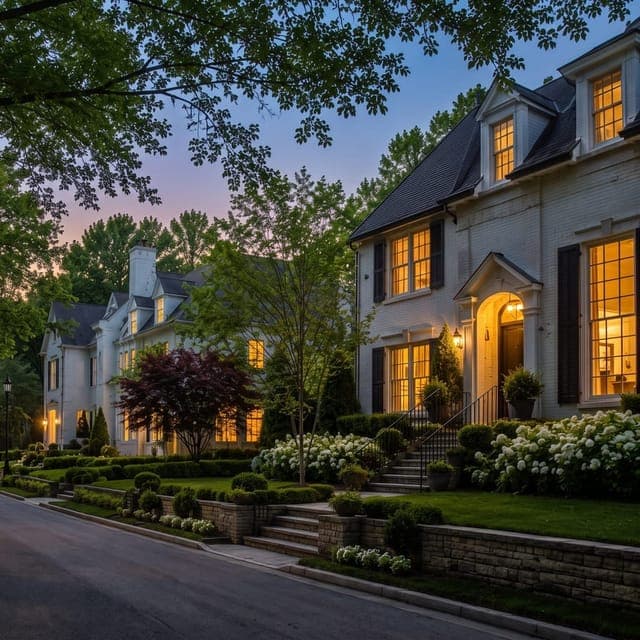
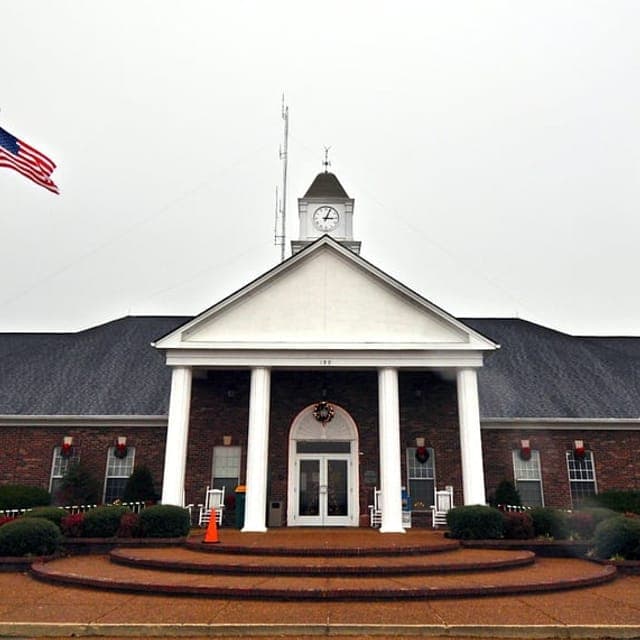
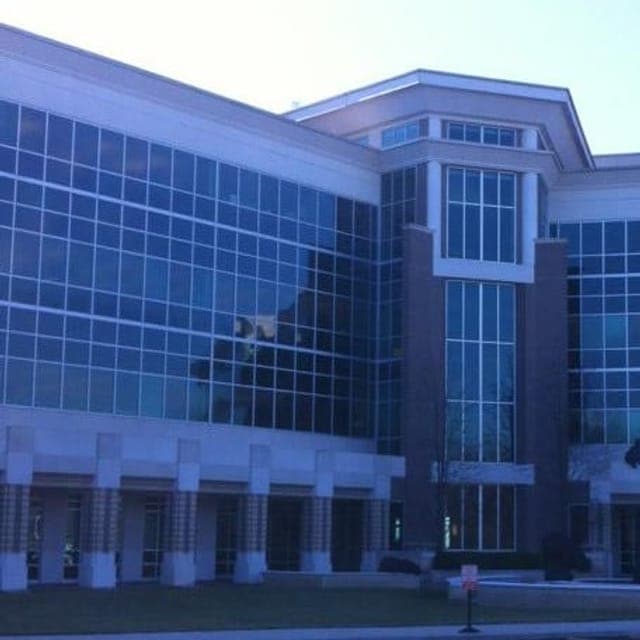
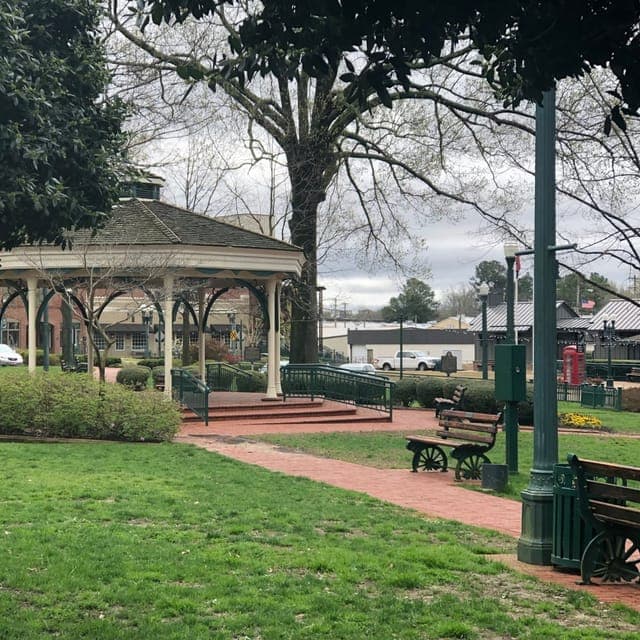
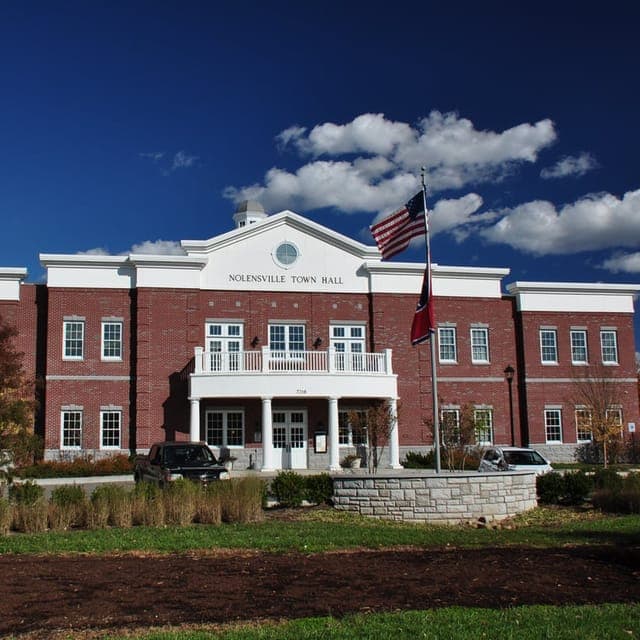
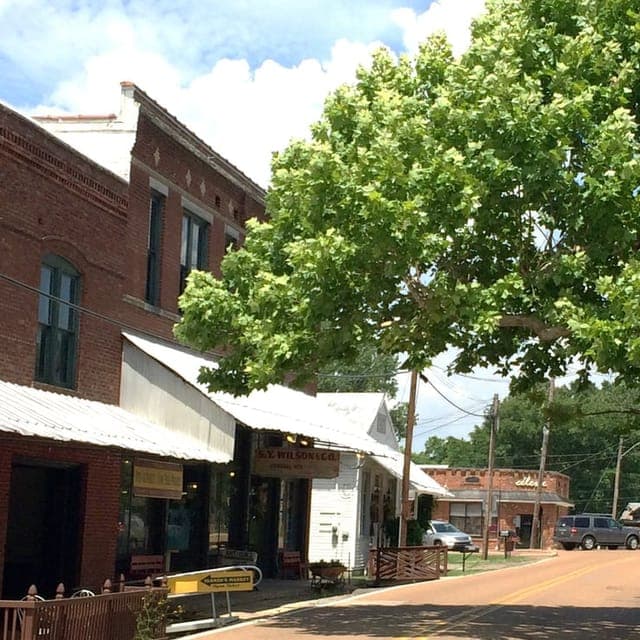
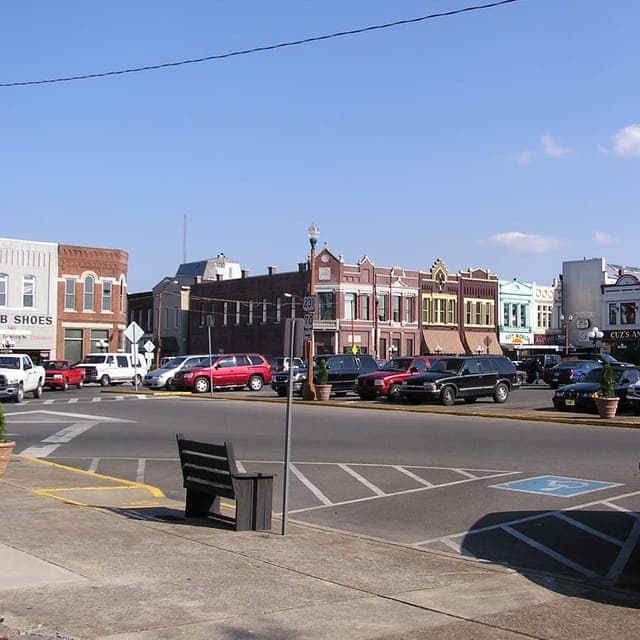
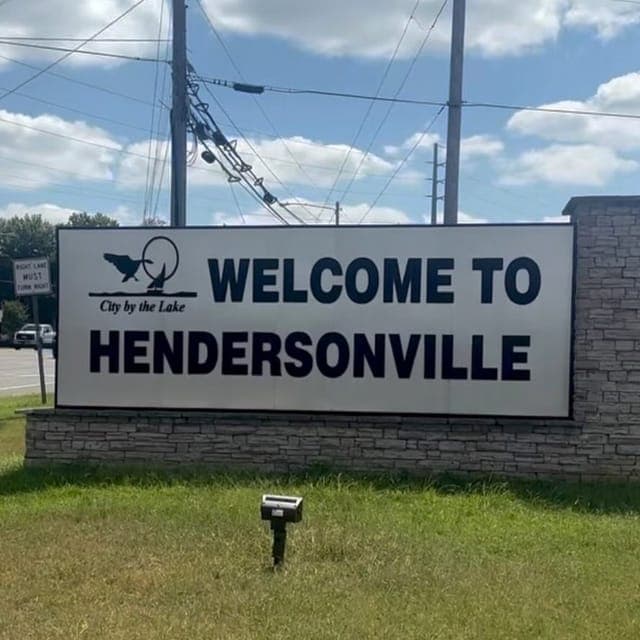
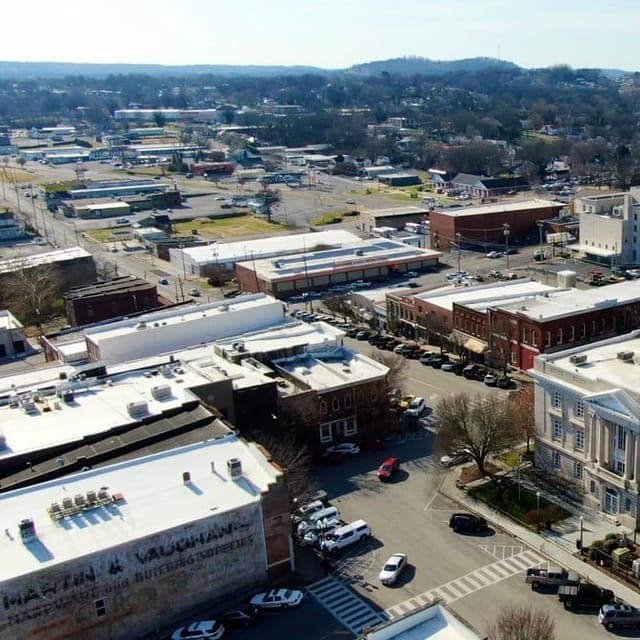
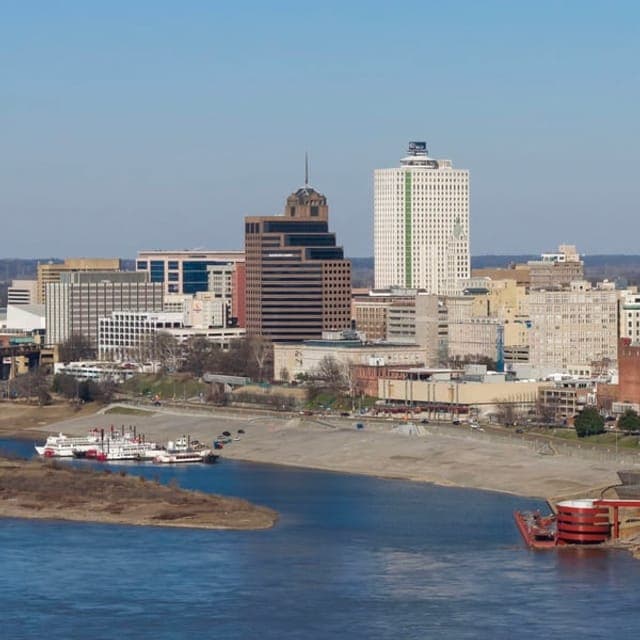
Top Cities for Quality of Life in Tennessee
* Values derived from national, state, county, city and local statistics and may differ in a specific area. Last updated: 2026-04-14T06:22:16.000Z
Narrative content on this page is AI-generated and may contain mistakes. Verify any details that matter before acting on them.
ReloMaps may earn a commission from affiliate links at no extra cost to you.

