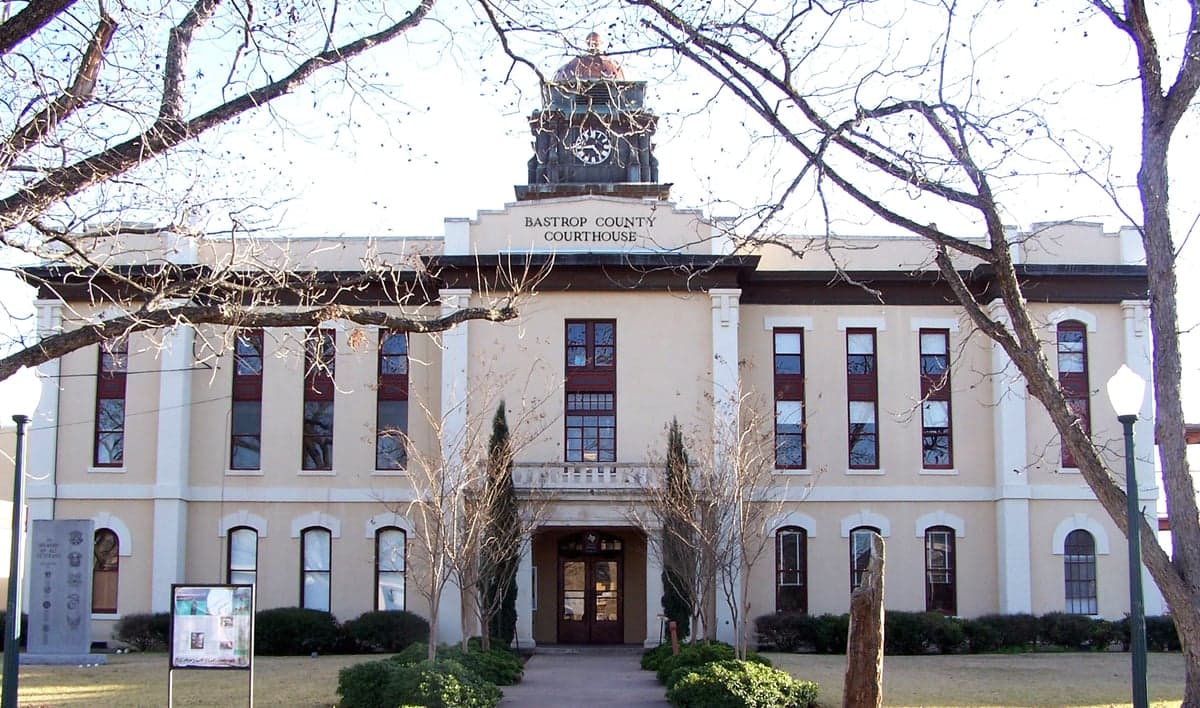
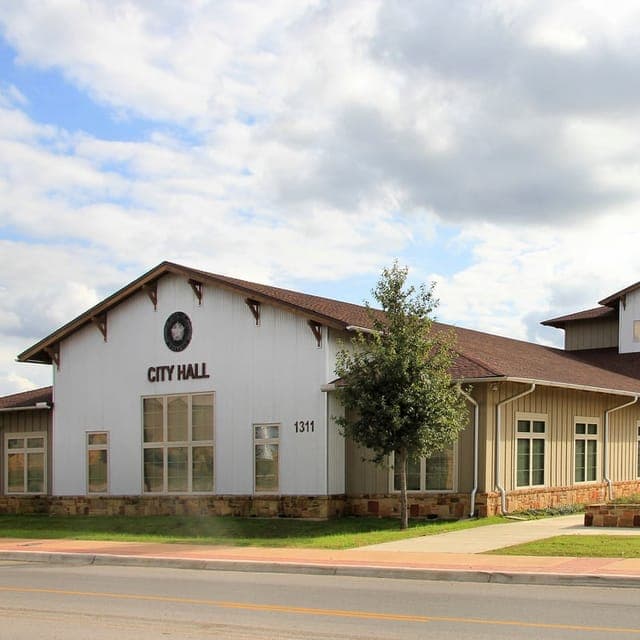
Photo: Wikipedia
Find The Best Places To Live in Bastrop County
PRO TIP! You can paste a Zillow or Redfin link to get info on that property.
Best Places to Live in Bastrop County
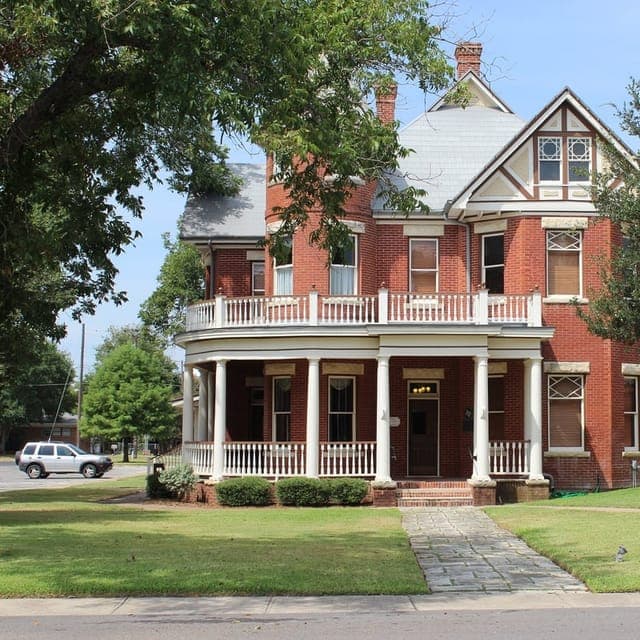
Cities & Towns in Bastrop County
Cities in Bastrop County
What It's Like Living in Bastrop County, TX
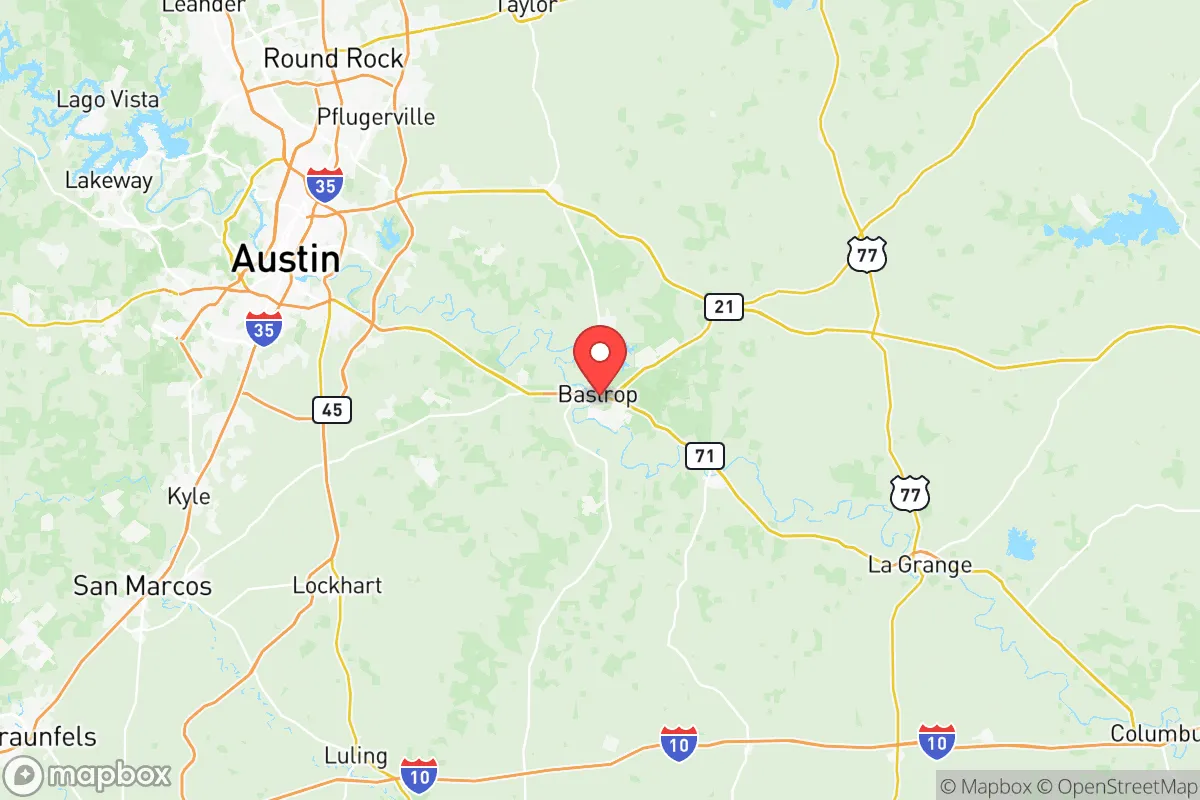
Living in Bastrop County feels a lot like being in on a secret that’s not quite a secret anymore. It’s the sprawling, piney-woods stretch of Central Texas where the Colorado River bends, and where the line between small-town life and Austin’s orbit gets blurrier every year. You’ve got the historic brick streets of downtown Bastrop, the master-planned growth of Elgin, the quiet rural pockets of McDade, and the lake-life vibe of Smithville — all under one county umbrella. It’s a place where people come for the space and the trees, and stay for the sense that you can still buy a home under $300,000 within an hour of a major city.
The Daily Rhythm: Commutes, Schools, and Saturday Mornings
For most people in Bastrop County, the day starts with a commute — and that’s the first honest trade-off you make. The average commute here clocks in at just over 35 minutes, which is longer than the national average but feels like a bargain compared to what you’d face living inside Austin proper. The main arteries are Highway 21, Highway 71, and the tolled SH 130, and they all get thick during rush hour. You’ll see a lot of state government workers, tech commuters, and construction tradespeople making the drive west. On the flip side, if you work in Elgin or at the Bastrop school district, your commute might be ten minutes. The county’s median age is 37.5, which tracks with a lot of families who moved here specifically for the schools — Bastrop ISD and Elgin ISD are the big anchors, and Friday-night football at Bastrop High’s Erhard Field or Elgin’s Wildcat Stadium is a genuine community event, not just something you read about. Weekends here are slow. People spend them on the river — fishing, kayaking, or just floating — or hitting the farmers’ market in downtown Bastrop. The Lost Pines region gives the landscape a feel that’s more East Texas than Hill Country, which surprises a lot of newcomers.
What’s There to Do: Festivals, Food, and the River
The biggest single draw is the Colorado River, which runs right through the county. You can put in at Fisherman’s Park in Bastrop or McKinney Roughs Nature Park and spend a whole day on the water. For a county of about 102,000 people, the festival calendar is surprisingly full. Bastrop’s annual Christmas on the Colorado and the Lost Pines Art Festival pull crowds from all over Central Texas. Elgin has its Hogeye Festival, which is exactly what it sounds like — a celebration of the town’s sausage-making history, complete with a barbecue cook-off and a carnival. Smithville, smaller and quieter, leans into its film history (parts of Hope Floats were shot there) with a downtown that feels like a movie set. For food, you’re looking at a mix of down-home Texas barbecue (Southside Market in Elgin is the legendary one) and newer spots like Bastrop’s Neighbor’s Kitchen & Yard, which feels like it could be in East Austin. The cultural quirk here is that Bastrop County is still deeply rural in its identity — people wave on country roads, and the “Keep Bastrop Weird” bumper stickers you see are more about preserving the pine trees than any political statement.
Pros and Cons of Living in Bastrop County
The honest pros are straightforward. You get more house for your money — the median home value sits at $269,500, which is roughly half of what you’d pay in Austin for a comparable home. The cost of living index is 107, slightly above the national average but well below the Austin metro’s 120+. The schools are a real draw for parents, and the outdoor access — the river, the state parks, the hiking at Buescher State Park — is legitimately excellent. The cons are just as real. The commute is the biggest frustration for anyone who works in Austin, and there’s no realistic public transit option. The violent crime rate of 342.3 per 100,000 is higher than the national average, though it’s concentrated in specific areas and not something most residents feel in daily life. The other common complaint is that growth is changing the character of the county faster than infrastructure can keep up — new subdivisions are going in along 21 and 71, and longtime residents worry about losing the quiet. The median household income of $82,730 is solid, but only 23.3% of adults hold a college degree, which means the job base leans heavily on trades, retail, and local government rather than tech or professional services. That’s a pro or a con depending on who you are.
Who Fits In Here
Bastrop County works best for people who want a slower pace, a yard, and a sense of community, and who are willing to trade a commute for those things. It’s popular with young families who got priced out of Austin, retirees who want to be near the city but not in it, and people who work in the trades or run small businesses. The political lean is conservative — the county voted Republican in the last few presidential cycles — but it’s not a hard red wall; Bastrop city itself is more purple, and Elgin has a strong working-class identity that doesn’t fit neatly into partisan boxes. The people who thrive here are the ones who get involved — in the school board, the volunteer fire department, the church, or the local chamber of commerce. It’s not a place where you stay anonymous. If you want nightlife and walkability, you’ll be frustrated. If you want space to breathe and a community that knows your name, you’ll probably love it.

* Values derived from national, state, county, city and local statistics and may differ in a specific area. Last updated: 2026-05-12T20:57:05.000Z
Narrative content on this page is AI-generated and may contain mistakes. Verify any details that matter before acting on them.
ReloMaps may earn a commission from affiliate links at no extra cost to you.

